Choosing when to experience Utah’s rivers dramatically affects your adventure. Spring runoff creates powerful high-water thrills. Summer delivers warm weather and family-friendly conditions. Fall offers solitude and spectacular colors. Each season brings distinct advantages, and understanding these differences helps you choose the best time to raft Utah based on your priorities.
Beyond seasonal considerations, booking timing matters enormously. Peak dates fill months in advance while shoulder season offers last-minute flexibility. Water levels fluctuate based on snowpack and weather patterns. Wildlife viewing peaks at specific times. This complete seasonal guide helps you understand when to book, when to go, and what to expect during different periods.
Understanding Utah River Seasons
The Operating Season
Utah river rafting season runs approximately May through September, though exact dates vary by river:
Flaming Gorge (Green River): Late May through Labor Day weekend (early September). The dam-controlled releases create reliable flows throughout summer.
Gates of Lodore (Green River): Late May through September. Natural flows from upstream snowmelt supplemented by Flaming Gorge Dam releases.
Yampa River: Late May through mid-June typically, occasionally extending into early July in high-snow years. The Yampa is snowmelt-dependent and free-flowing, making it highly seasonal.
These windows reflect when rivers offer optimal rafting conditions—sufficient water, acceptable temperatures, and manageable weather patterns.
What Drives Seasonal Differences
Rocky Mountain snowpack determines river character throughout the season. Heavy winter snowfall creates extended high water. Light snow years mean shorter seasons and lower flows.
Spring snowmelt typically peaks in late May through mid-June. As temperatures rise, mountain snow melts rapidly, swelling rivers to their highest annual flows. This creates powerful rapids and fast currents.
By mid-July, snowmelt diminishes. Rivers settle into summer base flows—still plenty of water for excellent rafting, but calmer than spring conditions. These flows continue through August.
September brings fall conditions: lower water, cooler temperatures, and changing foliage. The season winds down as temperatures drop and flows diminish toward winter levels.
Month-by-Month Breakdown
May: Season Launches
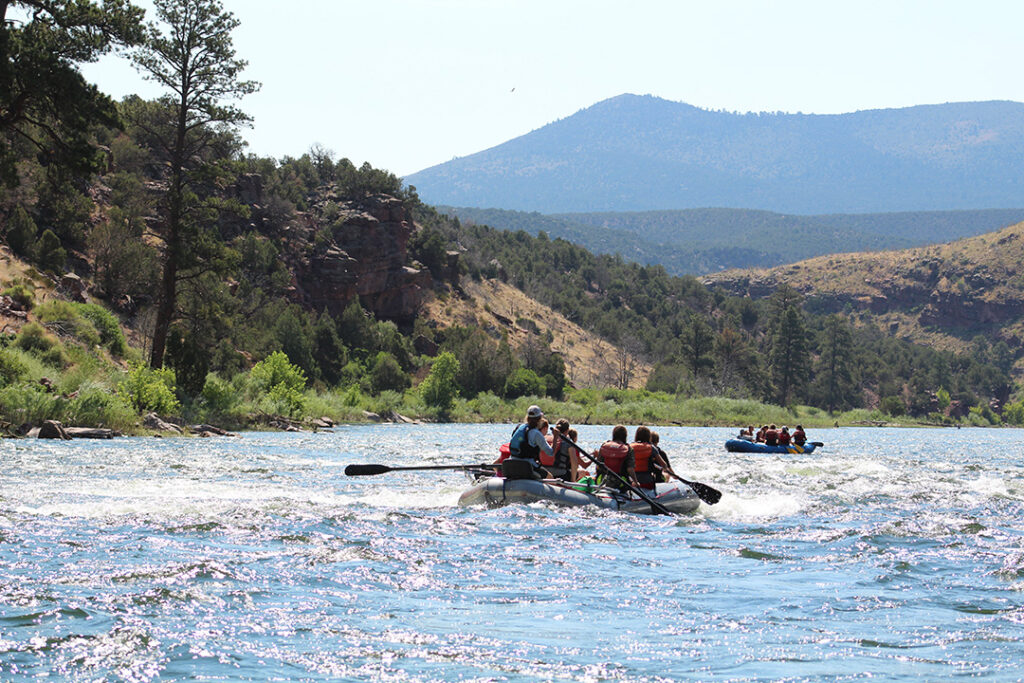 Water Conditions: Rivers begin running as snowmelt accelerates. Early May often has insufficient water, but late May typically marks season opening. Flows are building toward peak levels.
Weather: Highly variable. Daytime temperatures range from 60s to 80s°F. Nights can drop to 40s or even 30s. Rain is possible. Late spring storms occasionally bring cold snaps.
Advantages:
- Fewer crowds—peak season hasn’t begun
- Wildflower blooms in canyons and along riverbanks
- Energetic water as flows build
- Easier booking with more date availability
Considerations:
- Pack for cold weather—nights are chilly
- Water is cold from snowmelt
- Weather unpredictability requires flexible mindset
- Some years have insufficient May water
Best For: Adventurers comfortable with cooler weather and variable conditions. Great for people with schedule flexibility who want to avoid summer crowds.
June: Prime Season Begins
Water Conditions: Peak flows typically occur in June, especially early-to-mid month. This is high water season with powerful rapids and fast currents. The Yampa River runs almost exclusively in June.
Weather: Warming significantly. Daytime temperatures 70s to 90s°F. Nights in 50s to 60s. Generally stable weather though afternoon thunderstorms possible.
Advantages:
- Yampa River trips available (limited to June in most years)
- Biggest rapids of the season—maximum excitement
- Strong currents mean faster trip progression
- Long daylight hours for extended river time
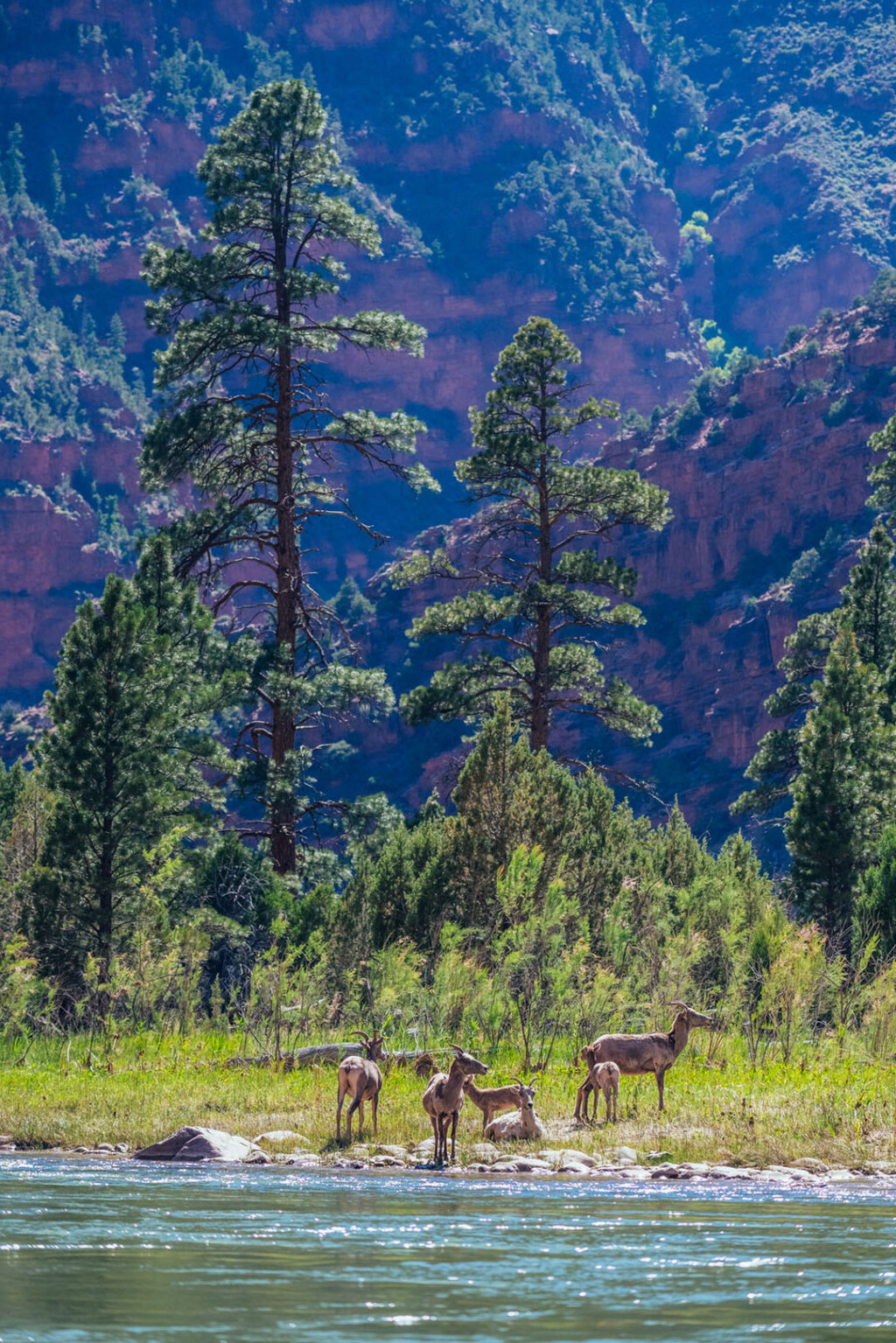
- Wildlife active—bighorn sheep lambing, birds nesting
Considerations:
- Most popular month—books earliest
- Higher water means more powerful rapids (exhilarating but intense)
- Water remains cold from snowmelt
- Premium dates fill 6-12 months ahead
Best For: Adventurers seeking maximum whitewater excitement. Yampa River enthusiasts—this is your window. Families with kids out of school.
July: Peak Family Season
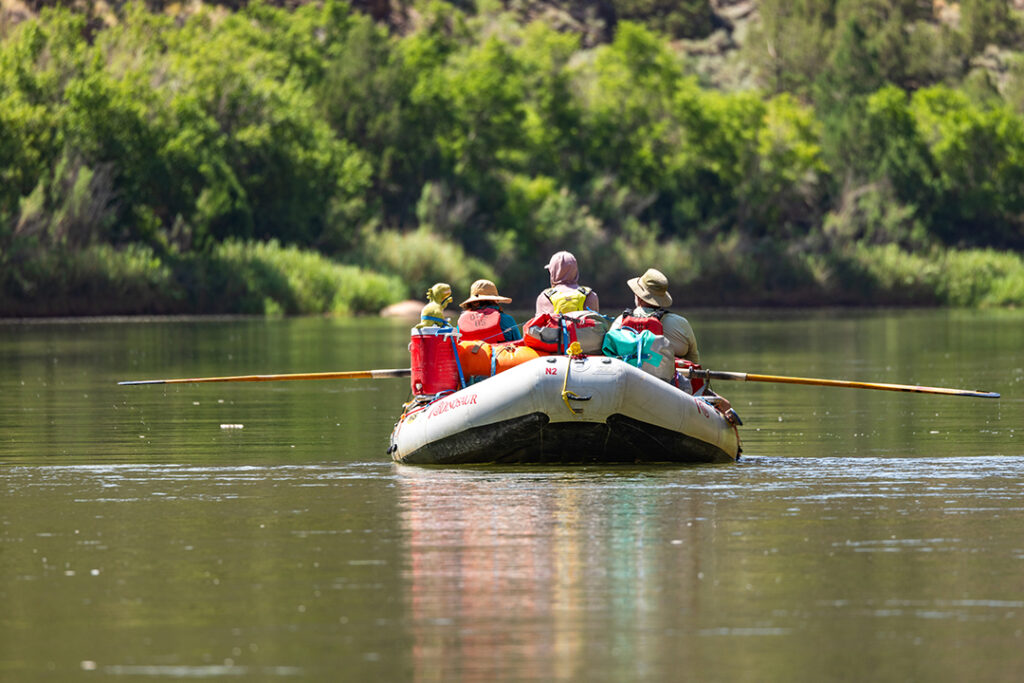
Water Conditions: Flows moderating from June peaks. Still excellent rafting water but calmer than spring runoff. Rapids remain exciting without being overwhelming.
Weather: Warmest month. Daytime temperatures often 85-100°F. Nights comfortable in 60s-70s. Occasional afternoon thunderstorms provide dramatic skies and brief cooling.
Advantages:
- Warmest water temperatures—swimming is pleasant
- Warm nights make camping comfortable
- Stable weather patterns
- Ideal conditions for first-time rafters and families
- Long days allow extended river exploration
Considerations:
- Busiest month—highest demand
- Desert heat during mid-day can be intense
- Books far in advance (8-12 months for popular dates)
- No Yampa River trips (season ended)
Best For: Families with children. First-time rafters. Anyone preferring warm weather and gentler water. People who want maximum swimming opportunities.
August: Sweet Spot Season
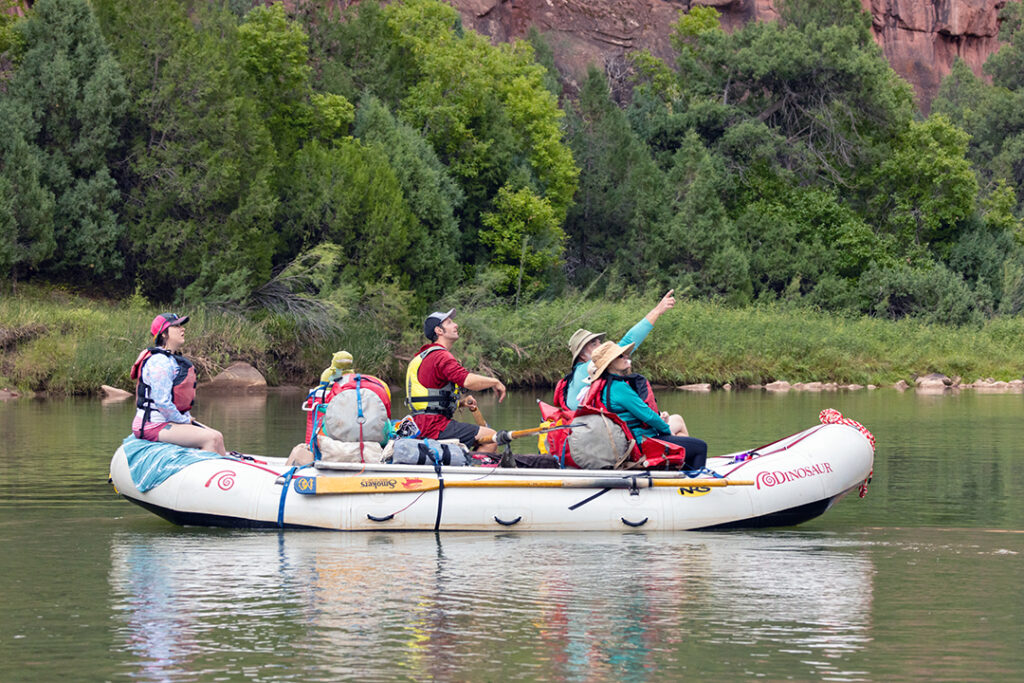
Water Conditions: Summer base flows—lower than spring but still excellent for rafting. Rapids are milder, currents more manageable. Perfect for nervous first-timers.
Weather: Remains hot with slight moderation from July peaks. Daytime temperatures 80-95°F. Nights cooling slightly to 55-65°F. Afternoon thunderstorms more common.
Advantages:
- Excellent balance of warm weather and manageable water
- Slightly less crowded than June-July
- Warm water ideal for swimming and playing
- Wildlife still very active
- Easier booking than peak months
Considerations:
- Lower water means slower trip pace
- Rapids less intense than spring (pro or con depending on preference)
- Can still be quite hot mid-day
- Later August shows season winding down
Best For: First-time rafters seeking gentler introduction. Families with young children. Anyone who wants prime conditions without peak season crowds.
September: Shoulder Season Beauty
Water Conditions: Lower flows continue diminishing. Still raftable but noticeably calmer than earlier months. Trip pace slower with more time in calm sections.
Weather: Cooling significantly. Daytime temperatures 65-80°F. Nights can drop to 40s. Early fall weather brings crisp mornings and comfortable afternoons.
Advantages:
- Spectacular fall colors beginning (cottonwoods turning yellow-gold)
- Significantly fewer people—real solitude
- Cooler temperatures for comfortable hiking
- Easier booking—often last-minute availability
- Wildlife preparing for winter—interesting behaviors
Considerations:
- Pack for cold weather—especially nights
- Water is cooler—less appealing for swimming
- Shorter days mean less river time
- Season ends around Labor Day for most operators
- Lower rapids intensity (gentler experience)
Best For: Photographers seeking fall colors. People who value solitude over peak conditions. Budget-conscious travelers (sometimes late-season discounts). Experienced rafters comfortable with variable weather.
River-Specific Seasonal Considerations
Yampa River: The Limited Window
The Yampa’s free-flowing nature creates the most restricted season of Utah’s rafting rivers. Most years, the Yampa runs only from late May through mid-June—a mere 3-4 weeks.
High-snow years might extend the season into early July. Low-snow years can shorten it to just 2-3 weeks in early June. This variability makes Yampa booking complex.
When to Book: 12-18 months in advance for the best time to raft Utah’s Yampa River. Serious demand meets limited supply. If you want specific dates, book immediately when the season schedule opens.
Weather Gambling: Early Yampa trips (late May) risk cold, unsettled weather. Mid-June trips usually offer better weather but might catch falling water levels. There’s no perfect guarantee—you’re gambling on mountain snowmelt timing.
The Reward: Despite booking challenges, the Yampa delivers unmatched experiences. As the last major undammed tributary of the Colorado River system, it represents authentic wilderness that most rivers can’t match.
Gates of Lodore: Season-Long Consistency
The Green River through Gates of Lodore benefits from Flaming Gorge Dam upstream. While primarily fed by natural flows, dam releases provide supplemental water ensuring season-long raftability.
Early season (late May-June) brings higher natural flows and more exciting rapids. Mid-season (July) offers warmer water and comfortable weather. Late season (August-early September) provides gentler conditions perfect for families.
When to Book: 6-12 months ahead for summer peak dates. Spring and fall trips often book 3-6 months out. Gates of Lodore’s consistency means you can choose timing based on preferences rather than worrying about whether sufficient water exists.
Flaming Gorge: Dam-Controlled Reliability
The Green River below Flaming Gorge Dam offers the most reliable conditions. Dam releases maintain consistent flows regardless of natural fluctuations, creating season-long raftability.
Water temperature stays notably cooler than other rivers due to dam releases from deep reservoir. Even in August, the water remains refreshingly cold—great for hot days, but swimming sessions stay brief.
When to Book: One-day trips: 1-3 months ahead usually sufficient except peak summer weekends. Three-day trips: 4-8 months ahead for summer dates. The reliability means less urgency than Yampa booking, but popular dates still fill.
Booking Strategy by Priority
If You Want Maximum Rapids
Book June dates, especially early-to-mid month when flows peak. The Yampa River in early June delivers the most intense whitewater. Gates of Lodore in June offers excellent big water. Flaming Gorge has more consistent flows but June provides peak excitement there too.
Timeline: Book 12-18 months ahead for Yampa, 8-12 months for Gates of Lodore, 6-9 months for Flaming Gorge.
If You Want Warm Weather
July provides warmest air and water temperatures. August offers similar warmth with slightly less intensity. These months deliver the best time to raft Utah for swimming, lounging at camps, and comfortable nights.
Timeline: Book 8-12 months ahead for July, 4-8 months for August.
If You Want Fewer Crowds
Late May, late August, and early September offer significantly more solitude. You’ll encounter fewer groups on the river and at camps. The wilderness experience feels more genuine.
Timeline: Book 3-6 months ahead, sometimes less. Shoulder season offers booking flexibility peak season lacks.
If You Have Budget Constraints
Shoulder season (late May, late August, September) sometimes features discounted rates or promotional pricing. Call and ask about deals on specific dates. The value proposition improves as season ends.
Timeline: Book 2-4 months ahead, monitor for last-minute deals.
If You Want Yampa River Experience
You have no flexibility—book whenever Yampa season schedule opens (typically 12-18 months ahead). The limited window means accepting whatever weather and water conditions June brings. The reward justifies the uncertainty.
Timeline: 12-18 months minimum. Sooner if possible for best date selection.
Weather Patterns and What to Expect
Temperature Ranges
Desert canyon environments create dramatic temperature swings between day and night:
May: Days 60-80°F, nights 35-50°F
June: Days 70-90°F, nights 50-65°F
July: Days 85-100°F, nights 60-75°F
August: Days 80-95°F, nights 55-70°F
September: Days 65-80°F, nights 40-55°F
These ranges vary based on specific weather patterns, canyon orientation, and elevation. Always pack layers regardless of season.
Precipitation
Utah’s canyon country is desert—precipitation is relatively rare but not impossible.
Late afternoon thunderstorms are most common July-August. These typically bring brief, intense rain followed by clearing. They create dramatic light, rainbows, and temporary waterfalls down canyon walls.
Early season (May) can bring longer rain systems from lingering spring weather patterns. These are less common but more persistent when they occur.
Fall (September) usually offers stable, clear weather with minimal precipitation risk.
Sun Exposure
Regardless of season, sun exposure is intense. Canyon walls reflect sunlight. Water reflects additional UV radiation. You’re outdoors all day with minimal shade.
Sunscreen, hats, sun shirts, and sunglasses are essential equipment every month. The best time to raft Utah from a sun perspective doesn’t exist—you need protection year-round.
Wildlife Viewing Seasonal Guide
Spring (May-June)
Bighorn sheep lambing season—watch for ewes with young lambs navigating impossible cliffs. River otters are highly active. Migratory birds arrive and establish nesting territories. Wildflowers bloom, attracting pollinators.
Summer (July-August)
Young wildlife becoming independent—bighorn lambs grow larger and more adventurous, bird fledglings learn to fly. Raptors hunt actively. Deer visit riverbanks during cooler morning and evening hours.
Fall (September)
Migration patterns shift—some bird species begin moving south. Wildlife prepares for winter—bighorns descend from high country, deer fatten on last vegetation. Cooler temperatures make midday wildlife viewing more productive.
Visit Us and Plan Your Perfectly Timed Adventure
Ready to choose the best time to raft Utah for your priorities? Visit our Google Business profile for current information and guest experiences across all seasons.
See what guests say about their trips:
-
Enjoyed a spectacular 5 day rafting trip on the Tampa and Green Rivers with Dinosaur River Expeditions. The guides were knowledgeable and very competent. Food delicious and plentiful. The campsites... read more

 Bonny Barr
I adored the people-friendly attitude. We had so much fun on the river. The lunch was delicious. The guides competent and funny. The transport driver was kind and efficient. I... read more
Anne Moscrip
-
We took our son and his wife and three boys ages 9-14 on the Gates of Ladore 4 day trip. Everyone had a fantastic time, even fussy eaters found food... read more
Karen Dunn
Our experience on the 5 day Yampa river trip was great. The guides ensured that our experiences on the water, in camp, and on hikes were the best. The scenery... read more
Dave Stangler
-
I took my family (two kids in high school) on a 4 day, 3 night trip through Gates of Lodore to Split Mountain (July 2024) and I cannot say enough... read more
Joshua Kesler
5 day trip on the Yampa was fantastic! The guides were a blast to spend our trip with. We had high flows, big water and hot weather, and they rowed... read more
Laurel Cope


Find Our Vernal, Utah Location
Frequently Asked Questions About Best Time to Raft Utah
What is the best month overall for Utah river rafting?
June and July represent the best time to raft Utah for most people, though “best” depends on priorities. June offers peak water flows creating maximum whitewater excitement, plus Yampa River availability, though weather can be variable and water remains cold. July provides warmest conditions ideal for families and first-timers, with comfortable swimming temperatures and stable weather, though rapids are gentler than spring. August offers excellent balance of warm weather and manageable water with fewer crowds than peak season. For maximum adventure, choose June. For comfortable family trips, choose July. For value and solitude, choose August or late May.
How far in advance should I book Utah river rafting trips?
Booking timeline depends on river and season. Yampa River trips require 12-18 months advance booking minimum due to limited June-only season and high demand. Gates of Lodore trips during peak summer (June-July) should be booked 8-12 months ahead, while shoulder season dates (May, August-September) can be booked 4-6 months out. Flaming Gorge multi-day trips need 4-8 months for summer dates, and one-day trips typically book 1-3 months ahead except busy weekends. Generally, the more specific your date requirements and the more popular the month, the earlier you should book. Call Dinosaur River Expeditions to discuss current availability for your preferred dates.
Can you raft Utah rivers in September?
Yes, September offers excellent rafting on the Green River through both Flaming Gorge and Gates of Lodore, though the season typically ends around Labor Day weekend (early September). September brings advantages: spectacular fall colors as cottonwoods turn golden, significantly fewer crowds creating genuine solitude, cooler comfortable temperatures for hiking, and often easier last-minute booking. However, September requires preparation for colder weather—nights drop to 40s°F, water temperature is cooler making swimming less appealing, and days are noticeably shorter than summer. The Yampa River doesn’t run in September as it’s snowmelt-dependent and flows diminish by late June. September is the best time to raft Utah for photographers, solitude-seekers, and experienced rafters comfortable with variable fall conditions.
What happens if water levels are too low when I booked my trip?
Water level concerns primarily affect the Yampa River since it’s free-flowing and snowmelt-dependent. If unusually low snowpack creates insufficient Yampa flows, Dinosaur River Expeditions contacts affected guests and offers alternatives: reschedule to different dates when flows are adequate, transfer to Gates of Lodore or Flaming Gorge trips instead, or receive full refunds. The Green River through Gates of Lodore and Flaming Gorge maintains reliable flows throughout the season thanks to upstream dam management, making low-water cancellations extremely rare. When you book, particularly for early or late season, ask about current snowpack and flow predictions. Dinosaur River Expeditions monitors conditions closely and communicates proactively if concerns arise, ensuring you’re never surprised by cancellations.
Is June or July better for families with children?
July is typically better for families with children as the best time to raft Utah, though June works for adventurous families. July advantages include warmest water temperatures making swimming enjoyable for kids, comfortable warm nights so children sleep well, gentler rapids that don’t overwhelm nervous young rafters, and stable weather patterns creating predictable conditions. June offers more exciting whitewater that teenagers particularly enjoy, but water remains cold from snowmelt (less fun for younger kids), nights can be chilly requiring better sleeping gear, and weather is less predictable. For families with children under 10 or first-time young rafters, July provides the most comfortable introduction. For families with teenagers seeking adventure, June’s higher water delivers more thrills. Consider your children’s ages, outdoor experience, and cold tolerance when choosing.


