 I’ve spent many seasons guiding thrilling whitewater rafting expeditions on the vibrant rivers of Colorado. From the iconic Green River to the breathtaking Yampa and the robust Colorado River, each offers adventure seekers more than just rapids; they serve up an authentic slice of nature’s majestic harmony. Yet, while these destinations brim with beauty and thrill, I witness a silent struggle that demands our attention— the ecological impact of increasing rafting activities.
Colorado’s rivers have risen as premier rafting destinations, drawing thousands eager to feel the pulse of their currents. As adventure tourism grows, rafting’s ecological footprint emerges, threatening to unsettle these pristine ecosystems. The challenge lies in harmonizing the growing love for outdoor recreation with preserving the river’s environmental health. Among these stretches, Dinosaur National Monument shines as a beacon of balance and sustainable practices, guiding us in nurturing both adventure and conservation.
Mitigating the Impact: Regulations, Restoration, and Education
Permit Systems and Capacity Limits
Regulating access through permit systems is crucial. Strict controls, like those enforced in Dinosaur National Monument, help limit ecological footprints during peak seasons. By managing visitor numbers, these systems aim to maintain the cherished wilderness for future generations.
 Best Practices and Low-Impact Rafting Guidelines
 Best Practices and Low-Impact Rafting Guidelines
To preserve this ecological treasure, adopting Leave No Trace principles is essential. Campsite selection, waste management, and responsible gear handling are essential practices I share with fellow guides and rafters. Companies like ours echo the same mindset, training guides to be eco-conscious.
Habitat Restoration Projects
Restoration efforts breathe life back into trampled plants and disrupted fish habitats. Through projects supported by NFWF grants, tamarisk removal near the Green River and replanting native vegetation allow these ecosystems to rebound. Such projects are community-driven and often involve local tribes and scientists as key participants.
The Role of Rafters and Outfitters in Stewardship
Education transforms rafters into environmental stewards. Pre-trip briefings can be enlightening sessions where gear checks mingle with conservation conversations. Momentum builds when outfitters pioneer conservation campaigns, adding to the tapestry of success stories.
A Case Study in Conservation: Dinosaur National Monument
Striking a Balance Between Access and Protection
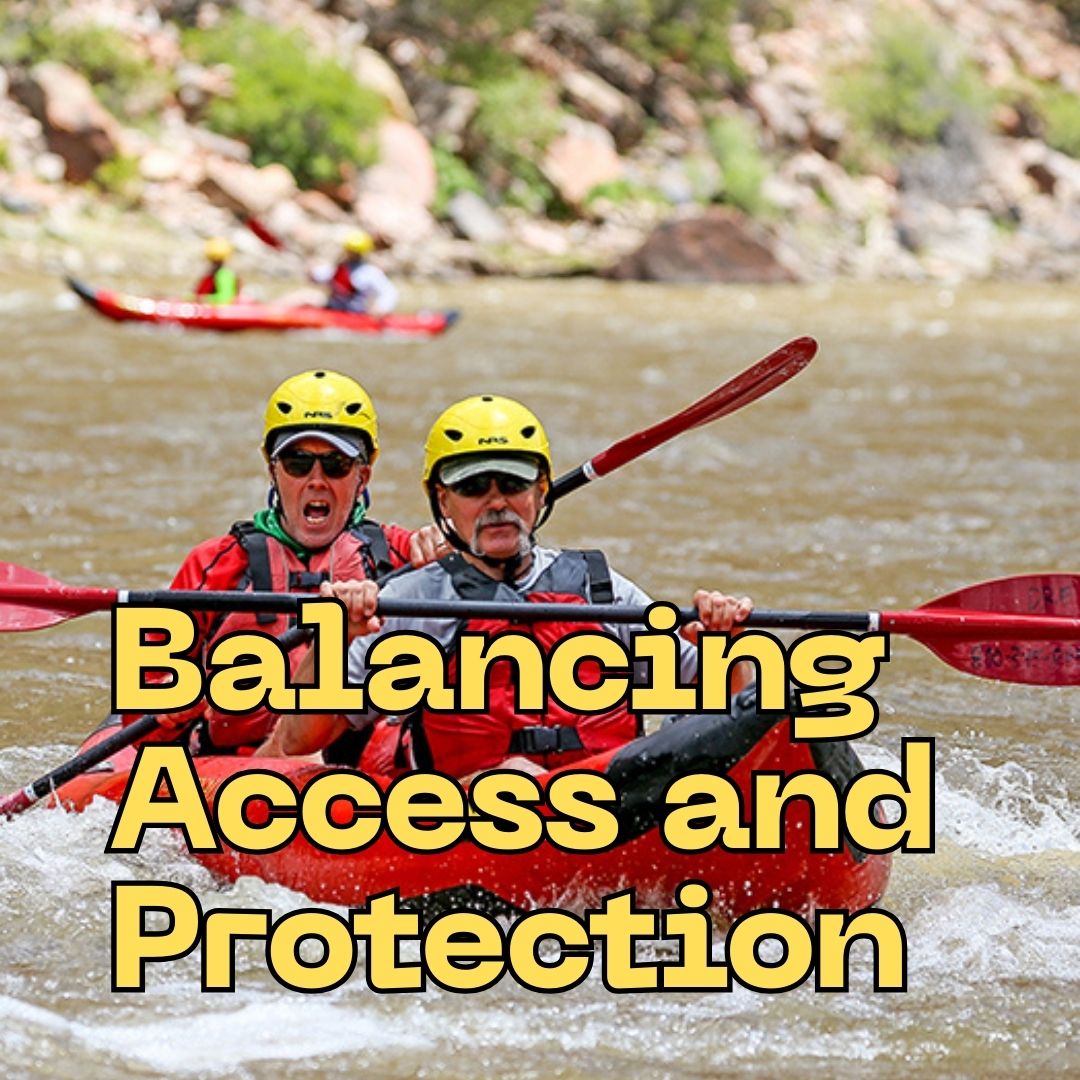 Nestled amidst Dinosaur National Monument’s storied landscapes are lessons in balance. Its historical richness and inherent biodiversity, encompassing species like the Colorado pikeminnow, coexist with recreation through strategic management by entities like BLM and NPS, working alongside commercial guides.
Community-Driven Conservation Initiatives
Volunteer programs comprise a dynamic defense against ecological degradation. I’ve engaged in trail maintenance and water quality monitoring—inviting citizen scientists into conservation roles connects them deeply to the environment they seek to protect.
Eco-Innovation Among Local Outfitters
Going green is more than a phrase; it’s a movement. Shift to eco-friendly gear, minimizing carbon footprints with consolidated shuttles, and adopting solar energy at camps signal our evolution towards sustainable practices.
Looking Forward: The Future of Rafting and River Health
Climate Change and Decreased River Flows
Rising temperatures and reduced snowpack threaten river availability. Climatic shifts jeopardize not only environmental balance but also the viability of rafting experiences.
Strengthening the Collaboration Between Stakeholders
From policymakers to hydrologists, inclusive collaboration paves paths to sustainable tourism. The Colorado Outdoor Strategy embodies these efforts, investing in adaptive frameworks to maintain river health.
Embracing a Culture of Conservation Among Rafters
Each rafting trip is a teaching opportunity. By fostering responsibility, travelers become custodians of the waters they traverse. The willingness to prioritize ecological preservation over fleeting thrills becomes the underlying ethos guiding future river tourism.
Reflecting on my time on Colorado’s arresting rivers, the balance between recreation and conservation stands as a delicate but necessary target. Progress is promising, yet ongoing dedication is vital. As visitors, guides, and stewards of this natural beauty, let us commit to safeguarding the rivers that fuel our joy, wisdom, and well-being.
Book Your Rafting Trip
Experience the thrill of whitewater rafting while connecting with nature and contributing to eco-friendly tourism on Colorado’s iconic rivers. Immerse yourself in a sustainable adventure that respects and preserves the natural beauty of our waterways. As you navigate the exhilarating rapids and enjoy the stunning landscapes, you’ll also be supporting initiatives that protect these precious ecosystems for future generations. Book your unforgettable rafting trip with Dinosaur River Expeditions today and be part of the journey towards responsible adventure. Visit here to make a reservation and embark on a rafting experience that leaves a positive impact.
FAQs – The Ecological Impact of Rafting on Colorado’s Rivers
- How does rafting contribute to riverbank erosion?
- Rafting activities, especially frequent launching and landing of rafts, can destabilize riverbanks by displacing sediment, which leads to erosion and negatively impacts riparian ecosystems.
- What measures are being taken to minimize pollution from rafting?
- Efforts include promoting eco-friendly practices such as using biodegradable products, minimizing plastic use, properly handling and disposing of waste, and educating rafters about pollution prevention.
- How can rafters help prevent the spread of invasive species?
- Rafters can help by thoroughly cleaning their equipment and clothing before entering new water bodies to prevent transporting invasive seeds or organisms between ecosystems.
- What is the role of permit systems in protecting river ecosystems?
- Permit systems regulate the number of rafters and trips, especially during peak seasons, to prevent overcrowding and lessen the ecological footprint, ensuring sustainable use of river habitats.
- How can engaging in rafting contribute to conservation efforts?
- Rafters can contribute by participating in educational briefings, supporting conservation initiatives led by outfitters, and adopting a stewardship mindset to help protect the natural environment while enjoying their adventures.


