Anyone can put you in a raft and send you down a river. A truly great river guide does something entirely different: they transform a recreational activity into an experience you’ll talk about for years.
What separates exceptional river guides from adequate ones? And why does it matter so much to your experience? Let’s explore what makes a guide great and why Dinosaur River Expeditions’ approach to guiding sets them apart.
The Foundation: Safety and Competence
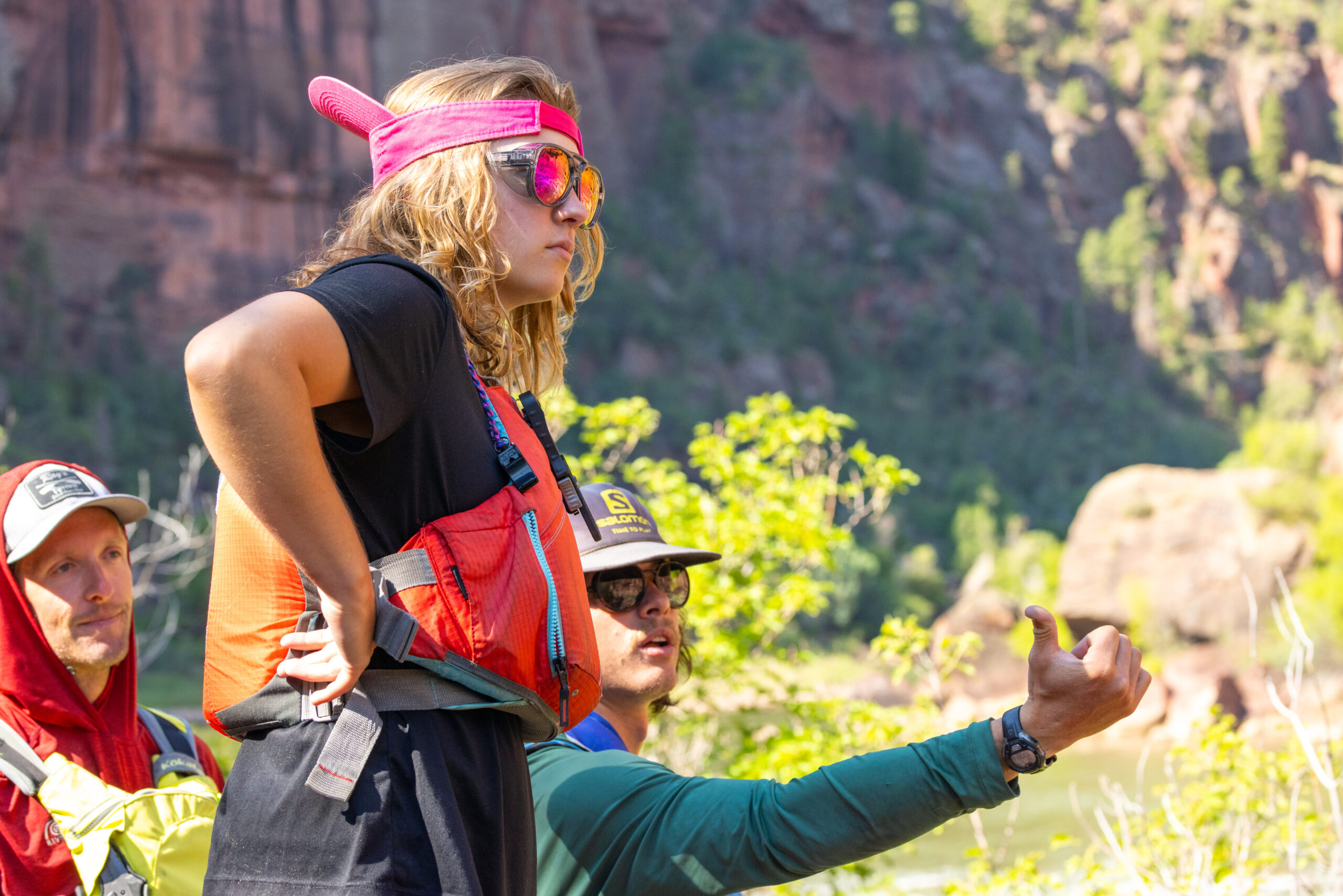
Great guiding starts with technical excellence. Anyone can row a raft in calm water. Reading a river—understanding hydraulics, identifying hazards, navigating complex rapids with precision—requires years of experience and constant attention.
Professional river guides must:
Know every inch of their rivers. Which side of the rapid runs clean? Where’s the hidden rock at this water level? Which eddy makes the best lunch stop? This knowledge comes from rowing the same sections dozens or hundreds of times, in different conditions, across multiple seasons.
Maintain wilderness first aid certification. Medical help might be days away on multi-day trips. Guides need training to handle everything from minor cuts to serious injuries, staying calm under pressure while making critical decisions.
Master multiple craft types. Paddle rafts, oar rafts, and inflatable kayaks all handle differently. Great guides excel with all of them and match the right craft to each guest’s skill level and comfort.
Read people as well as rivers. Is that guest nervous about the upcoming rapid? Does this child need extra encouragement? Which participants want challenge and which prefer security? The best guides adjust their approach continuously.
One recent reviewer noted: “Jared and Jess worked hard to ensure that everyone had fun.” That phrase—”worked hard”—captures something important. Making a trip look effortless requires tremendous skill and constant attention.
Beyond Rowing: Guides as Educators
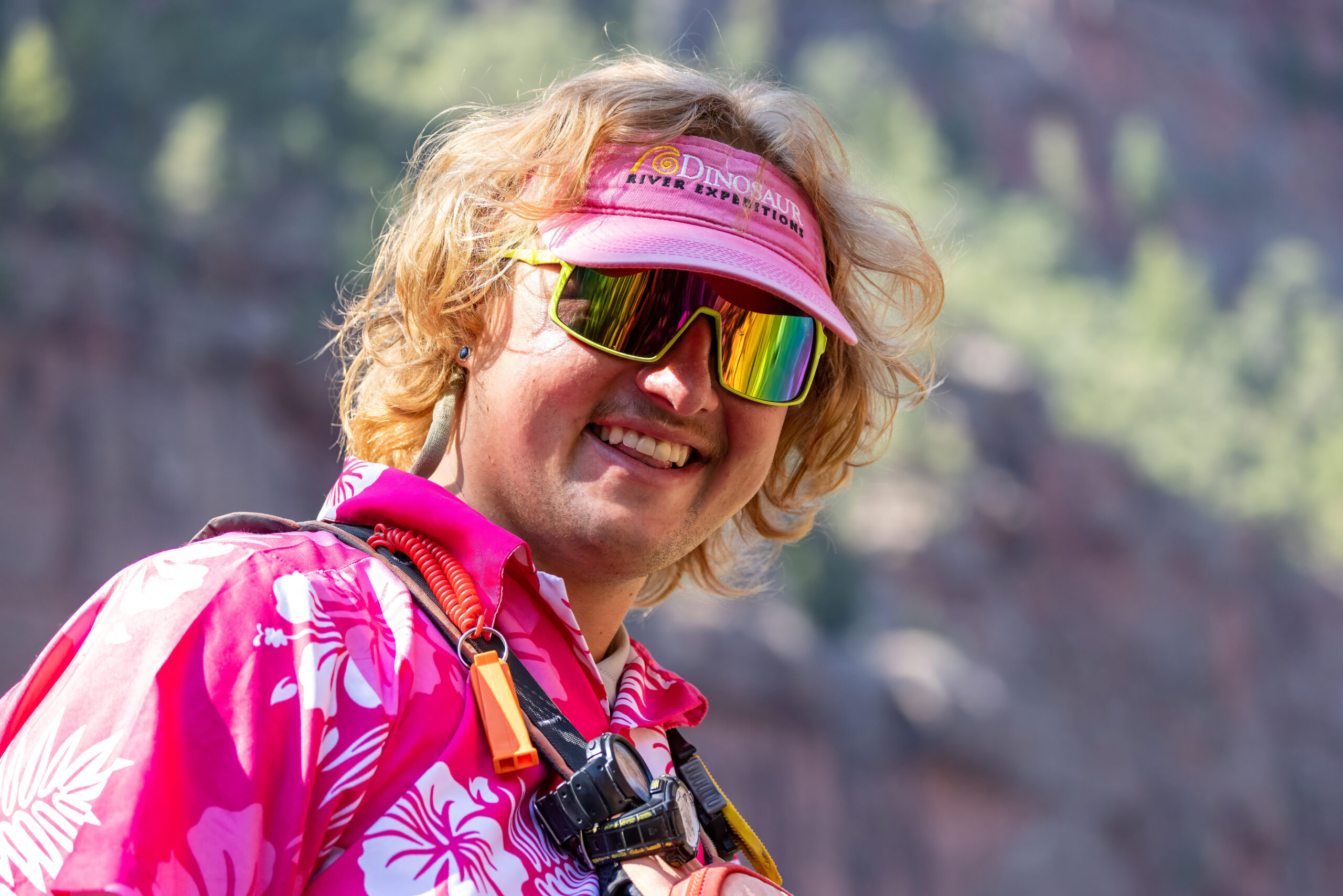
Once safety and technical competence are established, the real magic begins. Exceptional guides are teachers who bring the landscape to life.
Geological Storytelling
Those red canyon walls towering above you? They’re 300-million-year-old sandstone, deposited when Utah was an ancient sea. The guides point out cross-bedding patterns that reveal ancient dune formations. They explain how the river carved through solid rock, removing material grain by grain over millions of years.
This isn’t dry lecturing. It’s storytelling that makes you see the landscape differently. Suddenly you’re not just rafting—you’re traveling through deep time, reading Earth’s history in the rocks.
Natural History Expertise
A bighorn sheep appears on an impossible cliff face. Your guide knows its habits, migration patterns, and why it chooses to live in such precarious terrain. That bird circling overhead isn’t just a hawk—it’s a prairie falcon, and here’s what makes it special.
Guests consistently mention guides’ knowledge of local ecology. One reviewer specifically praised their guide’s understanding of “the geology, biology, and history of the region” and how their “obvious love of rivers and exploration were infectious.”
Cultural and Historical Context
The petroglyphs etched into that canyon wall are 700 years old. Who created them? What do the symbols mean? How did ancient peoples survive in this harsh landscape? Great guides connect you to the human history flowing through these canyons.
On the Gates of Lodore trip, guides share stories of John Wesley Powell’s 1869 expedition—the first documented journey through these rapids. They point out the exact spots where Powell’s crew nearly lost their wooden boats, making you appreciate your modern raft even more.
The Local Difference
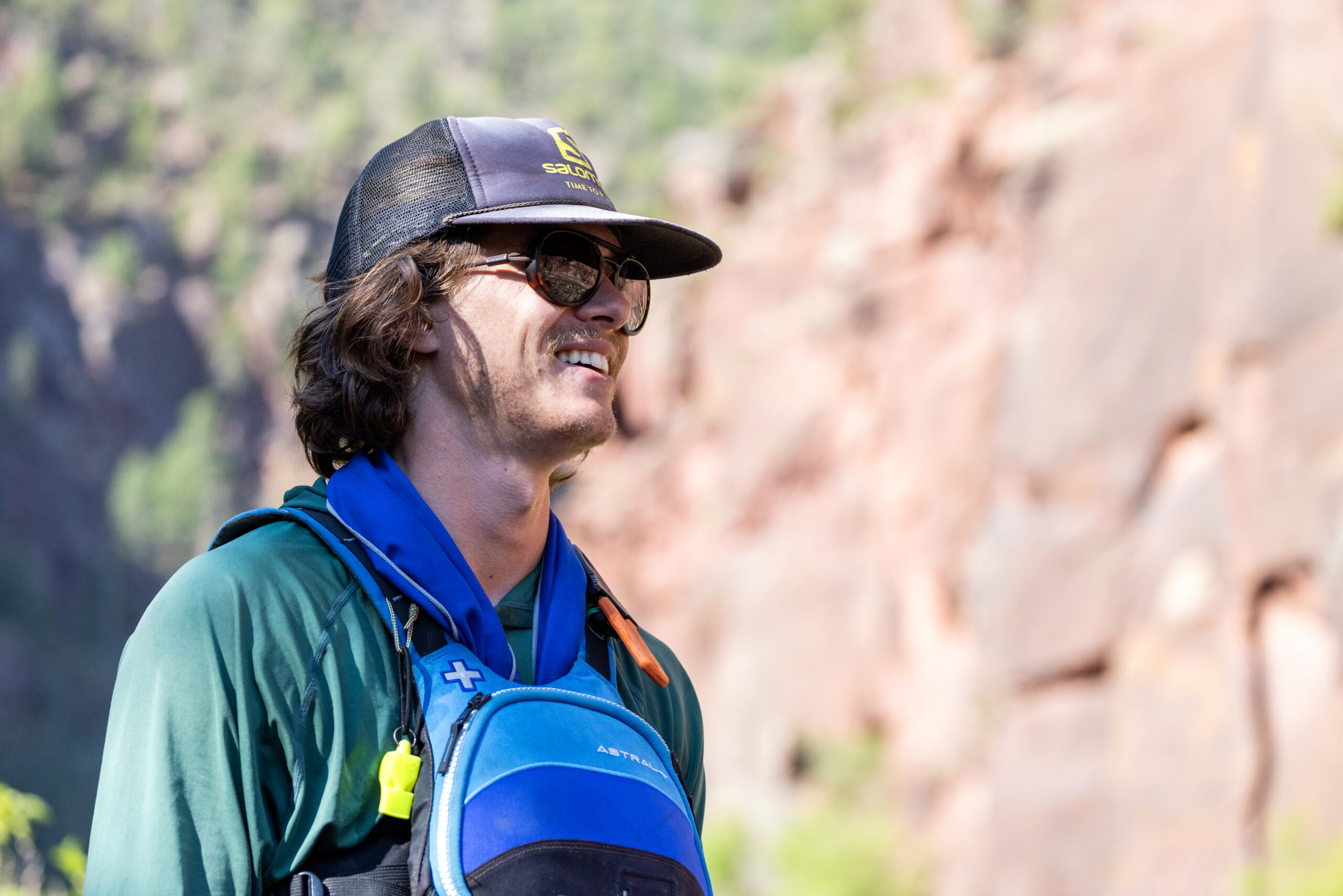
Dinosaur River Expeditions is locally owned and operated in Vernal, Utah. This isn’t a corporate outfitter with rotating staff from across the country. These guides live in the region, know its rhythms, and genuinely care about the rivers they run.
That local connection manifests in unexpected ways. Guides know current mining operations in the area and how they affect the landscape. They understand regional history in granular detail—not just the famous outlaws who hid in Browns Park, but the homesteaders, ranchers, and explorers who shaped this country.
One guest noted about their guide Donovan: “As a local Vernal-ite, he had massive amounts of information to share about the area.” That deep local knowledge transforms good guiding into exceptional guiding.
Camp Life: Where Guides Truly Shine
On multi-day trips, the river is only part of the experience. Camp is where guides demonstrate their full skill set.
Culinary Excellence
Don’t expect freeze-dried camping food. Dinosaur River Expeditions’ guides prepare remarkable meals that guests consistently rave about in reviews:
“The food was varied, well-cooked, ample, and delicious. There were fresh vegetables throughout the trip and what seemed to me like a lavish cooked breakfast every day.”
Dutch oven peach cobbler. Homemade lasagna. Fresh vegetables on day four of a wilderness trip. Hearty breakfasts that fuel full days on the water. This level of camp cuisine requires serious culinary skill and careful planning.
Entertainment and Connection
After dinner, around the campfire, guides become entertainers and storytellers. Impromptu skits. River trip tales from seasons past. Educational presentations about the stars overhead or the geology around you. Sometimes just quiet conversation that helps strangers become friends.
One reviewer captured this perfectly: “Your adventure guides specialize in camp entertainment. They may surprise you with an impromptu skit, a fun rafting-trip game, or great stories of river trips from the past.”
This isn’t mandatory fun. It’s genuine enthusiasm from people who love what they do and want to share that love with guests.
Problem-Solving and Care
Equipment breaks. Weather changes. Someone’s seasick. A child gets homesick. Great guides handle these situations smoothly, often before guests even realize there was a problem.
Multiple reviews mention guides “working hard” to ensure everyone enjoyed themselves. That phrase reveals the invisible labor of guiding—the constant attention to detail, the anticipation of needs, the adjustment of plans to match conditions.
The Guide-Guest Relationship
Look at the language guests use in reviews. They mention guides by name. They describe them as friends. They promise to request specific guides on future trips.
-
Thank You!!! Great trip on the Yampa. Scott & Susan

 scott rodgers
We did the day trip down the Green from Spillway (Flaming Gorge Dam) to Little Hole on August 21, 2022. We had such an amazing time! The river itself is... read more
Lillian Erickson
-
I adored the people-friendly attitude. We had so much fun on the river. The lunch was delicious. The guides competent and funny. The transport driver was kind and efficient. I... read more
Anne Moscrip
Our experience on the 5 day Yampa river trip was great. The guides ensured that our experiences on the water, in camp, and on hikes were the best. The scenery... read more
Dave Stangler
-
We did a 1 day rafting trip on 5/26 to Flaming Gorge and had a great time! Our guides were knowledgeable and taught us a lot about the local history... read more
Sara Dixon
I had an absolute blast on the 4 day Yampa trip over Memorial weekend. The views in that canyon are just stunning! All the DRE river guides were ridiculously fun... read more
Jeffrey Montgomery


This level of connection doesn’t happen accidentally. It emerges when guides approach their work as relationship-building, not just service provision.
Great guides remember details. They learn your name and use it. They ask about your interests and incorporate them into the trip. They celebrate your victories (even small ones, like successfully navigating a rapid) and support you through challenges.
Experience Levels Matter
Guide experience varies dramatically across the industry. Some outfitters hire seasonal workers with minimal training. Dinosaur River Expeditions builds their staff differently.
Their guides return season after season. They know these specific rivers intimately. They’ve rowed Gates of Lodore at high water and low water, in spring runoff and late summer flows. They’ve guided the Yampa through drought years and flood years.
This accumulated knowledge means they can adapt to any conditions. They know which campsites work best when the river’s running high. They understand how rapids change character at different water levels. They can adjust itineraries on the fly to match guest abilities and preferences.
Choosing an Outfitter: The Guide
The Bottom Line
You can raft Utah’s rivers with many companies. The basic experience—floating down beautiful canyons, navigating exciting rapids—will be similar regardless of who you choose.
But the quality of your guides determines whether you simply complete a rafting trip or have an unforgettable adventure. Great guides transform logistics into magic. They turn rapids into teachable moments. They create safe spaces for challenge and growth. They help strangers become community.
The evidence appears in reviews where guests remember their guides’ names years later. It shows in repeat bookings from people who specifically request certain guides. It emerges in the stories people tell when they get home—not just about what they saw, but about the people who showed it to them.
Great guides give you memories that last a lifetime.


