Short answer: Echo Park is the spot inside Dinosaur National Monument where the Yampa River joins the Green River, beneath the towering wall of Steamboat Rock. You can reach it by a rough 13-mile dirt road, or float through it on a Gates of Lodore or Yampa River rafting trip, which is the way most people actually experience it.
Key Takeaways
Echo Park sits at the confluence of the Yampa and Green rivers, marked by the massive sandstone wall of Steamboat Rock.
It’s reachable by a 13-mile dirt access road, rough enough that many visitors prefer to see it from the water instead.
Both our Gates of Lodore (4-day) and Yampa River trips float directly through Echo Park.
The site includes a campground, Whispering Cave, and nearby petroglyphs.
This confluence is the single thing that makes a Yampa River trip different from any other river trip in the region.
Why Echo Park Matters
Echo Park is where the Yampa River, the last major free-flowing, undammed tributary left in the Colorado River system, joins the Green River. Steamboat Rock rises directly above the confluence, a sheer sandstone wall that gives the spot its dramatic scale and, according to river lore, its echo.
There’s no dam upstream on the Yampa controlling its flow, which is part of why a private permit on that river is so hard to win in the first place. Floating through Echo Park means seeing two rivers meet in a landscape that hasn’t been engineered.
Getting There
A 13-mile dirt road leads into Echo Park from within the monument, rough enough that high-clearance vehicles are recommended and low-clearance cars often struggle. It’s a real drive, not a quick detour, which is part of why so many visitors choose to experience Echo Park by raft instead.
What’s There
Beyond Steamboat Rock and the confluence itself, Echo Park holds a small campground, Whispering Cave, a natural amphitheater with a distinct echo of its own, and nearby side canyons with petroglyphs left by earlier inhabitants of the region.
Seeing Echo Park From the Water
Both our 4-day Gates of Lodore trip and our Yampa River trips float directly through Echo Park as part of the route. On the Yampa trips, this confluence is the centerpiece of the whole journey, the moment where the free-flowing Yampa meets the dam-regulated Green, and you can genuinely feel the difference in water character where the two rivers merge.
It’s a two-river experience no single-river trip can replicate, and it’s the reason we lead with Echo Park whenever we talk about what makes the Yampa unique.
Yes, via a 13-mile dirt access road inside the monument. It’s rough, and a high-clearance vehicle is recommended.
Which of your trips pass through Echo Park?
The 4-day Gates of Lodore trip and both Yampa River trips (4-day and 5-day) float through Echo Park.
What is Steamboat Rock?
A massive sandstone formation that rises directly above the Yampa-Green confluence at Echo Park, one of the most recognizable landmarks in Dinosaur National Monument.
Why is the Yampa River considered special?
It’s the last major free-flowing, undammed tributary in the Colorado River system. Its confluence with the Green River at Echo Park is something no other route in the region offers.
Short answer: You raft the Yampa without a permit by booking a guided trip. Only 300 private permits are issued for the entire high-use season across the Green and Yampa rivers combined, and the monument gets thousands of applications for them. A guided trip runs under our outfitter permit, so there’s no lottery to win and no waiting for a random drawing that might not go your way.
Key Takeaways
Private Yampa permits are drawn from a lottery of just 300 high-use season permits shared between the Green and Yampa rivers, against thousands of applicants each year.
Guided trips need no private permit. You book a date and you’re on the water.
Two trip lengths run the Yampa: a 4-day and a 5-day expedition, both launching from Deerlodge Park, Colorado.
The Yampa joins the Green River at Echo Park, a two-river confluence no other route can offer.
Booking a 2027 date now locks in 2026 pricing before rates go up.
Why the Yampa Permit Is So Hard to Get
If you’ve looked into rafting the Yampa on your own, you already know the problem. Private boaters have to apply through the National Park Service lottery on Recreation.gov, and the odds are rough. Only 300 permits get handed out for the entire high-use season, and that number covers both the Green River through Gates of Lodore and the Yampa combined. The monument has received nearly 7,000 applications in recent years for that same pool of permits.
The lottery window runs December 1 through January 31 for launches the following May through September. Even if your name gets picked, you’re not done. You have to log in and confirm your date and pay the fees by March 1, on top of a $15 application fee and a $185 permit fee once you’re awarded a spot. Miss that window and the permit goes back into the pool.
So if you keep applying every winter and keep coming up empty, that’s not bad luck. That’s just what the math looks like when a few hundred permits get split between two rivers and thousands of people want one.
The Guided Route: No Permit, No Lottery
Here’s the part most people don’t realize until they’ve already struck out a few times. That lottery is only for private, noncommercial trips. Licensed outfitters hold their own concession permits through the National Park Service, and guests on a guided trip travel under that permit. There’s no drawing, no waiting on an email in February, no backup plan if you don’t get picked.
You pick a date, you book it, and you’re going. That’s really the whole difference.
Trip
Length
Rapids
Highlights
Yampa River, 4-Day
4 days, 3 nights
Class II-III, one Class IV (Warm Springs)
Echo Park, Steamboat Rock, Whispering Cave
Yampa River, 5-Day
5 days, 4 nights
Class II-III, one Class IV (Warm Springs)
Same route, more time to explore side canyons and hikes
What You Get on Top of Skipping the Lottery
Skipping the permit process isn’t the only reason to go guided. Both trips launch from Deerlodge Park, Colorado, about a 90-minute drive from Vernal, and follow the last major free-flowing, undammed stretch of river left in the Colorado River system. There’s no dam upstream regulating the Yampa, which is part of why the private permit is so contested in the first place.
Partway down, the Yampa joins the Green River at Echo Park, beneath the towering wall of Steamboat Rock. That confluence is the one thing a Green River trip alone can’t give you. Along the way you’ll pass Whispering Cave, the Mitten Park Fault, Jones Hole, and side canyons with rock art sites, with a real shot at spotting bighorn sheep on the canyon walls.
Guides cook every meal starting with lunch on day one through lunch on your last day, and camp gear, rafts, PFDs, and helmets are all provided. You bring your clothes, your footwear, and whatever personal gear you want along for the ride.
Booking and Pricing
Both trips run on a $375 per person deposit at booking, with final payment due 60 days before departure. Book a 2027 departure now and you lock in 2026 rates before next season’s pricing takes effect. Prices don’t include taxes, guide gratuity, sleeping kit rental, the NPS entrance fee, or the online booking fee, so budget for those separately.
How many permits are available for the Yampa River each year?
Only 300 high-use season permits are issued for the Green River (Gates of Lodore) and Yampa River combined, and the monument typically receives thousands of applications for that same pool.
Do I need a permit to raft the Yampa on a guided trip?
No. Only private, noncommercial boaters need to enter the NPS lottery. Guests on a guided trip travel under our concession permit, so there’s nothing to apply for or win.
When does the Yampa River permit lottery happen?
The lottery window runs December 1 through January 31 for launches the following high-use season. Winners have until March 1 to confirm their date and pay the permit fees.
What makes the Yampa River different from the Green River?
The Yampa is the last major free-flowing, undammed tributary left in the Colorado River system. Our Yampa trips follow it down to Echo Park, where it joins the Green River beneath Steamboat Rock, a two-river journey you can’t get from a Green River trip alone.
Short answer: The Yampa River is the last major free-flowing tributary left in the Colorado River system. It’s wild, undammed, and running on nothing but spring snowmelt through Dinosaur National Monument. A Yampa rafting trip is unlike anything else in the region because you actually raft two rivers in one journey: the free-flowing Yampa, then the dam-controlled Green River after the two meet at Echo Park. Trips run 4 or 5 days, cover about 72 miles from Deerlodge Park, Colorado to Split Mountain, Utah, and only run during a short window each spring.
See what a Yampa River trip looks like from put-in to take-out.
Key Takeaways
The Yampa is the last large free-flowing river left in the Colorado River system. No dam controls it.
A Yampa trip is two rivers in one: you float the Yampa, then continue down the Green River after the Echo Park confluence.
The season is short and snowmelt-driven, running roughly late April through early July, with peak flows in May and June.
Warm Springs Rapid, the trip’s signature challenge, didn’t exist until a single flash flood remade the riverbed overnight in 1965.
The canyon holds nearly 700 years of human history, from Fremont-era rock art and Mantle’s Cave to Old West outlaw hideouts, and the river-running pioneers who first ran it commercially.
Two Rivers, One Trip
Every other major river in the American West has been tamed, dammed, regulated, scheduled around power generation and irrigation demand. The Yampa is the exception. It rises and falls with the snowpack exactly as it has for thousands of years, which means no two trips down it are ever quite the same.
Here’s the part most people don’t expect: your trip doesn’t end when the Yampa does. After roughly 46 miles, the Yampa pours into the Green River at Echo Park, beneath the towering landmark called Steamboat Rock. From there, your trip continues down the Green through Whirlpool Canyon and Split Mountain Canyon to the take-out. One trip, two rivers, two distinct canyons. It’s a combination no other outfitter in the region can offer.
The Journey: Deerlodge Park to Split Mountain
The trip puts in at Deerlodge Park in northwest Colorado and takes out at Split Mountain in Utah, a run of about 72 miles through the heart of Dinosaur National Monument. The canyon changes character as you go. Open desert narrows into a box canyon, and by the third day the rock formations reach their high point at the Grand Overhang and Tiger Wall, a sheer sandstone cliff striped like its namesake. Boaters traditionally lean over and kiss the wall for good luck as they float past.
Towering canyon walls line the Yampa for most of the trip.
Warm Springs Rapid: Born in a Single Night
For most of its length, the Yampa is friendly Class II and III water, but it has one true test, and it wasn’t always there. Before June 10, 1965, Warm Springs was little more than a ripple, notable only for its scenery. That changed overnight when a storm that longtime guide George Wendt described as biblical broke over Starvation Canyon and dumped an estimated 33 million pounds of rock and debris into the river, damming it in an instant.
Wendt himself was camped at Warm Springs that day and took shelter in an outhouse as the earth around him turned to raging slurry. Upstream, guides Al Holland and Les Oldham were leading a group of Boy Scouts down a river they knew as calm, easy water. Oldham, confident in the stretch, had taken off his life vest. When the group reached what used to be a minor riffle, the newly formed rapid threw him overboard. His body was recovered seventeen days later.
News of the new rapid spread quickly through the boating community. In the decades since, Warm Springs has settled into the form guides run today, still demanding real respect, still capable of flipping a boat, but well understood by the guides who run it every season. It remains one of the biggest named rapids in the entire Colorado River system, and it’s the story every guest asks their guide to tell again around the fire that night.
The Yampa mixes calm floating with splashy whitewater, building to Warm Springs Rapid.
The Fight to Save the Yampa
The Yampa’s wildness isn’t an accident of geography. It survived a direct threat. In the early 1900s, a wave of dam-building swept the American West on the belief that any river could and should be harnessed. In that spirit, the federal government proposed the Echo Park Dam, a structure that would have flooded the entire canyon this trip runs through today, drowning Steamboat Rock and everything upstream.
The dam very nearly happened. What stopped it was, in part, a single family’s rafting trip. An LA family floated the Yampa, fell in love with the canyon, and carried the story of the proposed dam home with them, where it reached David Brower and the Sierra Club. What followed was the first nationwide grassroots environmental movement in American history, and it worked. The dam was never built, and the Yampa remains, to this day, the last major undammed tributary of the entire Colorado River system.
That preserved wildness has real ecological consequences. Because nothing regulates its flow, the Yampa still floods and recedes with the seasons the way rivers did before dams existed, and in the 1970s scientists used the canyon to study some of North America’s last nesting Peregrine Falcons, part of a tagging and tracking program that helped the species recover. Dinosaur National Monument is also the darkest national monument in the country, a direct result of the same remoteness that kept the dam-builders out.
River-Running Pioneers: Bus Hatch and Georgie White
Long before Dinosaur River Expeditions, this stretch of river was being figured out by hand. Bus Hatch, a Vernal local, took his first exploratory run in 1931 after learning boat-building from Parley Galloway, who was himself taught by a father who pioneered a new way of running rapids: facing forward and pushing the boat through, rather than pulling against it. Hatch’s first trip was rough. He portaged Disaster Falls, flipped in Hell’s Half Mile, and salvaged little more than an onion, some potatoes, and the boat itself. Four days and eighty miles later, he was hooked. He ran his first Grand Canyon trip in 1934 and, by the 1960s, had built a company with offices in three states. He ran rivers until his death in 1967.
Georgie White revolutionized the sport in her own way. In 1945 she swam sixty miles of the Grand Canyon from Diamond Creek to Lake Mead, and by 1952 had become the first woman to row through Marble and Grand Canyons. She lashed together army-surplus rescue rafts into the first “triple rig” and ran a successful operation for 45 years, working rivers right up until her death in 1992. Together, Hatch and White are part of the reason commercial river running exists at all in this corner of the West.
Mantle’s Cave and the Fremont Culture
About 400 feet above the river in the Castle Park area sits Mantle’s Cave, a large rock shelter named for Charles and Evelyn Mantle, who ranched the area and discovered it in the early 1900s. It’s only reachable by a Yampa River trip, and it’s one of the most archaeologically significant sites in the canyon.
The Penrose-Taylor Expedition first excavated the cave in 1933, followed by more extensive digs from the University of Colorado Museum in 1939 and 1940. What they found tells a detailed story of the Fremont culture that used the cave from roughly 500 to 1255 AD: granaries holding corn and squash, stone tools and grinding stones, buckskin sandals and rabbit-fur cloth, and a remarkable ceremonial bag containing a flicker-feather headdress, slate beads, and a butterfly pendant. The site was added to the National Register of Historic Places in 1994.
Elsewhere along the canyon walls, the Fremont left behind petroglyphs and pictographs. These are simple, boxy human figures, bighorn sheep, and geometric patterns whose meaning is still debated by archaeologists. One panel, nicknamed the “wedding panel,” shows six human-height figures holding hands; another shows roughly twenty warrior-like figures rendered in tiny dots, which some believe was created by elders seeking blessings before a conflict. The Fremont thrived in this canyon for nearly 700 years, then vanished from the archaeological record for reasons that remain unknown.
Outlaw Country
The Fremont weren’t the last people to find this canyon useful for staying hidden. In the late 1800s, the remote canyons and hidden valleys around the Yampa-Green confluence became a hideout for Butch Cassidy, the Sundance Kid, and the rest of the Wild Bunch between robberies. The same isolation that drew the Fremont a thousand years earlier, difficult access, long sightlines to spot approaching lawmen, and multiple escape routes, made it ideal outlaw country. Guides still point out the exact spots where the Wild Bunch is believed to have camped and moved stolen horses through the canyon on the way downriver.
Geology: Two Billion Years of Rock
The canyon walls themselves are a stratigraphic record spanning roughly two billion years. The Yampa carves through the Mesa Verde Group as it enters Dinosaur National Monument, then cuts into Weber Sandstone, the Morgan Formation, and Madison Limestone. The Green River, which starts in Wyoming’s Wind River Mountains, cuts through a different sequence, primarily the deep red Uinta Mountain Group and the Lodore Formation that give the Gates of Lodore its name, before the two rivers’ rock layers meet at Echo Park. Erosion has exposed 23 distinct rock layers within the monument, among the most complete stratigraphic columns found in any national park.
Wildlife Along the Yampa
Because the river’s flow is entirely natural, it remains one of the last refuges for four endangered fish species native to the Colorado River system: the Colorado pikeminnow, razorback sucker, humpback chub, and bonytail. None of these ancient fish can adapt to dammed conditions. They evolved for a river that rises and falls with the seasons, which is exactly what the Yampa still does.
Above the waterline, keep watch for bighorn sheep working their way across sheer cliff faces, mule deer along the banks, and peregrine falcons and golden eagles overhead. River otters are a regular, playful presence in the calmer eddies.
Camp Life on the Yampa
Because the river is free to shift its own sandbars, Yampa campsites feel genuinely untouched, wide sandy beaches below towering canyon walls, changing slightly from year to year and trip to trip. Your guides handle the logistics: kitchen, dining area, and tents are set up before you’ve finished exploring camp, and dinner is a real meal, not standard camping fare. Think Dutch-oven lasagna, fresh vegetables that somehow survive days on the river, and a peach cobbler guests still talk about years later.
After dark, with no artificial light for miles, the Milky Way is genuinely visible overhead. Guides share river history, outlaw stories, and canyon geology around the fire, or simply let the quiet do the talking.
Guides handle the rowing, camp, and meals so you can soak it in.
When to Go
Because there’s no dam to regulate it, timing matters more on the Yampa than on almost any other river in the region. The season runs roughly late April through early July, and it moves with the snowpack, not the calendar.
Flows change every year with the snowpack. Call us and we’ll tell you what the water is doing.
Timing
What to expect
Late April to early May
Cooler weather, rising water, fewer crowds. A wetsuit is recommended.
May to mid-June (peak)
Highest flows, biggest rapids, strongest current.
Late June to early July
Warmer days, lower water, easier swimming. Depends on the snow year.
4-Day vs. 5-Day Trip
Both trip lengths run the identical route from Deerlodge Park to Split Mountain. The five-day trip gives you more time off the water for side hikes, longer lunches, and slower mornings in camp. Families and first-timers often prefer the extra breathing room. The four-day trip covers the same 72 miles at a fuller pace and suits a tighter calendar. Either way, you get both rivers, the Echo Park confluence, Tiger Wall, and Warm Springs.
Yampa vs. Gates of Lodore
If you’re weighing which trip to book, the difference comes down to the water source. The Yampa is free-flowing with a short, snowmelt-driven season; the Green River through the Gates of Lodore is dam-controlled from Flaming Gorge, with a longer, steadier season that runs later into summer. Choose the Yampa for the wild, two-rivers experience and the thrill of a river still running on nature’s schedule.
Frequently Asked Questions
How long is the Yampa River rafting trip?
The full run from Deerlodge Park to Split Mountain is about 72 miles. We offer it as a 4-day or 5-day trip, with roughly 46 miles on the Yampa itself before the Echo Park confluence.
Why is a Yampa River trip different from other rafting trips in the area?
You raft two rivers on one trip. The Yampa is the last large free-flowing river in the Colorado system, and after it meets the Green at Echo Park, your trip continues down the Green. No other trip in the region combines both rivers.
When is the best time to raft the Yampa River?
Most trips run late April through early July, with peak flows in May and June. Because the river depends entirely on snowmelt, the exact window shifts with the snow year, so dates fill up early.
What is the biggest rapid on the Yampa?
Warm Springs Rapid, which didn’t exist in its current form until a 1965 flash flood remade the riverbed overnight. Guides scout it before every run.
Do I need rafting experience for the Yampa?
No. The Yampa is mostly Class II and III water with one Class IV rapid at Warm Springs. Guides row the boats, scout the rapids, and handle camp, so first-timers and families do well here.
How far is the put-in from Vernal?
Deerlodge Park is about a 90-minute drive from Vernal, Utah.
Reserve Your Yampa River Dates
The Yampa’s season is short and dates fill fast. As Vernal, Utah’s only locally owned and operated river outfitter, Dinosaur River Expeditions has been running this canyon for decades. Reserve your Yampa River dates today and see two rivers on one unforgettable trip.
Inside Dinosaur National Monument: Why This Protected Wilderness Matters
Most people know Dinosaur National Monument for its famous fossil quarry—the incredible wall of ancient bones that draws visitors from around the world. But the monument’s 210,000 acres hold something even more remarkable: two of America’s wildest rivers carving through canyon country that looks much as it did when explorer John Wesley Powell first documented it in 1869.
Dinosaur National Monument rafting provides access to wilderness that most visitors never see. While tens of thousands tour the fossil exhibit each year, only a fraction experience the monument’s heart: deep canyons, free-flowing rivers, ancient archaeological sites, and ecosystems that exist nowhere else on earth.
Understanding Dinosaur National Monument
More Than Dinosaurs
President Woodrow Wilson established Dinosaur National Monument in 1915, initially to protect the extraordinary fossil deposits at the Carnegie Quarry. But the monument expanded dramatically in 1938 to encompass the canyons of the Green and Yampa Rivers.
Today, the monument straddles the Utah-Colorado border, protecting a landscape of remarkable geological, archaeological, and ecological significance. The dinosaur fossils that give the monument its name represent only one chapter in a story spanning hundreds of millions of years.
The Canyon Country
The Green River enters the monument through the Gates of Lodore—towering cliffs that mark the beginning of a 44-mile journey through some of the West’s most spectacular canyon country. Further east, the Yampa River flows 72 miles through its own dramatic canyons before joining the Green at Echo Park.
These canyons expose geological layers representing 300 million years of Earth’s history. Ancient seas, massive deserts, and shifting tectonic plates all left their marks in the rock. The rivers continue the work they’ve done for millennia: carving deeper, revealing older layers, slowly transforming the landscape.
Why Protected Wilderness Matters
A Refuge for Endangered Species
Dinosaur National Monument provides critical habitat for species found nowhere else. Four endangered fish species—Colorado pikeminnow, razorback sucker, humpback chub, and bonytail—survive in these rivers.
These ancient fish evolved over millions of years in wild, free-flowing rivers. They cannot adapt to the controlled flows of dammed rivers that dominate the Colorado River system. The Green and especially the Yampa (the last major undammed tributary) offer some of their final refuges.
Beyond fish, the monument protects bighorn sheep, river otters, golden eagles, peregrine falcons, and countless other species. The diverse habitats—from riverside wetlands to high desert plateaus—support remarkable biodiversity in an otherwise harsh landscape.
Cultural Heritage Preservation
Human presence in the monument dates back at least 7,000 years. The Fremont people left extraordinary archaeological evidence throughout the canyons: petroglyphs depicting bighorn sheep and geometric patterns, pictographs painted with mineral pigments, and structural remains of dwellings and storage sites.
These 700-year-old artworks survive because of the monument’s protected status. Without protection, vandalism, theft, and inadvertent damage would destroy sites that represent irreplaceable cultural heritage.
On Dinosaur National Monument rafting trips, guides lead visitors to carefully selected archaeological sites, explaining their significance while emphasizing the importance of preservation. This educational component transforms ancient art from curiosities into profound connections with past peoples.
Geological Laboratory
Scientists study the monument’s exposed rock layers to understand Earth’s history. The formations visible in canyon walls tell stories of ancient oceans, vast deserts, and the tectonic forces that shaped western North America.
The Weber Sandstone, Lodore Formation, and other geological features accessible throughout the monument provide textbook examples of processes that occurred hundreds of millions of years ago. Protection ensures these formations remain available for research and education.
The Permit System: Managing Access
Why Permits Matter
Dinosaur National Monument operates under a permit system for commercial river trips. This isn’t bureaucratic inconvenience—it’s essential wilderness management.
Limiting the number of people on the rivers at any time protects the resource. Too many visitors create environmental damage: eroded campsites, disturbed wildlife, overwhelmed human waste management, and diminished wilderness character.
The permit system ensures that when you experience Dinosaur National Monument rafting, you encounter genuine wilderness. You’re not navigating crowded rivers or camping on overused beaches. You’re experiencing protected landscape as nature designed it.
Working Within Limits
Dinosaur River Expeditions operates as an authorized concessionaire of the National Park Service, BLM, and Forest Service. This authorization comes with responsibilities: following Leave No Trace principles, limiting group sizes, adhering to designated campsites, and maintaining professional standards.
These requirements protect the resource while ensuring quality experiences for visitors. When you choose a permitted outfitter, you’re supporting sustainable recreation that doesn’t compromise wilderness values.
Comparing Dinosaur to Other National Parks
Solitude vs. Crowds
Popular national parks like Yellowstone, Yosemite, or Grand Canyon receive millions of visitors annually. Crowding degrades the experience—you view geysers surrounded by hundreds of people, photograph famous vistas competing with crowds, and reserve campsites months in advance.
Dinosaur National Monument receives roughly 300,000 visitors per year—and most never venture beyond the fossil quarry and a few roadside viewpoints. The river canyons remain genuinely wild, accessed only by those willing to commit to multi-day expeditions.
This means Dinosaur National Monument rafting delivers something increasingly rare: solitude in spectacular landscapes. For days at a time, you might encounter no one outside your group. The wilderness feels authentic because it is authentic.
Accessibility and Preservation Balance
The monument balances public access with resource protection more successfully than many parks. The fossil quarry provides easy access for those unable to undertake wilderness travel. But the rivers remain wild, requiring significant commitment to experience.
This two-tier approach works. It allows diverse visitors to connect with the monument at appropriate levels while preserving true wilderness for those seeking complete immersion.
Experiencing the Monument by River
Why Rivers Reveal the Truth
You can drive to overlooks and glimpse the canyons from above. But you can’t understand Dinosaur National Monument without experiencing it from the river.
River travel provides immersion that roadside viewing can’t match. You feel the canyon’s scale. You notice details invisible from rim viewpoints: the way light changes on cliff faces throughout the day, the subtle variations in rock color revealing different formations, the hidden side canyons accessible only by water.
Most importantly, you experience the monument’s wildness. Camping on beaches untouched by roads, swimming in pools no development threatens, sleeping under dark skies unpolluted by artificial light—these experiences connect you to wilderness in ways that day visits simply cannot.
The Educational Advantage
Professional guides on Dinosaur National Monument rafting trips function as interpreters, explaining what you’re seeing and why it matters. They point out geological features, identify wildlife, share cultural history, and discuss conservation challenges.
This interpretation transforms scenery into understanding. You don’t just see pretty cliffs—you comprehend the 300-million-year story they tell. You don’t merely spot bighorn sheep—you understand their ecological role and conservation status.
Conservation Challenges Facing the Monument
Water Rights and Flow Management
The Green and Yampa Rivers flow through one of America’s driest regions where water rights create constant conflict. Agriculture, energy development, and growing populations all demand water from the Colorado River system.
Proposals to dam the Yampa River have appeared repeatedly throughout history. So far, conservation efforts have preserved its free-flowing status. But threats continue, and the monument’s rivers remain vulnerable to upstream water diversions that would alter flows and damage ecosystems.
When you experience Dinosaur National Monument rafting on the Yampa, you’re witnessing something that may not last forever. Each trip documents a disappearing experience and creates advocates for preservation.
Climate Change Impacts
Changing climate patterns affect everything about the monument. Reduced snowpack means lower river flows. Temperature shifts alter plant and animal distributions. Increased drought stress threatens riparian ecosystems.
The endangered fish species that depend on these rivers face additional challenges as warming waters and altered flows make survival even more difficult. Scientists study these changes within the monument, using it as a laboratory to understand broader climate impacts.
Visitor Impact Management
Even carefully managed recreation creates impacts. Campsites experience erosion. Archaeological sites face accidental damage. Wildlife alters behavior around human presence.
The National Park Service continuously works to minimize these impacts through permit management, designated camping areas, and visitor education. Commercial outfitters like Dinosaur River Expeditions play crucial roles by training guides in Leave No Trace principles and modeling responsible recreation.
Leave No Trace: How We Protect What We Love
The Seven Principles
Dinosaur National Monument rafting operated by responsible outfitters follows Leave No Trace principles rigorously:
1. Plan and Prepare: Proper trip planning prevents problems. Guides know regulations, carry required equipment, and prepare for various conditions.
2. Travel and Camp on Durable Surfaces: Use designated campsites. Avoid trampling vegetation or creating new trails. Set up camps on sand or rock rather than fragile soil.
3. Dispose of Waste Properly: Pack out everything—all trash, all human waste (using portable toilet systems), all food scraps. Leave beaches as pristine as you found them.
4. Leave What You Find: Don’t touch petroglyphs. Don’t collect rocks or artifacts. Don’t alter campsites with structures or trenches. Future visitors deserve the same discovery experience.
5. Minimize Campfire Impacts: Use fire pans to prevent scarring beaches. Burn only driftwood, not living vegetation. Remove all ash and charcoal when leaving.
6. Respect Wildlife: Observe from distance. Never feed animals. Store food properly. Minimize noise that disturbs wildlife.
7. Be Considerate of Other Visitors: Keep groups reasonably quiet. Yield right of way on the river. Don’t monopolize campsites or beaches.
Portable Toilets and Human Waste
The “groover” system—portable toilets that pack out all human waste—represents one of river conservation’s most important innovations. Before groovers became standard, human waste accumulated at popular campsites, creating health hazards and environmental damage.
Now, every Dinosaur National Monument rafting trip carries portable toilet systems. All waste gets packed out to proper disposal facilities. This single practice dramatically reduces impact on wilderness rivers.
How Your Visit Supports Conservation
Economic Arguments for Preservation
When people experience the monument through responsible recreation, they create economic value that supports conservation. River trips generate income for local communities, create jobs, and demonstrate that wilderness has economic worth beyond extractive uses.
This economic argument matters in policy debates. When communities benefit from wilderness recreation, they’re more likely to support preservation over development.
Creating Advocates
People protect what they love, and they love what they experience. Every person who runs the Green or Yampa Rivers through Dinosaur National Monument becomes an advocate for preservation.
These advocates write letters supporting conservation, vote for pro-wilderness candidates, donate to environmental organizations, and educate others about the monument’s significance. Experiential connection creates lasting commitment to protection.
Supporting Responsible Operators
Choosing permitted, professional outfitters supports sustainable recreation. These operations follow regulations, train guides properly, maintain high environmental standards, and work cooperatively with land management agencies.
When you book Dinosaur National Monument rafting through responsible operators, you vote with your dollars for the kind of recreation that protects resources while providing access.
The Future of Dinosaur National Monument
Ongoing Threats
The monument faces continued pressures: water development proposals, energy extraction adjacent to boundaries, climate change impacts, and funding challenges that affect maintenance and enforcement.
No protected area is permanently safe. Conservation requires constant vigilance and political will to maintain protections against short-term economic pressures.
Reasons for Hope
Despite challenges, Dinosaur National Monument continues thriving. Public support remains strong. Management agencies demonstrate commitment to protection. Organizations like Friends of Dinosaur National Monument work tirelessly to support conservation.
The permit system works—rivers remain in excellent condition despite recreational use. Leave No Trace principles have become standard practice. Archaeological sites receive proper protection and monitoring.
Your Role
Every visitor to Dinosaur National Monument helps determine its future. When you experience it through Dinosaur National Monument rafting, you become part of a community that values wilderness, understands ecology, and supports preservation.
Share your experience. Tell others why the monument matters. Support policies that protect public lands. Return to experience the rivers again, bringing new people who will join the community of advocates.
Planning Your Monument Experience
Ready to experience the wilderness that makes Dinosaur National Monument extraordinary? Visit our Google Business profile to learn more about how we help visitors connect with this protected landscape.
See what guests are saying about their Dinosaur National Monument rafting adventures:
We did a 1 day rafting trip on 5/26 to Flaming Gorge and had a great time! Our guides were knowledgeable and taught us a lot about the local history... read more and geology. I felt safe and even though the rapids were class 1 and 2, our guide made sure we had a blast getting splashed
Sara Dixon
Our large family was disappointed when the day of our rafting trip arrived cold and rainy. We hadn’t prepared ver well for the weather, but the DRE crew hooked us... read more up with warm and waterproof gear. Jim provided safe transportation and local color, while Jess guided us confidently down the river and helped our kids feel safe and have fun. Our picnic lunch on a quiet beach was memorable. When we returned to the DRE base, they had donuts for us and said they felt bad about the weather. It wasn’t necessary, but it showed they cared about our experience. Thanks for everything!
Ryan Grange
We took our son and his wife and three boys ages 9-14 on the Gates of Ladore 4 day trip. Everyone had a fantastic time, even fussy eaters found food... read more they could enjoy, and all slept comfortably. Our fisherman and kayak lovers were very happy, too. Guides were friendly and knowledgeable and related well with everyone in our group.
Karen Dunn
Top notch guides. We had a great time floating the Green River. Would definitely use them again. Highly recommend!
Trevor Danielson
5 day trip on the Yampa was fantastic! The guides were a blast to spend our trip with. We had high flows, big water and hot weather, and they rowed... read more with confidence and perfect lines for THE BEST splashes! Couldn’t have asked for a more enjoyable experience!
Laurel Cope
Our experience on the 5 day Yampa river trip was great. The guides ensured that our experiences on the water, in camp, and on hikes were the best. The scenery... read more was better than expected, it exceeded expectations each day of the trip. The food was delicious and plentiful, with a varied menu each day that was exceptional for camping food. Our thanks to Kass (owner) and guides Peyton, Rain, Lauren, Luke and Marcus for going the extra mile to provide a memorable trip.
Dave Stangler
Find Our Vernal, Utah Location
Frequently Asked Questions About Dinosaur National Monument Rafting
Why is Dinosaur National Monument rafting better than visiting the fossil quarry alone?
While the fossil quarry showcases remarkable paleontological discoveries, it represents only a small fraction of what makes Dinosaur National Monument significant. River trips immerse you in 210,000 acres of protected wilderness, revealing deep canyons, ancient petroglyphs, endangered species habitat, and geological formations spanning 300 million years. The monument’s true character emerges through multi-day wilderness immersion rather than roadside viewing. Most visitors who experience both report that river trips provide far deeper connection to the landscape and understanding of why this wilderness deserves protection. The canyons accessible only by water showcase the monument’s wild heart that road access cannot reveal.
How does the permit system affect my Dinosaur National Monument rafting experience?
The National Park Service permit system limits commercial and private river trips to protect wilderness character and prevent environmental damage. This benefits your experience significantly—you encounter genuine solitude rather than crowded rivers, camp on pristine beaches rather than overused sites, and experience wildlife undisturbed by excessive human presence. Permitted outfitters like Dinosaur River Expeditions must meet professional standards, follow Leave No Trace principles, and maintain group size limits. While permits create booking challenges during peak season, they ensure that when you experience the monument, you’re seeing protected wilderness rather than degraded river corridors like those found on unmanaged waterways.
What endangered species might I see during Dinosaur National Monument rafting?
The monument protects critical habitat for four endangered fish species—Colorado pikeminnow (which can reach six feet long), razorback sucker, humpback chub, and bonytail. While these fish are rarely visible from rafts due to murky water, knowing they survive in these protected rivers adds significance to your journey. You’re more likely to see endangered peregrine falcons hunting along cliffs or protected bighorn sheep populations navigating impossible canyon walls. River otters, though not endangered, are uncommon elsewhere and frequently spotted playing in eddies. Golden eagles soar overhead. The monument’s protected status allows these species to thrive while educating visitors about conservation importance.
Can I visit the archaeological sites in Dinosaur National Monument on my own?
Most archaeological sites within the monument’s river canyons are inaccessible without multi-day rafting trips, and many are protected from public access to prevent damage. The sites accessible during Dinosaur National Monument rafting require guided visits—professional guides know which sites permit visitation, explain proper viewing etiquette, and educate guests about cultural significance. These 700-year-old Fremont petroglyphs and pictographs are irreplaceable cultural resources that vandalism or inadvertent damage could destroy forever. Visiting with permitted outfitters ensures you experience these remarkable sites while protecting them for future generations. Some roadside archaeological sites exist near monument headquarters, but the most spectacular and well-preserved examples require river access.
How does climate change threaten Dinosaur National Monument and its rivers?
Climate change poses multiple threats to the monument’s ecosystems. Reduced snowpack in the Rocky Mountains decreases river flows, particularly affecting the Yampa River’s spring runoff that sustains endangered fish spawning. Warmer water temperatures stress cold-water species adapted to historical conditions. Extended droughts damage riparian vegetation that stabilizes riverbanks and provides wildlife habitat. Altered precipitation patterns may increase flash flooding that erodes archaeological sites. The monument serves as a living laboratory where scientists study these impacts and develop conservation strategies. When you experience Dinosaur National Monument rafting, you witness ecosystems under stress from global changes—making the case for both local conservation and broader climate action. The free-flowing Yampa represents what many rivers once were and what we risk losing without decisive climate response.
Anyone can put you in a raft and send you down a river. A truly great river guide does something entirely different: they transform a recreational activity into an experience you’ll talk about for years.
What separates exceptional river guides from adequate ones? And why does it matter so much to your experience? Let’s explore what makes a guide great and why Dinosaur River Expeditions’ approach to guiding sets them apart.
The Foundation: Safety and Competence
Great guiding starts with technical excellence. Anyone can row a raft in calm water. Reading a river—understanding hydraulics, identifying hazards, navigating complex rapids with precision—requires years of experience and constant attention.
Professional river guides must:
Know every inch of their rivers. Which side of the rapid runs clean? Where’s the hidden rock at this water level? Which eddy makes the best lunch stop? This knowledge comes from rowing the same sections dozens or hundreds of times, in different conditions, across multiple seasons.
Maintain wilderness first aid certification. Medical help might be days away on multi-day trips. Guides need training to handle everything from minor cuts to serious injuries, staying calm under pressure while making critical decisions.
Master multiple craft types. Paddle rafts, oar rafts, and inflatable kayaks all handle differently. Great guides excel with all of them and match the right craft to each guest’s skill level and comfort.
Read people as well as rivers. Is that guest nervous about the upcoming rapid? Does this child need extra encouragement? Which participants want challenge and which prefer security? The best guides adjust their approach continuously.
One recent reviewer noted: “Jared and Jess worked hard to ensure that everyone had fun.” That phrase—”worked hard”—captures something important. Making a trip look effortless requires tremendous skill and constant attention.
Beyond Rowing: Guides as Educators
Once safety and technical competence are established, the real magic begins. Exceptional guides are teachers who bring the landscape to life.
Geological Storytelling
Those red canyon walls towering above you? They’re 300-million-year-old sandstone, deposited when Utah was an ancient sea. The guides point out cross-bedding patterns that reveal ancient dune formations. They explain how the river carved through solid rock, removing material grain by grain over millions of years.
This isn’t dry lecturing. It’s storytelling that makes you see the landscape differently. Suddenly you’re not just rafting—you’re traveling through deep time, reading Earth’s history in the rocks.
Natural History Expertise
A bighorn sheep appears on an impossible cliff face. Your guide knows its habits, migration patterns, and why it chooses to live in such precarious terrain. That bird circling overhead isn’t just a hawk—it’s a prairie falcon, and here’s what makes it special.
Guests consistently mention guides’ knowledge of local ecology. One reviewer specifically praised their guide’s understanding of “the geology, biology, and history of the region” and how their “obvious love of rivers and exploration were infectious.”
Cultural and Historical Context
The petroglyphs etched into that canyon wall are 700 years old. Who created them? What do the symbols mean? How did ancient peoples survive in this harsh landscape? Great guides connect you to the human history flowing through these canyons.
On the Gates of Lodore trip, guides share stories of John Wesley Powell’s 1869 expedition—the first documented journey through these rapids. They point out the exact spots where Powell’s crew nearly lost their wooden boats, making you appreciate your modern raft even more.
The Local Difference
Dinosaur River Expeditions is locally owned and operated in Vernal, Utah. This isn’t a corporate outfitter with rotating staff from across the country. These guides live in the region, know its rhythms, and genuinely care about the rivers they run.
That local connection manifests in unexpected ways. Guides know current mining operations in the area and how they affect the landscape. They understand regional history in granular detail—not just the famous outlaws who hid in Browns Park, but the homesteaders, ranchers, and explorers who shaped this country.
One guest noted about their guide Donovan: “As a local Vernal-ite, he had massive amounts of information to share about the area.” That deep local knowledge transforms good guiding into exceptional guiding.
Camp Life: Where Guides Truly Shine
On multi-day trips, the river is only part of the experience. Camp is where guides demonstrate their full skill set.
Culinary Excellence
Don’t expect freeze-dried camping food. Dinosaur River Expeditions’ guides prepare remarkable meals that guests consistently rave about in reviews:
“The food was varied, well-cooked, ample, and delicious. There were fresh vegetables throughout the trip and what seemed to me like a lavish cooked breakfast every day.”
Dutch oven peach cobbler. Homemade lasagna. Fresh vegetables on day four of a wilderness trip. Hearty breakfasts that fuel full days on the water. This level of camp cuisine requires serious culinary skill and careful planning.
Entertainment and Connection
After dinner, around the campfire, guides become entertainers and storytellers. Impromptu skits. River trip tales from seasons past. Educational presentations about the stars overhead or the geology around you. Sometimes just quiet conversation that helps strangers become friends.
One reviewer captured this perfectly: “Your adventure guides specialize in camp entertainment. They may surprise you with an impromptu skit, a fun rafting-trip game, or great stories of river trips from the past.”
This isn’t mandatory fun. It’s genuine enthusiasm from people who love what they do and want to share that love with guests.
Problem-Solving and Care
Equipment breaks. Weather changes. Someone’s seasick. A child gets homesick. Great guides handle these situations smoothly, often before guests even realize there was a problem.
Multiple reviews mention guides “working hard” to ensure everyone enjoyed themselves. That phrase reveals the invisible labor of guiding—the constant attention to detail, the anticipation of needs, the adjustment of plans to match conditions.
The Guide-Guest Relationship
Look at the language guests use in reviews. They mention guides by name. They describe them as friends. They promise to request specific guides on future trips.
Best part of our vacation! Did a daily trip. Guides were engaging, knowledgeable, and fun. Lunch exceeded expectations. Scenery was of course spectacular.
Rosie Yang
Enjoyed a spectacular 5 day rafting trip on the Tampa and Green Rivers with Dinosaur River Expeditions. The guides were knowledgeable and very competent. Food delicious and plentiful. The campsites... read more were shady and lovely. Rapids were exciting. Highly recommend this outfitter!
Bonny Barr
I highly recommend booking a rafting trip through this company! I brought a group of middle school students to raft the Gates of Lodore section of the Green River with... read more Dinosaur River Expeditions. They created an incredible experience for the students, from fun days on the river to hilarious games at camp and incredibly good food. I had students crying the day we left because they had so much fun and didn’t want to leave. Dinosaur River Expeditions is also the only local guiding company in Vernal. They are amazing people and very experienced!
Ally Siegel
Great day of rafting with gorgeous views. Jared and Jess worked hard to ensure that everyone had fun.
Julie S
Had an awesome day on the river with some great guides!!! Jacobi is very knowledgeable, entertaining, and safety conscious. Donovan showed us how to stay dry and Jackson showed... read more us how to get wet.
Shane Spor
We just went on the 4 day float, Through the Gates of Lodor. There was 7 of us from NC. The trip was awesome, the guides were professional, fun and... read more hardworking. We highly recommend this company. Thank you Austin, Peyton, Jacoby, Ben, Donavan, Davis! Yeehaw!
Melissa Breden
This level of connection doesn’t happen accidentally. It emerges when guides approach their work as relationship-building, not just service provision.
Great guides remember details. They learn your name and use it. They ask about your interests and incorporate them into the trip. They celebrate your victories (even small ones, like successfully navigating a rapid) and support you through challenges.
Experience Levels Matter
Guide experience varies dramatically across the industry. Some outfitters hire seasonal workers with minimal training. Dinosaur River Expeditions builds their staff differently.
Their guides return season after season. They know these specific rivers intimately. They’ve rowed Gates of Lodore at high water and low water, in spring runoff and late summer flows. They’ve guided the Yampa through drought years and flood years.
This accumulated knowledge means they can adapt to any conditions. They know which campsites work best when the river’s running high. They understand how rapids change character at different water levels. They can adjust itineraries on the fly to match guest abilities and preferences.
Choosing an Outfitter: The Guide
The Bottom Line
You can raft Utah’s rivers with many companies. The basic experience—floating down beautiful canyons, navigating exciting rapids—will be similar regardless of who you choose.
But the quality of your guides determines whether you simply complete a rafting trip or have an unforgettable adventure. Great guides transform logistics into magic. They turn rapids into teachable moments. They create safe spaces for challenge and growth. They help strangers become community.
The evidence appears in reviews where guests remember their guides’ names years later. It shows in repeat bookings from people who specifically request certain guides. It emerges in the stories people tell when they get home—not just about what they saw, but about the people who showed it to them.
Great guides give you memories that last a lifetime.
Whitewater rafting in Colorado is an exhilarating experience offering a mix of family-friendly floats and thrilling Class V rapids. Engulfed in scenic beauty and rich history, Colorado rivers are the perfect escape for outdoor enthusiasts. Let’s explore the top destinations, permits, and cultural highlights for rafting in Colorado.
Top Whitewater Rafting Destinations in Colorado
Clear Creek – Big Adventures Near Denver
Clear Creek is not just conveniently located half an hour from Denver; it’s an adventuresome setting for both families and thrill-seekers. The river presents Class II to IV rapids, making it adaptable for varying skill levels. Near Idaho Springs, paddlers encounter historic mining towns, taking a journey back to the Gold Rush era.
The Arkansas River – Colorado’s Crown Jewel of Whitewater
Arkansas River, with its 150-mile stretch of rapids, is a celebrated rafting spot in the U.S., offering:
Browns Canyon National Monument: Known for its family-friendly rapids, Browns Canyon offers stunning geology and wildlife. The rapids here are ideal for first-timers seeking a memorable rafting experience.
The Numbers: This section is perfect for adrenaline junkies, boasting continuous Class IV-V rapids that demand skill and precision.
Royal Gorge: Experience the thrill of rafting beneath the iconic Royal Gorge Bridge, surrounded by dramatic canyon walls.
The Colorado River – Scenic Floats and Overnight Adventures
Flowing through Glenwood Springs and Grand Junction, the Colorado River offers mellow stretches suitable for families and beginners. Its Class I-III rapids make it perfect for scenic float trips. Wildlife spotting or side hikes add to the adventure, making overnight trips complete with riverside camping an attractive option.
The Animas River – Whitewater in the Heart of Durango
Animas River offers a mix of urban and wilderness experiences. While the upper section is fast-paced with challenging rapids, the lower section offers easier, family-friendly waters. The river adventure complements a visit to Durango’s historic railroad, blending past and present beautifully.
Yampa River – The Last Free-Flowing River in the Colorado Basin
Enthusiasts looking for an unforgettable rafting adventure will find the Yampa River perfect. Known for its remote campsites and unique geology, rafting here is an opportunity to explore Dinosaur National Monument with Dinosaur River Expeditions.
Green River via Gates of Lodore
Adventure through Class III-IV waters, weaving through the world-famous Lodore Canyon. Rich in history and wildlife, the canyon offers a multi-day backcountry rafting experience that stands among America’s best.
Permits, Licenses, and Regulations You Need to Know
Commercial Trips vs. Private Permits
Commercial Trips: Engage professional outfitters like us to handle permits and logistics for you.
Private Permits: The Dinosaur National Monument requires a lottery system for private trips, emphasizing the need for early planning.
Permit Requirements by River System
Clear Creek: The county mandates permits and licenses for commercial outfitters.
Colorado River: Obtain permits via the Upper Colorado Recreation Area.
Arkansas River: Managed by Colorado Parks and Wildlife, this section strictly follows regulatory processes.
Guide Certification and Safety Standards
Our guides undergo CPR and Advanced First Aid training, accumulating over 50 hours of on-river experience. These standards are part of our licensing agreement with Colorado Parks and Wildlife.
What Dinosaur River Expeditions Offers
We pride ourselves on our deep knowledge of the Yampa and Green Rivers. Our professionally trained guides, locally owned status, and comprehensive service ensure a memorable and hassle-free adventure.
When Is the Best Time to Go Rafting in Colorado?
Seasonal Timing and Flow Considerations
May–June: Snowmelt increases water levels, offering thrilling high-intensity rapids.
Colorado’s Cultural and Natural Treasures on the River
Dinosaur National Monument
Renowned for fossils, petroglyphs, and dramatic canyon views, this area blends geology, paleontology, and Indigenous history beautifully.
Browns Canyon and Royal Gorge
Explore archaeological sites, witness majestic raptors in flight, and enjoy stunning geological diversity along these iconic sections.
Glenwood Canyon & Animas River Area
Experience hot springs, historic railways, and vibrant riverside towns, adding richer layers to your rafting trip.
Tips for Planning Your Colorado Whitewater Rafting Trip
What to Pack for Your River Trip
Essentials include lightweight gear (up to 20 lbs per person), sun protection, proper footwear, sleep gear, and beverages. Our packing guide at Dinosaur River Expeditions ensures you’re well-prepared.
Why Go With a Local Outfitter
Support local economies and gain regional insights by choosing a local outfitter. Our roots offer personalized service with top safety standards and extraordinary meals.
Choose the Adventure That’s Right for You in Colorado
Explore Colorado’s diverse rivers with an expert guide. Dinosaur River Expeditions invites you to uncover the hidden beauties and thrilling rapids of Dinosaur National Monument, making it Colorado’s best-kept rafting secret.
Book Your Rafting Trip
Ready to embark on an unforgettable whitewater rafting adventure in Colorado? Experience the thrill of navigating rapids and the serenity of the natural beauty that surrounds our famed rivers. At Dinosaur River Expeditions, we offer expertly guided trips through some of Colorado’s most breathtaking landscapes, including the Yampa and Green Rivers. Don’t miss out on the opportunity to create lasting memories with family and friends. Book your rafting trip now by visiting our reservation page. We look forward to guiding you through an extraordinary river adventure.
FAQs – What to Know About Whitewater Rafting in Colorado
What are the best spots for whitewater rafting in Colorado?
Clear Creek, the Arkansas River, the Colorado River, the Animas River, and the Yampa River are some of the best destinations for whitewater rafting in Colorado, each offering unique experiences ranging from family-friendly floats to challenging rapids.
When is the best time to go whitewater rafting in Colorado?
The ideal time ranges from May to early September, with May and June providing high water levels due to snowmelt for more intense rapids, while the warmer months from July onwards offer stable weather and friendly rafting conditions.
What should I pack for a rafting trip?
Essential items include lightweight clothing, sun protection, proper footwear, sleeping gear, and beverages. Gear such as wetsuits or splash gear may be necessary due to cold water temperatures.
Are permits required for rafting trips in Colorado?
Yes, permits may be required, depending on the river. For commercial trips, outfitters usually manage permits. Private permits can be required for specific areas, such as Dinosaur National Monument, often obtained through a lottery system.
What makes Dinosaur River Expeditions a recommended outfitter for rafting trips?
As a locally-owned outfitter with experienced guides, Dinosaur River Expeditions ensures a memorable adventure with top safety standards. Our profound knowledge of the Yampa and Green Rivers helps us provide personalized services and unforgettable experiences.
River Rafting in Colorado: An Unforgettable Adventure
Exploring the wild waters of Colorado is an exhilarating experience that connects adventurers to both breathtaking landscapes and thrilling rapids. At Dinosaur River Expeditions, we invite you to uncover the magic of a river rafting adventure like no other.
Why Colorado is a Top Destination for River Rafting
Geography, Elevation, and Snowmelt: Nature’s Recipe for Rapids
Colorado’s unique geography plays a crucial role in creating the perfect environment for river rafting. The state’s elevation and melting snow from the Rocky Mountains fuel the rivers with power and speed. During the spring, these waterways transform into thrilling rapids as the snow melts away, making it a paradise for river runners.
Fourteeners, Alpine Forests, and Canyons: Adventure Meets Scenery
Imagine rafting down streams surrounded by towering mountains and lush forests. The sporadic peaks known as the “Fourteeners” provide a majestic backdrop. As you navigate through narrow canyons and alpine scenes, the adventure is not just about the rapids, it’s also about the views that keep every ride fresh and invigorating.
From Indigenous Pathways to Modern Expeditions: Rafting Through Time
Centuries before the first raft was launched for recreation, Colorado’s rivers were significant pathways for Indigenous communities. Today, you can experience these historic routes aboard our rafts, guided by the stewards of the river, preserving both the adventure and the stories of these mighty waters.
Spring High-Water Thrills (May–June): Spring is for the thrill-seekers. High waters mean fast rapids and the excitement of navigating through more challenging turns and drops.
Family-Friendly Flows and Scenic Floats (July–August): As summer progresses, the waters become calmer. This is the perfect time for families seeking a relaxed experience where you can enjoy the breathtaking surroundings without the intense rapids.
River Rapids by Difficulty: Class I through V in Colorado
Colorado’s rivers cater to all levels of rafters. Whether you’re a beginner or someone who craves adrenaline-pumping action, there’s a segment on the river just for you. The classification ranges from the gentle Class I to the demanding Class V, offering something for everyone.
Choosing the Right Trip: Beginners, Families, and Whitewater Veterans
Selecting the right trip depends on your level of experience and your thirst for adventure. Families and first-timers can enjoy calmer waters and shorter voyages. Meanwhile, seasoned rafters can tackle the more challenging sections, ensuring everyone can enjoy their perfect river experience.
Iconic Rivers of Colorado Worth Exploring
Arkansas River: Rapids Through Browns Canyon
Adventure seekers, get ready for Class III–IV whitewater as the Arkansas River roars through Browns Canyon. Towering granite walls frame each rapid, and hidden pools offer the perfect spot to catch your breath. Along the way, you might glimpse bighorn sheep on rocky ledges or spot eagles soaring overhead.
Clear Creek: Steep and Technical Just Outside Denver
Rapids and captivating canyons, ensuring a memorable rafting experience.
Close to Denver, Clear Creek offers steep and technical runs. It’s ideal for those who want to experience a quick burst of action without traveling too far from the city.
Colorado River: Views of Glenwood Canyon and Moab Red Rock
With breathtaking views of Glenwood Canyon and the famous Moab Red Rocks, the Colorado River provides a captivating environment for rafters at any experience level.
Spotlight on the Yampa River – A Wild and Free-Flowing Ride
The Last Untamed River in the Colorado Basin
The Yampa River stands out as the last major free-flowing river in the Colorado Basin. Its natural flow creates spontaneous and exciting conditions, offering an unparalleled rafting experience.
Scenic Highlights: Echo Park, Steamboat Rock, and Warm Springs Rapid
This river offers more than just rapids. You’ll pass through areas like Echo Park and Steamboat Rock, experiencing Warm Springs Rapid’s excitement. The rafting journey becomes even more special with these scenic highlights.
Wildlife Corridors and Geological Marvels
The banks of the Yampa are ecological treasures. You’ll find diverse wildlife including Desert Bighorn Sheep and Bald Eagles, as well as geological marvels like Precambrian rocks – remnants of ancient Earth – all while experiencing Class III and IV rapids.
Protected by Dinosaur National Monument
Rafting along the Yampa also offers an educational glimpse into Dinosaur National Monument, a natural preserve that safeguards this free-flowing watermark from the encroachment of modern development.
Best Time to Raft the Yampa River
The ideal time for rafting the Yampa is late spring to early summer when the snowmelt is at its peak, producing the most thrilling conditions.
Dinosaur River Expeditions – Your Local Guide to Colorado’s Wildest Waters
Experience the Yampa Like a Local (Because We Are One)
As Vernal Utah’s only locally owned operation, our deep connection to these waters enriches your journey, offering the best of local expertise and personalized adventure.
Expert-Guided Multi-Day Trips Through Dinosaur National Monument
We specialize in multi-day excursions, where you can expect a detailed itinerary filled with daily paddling adventures and gourmet campfire meals by night. Our commitment to comfort ensures that your trip is both exciting and relaxing.
Our Meals on the River: Farm-Fresh, Homemade & Unforgettable
Our guides excel in doubling as chefs, preparing fresh and indulgent meals using local ingredients. Our dedication to culinary delight ensures that every meal becomes a cherished memory.
Sustainability and Stewardship: Protecting the Places We Paddle
We follow Leave No Trace principles rigorously to protect our rivers. These practices ensure that rivers remain wild and free, so future generations can also enjoy their beauty and adventure.
Planning Your Rafting Trip in Colorado
What to Pack (And What We Provide)
When planning your trip, pack light but smart. Essentials include personal items for comfort and safety. We provide all river gear and dry bags, tailoring our services to your needs.
Dietary Needs? No Problem. How We Customize for You
We cater to various dietary needs on our trips, ensuring everyone enjoys their meals without compromise.
Getting to Vernal, Utah: Your Gateway to the Yampa and Green
Getting here is easy and positions you perfectly for embarking on an unforgettable river journey.
Beyond the Rapids: Explore the Region Before or After Your Expedition
Things to Do in Vernal, Utah
From hiking to prehistoric explorations, Vernal offers additional adventures before or after your trip, making it a worthy stop.
Highlights of Dinosaur National Monument (On and Off the River)
Engage with the natural history of the region by exploring remarkable archaeological and geological sites both on and off the river.
Where to Stay Before Departure
With comfortable lodging options available before you head out, start your adventure off rested and refreshed.
Why a River Trip with Dinosaur River Expeditions is an Unforgettable Adventure
The Difference Local Knowledge Makes
Our local knowledge enriches every aspect of the journey, from guidance to insights, turning your trip into a personalized adventure.
Reviews that Speak for Themselves
Our clients’ glowing reviews highlight the exceptional service and unforgettable experiences we provide.
More Than a Vacation — It’s a Journey Through Time, Terrain, and Heart
Join us for more than just a river trip; embark on a journey through rich history, stunning terrain, and create lifelong memories.
Conclusion: Dinosaur National Monument is an Amazing Option for River Rafting in Colorado
Book Now, Paddle Later — An Adventure That Stays with You
Secure your spot today for a lifetime memory. Bookings fill quickly, so don’t miss your chance.
Experience the Magic of Colorado’s Rivers with Vernal’s Only Local Outfitter
Choose us to guide you through Colorado’s wild waters, blending adventure with meaningful experiences.
Rafting in Colorado isn’t just a trip; it’s a connection to the wild, untamed power of nature. Join us at Dinosaur River Expeditions and start your adventure today.
Book Your Rafting Trip
Ready to embark on an adventure that you’ll never forget? Book your rafting trip with Dinosaur River Expeditions and experience the thrill of Colorado’s wild waters firsthand. Whether you’re looking for a family-friendly float or an adrenaline-pumping whitewater journey, we have the perfect expedition waiting for you. As Vernal, Utah’s only locally owned outfitter, we promise an authentic and unforgettable river experience. Secure your spot today and paddle the majestic rivers of Colorado with expert guidance. Don’t wait—adventures fill up fast! Book now at dinosaurriverexpeditions.com/make-a-reservation/.
FAQs – River Rafting in Colorado: An Unforgettable Adventure
What is the best time of year for rafting in Colorado?
The prime rafting season in Colorado runs from late spring through summer. For high-water thrills, visit in May and June, while July and August offer calmer waters ideal for family trips and scenic floats.
What rivers in Colorado are known for whitewater rafting?
Iconic rivers for rafting include the Arkansas River, known for its rapids through Browns Canyon, Clear Creek, which offers steep and technical runs near Denver, and the Colorado River, admired for its stunning views of Glenwood Canyon and Moab Red Rock.
Can beginners go on a rafting trip in Colorado?
Absolutely! Colorado’s rivers cater to all skill levels. Beginners can enjoy gentle Class I and II rapids with beautiful scenery, while more experienced rafters can tackle more challenging Class III and above sections.
What should I pack for a rafting trip with Dinosaur River Expeditions?
Pack essentials such as personal items for comfort and safety, like sunscreen, water shoes, and a hat. Dinosaur River Expeditions provides all river gear and will equip you with dry bags for your belongings.
As the only locally owned outfitter in Vernal, Utah, Dinosaur River Expeditions offers unmatched local knowledge and personalized experiences. With expert guides, gourmet meals, and a commitment to sustainability, your river adventure will be both memorable and meaningful.
As I stand on the banks of Utah’s majestic rivers, where I’ve spent countless seasons guiding adventurers through the state’s most breathtaking waterways, I’m excited for the upcoming 2025 rafting season.
Each river has unique charm and challenges, from the serene floats to the heart-pounding rapids. As a seasoned river guide with Dinosaur River Expeditions, I’m eager to share my top picks for the 2025 season.
Whether you’re a seasoned rafter or embarking on your first Utah adventure, this guide is designed to help you experience the ultimate thrill of Rafting in Utah. So, grab your paddle, and let’s dive into the top river trips for 2025!
Utah’s Top Rafting Rivers
Green River
Known for: Scenic canyons, diverse wildlife, and exciting rapids
Discover ancient Native American sites and petroglyphs
Enjoy thrilling whitewater and serene float sections
Preparing for Your Utah Rafting Adventure
Physical Conditioning: Assess your physical abilities and choose a trip that suits your needs
Packing Essentials:
Quick-drying clothing and layers for changing weather
Sturdy shoes and water sandals
Sunscreen, hat, and sunglasses
Water bottle or hydration pack
Safety First:
Listen to your guides and follow instructions
Wear provided safety gear (e.g., helmets, life jackets)
Be mindful of your surroundings and fellow rafters
Utah Rafting: A Seasonal Guide
Peak Season (June-August): Warm weather, optimal water levels, and vibrant wildlife
Shoulder Season (April-May, September-October): Mild temperatures, fewer crowds, and scenic beauty
Off-Season (November-March): Winter landscapes, potential snowshoeing or cross-country skiing opportunities
Insider Tips & Recommendations
As a local river guide, I’m excited to share with you the best ways to complement your Rafting in Utah adventure. Venture beyond the river and uncover the unique charm of our region.
Combine Your Rafting Trip with Nearby Attractions:
Unleash Your Inner Explorer:
Hike the Harper’s Corner Trail in Dinosaur National Monument, offering breathtaking views of the Green River.
Drive the Scenic Byway 149, winding through the monument’s stunning landscapes.
Experience Small-Town Utah:
Visit Vernal’s Downtown Area, where you’ll find quaint shops, restaurants, and a rich history showcased in the Utah Field House of Natural History State Park Museum.
Explore the Dry Fork Canyon petroglyphs, a short drive from Vernal, featuring ancient rock art.
More Local Favorites:
Red Fleet State Park: A scenic spot for hiking, biking, or simply taking in the views of the surrounding cliffs.
Steinaker State Park: Offering additional hiking trails, picnic areas, and opportunities for birdwatching.
Choose the Right Accommodations for Your Utah Rafting Adventure:
Immerse Yourself in Nature:
River-side Camping: Spend the night under the stars at one of our recommended campsites near the Green River or Yampa River.
Glamping Options: For a more luxurious experience, consider renting a yurt or cabin in the vicinity of Dinosaur National Monument.
Comfort and Convenience:
Vernal’s Cozy Lodges: Select from a range of locally-owned lodges, offering warm hospitality and easy access to town amenities.
Nearby Hotels: Choose from a variety of hotels in Vernal, providing comfortable stays and convenient amenities for your Utah rafting trip.
Conclusion – Rafting in Utah
Embark on an unforgettable White Water Rafting in Utah adventure with Dinosaur River Expeditions. With this comprehensive guide, you’re ready to explore the best river trips for 2025. Book your spot today and experience the natural beauty of Utah’s top rafting rivers!
Nestled between Colorado and Utah, Dinosaur National Monument is a treasure trove of natural beauty and historical marvels. Whether you’re an outdoor enthusiast, a history buff, or an adventurer at heart, there are plenty of things to do Dinosaur National Monument. From thrilling rapids to ancient petroglyphs and story-rich trails, this guide uncovers the best of what the Dinosaur National Monument has to offer.
1. Fossil Viewing: A Journey Back in Time
Quarry Exhibit Hall Experience a mesmerizing walk through history at the Quarry Exhibit Hall. Here, you’ll encounter a remarkable wall embedded with over 1,500 dinosaur bones, providing a rare glimpse into a bygone era. This exhibit showcases fossils in their natural setting and offers interactive displays to enrich your understanding of the region’s prehistoric inhabitants.
Fossil Discovery Trail Embark on the Fossil Discovery Trail is a self-guided path that reveals visible fossils along the trail itself. This hike extends around 1.2 miles, making it a manageable and educational adventure for families and fossil enthusiasts. Roam the trail while uncovering layers of ancient marine ecosystems and picture yourself in the awe-inspiring landscape of the distant past.
Uncovering the mysteries of fossil remains offers a window into an ancient world, engaging visitors of all ages with its educational significance and sheer wonder. Whether peering through the lenses of science or simply gazing in awe at these monumental relics, fossil viewing in Dinosaur National Monument is an exploration everyone should experience.
2. Hiking Trails: Embark on Scenic Adventures
Harpers Corner Trail For those seeking breathtaking vistas, the Harpers Corner Trail is a must-see. Spanning 3 miles round-trip, this trail offers unparalleled views where you can observe the majestic confluence of the Green and Yampa Rivers. As you ascend, the surrounding canyons unfold in a panorama of rugged beauty and serenity—perfect for photography enthusiasts and nature lovers alike.
Box Canyon Trail Ideal for families and casual hikers, the Box Canyon Trail is a delightful and shorter hiking option. This trail leads you into a captivating dead-end canyon, where tall rock walls envelop you in a peaceful retreat adorned with natural beauty. The gentle terrain allows for ease, inviting explorers of all ages to enjoy the serene walk.
Dinosaur National Monument’s hiking trails are a window to nature’s wondrous craft, offering immersive experiences amidst diverse landscapes. Whether you’re weaving through canyons or standing atop ridges with a view stretching for miles, these trails beckon all to explore, discover, and marvel at the undisturbed allure of the monument’s vast wilderness.
3. Rafting the Yampa River: An Aquatic Adventure
Guided Trips by Dinosaur River Expeditions For an adrenaline-pumping experience, rafting the Yampa River is unparalleled. Dive into thrilling rapids and bask in the stunning natural beauty with a guided expedition from Dinosaur River Expeditions. As the only locally owned river rafting company in Vernal, Utah, they offer expertise and a personal touch, ensuring your adventure is safe and unforgettable. Whether you’re navigating through rapids or drifting peacefully through serene stretches, each moment on the river promises excitement. To book your unforgettable Yampa River rafting expedition, reach out and make it a highlight of your visit.
The Yampa River stands as one of the last undammed rivers in the Colorado River system, winding through Dinosaur National Monument with vigor and grace. As you raft, you’ll experience remote wilderness areas teeming with wildlife, majestic canyon walls, and vistas that capture the awe-inspiring essence of the American West. Whether you are a seasoned river runner or a first-time rafter, the Yampa offers something for everyone, making it the perfect adventure for groups, families, or adventurous solo travelers.
4. Petroglyphs and Pictographs: A Glimpse into Ancient Times
McKee Spring Petroglyphs Unravel the stories etched into stone by ancient civilizations at the McKee Spring Petroglyphs. Located near the Utah border, these intricate carvings crafted by the Fremont people depict fascinating anthropomorphic figures and geometric designs. Visiting this site is like stepping into a time machine, where the silent artworks whisper tales of life from centuries ago.
Swelter Shelter: Just a short three-mile drive from the Quarry Visitor Center, Swelter Shelter offers a unique blend of petroglyphs and pictographs. Standing before these ancient illustrations, you can imagine the vibrant lives of the early peoples who once called this area home. The site captures the intersection of artistry and history, providing an enriching experience that invites reflection on the region’s cultural heritage.
Exploring these ancient artworks is a visual delight and a poignant way to connect with the past. As you study the details and settings of these petroglyphs and pictographs, you become part of the unending dialogue between humans and their environment, felt most keenly in places that have preserved these cultural treasures for millennia.
5. Junior Ranger Program: Fun and Learning for Young Explorers
Activities at the Visitor Center The Junior Ranger Program is an ideal way for young adventurers to explore the wonders of Dinosaur National Monument. Upon arriving at the Visitor Center, children can pick up a booklet with engaging activities tailored to various age groups. Junior rangers learn about the monument’s unique geology, wildlife, and cultural history through these hands-on tasks.
Badge Earning Experience As children complete their activities; they earn stamps that progress them towards the coveted Junior Ranger badge. This interactive program educates and inspires curiosity while encouraging children to explore and appreciate the natural world. From identifying local flora and fauna to understanding the significance of fossils, the Junior Ranger Program transforms learning into an exciting adventure.
This educational experience is enriching and a memorable way for families to connect with the park’s natural and cultural treasures. As young explorers earn their badges, they gain a deeper appreciation for the conservation efforts that protect these magnificent landscapes for future generations.
6. Scenic Drives: Journey Through Captivating Landscapes
Cub Creek Road Take a leisurely drive along Cub Creek Road, a route that meanders through a landscape rich with geological wonders and historical remnants. As you journey, you’ll pass by vast desert vistas adorned with vibrant rock formations, offering perfect spots for photography or a quiet moment of contemplation.
Echo Park Road Embark on an adventure along Echo Park Road, where rugged canyons rise dramatically around you. This scenic route winds through rocky terrains, leading to the impressive convergence of the Yampa and Green Rivers. Along the way, you may encounter wildlife such as mule deer or bighorn sheep, adding a thrilling aspect to the drive.
Scenic drives in Dinosaur National Monument allow you to explore the park’s diverse beauty from the comfort of your vehicle. With each turn, you’ll discover new landscapes and vistas, making it an ideal activity for those wanting to experience the monument’s grandeur without the need for strenuous hikes. Whether you embark on a short drive or venture deeper into the park, these routes promise breathtaking views and moments of serene reflection.
7. Camping Adventures: Overnight in Nature’s Embrace
Green River Campground Nestled close to the sounds of the river, the Green River Campground offers shaded campsites perfect for unwinding in nature. Surrounded by towering cottonwood trees, these sites provide a peaceful setting where campers can enjoy riverside views and the tranquil ambiance of Dinosaur National Monument. It’s the ideal spot for families and groups seeking a leisurely camping experience.
Is Set at the picturesque confluence of the Yampa and Green Rivers. It stands out for its stunning landscapes and extraordinary geology. Campers are treated to a backdrop of towering canyon walls and prominent rock formations. As night falls, the clear, star-filled skies offer a dazzling celestial display, making it a prime location for stargazing enthusiasts.
Camping in Dinosaur National Monument delivers an immersive outdoor experience, inviting campers to connect deeply with the natural world. Whether nestled in the serene surroundings of Green River or amidst the dramatic landscapes at Echo Park, each site promises a unique opportunity to enjoy the tranquility and beauty of one of America’s most magnificent natural preserves.
8. Canoeing and Kayaking: Glide Through Natural Beauty
Gates of Lodore Embark on a serene water adventure through the calm waters of the Green River at the Gates of Lodore. This picturesque section offers an opportunity for peaceful paddling amidst stunning natural backdrops. Surrounded by towering cliffs and diverse wildlife, canoeing or kayaking here allows you to immerse yourself in the tranquil beauty of the river landscape. We recommend going with our guides on the popular Gates of Lodore Rafting Expedition.
Wildlife and Scenic Views As you gently glide along the waters, watch for wildlife inhabiting the area. Along the riverbank, spot graceful herons, playful river otters, or a curious deer. The unique vantage point from the river gives you an exclusive view of the park’s diverse ecosystems and geological formations.
Canoeing and kayaking in Dinosaur National Monument provide a perfect blend of relaxation and exploration. Whether paddling in solitude or sharing the experience with family or friends, these river trips are a spectacular way to connect with nature, appreciate the monument’s majestic scenery, and reflect on the serene environment that envelops you.
Safety First: Ensuring a Memorable and Safe Experience
Guidelines and Precautions Before embarking on any adventure within the Dinosaur National Monument, it’s imperative to prioritize safety. Always check weather forecasts, as conditions can change rapidly and impact your plans. Pack essential safety gear, including a first-aid kit, appropriate clothing for the weather, and ample water to stay hydrated.
Expert Guidance For activities like rafting and hiking, consider enlisting the expertise of a guided tour from local outfits such as Dinosaur River Expeditions. These professionals possess extensive knowledge of the area, ensuring a thrilling adventure and a safe and well-planned experience. By choosing guided activities, you benefit from their expertise and insights, which enhance your journey and provide peace of mind.
Embracing the wonders of Dinosaur National Monument means respecting and preparing for its rugged landscapes. By adhering to safety guidelines and seeking expert guidance, you’ll ensure that your adventures remain extraordinary memories of exploration and discovery in one of America’s most awe-inspiring natural regions.
Things to Do in Dinosaur National Monument
Discover the best activities and experiences in Dinosaur National Monument, from fossil viewing and scenic hikes to exciting rafting adventures. Unearth ancient histories, enjoy serene river journeys and ensure a safe visit with these incredible adventures awaiting every visitor.
Fossil Viewing: Discover the past at the Quarry Exhibit Hall and Fossil Discovery Trail.
Hiking Trails: Experience breathtaking views on Harpers Corner Trail and family-friendly outings on Box Canyon Trail.
Petroglyphs and Pictographs: Explore ancient rock art at McKee Spring and Swelter Shelter.
Junior Ranger Program: Engage young explorers with the educational Junior Ranger Program.
Scenic Drives: Traverse the captivating landscapes of Cub Creek Road and Echo Park Road.
Camping Adventures: Retreat to Green River and Echo Park Campgrounds.
Canoeing and Kayaking: Enjoy serene paddles through the Gates of Lodore.
Safety First: Prioritize precautions and expert guidance to enhance your adventures.
Explore all these fascinating activities and more at Dinosaur National Monument, setting the stage for unforgettable memories in this historic and beautifully rugged landscape.
What is the best way to view dinosaur fossils at Dinosaur National Monument? The Quarry Exhibit Hall is the best place to view dinosaur fossils, showcasing over 1,500 bones in their original sandstone cliff. Additionally, the Fossil Discovery Trail offers a self-guided hike with fossils easily visible along the path.
Are there family-friendly hiking trails available in Dinosaur National Monument? Yes, the Box Canyon Trail is ideal for families, offering a short, scenic hike. For those seeking more breathtaking views, the Harpers Corner Trail provides a 3-mile round trip with panoramic overlooks of the Green and Yampa Rivers.
Can beginners participate in rafting adventures on the Yampa River? Absolutely! Dinosaur River Expeditions offers guided rafting trips suitable for all skill levels. Their experienced guides ensure safe and enjoyable rafting experiences, making it perfect for beginners and seasoned rafters.
Where can I find petroglyphs and pictographs within the monument? You can explore ancient rock art at McKee Spring Petroglyphs near the Utah border and Swelter Shelter, just a short drive from the Quarry Visitor Center. These sites showcase carvings and paintings from the Fremont culture.
What camping options are available in Dinosaur National Monument? The monument offers several camping options, including Green River Campground, ideal for relaxing near the river, and Echo Park Campground at the beautiful confluence of the Yampa and Green Rivers, known for its stunning scenery and starry night skies.
The Yampa River and Green River Gates of Lodore are two of the most popular white water rafting destinations in the United States. Both rivers offer stunning scenery, challenging rapids, and a variety of wildlife. But what are the best reasons to take a guided rafting trip on these rivers through the heart of Dinosaur National Monument?
Here are five of the best reasons to take a guided rafting trip on the Yampa River and Green River Gates of Lodore:
Safety: A guided trip is one of the safest ways to enjoy white water rafting. The guides will have all the necessary safety equipment, training and will know how to handle any unexpected situations.
Experience: A guided trip is the best way to experience white water rafting. The guide will be able to point out the different landmarks along the river and tell you about the history and geology of the area..
Education: A guided trip is the best way to learn about the Yampa River and Green River Gates of Lodore. The guide will be able to answer all your questions and help you understand the natural wonders of the area. Interpretation is a key component of a guided trip whether it is rafting or some other guided experience
Memories: A guided trip is the best way to create lasting memories with your family and friends. You’ll share an experience that you’ll all cherish for years to come. Whether you look back at the exciting rapids, beautiful hikes or just laughing around the campfire at night you will have long lasting memories for years to come.
Fun: A guided trip is simply a lot of fun. You’ll get to enjoy the thrill of white water rafting, the beauty of the scenery, and the company of your friends and family.
If you’re looking for a safe, fun, and educational experience, then a guided rafting trip on the Yampa River or Green River Gates of Lodore is the perfect choice for you.
Here are some additional tips for choosing a guided rafting trip:
Choose a reputable company.** There are many companies that offer guided rafting trips on the Yampa River and Green River Gates of Lodore. Do some research to make sure you choose a company that has a good reputation and a proven track record of safety. Dinosaur River Expeditions is Vernal, Utah’s only locally owned and operated river rafting outfitter.
Pack appropriately, the outfitter will provide a suggested pack list for your trip. A reputable outfitter who has a long history of guiding on the Yampa River and Green River Gates of Lodore will have a suggested pack list according to the time of year and water flows to help you be prepared. They will also have a pre trip meeting to help you with any last minute questions prior to your trip’s departure.
Find out what is included in the trip.** Not all guided rafting trips are created equal. Make sure you find out what is included in the trip, such as transportation, meals, and equipment. Many outfitters have equipment rental options such as sleep kits and tents if you do not own this equipment or do not want to travel with it.
Get a sense of the atmosphere of the trip.** Some guided rafting trips are more relaxed and family-friendly, while others are more adventurous and challenging. Get a sense of the atmosphere of the trip so you can choose the one that is right for you. This can be dependent on the time of year, early season will have faster water with runoff and later season the river will slow down as run off as subsided.
Taking a guided rafting trip on the Yampa River or Green River Gates of Lodore is a great way to experience the beauty and excitement of these rivers. With a little planning, you can have a safe and enjoyable trip that you’ll never forget.
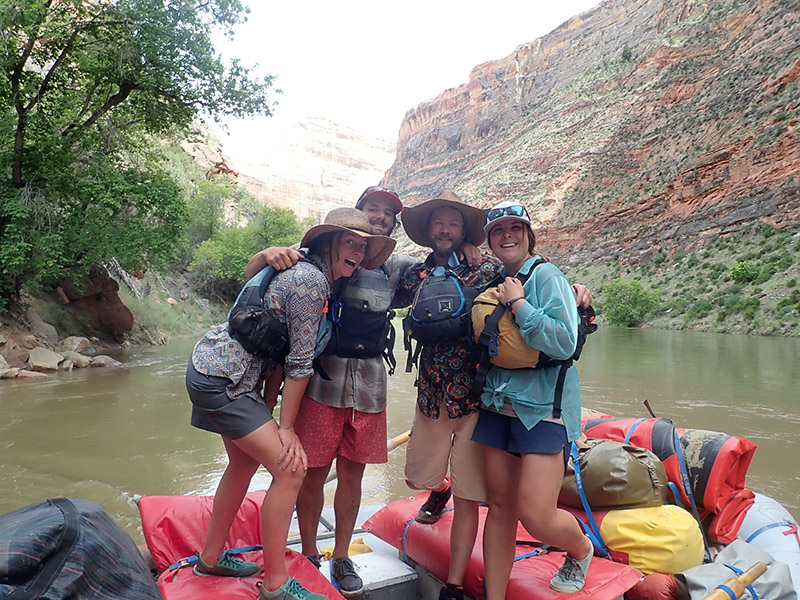
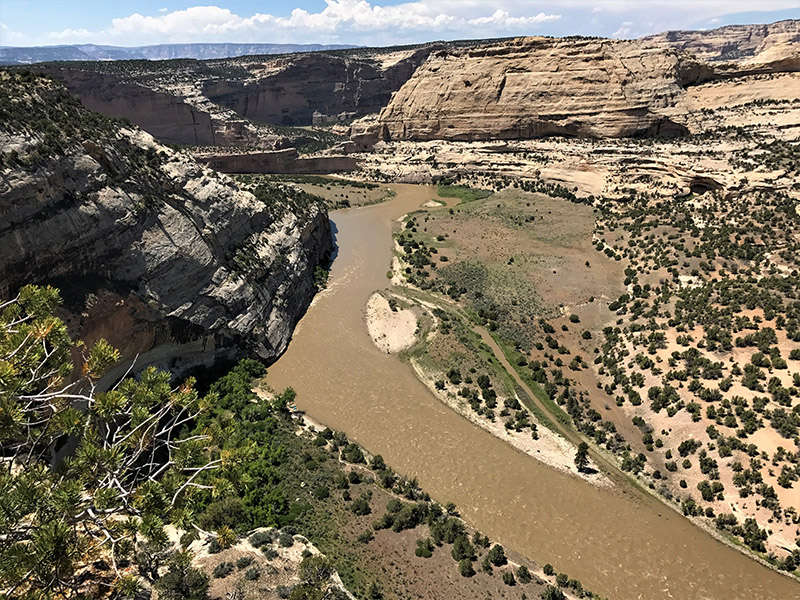
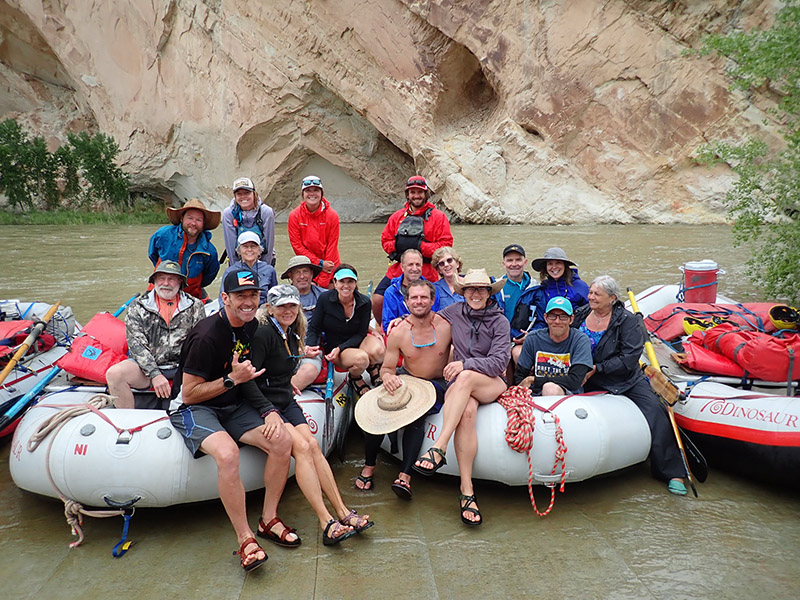
 Most people know Dinosaur National Monument for its famous fossil quarry—the incredible wall of ancient bones that draws visitors from around the world. But the monument’s 210,000 acres hold something even more remarkable: two of America’s wildest rivers carving through canyon country that looks much as it did when explorer
 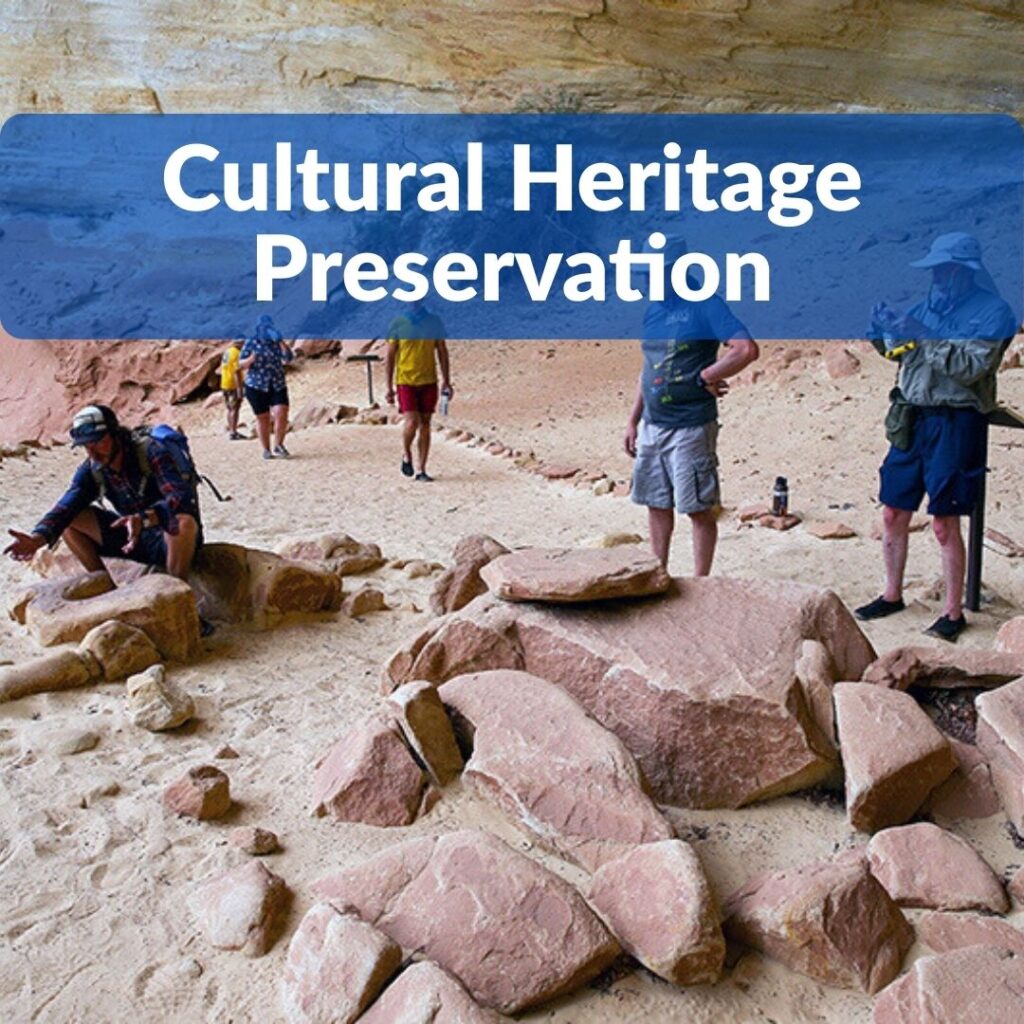 Human presence in the monument dates back at least 7,000 years. The Fremont people left extraordinary archaeological evidence throughout the canyons: petroglyphs depicting bighorn sheep and geometric patterns, pictographs painted with mineral pigments, and structural remains of dwellings and storage sites.
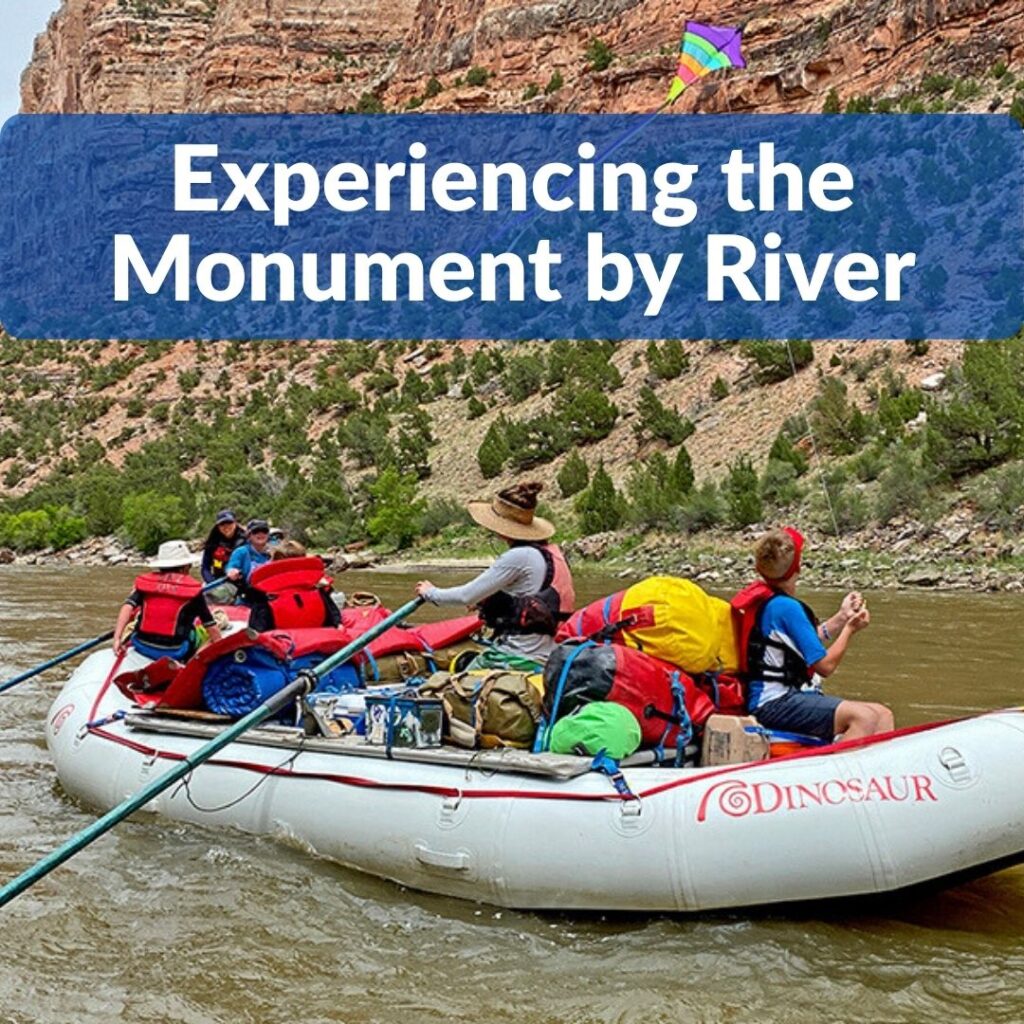 You can drive to overlooks and glimpse the canyons from above. But you can’t understand Dinosaur National Monument without experiencing it from the river.
 When people experience the monument through responsible recreation, they create economic value that supports conservation. River trips generate income for local communities, create jobs, and demonstrate that wilderness has economic worth beyond extractive uses.


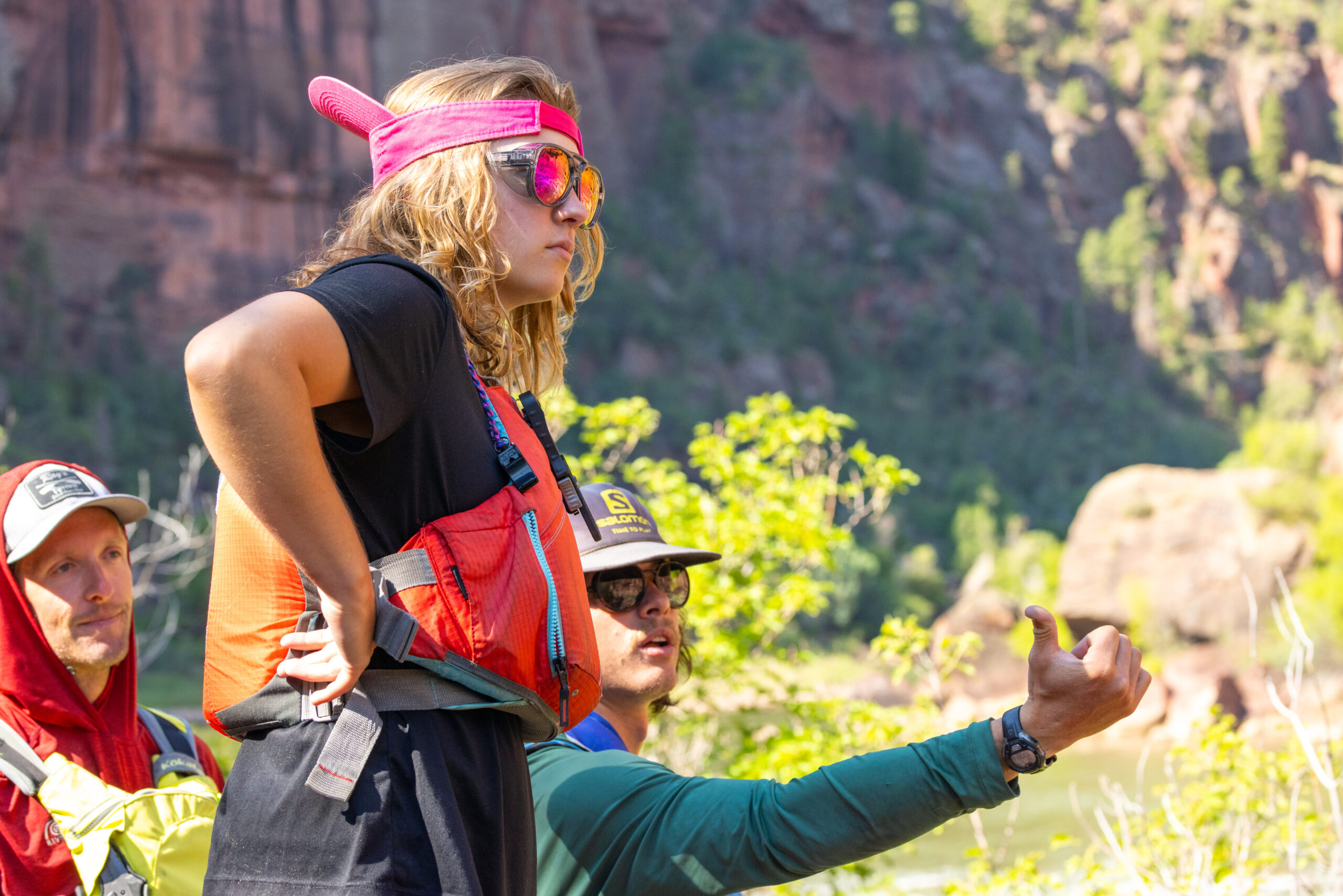
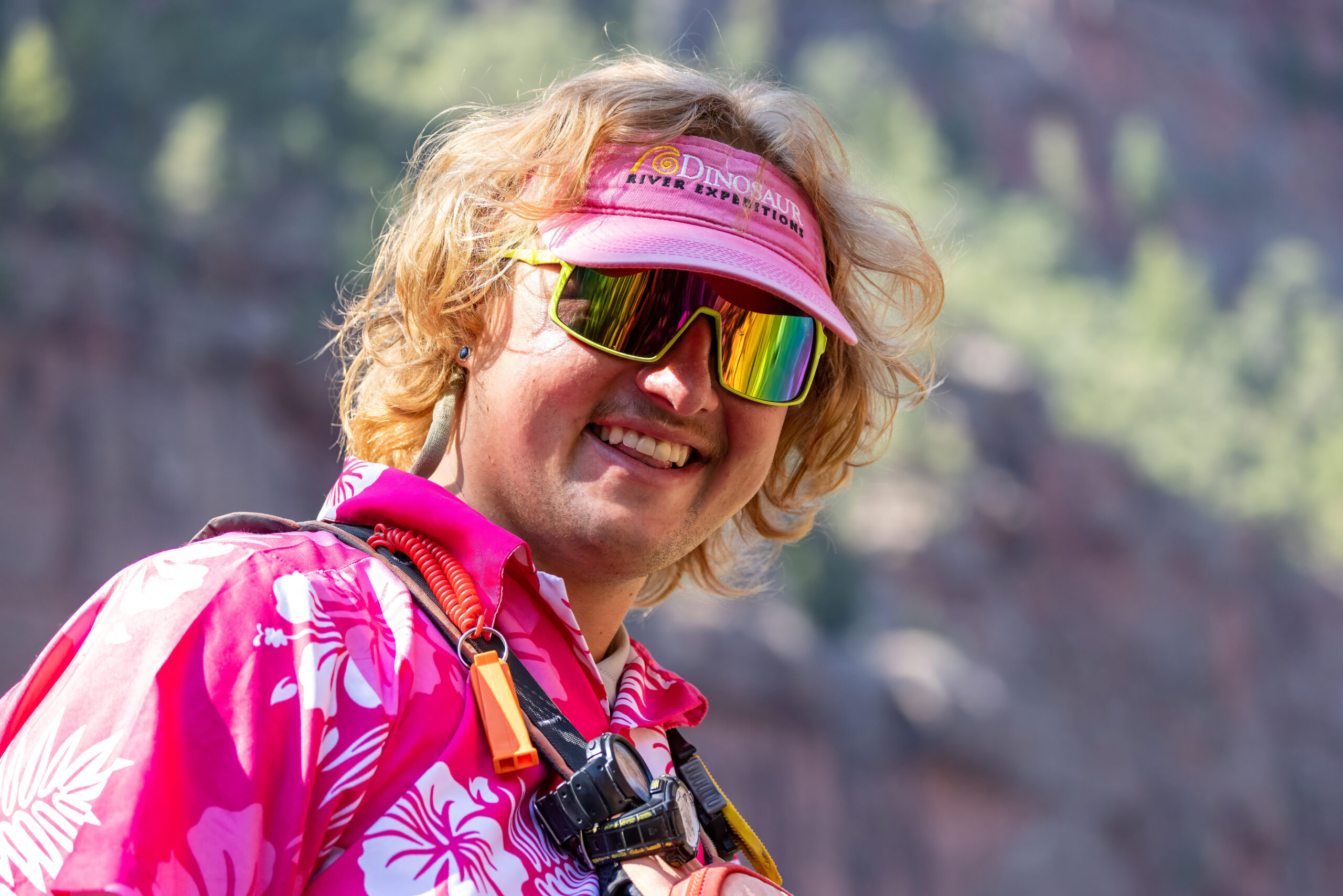
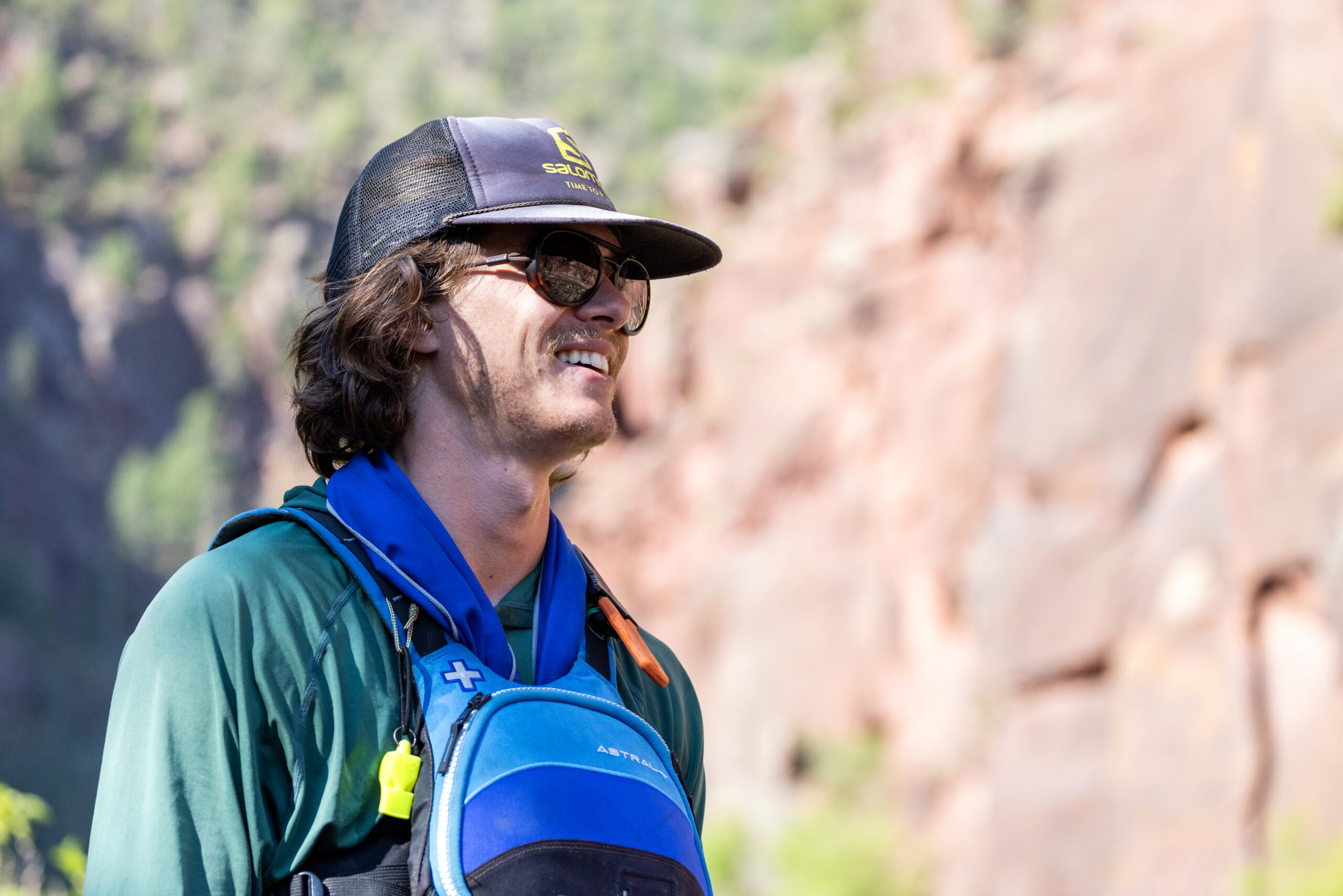


 The Colorado River – Scenic Floats and Overnight Adventures
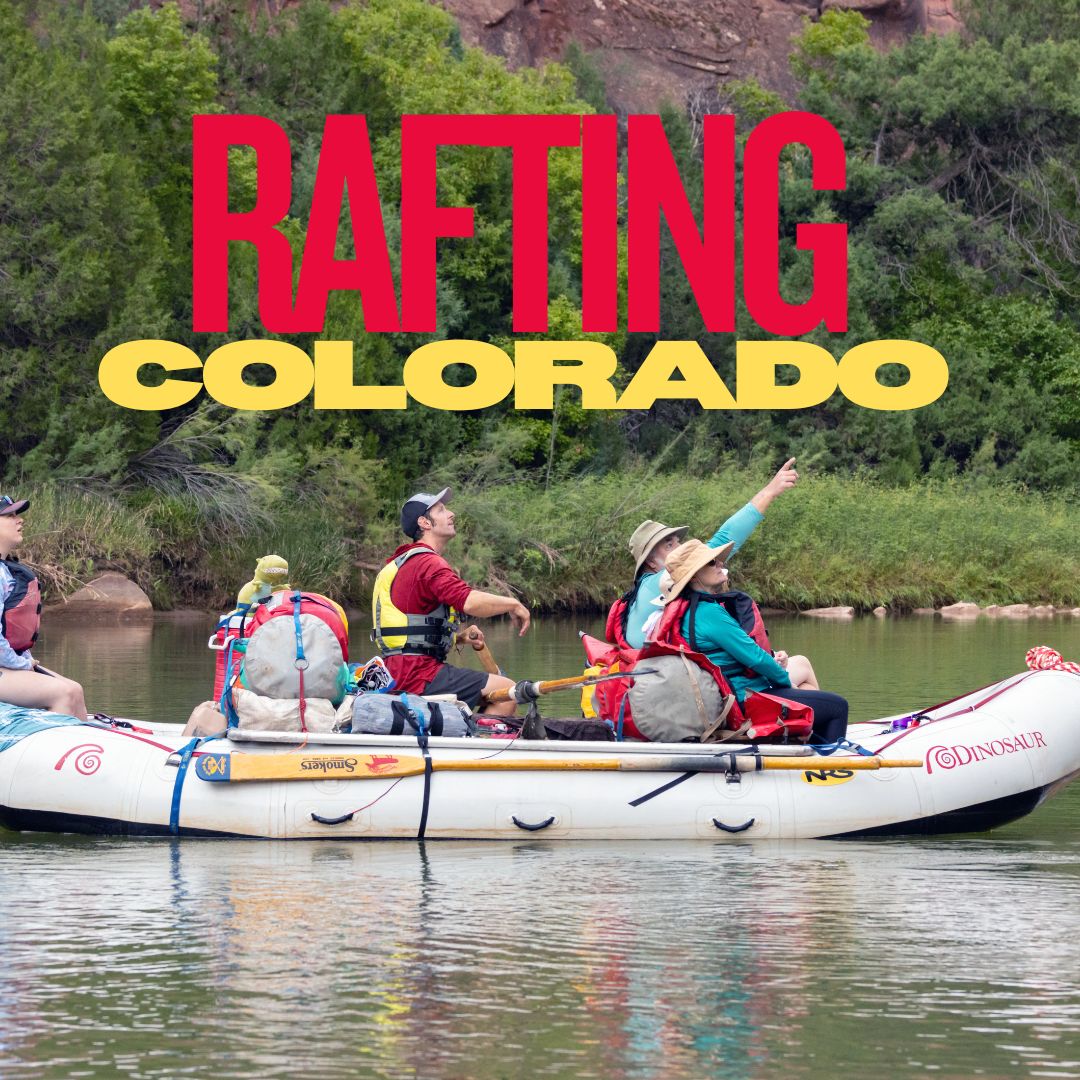 Guide Certification and Safety Standards
 Choose the Adventure That’s Right for You in Colorado
 Exploring the wild waters of Colorado is an exhilarating experience that connects adventurers to both breathtaking landscapes and thrilling rapids. At Dinosaur River Expeditions, we invite you to uncover the magic of a river rafting adventure like no other.
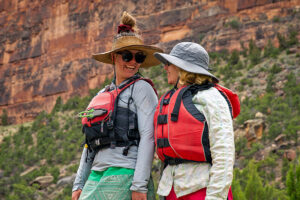
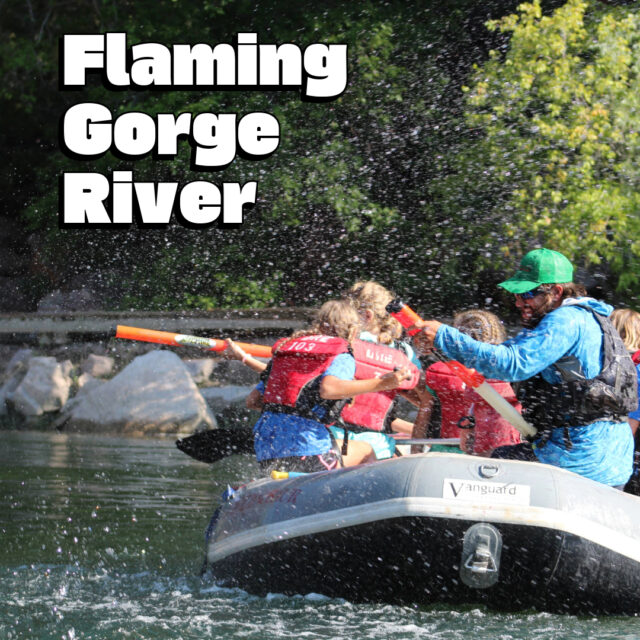
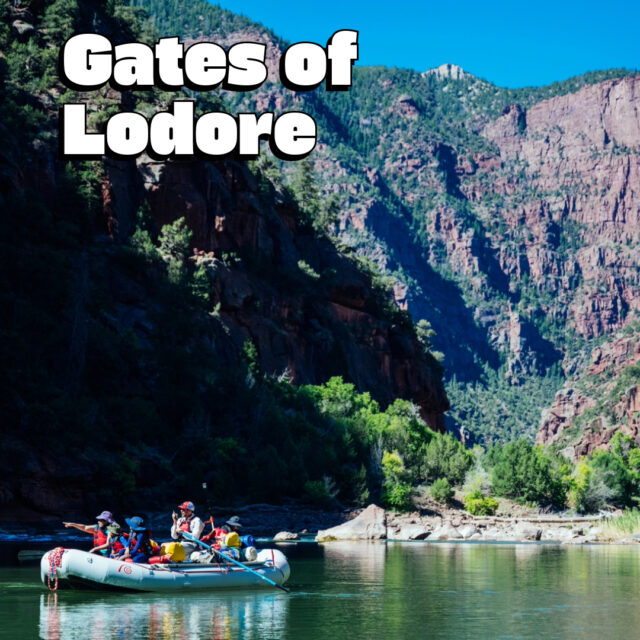
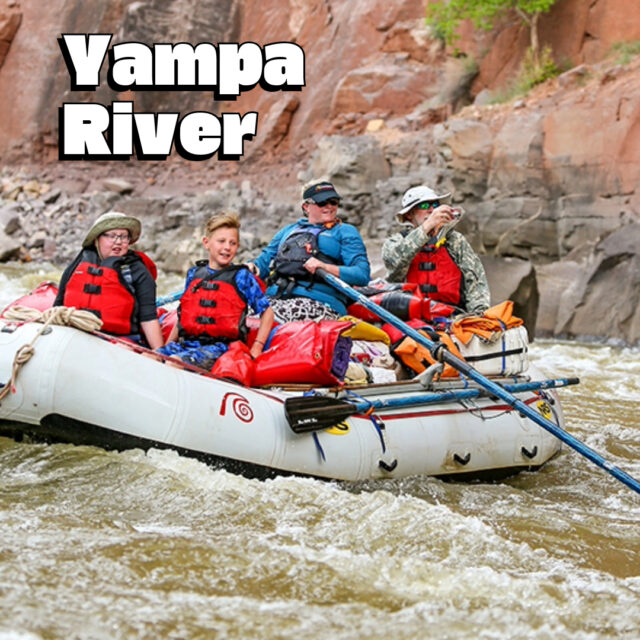
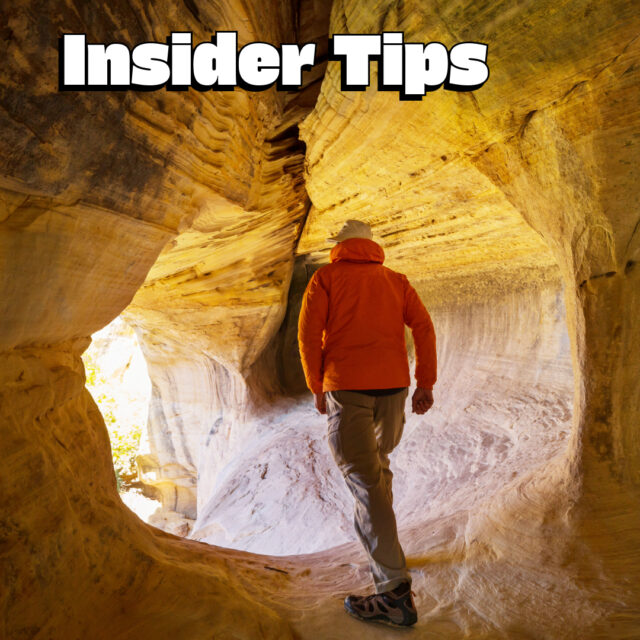 As a local river guide, I’m excited to share with you the best ways to complement your Rafting in Utah adventure. Venture beyond the river and uncover the unique charm of our region.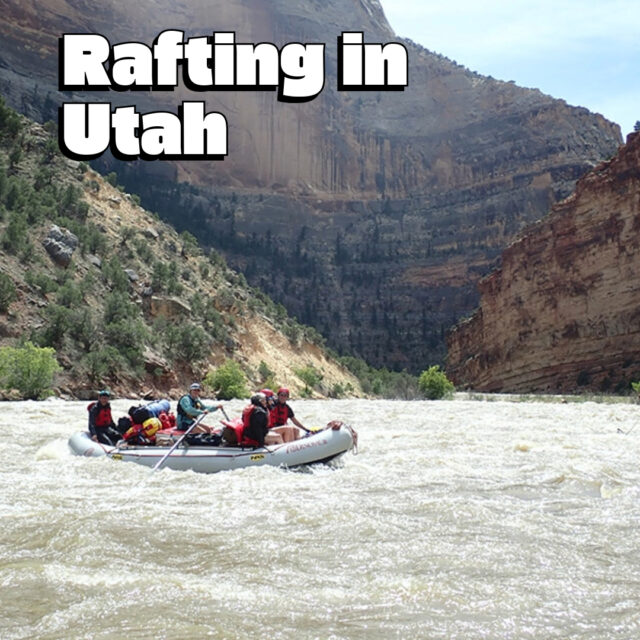
 Quarry Exhibit Hall Experience a mesmerizing walk through history at the Quarry Exhibit Hall. Here, you’ll encounter a remarkable wall embedded with over 1,500 dinosaur bones, providing a rare glimpse into a bygone era. This exhibit showcases
  Harpers Corner Trail For those seeking breathtaking vistas, the Harpers Corner Trail is a must-see. Spanning 3 miles round-trip, this trail offers unparalleled views where you can observe the majestic confluence of the Green and Yampa Rivers. As you ascend, the surrounding canyons unfold in a panorama of rugged beauty and serenity—perfect for photography enthusiasts and nature lovers alike.
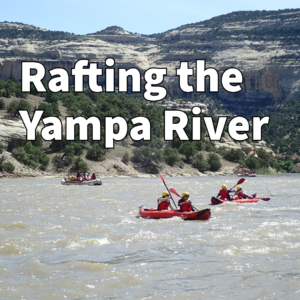 Guided Trips by Dinosaur River Expeditions For an adrenaline-pumping experience, rafting the Yampa River is unparalleled. Dive into thrilling rapids and bask in the stunning natural beauty with a guided expedition from Dinosaur River Expeditions. As the only locally owned
 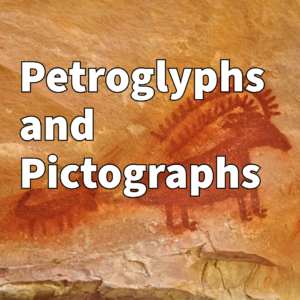 McKee Spring Petroglyphs Unravel the stories etched into stone by ancient civilizations at the McKee Spring Petroglyphs. Located near the Utah border, these intricate carvings crafted by the Fremont people depict fascinating anthropomorphic figures and geometric designs. Visiting this site is like stepping into a time machine, where the silent artworks whisper tales of life from centuries ago.
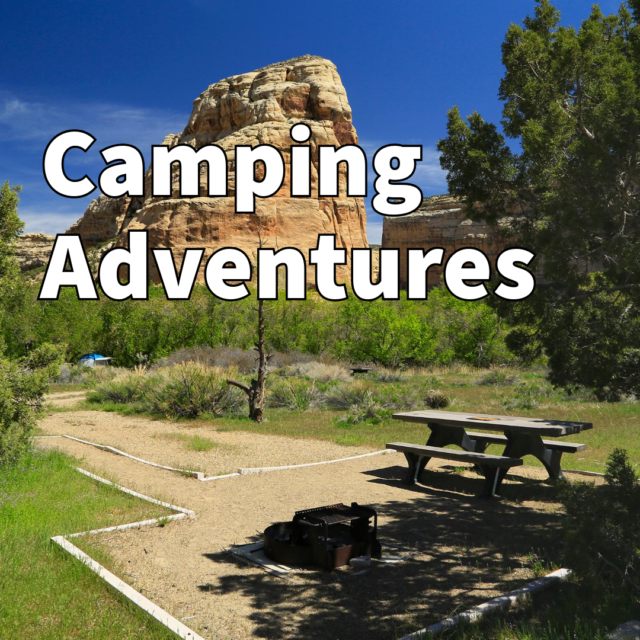 Green River Campground Nestled close to the sounds of the river, the