Book Today!!

Dinosaur National Monument Rafting

Inside Dinosaur National Monument: Why This Protected Wilderness Matters

Dinosaur National Monument RaftingMost people know Dinosaur National Monument for its famous fossil quarry—the incredible wall of ancient bones that draws visitors from around the world. But the monument’s 210,000 acres hold something even more remarkable: two of America’s wildest rivers carving through canyon country that looks much as it did when explorer John Wesley Powell first documented it in 1869.

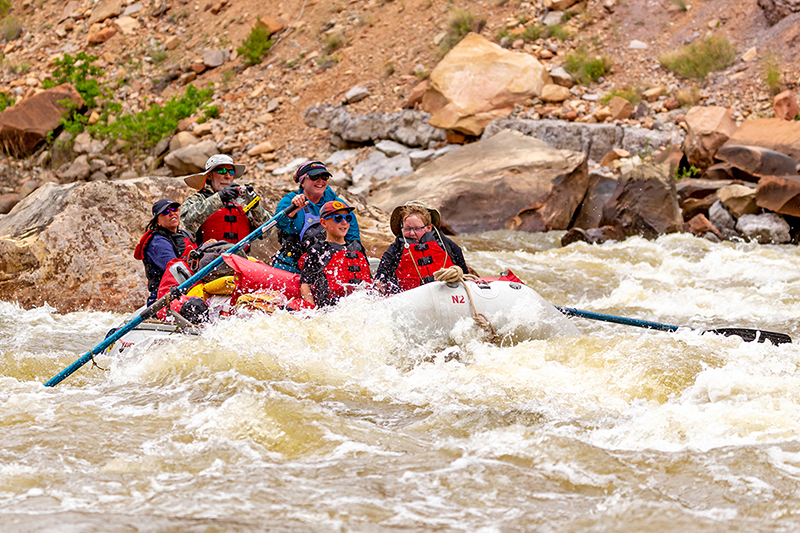
Dinosaur National Monument rafting provides access to wilderness that most visitors never see. While tens of thousands tour the fossil exhibit each year, only a fraction experience the monument’s heart: deep canyons, free-flowing rivers, ancient archaeological sites, and ecosystems that exist nowhere else on earth.

Understanding Dinosaur National Monument

More Than Dinosaurs

President Woodrow Wilson established Dinosaur National Monument in 1915, initially to protect the extraordinary fossil deposits at the Carnegie Quarry. But the monument expanded dramatically in 1938 to encompass the canyons of the Green and Yampa Rivers.

Today, the monument straddles the Utah-Colorado border, protecting a landscape of remarkable geological, archaeological, and ecological significance. The dinosaur fossils that give the monument its name represent only one chapter in a story spanning hundreds of millions of years.

The Canyon Country

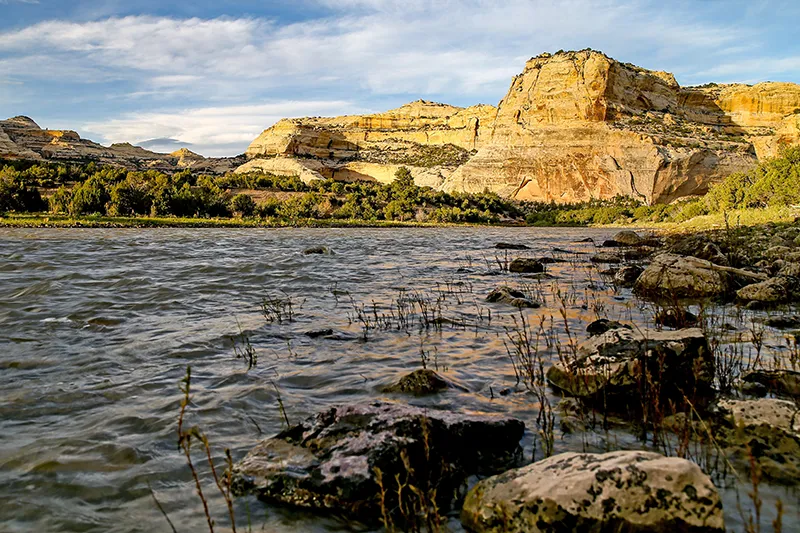
The Green River enters the monument through the Gates of Lodore—towering cliffs that mark the beginning of a 44-mile journey through some of the West’s most spectacular canyon country. Further east, the Yampa River flows 72 miles through its own dramatic canyons before joining the Green at Echo Park.

These canyons expose geological layers representing 300 million years of Earth’s history. Ancient seas, massive deserts, and shifting tectonic plates all left their marks in the rock. The rivers continue the work they’ve done for millennia: carving deeper, revealing older layers, slowly transforming the landscape.

Why Protected Wilderness Matters

A Refuge for Endangered Species

Dinosaur National Monument provides critical habitat for species found nowhere else. Four endangered fish species—Colorado pikeminnow, razorback sucker, humpback chub, and bonytail—survive in these rivers.

These ancient fish evolved over millions of years in wild, free-flowing rivers. They cannot adapt to the controlled flows of dammed rivers that dominate the Colorado River system. The Green and especially the Yampa (the last major undammed tributary) offer some of their final refuges.

Beyond fish, the monument protects bighorn sheep, river otters, golden eagles, peregrine falcons, and countless other species. The diverse habitats—from riverside wetlands to high desert plateaus—support remarkable biodiversity in an otherwise harsh landscape.

Cultural Heritage Preservation
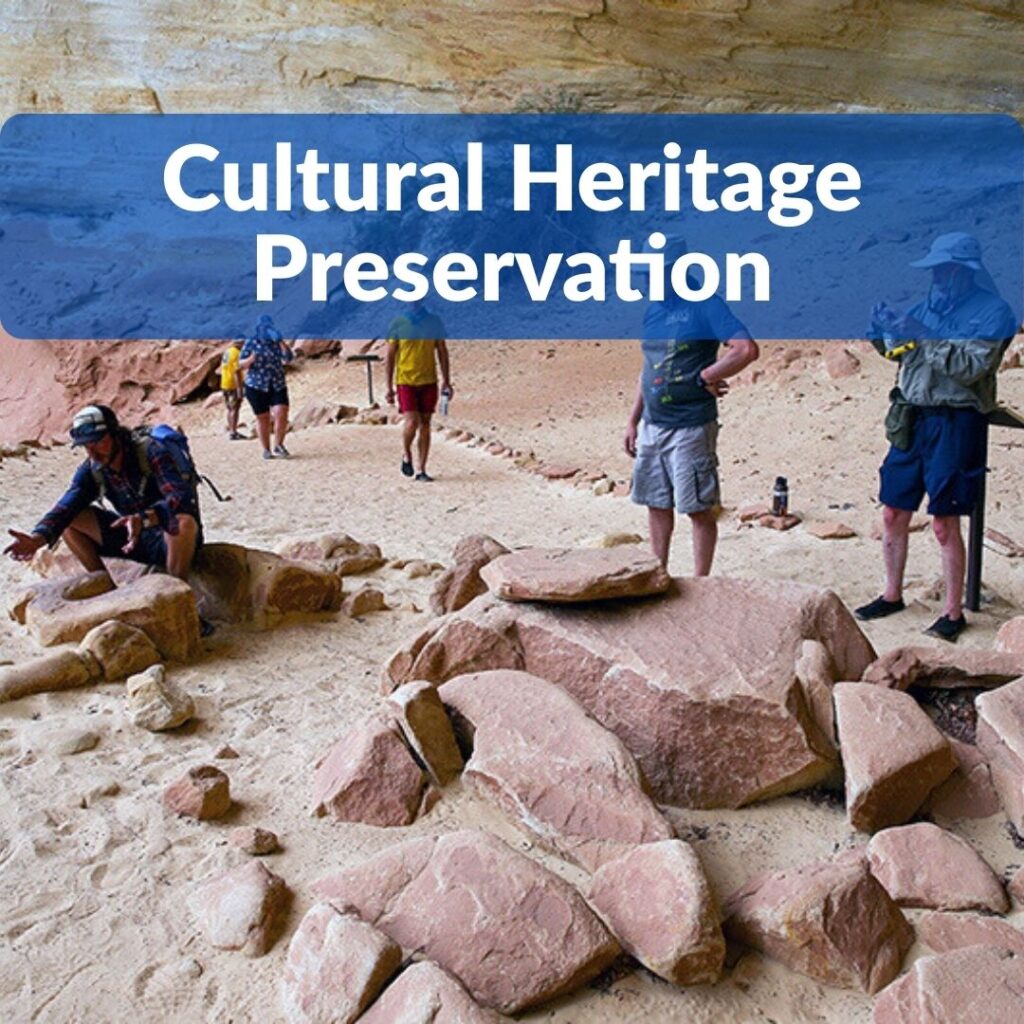
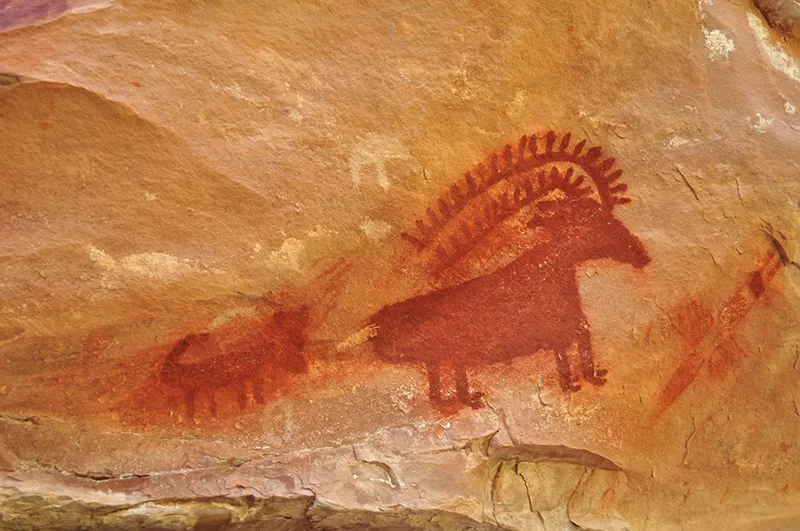
Dinosaur National Monument Cultural Heritage PreservationHuman presence in the monument dates back at least 7,000 years. The Fremont people left extraordinary archaeological evidence throughout the canyons: petroglyphs depicting bighorn sheep and geometric patterns, pictographs painted with mineral pigments, and structural remains of dwellings and storage sites.

These 700-year-old artworks survive because of the monument’s protected status. Without protection, vandalism, theft, and inadvertent damage would destroy sites that represent irreplaceable cultural heritage.

On Dinosaur National Monument rafting trips, guides lead visitors to carefully selected archaeological sites, explaining their significance while emphasizing the importance of preservation. This educational component transforms ancient art from curiosities into profound connections with past peoples.

Geological Laboratory

Scientists study the monument’s exposed rock layers to understand Earth’s history. The formations visible in canyon walls tell stories of ancient oceans, vast deserts, and the tectonic forces that shaped western North America.

The Weber Sandstone, Lodore Formation, and other geological features accessible throughout the monument provide textbook examples of processes that occurred hundreds of millions of years ago. Protection ensures these formations remain available for research and education.

The Permit System: Managing Access

Why Permits Matter

Dinosaur National Monument operates under a permit system for commercial river trips. This isn’t bureaucratic inconvenience—it’s essential wilderness management.

Limiting the number of people on the rivers at any time protects the resource. Too many visitors create environmental damage: eroded campsites, disturbed wildlife, overwhelmed human waste management, and diminished wilderness character.

The permit system ensures that when you experience Dinosaur National Monument rafting, you encounter genuine wilderness. You’re not navigating crowded rivers or camping on overused beaches. You’re experiencing protected landscape as nature designed it.

Working Within Limits

Dinosaur River Expeditions operates as an authorized concessionaire of the National Park Service, BLM, and Forest Service. This authorization comes with responsibilities: following Leave No Trace principles, limiting group sizes, adhering to designated campsites, and maintaining professional standards.

These requirements protect the resource while ensuring quality experiences for visitors. When you choose a permitted outfitter, you’re supporting sustainable recreation that doesn’t compromise wilderness values.

Comparing Dinosaur to Other National Parks

Solitude vs. Crowds

Popular national parks like Yellowstone, Yosemite, or Grand Canyon receive millions of visitors annually. Crowding degrades the experience—you view geysers surrounded by hundreds of people, photograph famous vistas competing with crowds, and reserve campsites months in advance.

Dinosaur National Monument receives roughly 300,000 visitors per year—and most never venture beyond the fossil quarry and a few roadside viewpoints. The river canyons remain genuinely wild, accessed only by those willing to commit to multi-day expeditions.

This means Dinosaur National Monument rafting delivers something increasingly rare: solitude in spectacular landscapes. For days at a time, you might encounter no one outside your group. The wilderness feels authentic because it is authentic.

Accessibility and Preservation Balance

The monument balances public access with resource protection more successfully than many parks. The fossil quarry provides easy access for those unable to undertake wilderness travel. But the rivers remain wild, requiring significant commitment to experience.

This two-tier approach works. It allows diverse visitors to connect with the monument at appropriate levels while preserving true wilderness for those seeking complete immersion.

Experiencing the Monument by River

Why Rivers Reveal the Truth
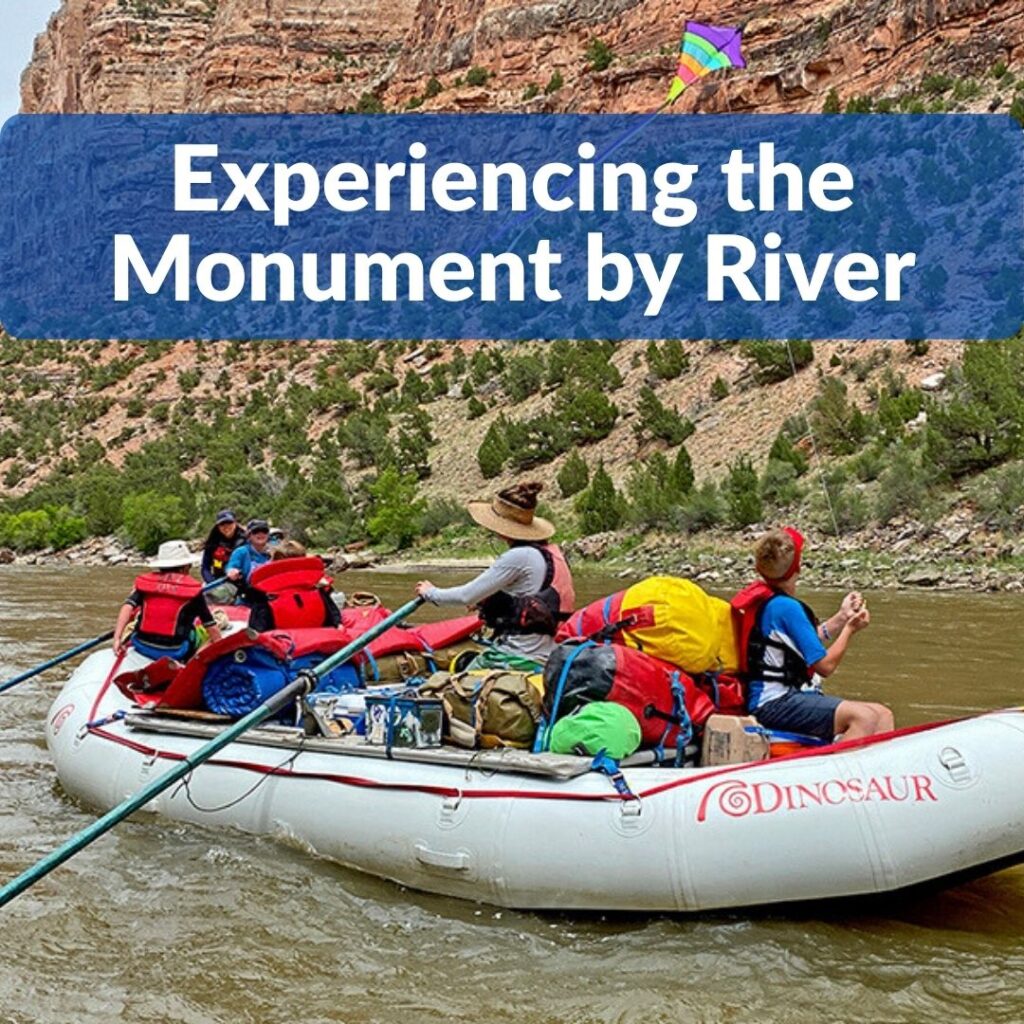
experience Dinosaur National Monument RaftingYou can drive to overlooks and glimpse the canyons from above. But you can’t understand Dinosaur National Monument without experiencing it from the river.

River travel provides immersion that roadside viewing can’t match. You feel the canyon’s scale. You notice details invisible from rim viewpoints: the way light changes on cliff faces throughout the day, the subtle variations in rock color revealing different formations, the hidden side canyons accessible only by water.

Most importantly, you experience the monument’s wildness. Camping on beaches untouched by roads, swimming in pools no development threatens, sleeping under dark skies unpolluted by artificial light—these experiences connect you to wilderness in ways that day visits simply cannot.

The Educational Advantage

Professional guides on Dinosaur National Monument rafting trips function as interpreters, explaining what you’re seeing and why it matters. They point out geological features, identify wildlife, share cultural history, and discuss conservation challenges.

This interpretation transforms scenery into understanding. You don’t just see pretty cliffs—you comprehend the 300-million-year story they tell. You don’t merely spot bighorn sheep—you understand their ecological role and conservation status.

Conservation Challenges Facing the Monument

Water Rights and Flow Management

The Green and Yampa Rivers flow through one of America’s driest regions where water rights create constant conflict. Agriculture, energy development, and growing populations all demand water from the Colorado River system.

Proposals to dam the Yampa River have appeared repeatedly throughout history. So far, conservation efforts have preserved its free-flowing status. But threats continue, and the monument’s rivers remain vulnerable to upstream water diversions that would alter flows and damage ecosystems.

When you experience Dinosaur National Monument rafting on the Yampa, you’re witnessing something that may not last forever. Each trip documents a disappearing experience and creates advocates for preservation.

Climate Change Impacts

Changing climate patterns affect everything about the monument. Reduced snowpack means lower river flows. Temperature shifts alter plant and animal distributions. Increased drought stress threatens riparian ecosystems.

The endangered fish species that depend on these rivers face additional challenges as warming waters and altered flows make survival even more difficult. Scientists study these changes within the monument, using it as a laboratory to understand broader climate impacts.

Visitor Impact Management

Even carefully managed recreation creates impacts. Campsites experience erosion. Archaeological sites face accidental damage. Wildlife alters behavior around human presence.

The National Park Service continuously works to minimize these impacts through permit management, designated camping areas, and visitor education. Commercial outfitters like Dinosaur River Expeditions play crucial roles by training guides in Leave No Trace principles and modeling responsible recreation.

Leave No Trace: How We Protect What We Love

The Seven Principles

Dinosaur National Monument rafting operated by responsible outfitters follows Leave No Trace principles rigorously:

1. Plan and Prepare: Proper trip planning prevents problems. Guides know regulations, carry required equipment, and prepare for various conditions.

2. Travel and Camp on Durable Surfaces: Use designated campsites. Avoid trampling vegetation or creating new trails. Set up camps on sand or rock rather than fragile soil.

3. Dispose of Waste Properly: Pack out everything—all trash, all human waste (using portable toilet systems), all food scraps. Leave beaches as pristine as you found them.

4. Leave What You Find: Don’t touch petroglyphs. Don’t collect rocks or artifacts. Don’t alter campsites with structures or trenches. Future visitors deserve the same discovery experience.

5. Minimize Campfire Impacts: Use fire pans to prevent scarring beaches. Burn only driftwood, not living vegetation. Remove all ash and charcoal when leaving.

6. Respect Wildlife: Observe from distance. Never feed animals. Store food properly. Minimize noise that disturbs wildlife.

7. Be Considerate of Other Visitors: Keep groups reasonably quiet. Yield right of way on the river. Don’t monopolize campsites or beaches.

Portable Toilets and Human Waste

The “groover” system—portable toilets that pack out all human waste—represents one of river conservation’s most important innovations. Before groovers became standard, human waste accumulated at popular campsites, creating health hazards and environmental damage.

Now, every Dinosaur National Monument rafting trip carries portable toilet systems. All waste gets packed out to proper disposal facilities. This single practice dramatically reduces impact on wilderness rivers.

How Your Visit Supports Conservation

Economic Arguments for Preservation
Visit Dinosaur National Monument in UtahWhen people experience the monument through responsible recreation, they create economic value that supports conservation. River trips generate income for local communities, create jobs, and demonstrate that wilderness has economic worth beyond extractive uses.

This economic argument matters in policy debates. When communities benefit from wilderness recreation, they’re more likely to support preservation over development.

Creating Advocates

People protect what they love, and they love what they experience. Every person who runs the Green or Yampa Rivers through Dinosaur National Monument becomes an advocate for preservation.

These advocates write letters supporting conservation, vote for pro-wilderness candidates, donate to environmental organizations, and educate others about the monument’s significance. Experiential connection creates lasting commitment to protection.

Supporting Responsible Operators

Choosing permitted, professional outfitters supports sustainable recreation. These operations follow regulations, train guides properly, maintain high environmental standards, and work cooperatively with land management agencies.

When you book Dinosaur National Monument rafting through responsible operators, you vote with your dollars for the kind of recreation that protects resources while providing access.

The Future of Dinosaur National Monument

Ongoing Threats

The monument faces continued pressures: water development proposals, energy extraction adjacent to boundaries, climate change impacts, and funding challenges that affect maintenance and enforcement.

No protected area is permanently safe. Conservation requires constant vigilance and political will to maintain protections against short-term economic pressures.

Reasons for Hope

Despite challenges, Dinosaur National Monument continues thriving. Public support remains strong. Management agencies demonstrate commitment to protection. Organizations like Friends of Dinosaur National Monument work tirelessly to support conservation.

The permit system works—rivers remain in excellent condition despite recreational use. Leave No Trace principles have become standard practice. Archaeological sites receive proper protection and monitoring.

Your Role

Every visitor to Dinosaur National Monument helps determine its future. When you experience it through Dinosaur National Monument rafting, you become part of a community that values wilderness, understands ecology, and supports preservation.

Share your experience. Tell others why the monument matters. Support policies that protect public lands. Return to experience the rivers again, bringing new people who will join the community of advocates.

Planning Your Monument Experience

Ready to experience the wilderness that makes Dinosaur National Monument extraordinary? Visit our Google Business profile to learn more about how we help visitors connect with this protected landscape.

See what guests are saying about their Dinosaur National Monument rafting adventures:

  • Jen was a great guide. Extremely knowledgeable about the plants and animals of the area and an expert guide.

    Brian B Avatar Brian B

    Our large family was disappointed when the day of our rafting trip arrived cold and rainy. We hadn’t prepared ver well for the weather, but the DRE crew hooked us... read more

    Ryan Grange Avatar Ryan Grange
  • We had a blast touring the area with Jackson! Great history of the area and general conversations to boot. Very professional on the water but knew exactly when to let... read more

    Andy Wagner Avatar Andy Wagner

    We did a 1 day rafting trip on 5/26 to Flaming Gorge and had a great time! Our guides were knowledgeable and taught us a lot about the local history... read more

    Sara Dixon Avatar Sara Dixon
  • Top notch guides. We had a great time floating the Green River. Would definitely use them again. Highly recommend!

    Trevor Danielson Avatar Trevor Danielson

    Very organized. Safe. Good equipment. Knowledgeable guides. Timely. Good food. Sandwiches taste good after an hour on the River. Safe for kids. Maybe 6 or 7. Ask them. Shuttle... read more

    ATT GGG Avatar ATT GGG

Find Our Vernal, Utah Location

Frequently Asked Questions About Dinosaur National Monument Rafting

Why is Dinosaur National Monument rafting better than visiting the fossil quarry alone?

While the fossil quarry showcases remarkable paleontological discoveries, it represents only a small fraction of what makes Dinosaur National Monument significant. River trips immerse you in 210,000 acres of protected wilderness, revealing deep canyons, ancient petroglyphs, endangered species habitat, and geological formations spanning 300 million years. The monument’s true character emerges through multi-day wilderness immersion rather than roadside viewing. Most visitors who experience both report that river trips provide far deeper connection to the landscape and understanding of why this wilderness deserves protection. The canyons accessible only by water showcase the monument’s wild heart that road access cannot reveal.

How does the permit system affect my Dinosaur National Monument rafting experience?

The National Park Service permit system limits commercial and private river trips to protect wilderness character and prevent environmental damage. This benefits your experience significantly—you encounter genuine solitude rather than crowded rivers, camp on pristine beaches rather than overused sites, and experience wildlife undisturbed by excessive human presence. Permitted outfitters like Dinosaur River Expeditions must meet professional standards, follow Leave No Trace principles, and maintain group size limits. While permits create booking challenges during peak season, they ensure that when you experience the monument, you’re seeing protected wilderness rather than degraded river corridors like those found on unmanaged waterways.

What endangered species might I see during Dinosaur National Monument rafting?

The monument protects critical habitat for four endangered fish species—Colorado pikeminnow (which can reach six feet long), razorback sucker, humpback chub, and bonytail. While these fish are rarely visible from rafts due to murky water, knowing they survive in these protected rivers adds significance to your journey. You’re more likely to see endangered peregrine falcons hunting along cliffs or protected bighorn sheep populations navigating impossible canyon walls. River otters, though not endangered, are uncommon elsewhere and frequently spotted playing in eddies. Golden eagles soar overhead. The monument’s protected status allows these species to thrive while educating visitors about conservation importance.

Can I visit the archaeological sites in Dinosaur National Monument on my own?

Most archaeological sites within the monument’s river canyons are inaccessible without multi-day rafting trips, and many are protected from public access to prevent damage. The sites accessible during Dinosaur National Monument rafting require guided visits—professional guides know which sites permit visitation, explain proper viewing etiquette, and educate guests about cultural significance. These 700-year-old Fremont petroglyphs and pictographs are irreplaceable cultural resources that vandalism or inadvertent damage could destroy forever. Visiting with permitted outfitters ensures you experience these remarkable sites while protecting them for future generations. Some roadside archaeological sites exist near monument headquarters, but the most spectacular and well-preserved examples require river access.

How does climate change threaten Dinosaur National Monument and its rivers?

Climate change poses multiple threats to the monument’s ecosystems. Reduced snowpack in the Rocky Mountains decreases river flows, particularly affecting the Yampa River’s spring runoff that sustains endangered fish spawning. Warmer water temperatures stress cold-water species adapted to historical conditions. Extended droughts damage riparian vegetation that stabilizes riverbanks and provides wildlife habitat. Altered precipitation patterns may increase flash flooding that erodes archaeological sites. The monument serves as a living laboratory where scientists study these impacts and develop conservation strategies. When you experience Dinosaur National Monument rafting, you witness ecosystems under stress from global changes—making the case for both local conservation and broader climate action. The free-flowing Yampa represents what many rivers once were and what we risk losing without decisive climate response.


What to Expect on Your Multi-Day River Trip

What to Expect on Your Multi-Day River Trip: A Complete Guide to Camp Life

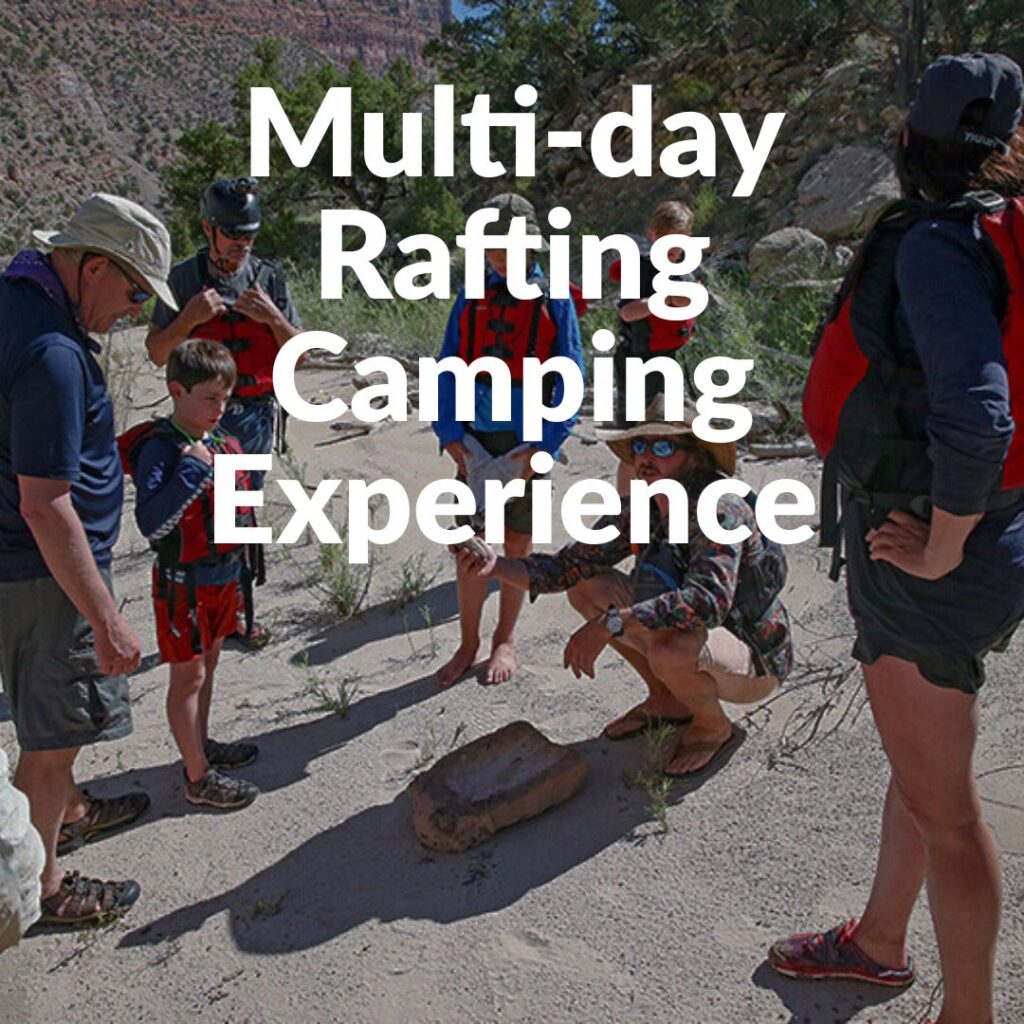
multi-day rafting camping experienceThe biggest question we hear from first-timers isn’t about the rapids. It’s about camping. “What’s it really like?” “Where do I sleep?” “What about bathrooms?” These concerns are completely normal—and once you understand what multi-day rafting camping actually involves, most worries disappear.

Here’s the truth: river camping bears little resemblance to backpacking or car camping. You’re not carrying gear on your back or setting up in a crowded campground. Professional guides handle the logistics while you experience some of the most comfortable and memorable camping you’ll ever do.

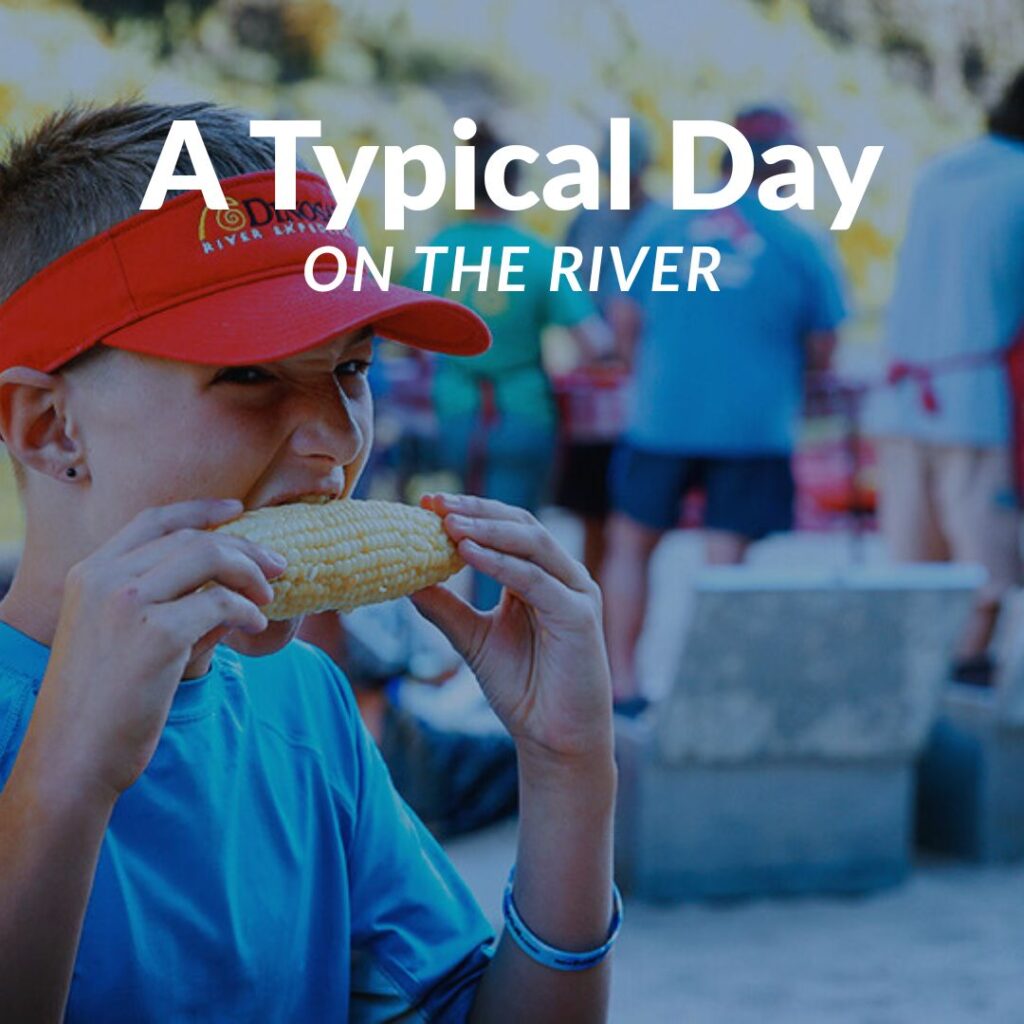
A Typical Day: From Sunrise to Starlight

Morning (6:30-9:00 AM)

You wake naturally as sunlight warms your tent. The smell of fresh coffee drifts from the kitchen area where guides have been working for an hour.

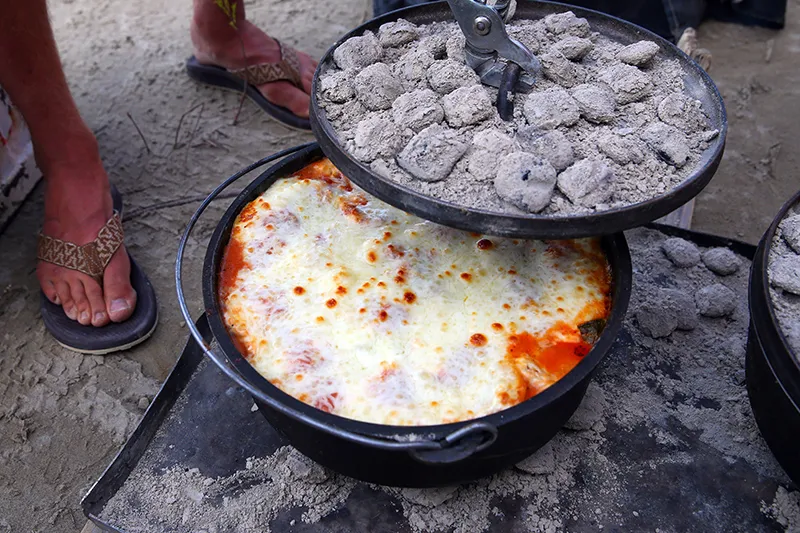
Breakfast on multi-day rafting camping trips isn’t granola bars and instant oatmeal. Think scrambled eggs with cheese, bacon, fresh fruit, and pancakes or French toast. Guides prepare elaborate hot meals using camp stoves and Dutch ovens. One recent guest noted: “There were fresh vegetables throughout the trip and what seemed to me like a lavish cooked breakfast every day.”

While you eat and pack your personal gear, guides break down camp—collapsing kitchen setup, loading rafts, and preparing for the day’s journey. Your only job is to pack your sleeping bag and personal items into the dry bag provided.

On the River (9:00 AM-4:00 PM)

a typical multi-day rafting camping experienceDays vary based on distance and conditions, but most involve 4-6 hours of actual river time with breaks for swimming, hiking, and lunch. The rafts carry everything—no portaging equipment or paddling until exhaustion.

Lunch happens at scenic beaches. Guides set up a buffet-style spread: deli sandwiches with multiple meats and cheeses, fresh vegetables, chips, cookies, lemonade, and water. It’s substantial fuel for afternoon adventures.

Arriving at Camp (4:00-6:00 PM)

Your guide identifies that night’s campsite—usually a sandy beach with spectacular views and afternoon shade. Within 30 minutes of landing, guides transform raw beach into a complete camp.

You choose your tent location, set up your shelter (simple pop-up tents if you’re renting gear), and have time to explore, swim, or simply relax. Many guests grab a camp chair, find a scenic spot, and decompress with a book while guides prepare dinner.

Evening (6:00-10:00 PM)

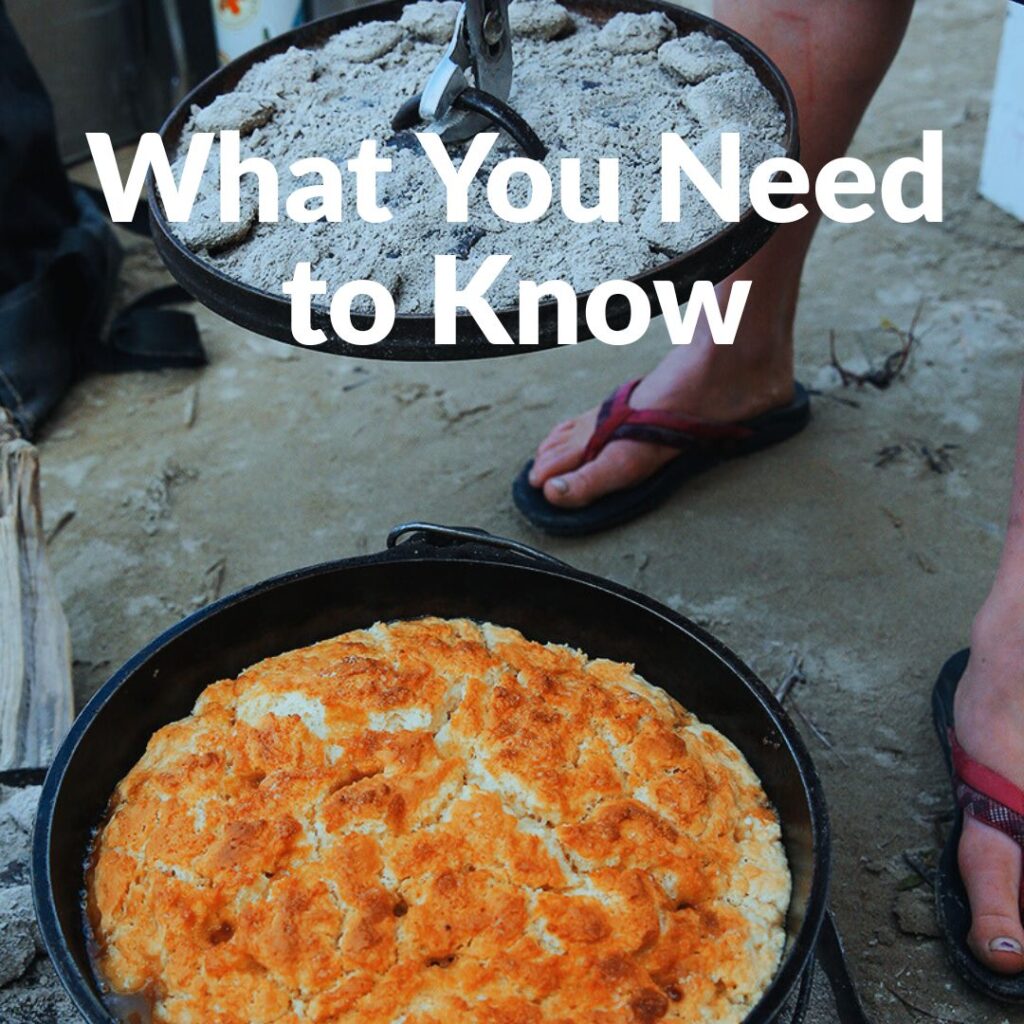
Dinner is the day’s social centerpiece. Guides prepare restaurant-quality meals: lasagna, steak, chicken fajitas, or other substantial entrees accompanied by salads with fresh vegetables and legendary desserts. Dutch oven peach cobbler has achieved near-mythical status among repeat guests.

After dinner, the evening unfolds naturally. Sometimes guides organize games or present educational talks about geology or wildlife. Other nights feature storytelling around campfires—river tales from seasons past, outlaw history, or group conversation as strangers become friends.

With no artificial light pollution, stargazing on multi-day rafting camping trips is extraordinary. The Milky Way stretches clearly overhead. Guides point out constellations and explain astronomical phenomena. Eventually, guests drift to tents for sleep on comfortable river pads, tired from sun and activity.

The Logistics: What You Need to Know

Sleeping Arrangements

multi-day rafting camping experienceYou sleep in your own tent (provided or rental available) on sandy beaches. The sleeping setup includes:

  • Tent: Two or four-person capacity with good rain fly. If you don’t own camping gear, Dinosaur River Expeditions offers sleeping kit rentals ($45 per person) including sleeping bag rated for 20 degrees, river pad, and pillow. Tent rentals are $50.
  • Sleeping pad: Inflatable pads provide cushioning and insulation from the ground. Much more comfortable than you’d expect.
  • Sleeping bag: Choose based on expected nighttime temperatures. Desert canyons cool significantly after sunset even in summer.

Most guests report sleeping remarkably well—the physical activity, fresh air, and absence of urban noise create ideal conditions for deep rest.

Bathroom Facilities

Let’s address this directly since it’s a common concern. River trips use a “groover”—a portable toilet system that’s surprisingly comfortable and private.

Guides set up the groover in a scenic, private location away from camp with a privacy shelter. It’s clean, odorless, and equipped with toilet paper and hand sanitizer. The setup maintains dignity while meeting wilderness regulations that require packing out all waste.

For urination, you typically walk away from camp to appropriate locations. Guides provide guidance on proper practices that protect water quality and respect Leave No Trace principles.

Hygiene and Cleanliness

River camping maintains better hygiene than many people expect:

  • Hand washing: Guides set up hand-washing stations with soap and water at every meal.
  • Bathing: Most guests swim daily, which provides adequate cleaning. For additional washing, use biodegradable soap well away from the river (guides provide specific instructions).
  • Clothes: Quick-dry shirts and shorts work well. Most people wear the same river outfit each day and change into fresh camp clothes each evening.
  • Sun protection: You’ll apply sunscreen multiple times daily. The desert sun is intense, and water reflection amplifies exposure.

Weather Considerations

Desert canyon weather varies dramatically between day and night. Daytime temperatures in summer often exceed 90°F, while nights can drop to 50°F or cooler.

This temperature swing means layering is essential for multi-day rafting camping comfort. You’ll spend days in swimsuits and sun shirts, then add warm layers as the sun sets. Rain is possible but uncommon during peak season. When it does rain, the experience can be magical—storms rolling through canyons create dramatic light and unforgettable memories.

The Food: Better Than You Imagine

If there’s one element of multi-day rafting camping that consistently exceeds expectations, it’s the food. Guides take culinary duties seriously.

Sample menu might include:

  • Breakfast: Eggs with bacon and cheese, pancakes with syrup, fresh fruit, coffee, juice
  • Lunch: Deli sandwiches with turkey, ham, roast beef, plus multiple cheeses, lettuce, tomatoes, condiments, chips, cookies
  • Dinner: Lasagna with salad, or chicken fajitas with all fixings, or steak with roasted vegetables
  • Dessert: Dutch oven peach cobbler, brownies, or other baked goods

Fresh vegetables appear throughout multi-day trips thanks to careful packing and cooler management. Dietary restrictions are accommodated with advance notice—vegetarian, vegan, gluten-free, and allergy-related needs can all be handled.

Water and lemonade are constantly available on rafts during the day. Coffee appears each morning. The volume and quality of food surprises most guests, especially those familiar with typical camping fare.

What Guides Provide vs. What You Bring

Guides Provide:

  • All rafting equipment (boats, oars, life jackets, dry bags)
  • Complete kitchen setup (stoves, cookware, serving dishes)
  • All food and beverages
  • Groover and privacy shelter
  • Hand-washing stations
  • First aid supplies
  • Group camping gear (tables, chairs, shade structures)

You Bring:

  • Tent, sleeping bag, sleeping pad (or rent from outfitter)
  • Personal clothing appropriate for conditions
  • Sun protection (sunscreen, hat, sunglasses)
  • Water shoes or sturdy sandals
  • Personal toiletries and medications
  • Headlamp or flashlight
  • Water bottle
  • Camera and personal items

Specific detailed trip packing lists are provided after booking. The Dinosaur River Expeditions staff answers questions and helps ensure you bring appropriate gear for your specific trip.

The Social Dynamic of Camp Life

Something special happens when people share multi-day rafting camping experiences. Strangers become friends. Families reconnect away from screens and schedules. Groups bond through shared adventure.

Camp creates natural opportunities for connection. Helping someone set up their tent. Sharing stories over dinner. Playing games after meals. Sitting quietly together watching sunset light on canyon walls.

Guides facilitate this community-building while respecting individual needs for solitude. If you want social interaction, it’s abundant. If you prefer quiet time alone, that’s equally respected.

Why Camp Life Beats Hotels

After experiencing river camping, many guests realize something unexpected: they prefer it to hotel stays.

Hotels offer comfort but insulate you from the environment. You see landscapes through windows. You experience nature in controlled doses during day trips. Then you retreat to climate-controlled rooms with television and WiFi.

Multi-day rafting camping immerses you completely. You fall asleep to river sounds and wake to canyon views. You eat meals on beaches that few people ever visit. You experience weather directly—hot sun, cool breezes, occasional rain. You see stars without light pollution.

This immersion creates memories that hotel vacations can’t match. Years later, guests remember specific camps, particular meals, conversations around campfires. The intensity of the experience—living simply in spectacular settings—creates lasting impressions.

Common Concerns Addressed

“I’m not outdoorsy—can I still enjoy this?” Absolutely. You don’t need wilderness skills. Guides handle all technical aspects. Your role is simply to show up, follow basic instructions, and be open to the experience.

“What if I don’t sleep well in tents?” Most guests sleep better than expected due to physical tiredness and fresh air. If sleep is challenging at first, your body adapts quickly.

“I need my coffee in the morning.” Guides provide hot, fresh coffee every morning. Many are coffee enthusiasts themselves and take morning brewing seriously.

“What about staying clean for multiple days?” Daily swimming provides adequate cleaning. Biodegradable soap allows additional washing. Most guests feel surprisingly clean throughout trips.

“Can I charge my phone?” No electrical outlets exist on river trips. Bring fully charged devices and extra batteries. However, most guests find disconnecting from technology enhances the experience.

Visit Us and Plan Your Adventure

Ready to experience the magic of multi-day rafting camping? Visit our Google Business profile to see photos, reviews, and current information.

Here’s what our guests are saying about their experiences:

  • Had an awesome day on the river with some great guides!!! Jacobi is very knowledgeable, entertaining, and safety conscious. Donovan showed us how to stay dry and Jackson showed... read more

    Shane Spor Avatar Shane Spor

    Top notch guides. We had a great time floating the Green River. Would definitely use them again. Highly recommend!

    Trevor Danielson Avatar Trevor Danielson
  • Our experience on the 5 day Yampa river trip was great. The guides ensured that our experiences on the water, in camp, and on hikes were the best. The scenery... read more

    Dave Stangler Avatar Dave Stangler

    Very organized. Safe. Good equipment. Knowledgeable guides. Timely. Good food. Sandwiches taste good after an hour on the River. Safe for kids. Maybe 6 or 7. Ask them. Shuttle... read more

    ATT GGG Avatar ATT GGG
  • We had a blast touring the area with Jackson! Great history of the area and general conversations to boot. Very professional on the water but knew exactly when to let... read more

    Andy Wagner Avatar Andy Wagner

    I took my family (two kids in high school) on a 4 day, 3 night trip through Gates of Lodore to Split Mountain (July 2024) and I cannot say enough... read more

    Joshua Kesler Avatar Joshua Kesler

Find Our Vernal, Utah Location

Frequently Asked Questions About Multi-Day River Camping

Do I need camping experience for multi-day rafting trips?

No camping experience is necessary. Guides handle all camp setup, cooking, and logistics. Your only responsibility is setting up your personal tent and managing your sleeping gear. Many first-time campers discover they love the experience precisely because professional guides make it easy and comfortable.

What happens if it rains during our multi-day rafting camping trip?

Rain is uncommon during peak rafting season but can occur. Guides are experts at managing wet weather—they’ll help you keep gear dry, adjust camp setup for conditions, and may modify itineraries if necessary. Most guests find that rain adds drama and beauty to the experience. Proper rain gear (included in packing lists) keeps you comfortable, and guides continue preparing hot meals regardless of weather.

How much physical ability do I need for camp life on river trips?

Camp life requires moderate mobility—walking on sand, getting in and out of rafts, and carrying personal gear short distances from boats to tent sites. You don’t need to be athletic, but you should be comfortable with basic physical activity. If you have specific mobility concerns, discuss them with our staff when booking so we can provide appropriate accommodations and recommendations.

Can I bring alcohol on multi-day rafting camping trips?

Yes, guests may bring personal alcohol in moderate amounts. However, you’re responsible for packing it securely and packing out all containers. Glass containers are prohibited due to safety concerns—transfer drinks to plastic bottles or cans. Remember that desert heat and sun amplify alcohol’s effects, so drink responsibly and stay well-hydrated with water.

What’s the shower situation on multi-day river trips?

There are no showers on wilderness river trips. Most guests swim daily in the river, which provides adequate cleaning. For additional washing, you can use biodegradable soap away from the river (guides provide specific locations and instructions to protect water quality). Many guests find they adjust quickly and enjoy the simplicity of river hygiene, while others bring baby wipes for additional freshening up. After 3-5 days, most people discover they feel cleaner than expected and appreciate disconnecting from daily grooming routines.


Family Rafting Trips in Utah

Family Rafting Trips in UtahExciting Family Rafting Trips Options in Utah


Choose from a variety of family rafting trips in Utah:

  • Green River – Flaming Gorge: Perfect for families new to rafting, this gentle yet exciting route includes class II rapids ideal for children as young as five. Experience the thrill of rafting through Flaming Gorge’s towering cliffs and crystal-clear waters—areas famed for their beauty and exceptional trout fishing.
  • Green River Gates of Lodore: Dive into a deeper adventure with our multi-day trip through Lodore Canyon in Dinosaur National Monument. This journey combines exhilarating rapids like Disaster Falls and serene stretches amidst spectacular red rock landscapes—creating memories that will last a lifetime.
  • Yampa River Journey: Opt for thrilling whitewater matched with tranquil sections through the Yampa River, where your family can enjoy the rich history and vibrant wildlife of Dinosaur National Monument.

Family Rafting Trips in Utah

VIP treatment for a Carefree Rafting Experience

Our family rafting trips are all-inclusive, ensuring you have everything needed for an unforgettable adventure. Enjoy gourmet meals crafted from fresh ingredients and rest easy knowing you’ll have comfortable camping setups along the riverbanks each night. Families benefit from our personalized attention—our guides handle all logistics while you focus on fun and family bonding.

Secure Your Family’s Rafting Adventure Today

Ready for an experience your family will cherish forever? Book your family rafting trip in Utah with Dinosaur River Expeditions and let us guide you through the excitement and wonder of Utah’s pristine rivers. Spaces fill quickly—secure yours now and embark on a journey where adventure meets unforgettable family moments.

Why Choose Us for Your Family Adventure?

At Dinosaur River Expeditions, we’re not just any rafting company. Based in Vernal, Utah, we take pride in being locally owned and operated, offering intimate knowledge of the region’s rivers and landscapes. Our family rafting trips provide a unique chance to immerse in breathtaking natural beauty while enjoying the safety and expertise of the most experienced guides in the Green River region.

BOOK NOW

rafting utah family trips


Flaming Gorge Green River Rafting One Day Trips

Experience the Best Green River Rafting Day Trip at Flaming Gorge

Start Your Green River Rafting Day Trip with Dinosaur River Expeditions

A green river rafting day trip on the famous Flaming Gorge stretch in Utah is an ideal way to fill your day with excitement and unforgettable scenery. Dinosaur River Expeditions offers the top-rated guided trips on the Green River, pairing family-friendly rapids with expert local guides. If you’re considering floating the Green River Utah for the first time or want an easy-to-plan, all-inclusive experience, this one-day journey is for you.


Trip Overview: One-Day Flaming Gorge River Rafting

At-a-Glance: Quick Trip Facts

Feature Details
Location Flaming Gorge, Green River, Utah
Duration 1 Day (7 river miles)
Starts/Ends Vernal, Utah
Meeting Time 8:00 a.m.
Start of Float 10:00 a.m.
Rapid Class Class II (easy, splashy)
Best For Beginners, families, kids
Lunch Included (deli sandwich buffet)
Season April through October
Trip Provider Dinosaur River Expeditions

green river rafting day trip 3Why Choose a Green River Rafting Day Trip?
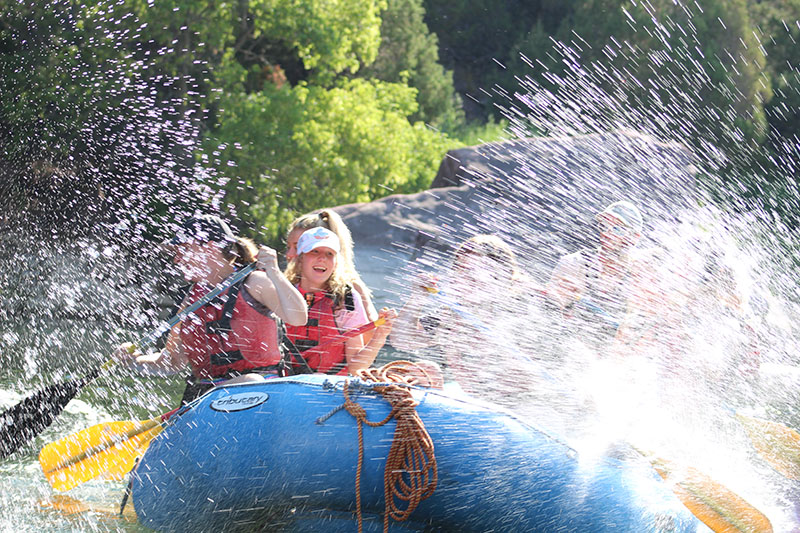
See Utah’s Famous Scenery

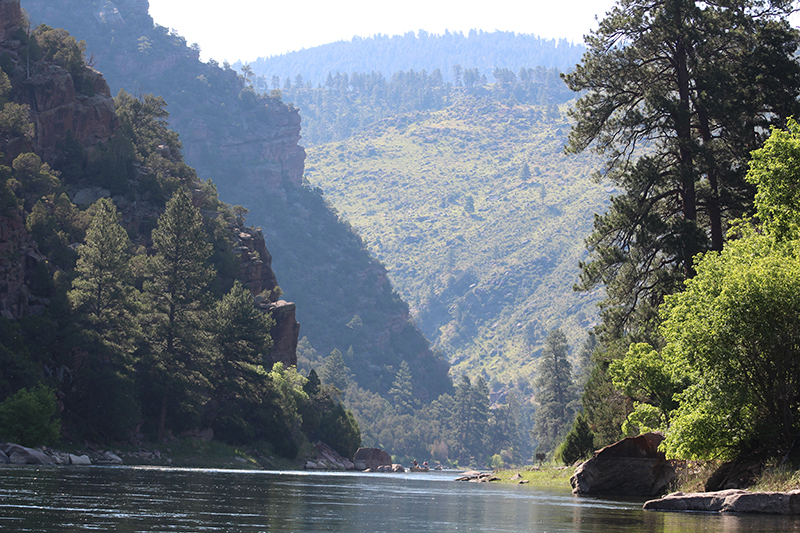
Floating the Green River Utah means drifting past ancient red cliffs, clear blue water, and towering rock formations from the Uinta Mountains. Enjoy peaceful stretches, gentle rapids, and plenty of spots to take in the view.

Family-Friendly Rapids

The route features fun Class II rapids like Bridge Rapid, Mother-in-Law, and Dripping Springs. These aren’t intimidating, so even young children and first-time rafters can enjoy every splash.

Wildlife and Clear Waters

Expect to see mule deer, bighorn sheep, and flocks of birds. Look down: these waters are among the clearest in the West—watch trout swim alongside your raft!


green river utah raftingWhat Makes Dinosaur River Expeditions Special?
Local Expertise and Personal Touch

Dinosaur River Expeditions is the only locally owned and operated outfitter in Vernal, Utah. With decades of experience since 1979, their guides offer fun narrated trips, sharing facts about geology, local wildlife, and river history. They don’t just float Green River—they know it inside and out.

Bucket List and Comfort

Float trips Green River Utah style are relaxing, safe, and memorable. You’ll get all the equipment you need, plus a hearty lunch mid-way. Every part of the day is taken care of from the friendly staff to the endless views.

Flexible Options

If you want to extend the experience, the company also offers two- and three-day Green River float trips, plus multi-day trips through Dinosaur National Monument for the more adventurous.


green river float tripsTypical Itinerary: One-Day Green River Utah Float Trip
Plan for Your Day

  1. Morning Meetup (8:00 a.m.):
    • Meet at our Vernal, Utah location
    • Get fitted with life jackets and safety gear
  2. Shuttle to River (9:00 a.m.):
    • We’ll take care of the transportation to and from the river
  3. River Launch:
  4. On the Water:
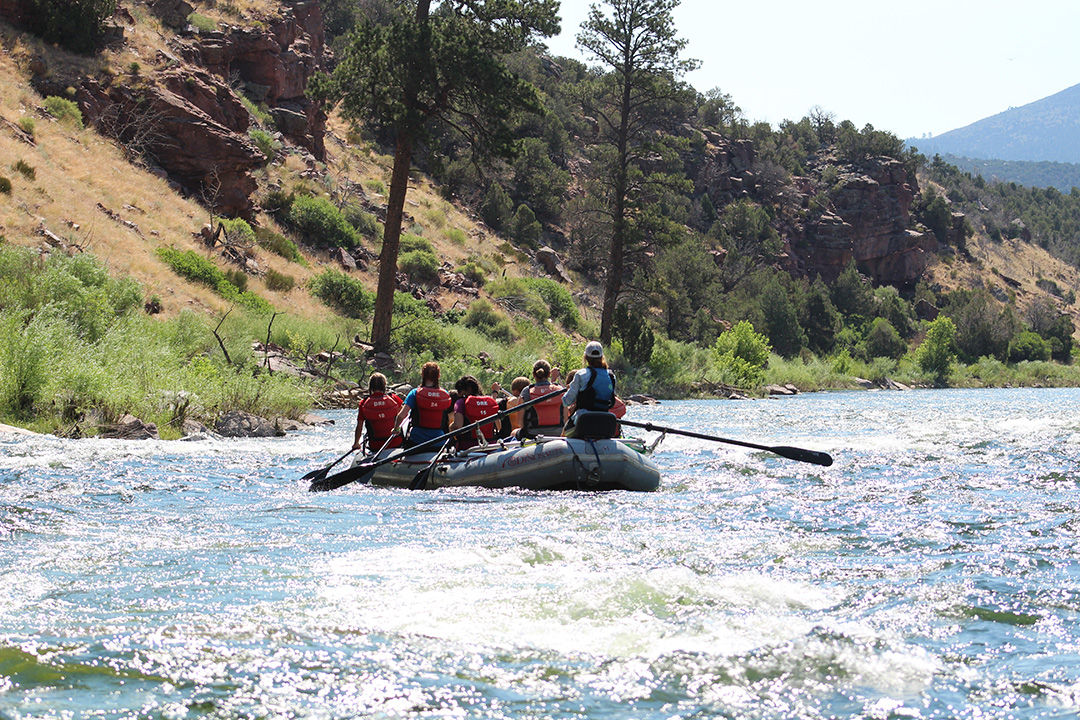
    • Float 7 miles, stopping to explore and learn from guides
    • Enjoy peaceful stretches and sample friendly Class II rapids
    • You’ll have plenty of chances to swim too!
  5. Midday Lunch:
    • Rest and enjoy a delicious deli-style lunch prepared by our guides.
  6. Afternoon Float:
    • More scenic stretches and wildlife sightings
    • See favorite rapids like Mother-in-Law and Dripping Springs
  7. Trip End (2:30-3:00 PM):
    • Arrive at the takeout ramp
    • Shuttle back to our Location in Vernal, Utah
    • Brag to your friends and social media about the amazing experience you just had

float trips green river utahWhat’s Included with Each Flaming Gorge Green River Rafting Trip?
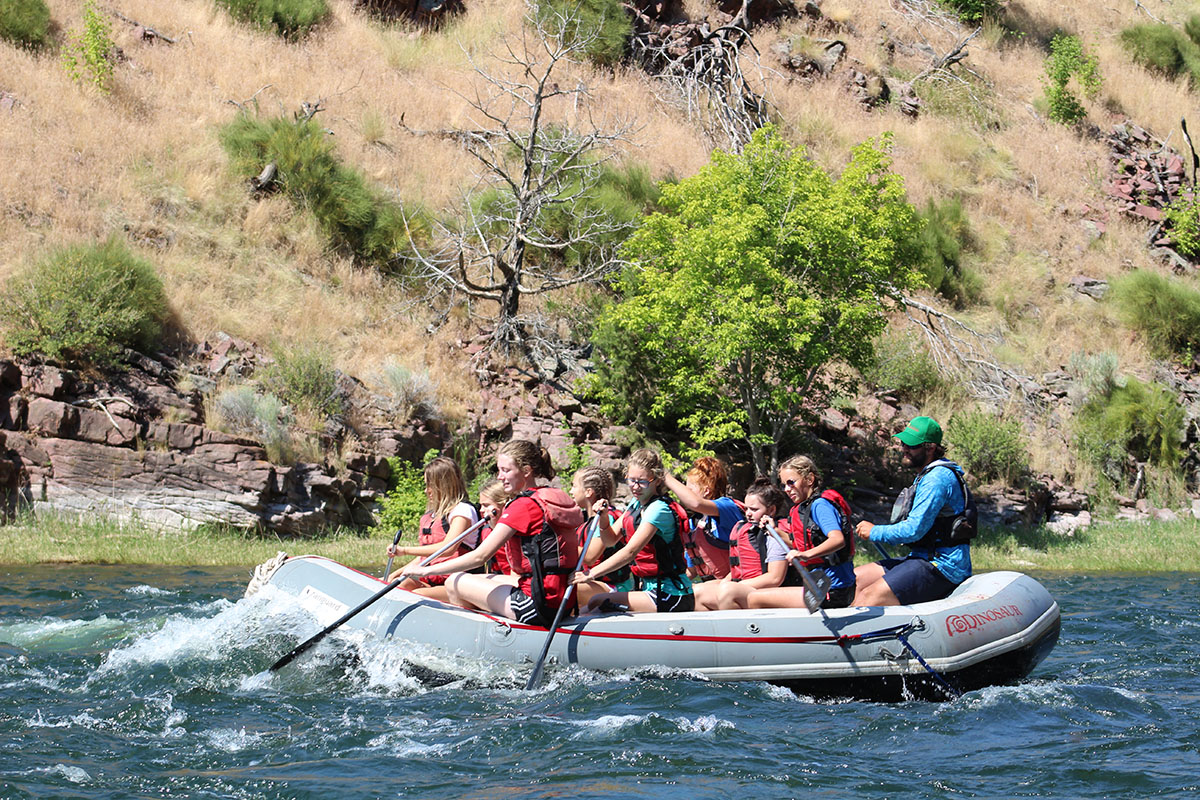
  • Life jackets and river safety gear
  • Licensed guides with local knowledge
  • All transportation from Vernal
  • Deli buffet lunch
  • Historical and wildlife commentary
  • Equipment for paddling or relaxing on the raft

All trips are covered by necessary permits and insurances. Just bring a hat, sandals or water shoes, sunscreen, sunglasses, and a water bottle.


Booking Tips and Availability

Reserve Your Date Early

This is the most popular green river Utah float trip, running April to October. Trips fill up, so book well ahead—especially for weekends and group bookings.


Multi-Day and Custom Float Trips Green River Utah

Looking for longer river fun? Try a two- or three-day float from Flaming Gorge Dam to Browns Park, or extended four- and five-day trips through Gates of Lodore or Yampa Canyon in Dinosaur National Monument. All gear, food, and logistics are provided.


Why Float the Green River with Dinosaur River Expeditions?

Easy, Safe, and Fun

Whether your goal is family fun, fishing access, or crossing a Utah classic off your bucket list, Dinosaur River Expeditions provides safe, expertly managed trips. Guides share local lore and love watching newcomers experience the famous “Green River smile.”


Ready for Your Green River Adventure?

  • Book Your Dates Now
  • Call 1-800-345-7238 to check dates
  • Gather friends and family
  • Pack a camera for unforgettable moments
  • Secure your seat on the ultimate Flaming Gorge river rafting experience—book your Green River rafting day trip with Dinosaur River Expeditions today!

one day rafting trip utah green river (6)FAQ: Flaming Gorge One-Day Rafting Trip Info
Q: Can I rent a raft and float Green River on my own?
A: DIY Green River float trips are possible, but guided trips provide all gear, meals, and safety support, making your day stress-free.

Q: What class are the rapids?
A: Rapids on this section are Class II—perfect for beginners and children.

Q: What should I bring?
A: Bring quick-dry clothes, sunscreen, hat, sunglasses, and water bottle. All safety gear is included.

Q: Are there other trip lengths available?
A: Yes. Multi-day float trips and custom group adventures are available—call for details.


Don’t just hear about it—experience the joy, the splash, and the beauty of a Green River Utah rafting trip for yourself. BOOK NOW with Dinosaur River Expeditions and get ready for a river day you’ll never forget.

Flaming Gorge one day rafting trip flaming gorge rafting trip one day utah rafting flaming gorge utah green river one day guided rafting trip raft the green river in one day one day green river rafting trip


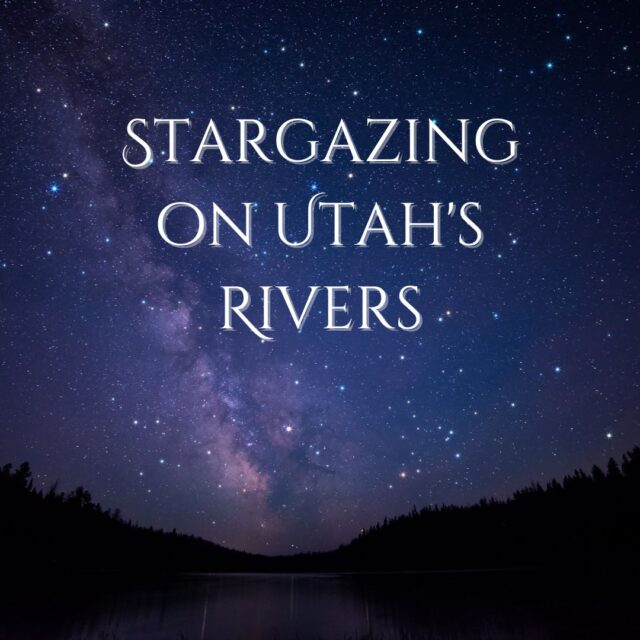
Stargazing on Utah’s Rivers

Combining Night Sky Viewing with Rafting Adventures

Utah River StargazingWhen it comes to adventure, Utah offers more than just its iconic red rock landscapes and thrilling river rapids. It’s also home to some of the darkest skies in the country, making it a prime location for stargazing. But what if you could mix the rush of whitewater rafting with the tranquility of watching the cosmos unfold above you? On a multi-day rafting trip through Utah’s incredible river canyons, you get the best of both worlds: adrenaline-pumping days on the water, followed by peaceful, unforgettable stargazing nights.

If the idea of paddling through quiet canyons and laying back under a sky full of stars sounds appealing, here’s how you can combine these two incredible activities into one perfect outdoor adventure.

Utah River Stargazing Opportunities

Nighttime in many places means reaching for the nearest light switch or stepping into the glow of city lights. But Utah is different. Its vast, remote areas offer some of the darkest, clearest skies in the world, thanks to a large number of designated dark sky parks and remote river canyons.

For rafting enthusiasts, this means an extraordinary bonus. After a day of floating through thrilling river rapids, you can step onto the bank, pitch your tent, and simply look up. Whether you’re a seasoned astronomer or just someone who enjoys looking at the stars, you’ll be treated to crisp, detailed views of constellations, the Milky Way, and, if you’re lucky, meteors streaking across the sky.

The Magic of Utah River Stargazing

Experience the Intersection of Adventure and Celestial Wonder

The thrill of navigating down Utah’s rivers doesn’t end when the sun sets. As the light fades over the canyon walls, a new world unfolds — one where you’ll feel connected to the vastness of space. Being miles away from the nearest city, surrounded by towering cliffs and flowing water, provides an unspoiled view of the night sky, unlike anything you’ll experience in even the darkest suburbs. It’s easy to lose yourself in the stars when there’s so little light pollution interrupting the cosmic show, and Utah’s river trips are perfectly positioned to let you do just that.

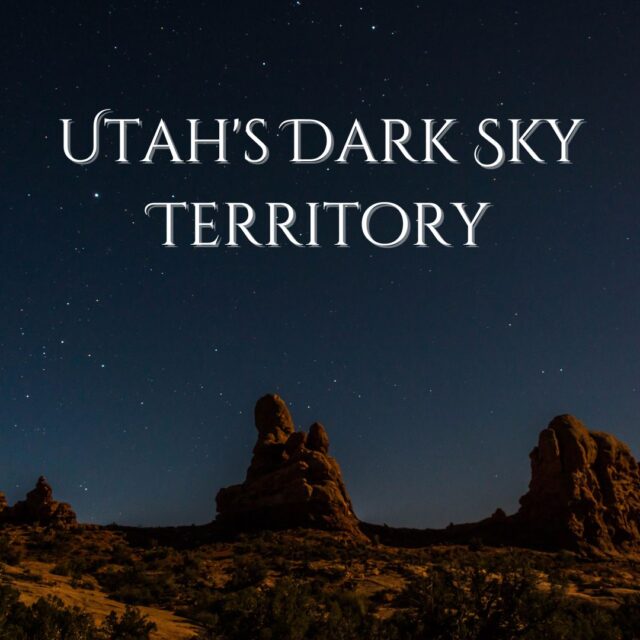
Utah is the State with the Most Dark Sky Parks

utahs dark sky parksBefore you hit the water, why not stop by one of Utah’s designated dark sky parks? These parks are certified by the International Dark Sky Association and are known for minimal artificial lighting and superb stargazing conditions.
Popular Rafting Routes

Utah boasts more International Dark Sky Association-certified areas than anywhere else, so while you’re planning your rafting adventure, consider tagging on a visit to one of these parks. They’re perfect for warming up your stargazing skills before you venture into the heart of Utah’s river wilderness.

Recommended Dark Sky Parks for Rafting Enthusiasts

Here’s a list of dark sky parks you can conveniently visit either before or after your rafting trip:

Utah boasts an impressive array of Designated Dark Sky Parks, offering exceptional stargazing opportunities. Here’s a comprehensive list of Utah’s Dark Sky Parks:

Northern Utah

  • Antelope Island State Park
  • Dinosaur National Monument
  • East Canyon State Park
  • Jordanelle State Park
  • North Fork Park
  • Rockport State Park
  • Steinaker State Park
  • Timpanogos Cave National Monument

Utah River Stargazing Dark Sky

Southeastern Utah

  • Arches National Park
  • Canyonlands National Park
  • Dead Horse Point State Park
  • Goblin Valley State Park
  • Goosenecks State Park
  • Hovenweep National Monument
  • Natural Bridges National Monument
  • Rainbow Bridge National Monument

Southwestern Utah

  • Bryce Canyon National Park
  • Capitol Reef National Park
  • Cedar Breaks National Monument
  • Fremont Indian State Park
  • Kodachrome Basin State Park
  • Zion National Park

These parks have been recognized for their exceptional quality of starry nights and a commitment to protecting the nocturnal environment. Visitors to these locations can experience some of the darkest skies in the United States, perfect for stargazing, astrophotography, and connecting with the wonders of the night sky

Sources:
https://www.visitutah.com/places-to-go/dark-sky-parks

River Canyons: Stargazing as You Drift Along

Why Utah’s River Canyons are Perfect for Stargazing

Utah’s wild river canyons offer more than just plunging vertical walls and roaring rapids — they’re also prime stargazing theaters. These isolated, remote areas often sit far from any manmade lighting, meaning the sky comes alive as soon as the sun dips below the horizon. On a multi-day rafting trip, you’ll camp out under stars so bright and clear you’ll feel like you could reach out and touch them.

Rafting Routes with Epic Stargazing Opportunities

  1. Yampa River Rafting Trip
    • The Yampa River, the last undammed tributary of the Colorado River System, is a true gem. Starting in Deer Lodge, Colorado, our Yampa River whitewater rafting trips take you on an unforgettable 72-mile adventure. Along the way, you’ll encounter breathtaking sandstone cliffs, exhilarating whitewater rapids, scenic campsites, and more. Whether you’re planning a family outing, a group getaway, or a solo adventure, the Yampa River offers an incredible rafting experience for everyone.
  2. Green River – Gates of Lodore Trip
    • From the banks of the Green River in historic Browns Park, Colorado—once home to infamous outlaws Butch Cassidy and the Sundance Kid—you’ll catch your first breathtaking view of Lodore Canyon. Known as the Gates of Lodore, this 44-mile stretch offers some of the finest whitewater rafting in Colorado. Ready for an unforgettable adventure? Your Utah river rafting journey starts here.

Practical Tips for Stargazing During Your Rafting Trip

Preparation makes all the difference in maximizing your stargazing experience. Of course, you’ll be spending plenty of time hitting the rapids, but once the boats are docked for the night, you can settle around a campfire—or lie out near the riverbank—and immerse yourself in the atmosphere.

Plan Your Trip Around the Moon Cycles

For optimal stargazing, plan your trip around the new moon. This will ensure that the skies are at their darkest, giving you a chance to see more stars and celestial objects. Full moons are beautiful but their brightness can wash out fainter stars and deep space phenomena.

Essential Gear for a Comfortable Stargazing Experience

Whether you’re a hardcore astronomer or just want to enjoy the view, having the right gear makes a big difference. Here’s a quick packing list for night-sky comfort:

  • Layers (it gets cooler after sunset, particularly by the river)
  • Blankets or reclining chairs
  • Warm drinks or thermos
  • Green laser pointer for sharing your constellation finds with friends
  • Star charts or stargazing apps like Stellarium or Star Walk 2

Use Stargazing Apps

magic of utah river star gazingApps like Stellarium or Google Sky Map turn your phone or tablet into an interactive stargazing guide. These apps can identify constellations and planets while also pointing out any celestial events happening that night.

Stargazing Etiquette & Photography

For fellow stargazers, minimizing light is a key courtesy. Use red lights instead of white ones to preserve night vision. For those keen to snap some night sky photos, start simple: bring a tripod and use the “night mode” on your smartphone’s camera. You don’t need expensive cameras to capture the magic.

Unique Utah Stargazing Experiences

Riverside Stargazing in Dinosaur National Monument

Many rafting trips pass through Dinosaur National Monument, a location known for its extraordinary dark skies. Nights here are free of light interference, offering razor-sharp views of constellations and even planets as you camp along the river’s edge.

Bryce Canyon National Park: A Dark Sky Festival Destination

If your rafting trip leaves you craving more starry nights, consider extending your stay and visiting Bryce Canyon National Park. Each year, they host an Astronomy Festival packed with stargazing tips, telescopes, and expert talks — a great way to finish your river adventure.

Combining Multi-Day Rafting with Dark Sky Events

Dark Sky Events for Rafting Adventurers

Some dark sky parks also offer special events like astronomy festivals, which you can easily coordinate with your rafting schedule. Consider planning a rafting trip down the Green River, culminating with one of these festivals on your return.

Stargazing in the Evening Camp Routine

The beauty of these multi-day rafting trips is that the pace slows down each evening. After setting up camp, there’s plenty of time to relax by the fire and stretch out beneath the stars. Campsites are carefully chosen to avoid light pollution, so you can stargaze to your heart’s content each night.

The Ultimate Celestial Adventure Awaits

Why Stargazing Enhances the Rafting Experience

The combination of navigating Utah’s thrilling rapids and spending serene nights stargazing can elevate your experience from exciting to extraordinary. Rafting isn’t only about conquering waves — it’s also about embracing the wilderness and connecting with nature on every level, including the night sky.

How to Book Your Stargazing Rafting Adventure

Ready to experience the ultimate rafting and stargazing adventure? Rafting in Utah is a life-changing journey through some of the best natural environments in the world. Floating down the Green River or Yampa River while gazing up at one of Earth’s finest celestial displays? You don’t want to miss this.

Whether you’re paddling through gnarly rapids or soaking in the quiet serenity of the night sky, rafting in Utah combines every element of the perfect adventure. Discover the stars in a way you never have before and enjoy all the natural wonders that Utah’s rivers and dark skies have to offer. Safe travels and clear skies!### Book Your Rafting Trip

Ready to embark on an unforgettable journey combining the thrill of river rafting with the awe-inspiring wonder of stargazing in Utah’s darkest skies? Don’t miss the opportunity to experience this unique adventure. Whether you’re paddling through exciting rapids by day or lying back to gaze at the shimmering stars by night, this is an adventure that promises memories to last a lifetime. Secure your spot on a river rafting trip today by visiting Dinosaur River Expeditions. Book now to ensure your place in this celestial and aquatic odyssey!

FAQs – Utah River Stargazing

  1. What makes Utah a great destination for stargazing on a rafting trip?

Utah is renowned for its vast, remote areas that offer exceptionally dark, clear skies. The state’s many designated dark sky parks and river canyons are far removed from artificial light, providing ideal conditions for stargazing as part of a rafting adventure.

  1. Which Utah river routes are recommended for combining rafting and stargazing?

Popular routes for this combination include the Colorado River through the Grand Staircase-Escalante National Monument and the Green River through Desolation Canyon. These locations are known for both exciting rafting experiences and excellent stargazing conditions.

  1. What should I pack for a comfortable night of stargazing during a rafting trip?

It’s important to pack layers for cool nights, blankets or reclining chairs, warm drinks, binoculars for a closer view of celestial objects, and a stargazing app like Stellarium or Star Walk 2 to help identify stars and planets.

  1. Are there any guided stargazing opportunities or events on these rafting trips?

Some rafting trips or adjacent parks may offer guided stargazing programs or events, such as those held at Dinosaur National Monument or Bryce Canyon National Park’s Dark Sky Festival. It is worth inquiring during the booking process.

  1. When is the best time to plan a rafting trip for optimal stargazing?

Planning your rafting trip around a new moon will provide the darkest skies, giving you the best opportunities for viewing stars and celestial phenomena. It’s also helpful to check for any meteor showers or astronomical events occurring during your planned trip.

Looking for a Utah river stargazing adventure? Journey through dark sky parks and majestic canyons for unforgettable nights under the stars on multi-day rafting trips.

🌌✨ Combine the thrill of Utah’s river rapids with the tranquility of stargazing under some of the darkest skies in the world! Explore the ultimate adventure with a multi-day rafting trip, where adrenaline-filled days turn into serene, starry nights. Ready to experience the best of both worlds? Dive into the cosmos and conquer the waves. #UtahAdventures #Stargazing #Rafting 🌊

🔗 Read the full article!


Things to do Dinosaur National Monument

Nestled between Colorado and Utah, Dinosaur National Monument is a treasure trove of natural beauty and historical marvels. Whether you’re an outdoor enthusiast, a history buff, or an adventurer at heart, there are plenty of things to do Dinosaur National Monument. From thrilling rapids to ancient petroglyphs and story-rich trails, this guide uncovers the best of what the Dinosaur National Monument has to offer.

1. Fossil Viewing: A Journey Back in Time

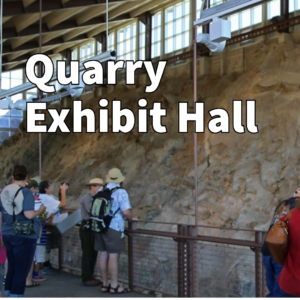
quarry exhibit hallQuarry Exhibit Hall Experience a mesmerizing walk through history at the Quarry Exhibit Hall. Here, you’ll encounter a remarkable wall embedded with over 1,500 dinosaur bones, providing a rare glimpse into a bygone era. This exhibit showcases fossils in their natural setting and offers interactive displays to enrich your understanding of the region’s prehistoric inhabitants.
Fossil Discovery Trail Embark on the Fossil Discovery Trail is a self-guided path that reveals visible fossils along the trail itself. This hike extends around 1.2 miles, making it a manageable and educational adventure for families and fossil enthusiasts. Roam the trail while uncovering layers of ancient marine ecosystems and picture yourself in the awe-inspiring landscape of the distant past.

Uncovering the mysteries of fossil remains offers a window into an ancient world, engaging visitors of all ages with its educational significance and sheer wonder. Whether peering through the lenses of science or simply gazing in awe at these monumental relics, fossil viewing in Dinosaur National Monument is an exploration everyone should experience.

2. Hiking Trails: Embark on Scenic Adventures

Things to do dinosaur national monument like hiking trailsHarpers Corner Trail For those seeking breathtaking vistas, the Harpers Corner Trail is a must-see. Spanning 3 miles round-trip, this trail offers unparalleled views where you can observe the majestic confluence of the Green and Yampa Rivers. As you ascend, the surrounding canyons unfold in a panorama of rugged beauty and serenity—perfect for photography enthusiasts and nature lovers alike.
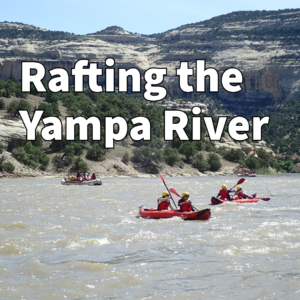
Box Canyon Trail Ideal for families and casual hikers, the Box Canyon Trail is a delightful and shorter hiking option. This trail leads you into a captivating dead-end canyon, where tall rock walls envelop you in a peaceful retreat adorned with natural beauty. The gentle terrain allows for ease, inviting explorers of all ages to enjoy the serene walk.

Dinosaur National Monument’s hiking trails are a window to nature’s wondrous craft, offering immersive experiences amidst diverse landscapes. Whether you’re weaving through canyons or standing atop ridges with a view stretching for miles, these trails beckon all to explore, discover, and marvel at the undisturbed allure of the monument’s vast wilderness.

3. Rafting the Yampa River: An Aquatic Adventure

rafting the yampa riverGuided Trips by Dinosaur River Expeditions For an adrenaline-pumping experience, rafting the Yampa River is unparalleled. Dive into thrilling rapids and bask in the stunning natural beauty with a guided expedition from Dinosaur River Expeditions. As the only locally owned river rafting company in Vernal, Utah, they offer expertise and a personal touch, ensuring your adventure is safe and unforgettable. Whether you’re navigating through rapids or drifting peacefully through serene stretches, each moment on the river promises excitement. To book your unforgettable Yampa River rafting expedition, reach out and make it a highlight of your visit.
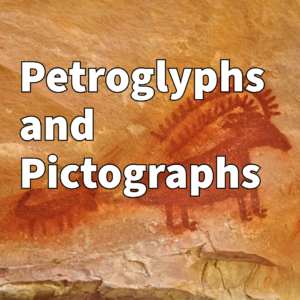
The Yampa River stands as one of the last undammed rivers in the Colorado River system, winding through Dinosaur National Monument with vigor and grace. As you raft, you’ll experience remote wilderness areas teeming with wildlife, majestic canyon walls, and vistas that capture the awe-inspiring essence of the American West. Whether you are a seasoned river runner or a first-time rafter, the Yampa offers something for everyone, making it the perfect adventure for groups, families, or adventurous solo travelers.

4. Petroglyphs and Pictographs: A Glimpse into Ancient Times

petroglyphs in dinosaur national monumentMcKee Spring Petroglyphs Unravel the stories etched into stone by ancient civilizations at the McKee Spring Petroglyphs. Located near the Utah border, these intricate carvings crafted by the Fremont people depict fascinating anthropomorphic figures and geometric designs. Visiting this site is like stepping into a time machine, where the silent artworks whisper tales of life from centuries ago.
Swelter Shelter: Just a short three-mile drive from the Quarry Visitor Center, Swelter Shelter offers a unique blend of petroglyphs and pictographs. Standing before these ancient illustrations, you can imagine the vibrant lives of the early peoples who once called this area home. The site captures the intersection of artistry and history, providing an enriching experience that invites reflection on the region’s cultural heritage.

Exploring these ancient artworks is a visual delight and a poignant way to connect with the past. As you study the details and settings of these petroglyphs and pictographs, you become part of the unending dialogue between humans and their environment, felt most keenly in places that have preserved these cultural treasures for millennia.

5. Junior Ranger Program: Fun and Learning for Young Explorers

Activities at the Visitor Center The Junior Ranger Program is an ideal way for young adventurers to explore the wonders of Dinosaur National Monument. Upon arriving at the Visitor Center, children can pick up a booklet with engaging activities tailored to various age groups. Junior rangers learn about the monument’s unique geology, wildlife, and cultural history through these hands-on tasks.

Badge Earning Experience As children complete their activities; they earn stamps that progress them towards the coveted Junior Ranger badge. This interactive program educates and inspires curiosity while encouraging children to explore and appreciate the natural world. From identifying local flora and fauna to understanding the significance of fossils, the Junior Ranger Program transforms learning into an exciting adventure.

This educational experience is enriching and a memorable way for families to connect with the park’s natural and cultural treasures. As young explorers earn their badges, they gain a deeper appreciation for the conservation efforts that protect these magnificent landscapes for future generations.

6. Scenic Drives: Journey Through Captivating Landscapes

Cub Creek Road Take a leisurely drive along Cub Creek Road, a route that meanders through a landscape rich with geological wonders and historical remnants. As you journey, you’ll pass by vast desert vistas adorned with vibrant rock formations, offering perfect spots for photography or a quiet moment of contemplation.

Echo Park Road Embark on an adventure along Echo Park Road, where rugged canyons rise dramatically around you. This scenic route winds through rocky terrains, leading to the impressive convergence of the Yampa and Green Rivers. Along the way, you may encounter wildlife such as mule deer or bighorn sheep, adding a thrilling aspect to the drive.

Scenic drives in Dinosaur National Monument allow you to explore the park’s diverse beauty from the comfort of your vehicle. With each turn, you’ll discover new landscapes and vistas, making it an ideal activity for those wanting to experience the monument’s grandeur without the need for strenuous hikes. Whether you embark on a short drive or venture deeper into the park, these routes promise breathtaking views and moments of serene reflection.

7. Camping Adventures: Overnight in Nature’s Embrace

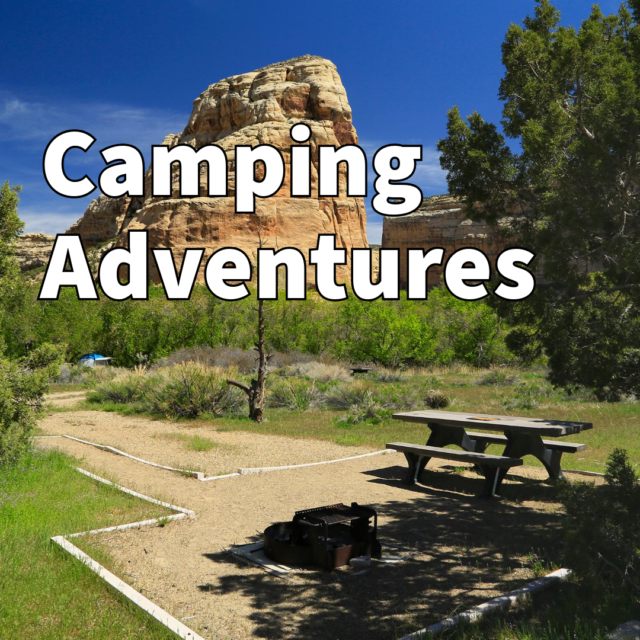
camping in dinosaur national parkGreen River Campground Nestled close to the sounds of the river, the Green River Campground offers shaded campsites perfect for unwinding in nature. Surrounded by towering cottonwood trees, these sites provide a peaceful setting where campers can enjoy riverside views and the tranquil ambiance of Dinosaur National Monument. It’s the ideal spot for families and groups seeking a leisurely camping experience.
Is Set at the picturesque confluence of the Yampa and Green Rivers. It stands out for its stunning landscapes and extraordinary geology. Campers are treated to a backdrop of towering canyon walls and prominent rock formations. As night falls, the clear, star-filled skies offer a dazzling celestial display, making it a prime location for stargazing enthusiasts.

Camping in Dinosaur National Monument delivers an immersive outdoor experience, inviting campers to connect deeply with the natural world. Whether nestled in the serene surroundings of Green River or amidst the dramatic landscapes at Echo Park, each site promises a unique opportunity to enjoy the tranquility and beauty of one of America’s most magnificent natural preserves.

8. Canoeing and Kayaking: Glide Through Natural Beauty

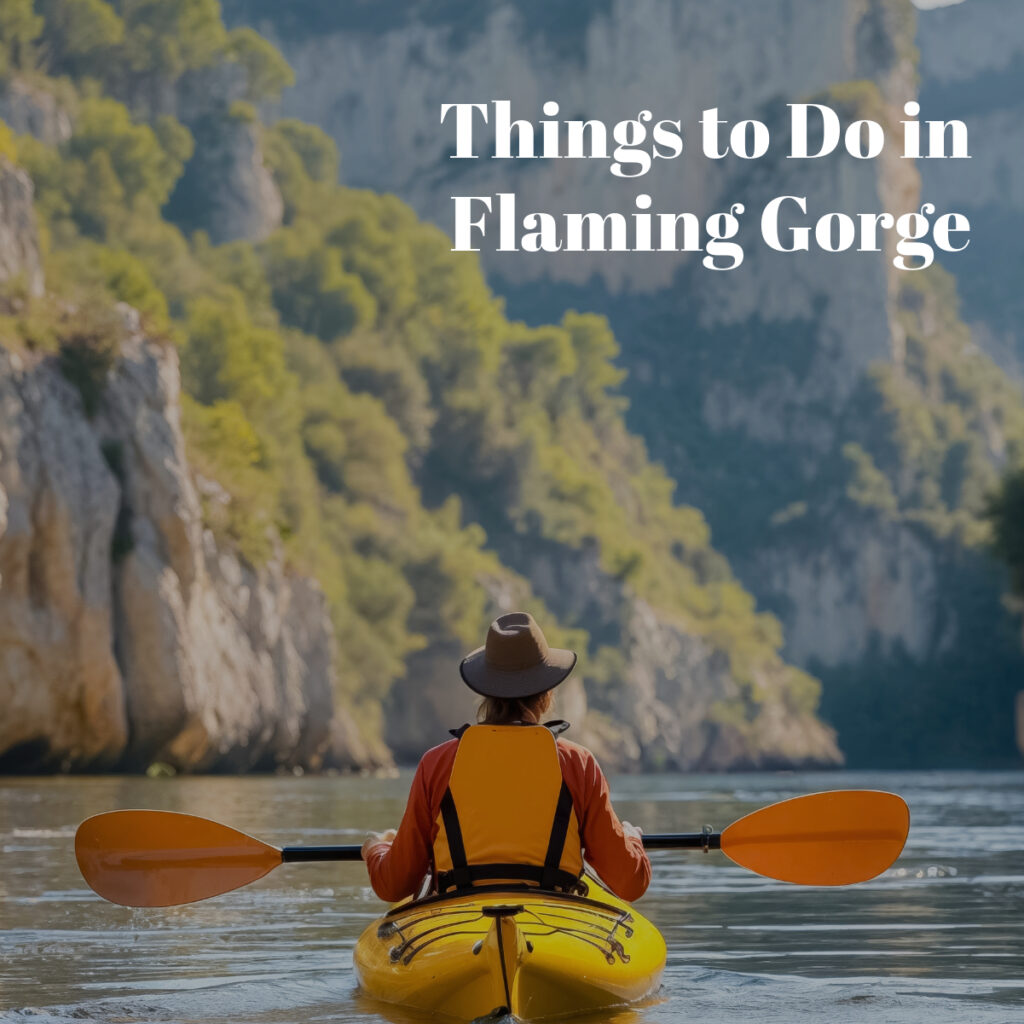
Gates of Lodore Embark on a serene water adventure through the calm waters of the Green River at the Gates of Lodore. This picturesque section offers an opportunity for peaceful paddling amidst stunning natural backdrops. Surrounded by towering cliffs and diverse wildlife, canoeing or kayaking here allows you to immerse yourself in the tranquil beauty of the river landscape. We recommend going with our guides on the popular Gates of Lodore Rafting Expedition.

Wildlife and Scenic Views As you gently glide along the waters, watch for wildlife inhabiting the area. Along the riverbank, spot graceful herons, playful river otters, or a curious deer. The unique vantage point from the river gives you an exclusive view of the park’s diverse ecosystems and geological formations.

Canoeing and kayaking in Dinosaur National Monument provide a perfect blend of relaxation and exploration. Whether paddling in solitude or sharing the experience with family or friends, these river trips are a spectacular way to connect with nature, appreciate the monument’s majestic scenery, and reflect on the serene environment that envelops you.

Safety First: Ensuring a Memorable and Safe Experience

Guidelines and Precautions Before embarking on any adventure within the Dinosaur National Monument, it’s imperative to prioritize safety. Always check weather forecasts, as conditions can change rapidly and impact your plans. Pack essential safety gear, including a first-aid kit, appropriate clothing for the weather, and ample water to stay hydrated.

Expert Guidance For activities like rafting and hiking, consider enlisting the expertise of a guided tour from local outfits such as Dinosaur River Expeditions. These professionals possess extensive knowledge of the area, ensuring a thrilling adventure and a safe and well-planned experience. By choosing guided activities, you benefit from their expertise and insights, which enhance your journey and provide peace of mind.

Embracing the wonders of Dinosaur National Monument means respecting and preparing for its rugged landscapes. By adhering to safety guidelines and seeking expert guidance, you’ll ensure that your adventures remain extraordinary memories of exploration and discovery in one of America’s most awe-inspiring natural regions.

Things to Do in Dinosaur National Monument

Discover the best activities and experiences in Dinosaur National Monument, from fossil viewing and scenic hikes to exciting rafting adventures. Unearth ancient histories, enjoy serene river journeys and ensure a safe visit with these incredible adventures awaiting every visitor.

  1. Fossil Viewing: Discover the past at the Quarry Exhibit Hall and Fossil Discovery Trail.
  2. Hiking Trails: Experience breathtaking views on Harpers Corner Trail and family-friendly outings on Box Canyon Trail.
  3. Rafting the Yampa River: Thrill to the rapids with Dinosaur River Expeditions.
  4. Petroglyphs and Pictographs: Explore ancient rock art at McKee Spring and Swelter Shelter.
  5. Junior Ranger Program: Engage young explorers with the educational Junior Ranger Program.
  6. Scenic Drives: Traverse the captivating landscapes of Cub Creek Road and Echo Park Road.
  7. Camping Adventures: Retreat to Green River and Echo Park Campgrounds.
  8. Canoeing and Kayaking: Enjoy serene paddles through the Gates of Lodore.

Safety First: Prioritize precautions and expert guidance to enhance your adventures.

Explore all these fascinating activities and more at Dinosaur National Monument, setting the stage for unforgettable memories in this historic and beautifully rugged landscape.

Consider visiting these unique adventures in Dinosaur National Park.

FAQs – Dinosaur National Monument Adventures

  1. What is the best way to view dinosaur fossils at Dinosaur National Monument? The Quarry Exhibit Hall is the best place to view dinosaur fossils, showcasing over 1,500 bones in their original sandstone cliff. Additionally, the Fossil Discovery Trail offers a self-guided hike with fossils easily visible along the path.
  2. Are there family-friendly hiking trails available in Dinosaur National Monument? Yes, the Box Canyon Trail is ideal for families, offering a short, scenic hike. For those seeking more breathtaking views, the Harpers Corner Trail provides a 3-mile round trip with panoramic overlooks of the Green and Yampa Rivers.
  3. Can beginners participate in rafting adventures on the Yampa River? Absolutely! Dinosaur River Expeditions offers guided rafting trips suitable for all skill levels. Their experienced guides ensure safe and enjoyable rafting experiences, making it perfect for beginners and seasoned rafters.
  4. Where can I find petroglyphs and pictographs within the monument? You can explore ancient rock art at McKee Spring Petroglyphs near the Utah border and Swelter Shelter, just a short drive from the Quarry Visitor Center. These sites showcase carvings and paintings from the Fremont culture.
  5. What camping options are available in Dinosaur National Monument? The monument offers several camping options, including Green River Campground, ideal for relaxing near the river, and Echo Park Campground at the beautiful confluence of the Yampa and Green Rivers, known for its stunning scenery and starry night skies.

Things to Do in Flaming Gorge

Introduction to Things to Do in Flaming Gorge

Nestled in the rugged heart of the West, Flaming Gorge emerges as an oasis of adventure and serenity, draped in breathtaking landscapes and azure waters. Renowned for its array of activities catering to every age and interest, Flaming Gorge Utah draws visitors to its expansive embrace. Whether you’re a thrill-seeker or a nature lover, the area’s vibrant tapestry of experiences ensures that the question of “Things to do in Flaming Gorge” is met with a plethora of exhilarating and peaceful options. Here is our list of top things to do in Flaming Gorge, Utah.

White Water Rafting

Things to Do in Flaming Gorge

On the top of our list of things to do in Flaming Gorge is white water rafting. From the gentle nudges of class II rapids to the heart-racing class IV tumults, Flaming Gorge lake and its adjoining river passages serve as nature’s playground for the rafting connoisseur. Dinosaur River Expeditions invites adventure-thirsty guests to journey through the Green River’s legendary canyons and frothy waters. With their experienced river guides at the helm, voyagers navigate the river’s twists and turns while absorbing the surrounding wilderness’s grandeur.

Whether navigating the Gates of Lodore or floating beneath the towering red cliffs near Flaming Gorge Dam, every stroke of the paddle draws you deeper into the river’s mesmerizing story. The Green River carves a path through geological time, revealing layers of history inscribed upon canyon walls—making white water rafting more than just a sport but an immersive expedition into the heart of the Earth itself. Our guides at Dinosaur River Expeditions don’t just lead the way; they enhance the narrative of your adventure with rich tales of the river’s past, great food, and insider knowledge that only a local outfitter could possess.

Fishing in Flaming Gorge

For any type of angle, fishing should be on your list of things to do in Flaming Gorge. It is a paradise for anglers, boasting some of the most sought-after fishing in Utah. Beneath the surface of the pristine Flaming Gorge Reservoir and the legendary Green River, Brown Trout thrive, providing an exceptional angling experience. Anglers can take their pick from the tranquil lake settings to the dynamic river stretches that accommodate both fly fishing and traditional techniques. With abundant fish populations and diverse habitat, a day spent with a rod and reel at Flailing Gorge is sure to reward you with both peace and the thrill of the catch.

Boating and Water Sports

The vast Flaming Gorge Reservoir beckons water enthusiasts with its crystal clear waters and expansive area. Boating here is more than an activity; it’s a chance to glide across 91 miles of open water, surrounded by stunning geological formations and a serene atmosphere. If you’re into more active pursuits, kayaking and paddleboarding, offer an engaging way to explore the coves and inlets that dot the shoreline. With rentals readily available, those new to water sports or seasoned experts will find that Flaming Gorge accommodates all levels, allowing you to craft the perfect day on the water to suit your passions.

Wildlife Viewing and Photography

As a haven for an array of wildlife, Flaming Gorge offers exceptional opportunities for viewing and photography. Keep your binoculars close and your camera ready to capture images of Rocky Mountain Elk or Mule Deer roaming freely. You might also spot the majestic flight of a Bald Eagle or observe the industrious play of beavers near the water’s banks. Wildlife viewing in this part of Utah is a gentle reminder of our place within the natural world, offering moments of connection with creatures big and small against an awe-inspiring backdrop.

These sections reveal the more tranquil side of Flaming Gorge, focusing on the restorative and reflective experiences available. Should this resonate with you, I’ll continue to build on our comprehensive guide to the wonders awaiting at Flaming Gorge.


Camping Amidst Nature

For those drawn to the embrace of the great outdoors, camping at Flaming Gorge is an experience unlike any other. With over 600 campsites dotting the region, you’ll find the perfect spot to set up your home-away-from-home amidst stunning scenery and the serene sounds of nature. Each site offers a unique perspective of the gorge, whether you are by the water’s edge or under the canopy of pines.

Amenities at various camping locations cater to comfort, ensuring your stay is as relaxing as it is adventurous. You’re not just pitching a tent; you’re opening the door to starlit skies and a peaceful retreat in the wild.

Hiking Trails of Ashley National Forest

Flaming Gorge is framed by the lush expanse of Ashley National Forest, a haven for hikers of all levels. The forest’s network of trails invites you to explore its diversity, from gentle strolls ideal for families to more challenging treks for seasoned hikers. Popular routes such as the Red Canyon Rim Trail offer breathtaking views of the gorge below, while the Swett Ranch Trail provides a peek into the region’s pioneering past amid nature’s splendor. Each hike unveils unique vistas, making every step a journey into the heart of Utah’s outdoor beauty.

Scenic Drives Around Flaming Gorge

If you prefer to experience the stunning landscapes of Flaming Gorge at a more leisurely pace, the scenic drives around the area are a must. The Flaming Gorge-Uintas National Scenic Byway is a standout, winding through 150 miles of picturesque routes with numerous overlooks.

Don’t miss the Red Canyon Overlook, where you can marvel at the panoramic views of the gorge’s brilliant red rock formations and the shimmering reservoir below. These drives are perfect for photography lovers and those who want to soak in the landscape without breaking a sweat.

Exploring Historical Sites

Flaming Gorge is rich with history, offering visitors a glimpse into the past. Jarvie Ranch in Brown’s Park is a must-visit, a living museum that tells stories of early pioneers, outlaws, and cattle ranchers who once roamed these lands. The ranch is preserved much as it was in the late 19th century, providing a tangible connection to the region’s storied past. Wander through the historic buildings and envision life as it was during the days of Butch Cassidy and the Sundance Kid. It’s an educational and inspiring experience that adds depth to your visit to Flaming Gorge.

Brown’s Park is not just a historical treasure trove; it also marks the starting point for the exhilarating Gates of Lodore rafting trip. This trip weaves together the threads of history and adventure, creating a rich tapestry of experiences as you navigate the Green River. As your raft glides through the Gates of Lodore, you’ll feel the thrill of the rapids and the awe of the canyon’s towering walls, much like the early explorers who first braved these waters.

Flaming Gorge Dam Tour

To better understand the region’s significance, take a tour of the Flaming Gorge Dam. Constructed in the 1960s, this engineering marvel stands as a testament to human ingenuity and its crucial role in water management and power generation. Tours typically provide insights into the dam’s construction, its impact on the surrounding environment, and its importance to the communities it serves. The tour also offers stunning views from the top of the dam, a panoramic treat that combines education with breathtaking scenery.

Mountain Biking Adventures

Flaming Gorge offers fantastic mountain biking opportunities for those who crave the thrill of rugged trails and fast descents. The forested areas within Ashley National Forest provide a picturesque backdrop for your ride, with trails catering to beginners and seasoned bikers. Popular routes such as the Bear Canyon Trail and the Mustang Ridge Trail feature varied terrain, from gentle slopes to challenging climbs. Each trail rewards riders with unparalleled views, fresh mountain air, and the satisfaction of conquering the rugged landscape. Mountain biking in Flaming Gorge is the ultimate way to experience the dramatic beauty and wild spirit of Utah’s great outdoors.

white water rafting flaming gorge utahThings to do in Flaming Gorge – Conclusion
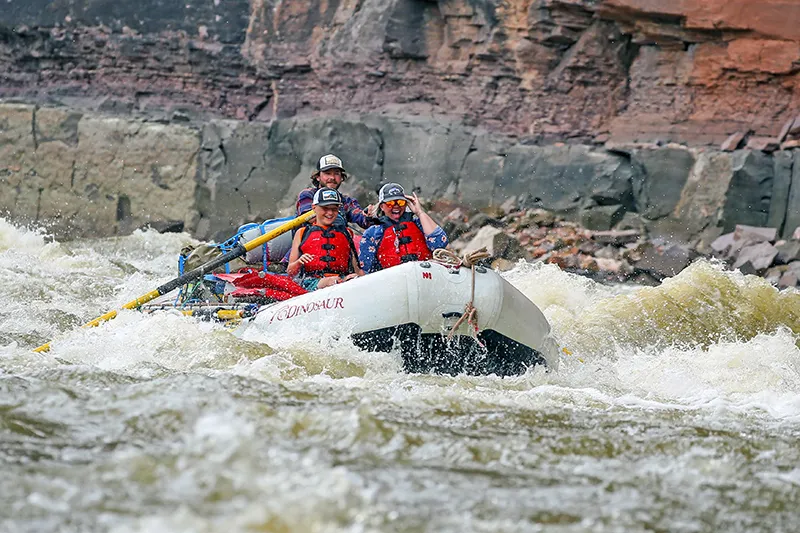
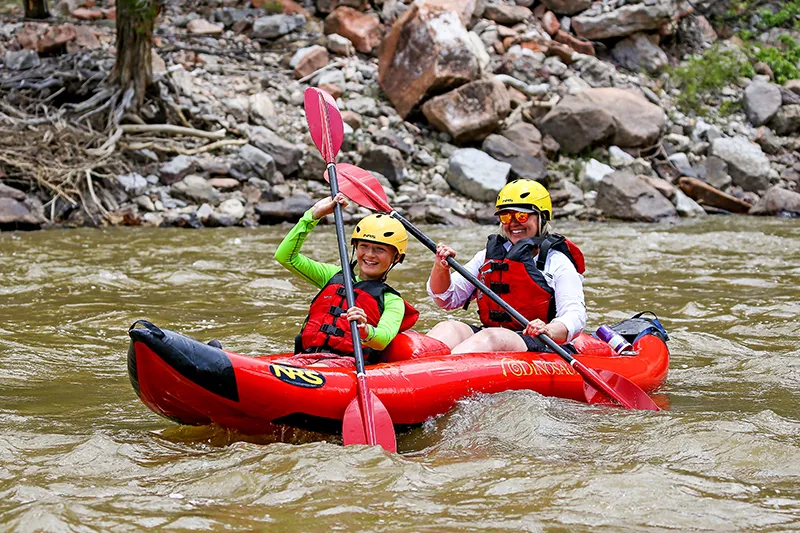
Flaming Gorge stands as a testament to the rich tapestry of natural beauty and adventure that Utah has to offer. From heart-pounding white water rafting on the Green River to tranquil moments fishing by the lake, the diverse range of activities ensures there’s something for everyone. Whether you’re camping under starlit skies, navigating scenic hikes, or exploring historical sites, Flaming Gorge offers a multifaceted experience that leaves a lasting impression. Plan your visit and discover why Flaming Gorge is a top destination for outdoor enthusiasts and adventure seekers alike. The memories you create here will be cherished for a lifetime.

Ready for an unforgettable adventure? Book your Flaming Gorge River Trip with us today and experience the thrill and beauty of white water rafting like never before!


Yampa Rafting: Planning Your Yampa River Trip

Yampa Rafting: Planning Your Yampa River Trip


Imagine drifting lazily down a serene river, the gentle current carrying you through a canyon of towering sandstone cliffs adorned with ancient petroglyphs. The rugged beauty of Dinosaur National Monument surrounds you, and the only sounds are the rhythmic waves and the occasional call of a soaring hawk. This is the magic of rafting the Yampa River, one of the last remaining undammed tributaries of the mighty Colorado River system.

But careful planning is essential before you can fully immerse yourself in this wilderness paradise. A Yampa River rafting trip requires more preparation than your average vacation, but the rewards are well worth the effort. By taking the time to organize, you’ll ensure an adventure that is not only exhilarating but also safe, comfortable, and unforgettable.

The guides at Dinosaur River Expeditions have done most of the planning for you. Still, In this guide?, we’ll explore the key elements to consider when planning your Yampa rafting trip, from choosing the ideal time to visit and packing the right gear to selecting a trustworthy outfitter and customizing your itinerary. With these tips, you’ll be ready to embark on a journey that will etch itself into your memory forever.

Yampa Rafting Trip planning for adventure

Choosing the Right Time for Yampa Rafting

Timing is crucial when planning a Yampa River rafting trip, as it can significantly impact your experience. The rafting season typically runs from late May through early July. The river is undammed making it a river that relies on winter runoff from the Colorado Mountains. Each week of the time available to run the Yampa can offer its own unique advantages and considerations as the water fluctuates.

Late Spring (May-June): These months are often considered the prime time for Yampa rafting. The snowmelt from the surrounding mountains creates higher water levels, adding excitement to the rapids and providing a thrilling ride. However, the water can be chillier during this period, so proper insulation and waterproof gear are essential. Additionally, the crowds tend to be smaller, making it easier to secure desired trip dates.

Summer (Mid June to Early July): The peak of summer brings warmer water temperatures and lower river levels, making it an ideal time for families with younger children or those seeking a more relaxed pace. The trade-off is that these months are the busiest, with more competition for trip dates and potentially larger group sizes. Early booking is highly recommended.

No matter when you choose to go, it’s crucial to consult with your rafting outfitter about current conditions and adjust your expectations accordingly. Weather patterns can vary yearly, affecting water levels and temperatures. By being open to advice from experienced guides, you can ensure your trip timing aligns with your desired experience.

In addition to seasonal considerations, factors like school schedules and crowd preferences may influence your decision.

planning a Yampa rafting trip

Packing for Your Adventure

Proper packing is essential for an enjoyable and comfortable Yampa River rafting trip. Dinosaur River Expeditions will provide all the essential food, gear, and equipment, but there are certain items you’ll need to bring yourself. Here’s a rundown of what to pack:

Essential Gear and Clothing:

  • Quick-drying synthetic or wool clothing (avoid cotton)
  • Waterproof rain jacket and pants
  • Sturdy water shoes or sandals with good traction
  • Sun protection (hat, sunglasses, sunscreen)
  • Moisture-wicking base layers and insulating mid-layers
  • Warm layers for cool evenings (fleece, puffy jacket)
  • Sleeping bag and pad (rated for expected temperatures)
  • Toiletries and personal medications
  • Headlamp or flashlight

Recommended Items for Comfort and Convenience:

  • Campfire mug for hot beverages
  • Insulated water bottle or hydration pack
  • Quick-drying towel
  • Ziploc bags for organizing and waterproofing
  • Deck of cards or small games
  • Journal and pen for recording memories
  • Camera (waterproof or with a protective case)

Packing Tips:

  • Use dry bags or waterproof stuff sacks provided by your outfitter
  • Pack light and compact, keeping weight to a minimum
  • Separate items into day-use and camp-use dry bags
  • Label all personal gear with your name
  • Pack a small dry bag or waterproof pouch for day items (phone, camera, sunscreen, snacks, etc.)

For a more complete list, check out our Yampa River Rafting expedition page.

Remember, you’ll be carrying your gear on and off the rafts, so packing efficiently is key.

By carefully considering your packing needs and following these tips, you’ll be prepared for any situation the Yampa River throws your way, ensuring your adventure is comfortable, safe, and enjoyable from start to finish.

rafting the Yampa river

Selecting a Reputable Outfitter

Choosing the right outfitter is arguably the most crucial decision when planning your Yampa River rafting trip. These experienced guides will be responsible for your safety, comfort, and overall experience on the river and in the wilderness. Here are some key factors to consider when selecting a reputable outfitter:

Experienced and Knowledgeable Yampa Rafting Guides:

Inquire about the qualifications and training of the guides who will be leading your expedition. Look for companies that employ seasoned professionals with extensive experience on the Yampa River and in Dinosaur National Monument. Well-trained guides can not only navigate the rapids with expertise but also provide invaluable insights into the area’s rich history, geology, and wildlife.

Safety Records and Customer Reviews:

Research the outfitter’s customer reviews to get a sense of their commitment and the overall quality of their trips. A company with a proven track record of prioritizing guest safety and delivering exceptional experiences is a good indicator of a trustworthy operator.

Yampa river guided rafting trip

Locally Owned and Operated:

Consider supporting a locally owned and operated outfitter, as they often have a deeper connection to the Yampa River region and a vested interest in preserving its natural beauty. These companies typically employ guides with intimate knowledge of the area and can offer unique perspectives and insights that national corporate outfitters may lack. Dinosaur River Expeditions is one of the longest-running rafting companies in the area.

Equipment Quality and Maintenance:

Inquire about the outfitter’s gear and equipment, including the age and condition of their rafts, life jackets, and camping supplies. Well-maintained, high-quality equipment not only enhances safety but also contributes to a more comfortable and enjoyable experience on the river and in camp.

Customization and Some Flexibility:

Look for outfitters that offer a range of trip options, from single-day excursions to multi-day expeditions, and are willing to work with you to customize your itinerary based on your group’s interests, abilities, and preferences. A flexible approach ensures you get the most out of your Yampa River adventure.

By thoroughly researching and evaluating potential outfitters based on these criteria, you can increase your chances of having a safe, memorable, and expertly guided Yampa River rafting experience.

Yampa river petroglyphs

Planning Your Itinerary

With your trusted outfitter selected, it’s time to plan the details of your Yampa River rafting expedition. Unlike some outfitters that offer single-day excursions, Dinosaur River Expeditions specializes in immersive multi-day wilderness adventures, allowing you to fully disconnect from the hustle of daily life and immerse yourself in the natural wonders of Dinosaur National Monument.

Multi-Day Yampa River Expeditions:

Our Yampa River rafting trips range from four to five days providing ample time to explore the river’s twists and turns, hike to ancient petroglyph sites, and soak in the serene beauty of this untamed wilderness. Overnighting in comfortable riverside campsites, you’ll fall asleep to the soothing sounds of the river and wake up to stunning canyon vistas and the local Canyon Wren that will take your breath away.

For those seeking a shorter rafting experience, we recommend considering our one-day trips on the Green River rafting trip. These excursions offer an exhilarating introduction to the rapids and scenery of the region, perfect for families with young children or those looking to sample the thrill of whitewater rafting before committing to a longer expedition.

Adding Optional Activities: To further enrich your Yampa River rafting experience, consider incorporating additional activities into your itinerary. Our experienced guides are well-versed in the history, geology, and cultural significance of Dinosaur National Monument, and can lead hikes to remarkable sites like ancient Fremont Indian rock art panels or historic homesteads.

Customizing Your Experience:

At Dinosaur River Expeditions, we understand that every group has unique interests and abilities. We will do our best to meet as many needs as we can within our abilities and limitations. If you have avid hikers in your party, we can plan for more strenuous trekking options. Families with younger children may prefer a slower pace with more time for swimming and exploring along the riverbanks. The beauty of our expeditions is the ability to craft an adventure that perfectly aligns with your desires. Any allergies or disabilities should also be discussed with our team.

By considering your preferred trip duration, optional activities you can design an itinerary that promises an unforgettable Yampa River rafting experience!

Yampa river rafting food options

Preparing Physically and Mentally

While a Yampa River rafting expedition promises adventure and awe-inspiring natural beauty, it’s important to approach the experience with an open mind and a spirit of exploration. Regardless of your physical condition or outdoor experience level, our expert guides will ensure a safe, comfortable, and rewarding journey.

Embracing the Adventure

A Yampa River rafting trip is an opportunity to disconnect from the stresses of daily life and immerse yourself in the raw, untamed wilderness of Dinosaur National Monument. While the experience may push you outside your comfort zone at times, our guides will be there every step of the way to provide support, advice, and encouragement.

Physical Preparation

While you don’t need to be an elite athlete, it’s beneficial to incorporate some physical activity into your routine leading up to the trip. Activities like hiking, cycling, or swimming can help build cardiovascular endurance, while strength training and stretching will prepare your muscles for the demands of rafting and camping.

That said, our expeditions are designed to be accessible to a wide range of fitness levels. There will be opportunities to take breaks, relax on the raft, and simply enjoy the leisurely float down the river. Our guides will ensure a pace that suits the group’s abilities, and you can choose to join in on optional hikes or simply relax in the comfort of camp.

Mental Preparation

Approach your Yampa River rafting adventure with a sense of openness and adaptability. Wilderness travel can present unexpected challenges, such as variable weather conditions. Embrace these moments as part of the authentic experience, and trust in the expertise of your guides to ensure your safety and comfort.

Leave No Trace Principles

As visitors to the pristine landscapes of Dinosaur National Monument, it’s crucial to adopt a philosophy of minimal impact and responsible outdoor ethics. Our guides will provide an overview of the seven Leave No Trace principles, which include practices like proper waste disposal, respecting wildlife, and minimizing campfire impacts.

By preparing both physically and mentally for your Yampa River rafting adventure, you’ll be better equipped to fully appreciate the raw beauty of this exceptional wilderness area while minimizing your impact on its delicate ecosystems. Remember, our team is here to support you every step of the way, ensuring an unforgettable and accessible experience for all.

Yampa Rafting trip planning

Conclusion – Yampa Rafting

As you can see, planning a Yampa River rafting trip requires careful consideration of various factors, from selecting the ideal time and packing the right gear to choosing a reputable outfitter and customizing your itinerary. However, the effort invested in this preparation will pay off tenfold once you find yourself amidst the grandeur of Dinosaur National Monument, navigating the legendary Yampa River.

Imagine the rush of adrenaline as you paddle through exhilarating rapids, the sound of the water crashing against the raft’s sides. Envision the awe-inspiring vistas of towering sandstone cliffs adorned with ancient petroglyphs, a testament to the region’s rich cultural history. Picture yourself falling asleep under a canopy of stars, lulled by the gentle rhythm of the river, and waking up to the crisp mountain air and the promise of new adventures.

A Yampa River rafting expedition is more than just a vacation – it’s an opportunity to reconnect with nature, challenge yourself physically and mentally, and create memories that will forever etch themselves into your soul. So why wait? Take the first step towards your unforgettable wilderness journey by booking your Yampa River rafting trip with Dinosaur River Expeditions today.

Yampa Rafting FAQs

  1. What is the best time of year for a Yampa River rafting trip? The prime rafting season on the Yampa River is from late May through June. Late spring (May-June) offers higher water levels for exciting rapids, while summer (Mid-June to Early July) has warmer temperatures and more mellow whitewater.
  2. How physically fit do I need to be for a multi-day Yampa River expedition? While some level of physical fitness is beneficial, our multi-day Yampa River trips are designed to be accessible to a wide range of abilities. There will be opportunities to take breaks, relax on the raft, or opt out of strenuous hikes. Our guides will ensure a pace suitable for the group.
  3. What gear and supplies do I need to bring for a Yampa River rafting trip? We provide essential gear like rafts, life jackets, camping equipment, and most meals. You’ll need to pack personal items like quick-drying clothing, rain gear, sturdy water shoes, sun protection, and a warm sleeping bag. A comprehensive packing list will be provided by our outfitters.
  4. How do I choose a reputable rafting outfitter for the Yampa River? Look for locally owned outfitters with experienced guides who have extensive knowledge of the Yampa River and Dinosaur National Monument. Research their safety records, read customer reviews, and inquire about the quality of their equipment and commitment to environmental principles.
  5. Can I go on a Yampa River rafting trip if I have limited outdoor experience? Absolutely! Our multi-day Yampa River rafting expeditions are designed to be accessible and enjoyable for all experience levels. Our expert guides will provide thorough instruction, ensuring your safety and comfort throughout the journey. Whether you’re a seasoned adventurer or a first-time rafter, our team will support you every step of the way, allowing you to embrace the wilderness at your own pace. We encourage individuals with limited outdoor experience to embark on this unforgettable adventure, as our guides will be there to ensure a rewarding and confidence-building experience.


24 Hours in the Dinosaur era

24 hours in the Dinosaur Era

Until mad scientists take Jurassic Park from the green screen to real life Vernal, Utah is the closest you can get to living in the Dinosaur Era. The bones haven’t been converted into living, breathing, teeth bearing dinosaurs. Here in Vernal there is a lot of evidence that the dinosaurs that once called this area home were plentiful and came in all shapes and sizes. Although, there is more than a lifetime of dinosaur and archaeological exploring to do in Vernal, you can pretty effectively transport yourself back in time in just 24 hours. Here is the best way to maximize your time travel.

Start your day in Dinosaur National Monument itself at the Carnegie Quarry, nicknamed the “Wall of Bones.” The Quarry is just a short drive outside of Vernal and it was Woodrow Wilson’s inspiration in 1915  to designate the Monument. The original boundaries just included the area of the bones and its direct surroundings, but was later expanded to include the Green River and Yampa River Canyons. The over 1,500 preserved and restored dinosaur bones are 149 million years old and include a massive stegosaurus neck and allosaurus skull. The truly amazing thing about the Quarry, is that all the bones lie exactly where they were deposited so many millions of years ago.  Paleontologist believe that the bones fell into an ancient river system, floated downstream until they were deposited into an eddy, buried in fine river sediment which preserved and fossilized the bones. Think dinosaur graveyard. The building was created so the wall wouldn’t have to be tampered with, leaving humanity to ogle at the remains of the ancient lizards.

After the morning at the “Wall of Bones,” head back into town to the Utah Field House of Natural History State Park Museum, or as locals call it, the Dino Museum. In the car keep an eye out for the town’s mascot, a 25 foot tall hot pink Dinosaur on the right side of the road. The museum is on the left near the center of town. The visitors center immediately reminds you why you’ve come with a massive life-size cast of a 50 foot tall dino found in Vernal. The skeleton is surrounded by windows peering into labs, where paleontologists work on current discoveries.  Inside, the museum takes you on a journey through time and geological history. Everything from the first multicellular organisms, into dinosaur era, through ice age, up to Native Americans and now. There are plenty of interactive exhibits for kids including a bone dig and a butterfly hall. Outside the museum is the Dinosaur Garden, with roughly 20 life size recreations of what scientists believed dinosaurs could have looked like in the flesh.

Last, head to Red Fleet State Park to the Dinosaur Track-way. This short hike winds its way through Utah’s red desert to the banks of a reservoir where you can find preserved dilophosaurus footprints. Bring a swimsuit and a picnic dinner for a sunset swim in the beautiful lake fantasizing about what it would be like to see the bones come to life. The creature that made the footprints is real and you see it saunter away from your picnic spot. Across the lake, stegosaurus slurps at the water and a velociraptor swoops down, just above your head.

You may not have a lot of time in your travel schedule when visiting Vernal, Utah for the first time so these are just some highlights. Coming to our area once is not enough you will have to return for incredible whitewater river rafting, single track mountain biking, fabulous hiking and lots of opportunities for camping.


Steinaker State Park Vernal, Utah

Everything to know about Steinaker State Park located near Vernal, Utah


Utah is famous for its National Monuments and National Parks. A great secret about Utah is its incredible state parks. When visiting Vernal, Utah for one of our white-water rafting trips we recommend taking a little extra time and check out one of our local state park favorites. Steinaker State Park sits just four miles outside of the heart of Vernal, Utah. Steinaker state park is one of Utah’s hidden gems with awesome year around recreation.  The summer months provide a water oasis in Utah’s desert heat and the winter months it is a beautiful place to embrace the outdoors.

Steinaker reservoir is a man-made lake created by a diversion dam on Ashly Creek.  The dam, built in the early 1960’s, redirects the water from Ashley Creek into Steinaker where it is held for irrigation in the Ashley Valley. The side effect of the diversion dam, is an 820-acre haven for summer water recreation.  The water is warm in the summer months, in July reaching temperatures up to 70 degrees, perfect for swimming, boating, paddle boarding or almost any water recreation you can think of. The lake is stocked with largemouth bass, rainbow trout and a few brown trout if you want to try your luck fishing.  Surrounding the lake are sandy beaches for kids to play on, picnic tables, and barbeque pits. For overnight stays there is a wonderful developed campground with improved campsites, RV hookups and cabin rentals are available.

In the Winter months, the reservoir continues to be a recreational mecca.  The lake freezes over providing the perfect location for ice fishing, a friendly game of pond hockey, or ice skating, the desert rocks providing a beautiful  backdrop for a day outside. This year on February 3rd is the annual Steinaker ice fishing tournament, so try your luck or head out to spectate the festivities.  There are also miles amazing of snowmobiling trails north of Steinaker on the Ashley National Forest.

If you are interested in geocaching, there is a geocache hidden somewhere near the park entrance. It has a clue “A great view of the lake.” Quadrants for the cache, specific to your GPS, can be found at https://stateparks.utah.gov/parks/steinaker/geo-cache/ .

The designated campsites located in the park are a great way to view the night sky.  Steinaker just became one of only four parks in Utah holding the title of an “International Dark Sky Park.” This means the Park has taken great efforts to protect the area from light pollution and hosts events to throughout the year showcase the striking night sky. In the spring of 2018, they will be hosting an event to celebrate the recent designation, so don’t forget your telescope! Here is a great link for more information about the incredible night sky found at Steinaker. http://www.darksky.org/utahs-steinaker-state-park-becomes-worlds-newest-international-dark-sky-park/

Steinaker is a picturesque place to recreate in Utah with access to numerous activities year-round, don’t leave this state park unexplored! To find out about more upcoming events in at Steinaker State Park check out https://stateparks.utah.gov/parks/steinaker/events/.


X
BOOK NOW