If you’re searching for an unforgettable white water rafting Utah 1-day experience, look no further than the spectacular Flaming Gorge section of the Green River. As Utah’s premier locally owned rafting outfitter based in Vernal, Dinosaur River Expeditions specializes in delivering thrilling one-day adventures that showcase the raw beauty of northeastern Utah’s canyon country.
Our Flaming Gorge day trip combines exciting rapids, stunning red rock scenery, and wildlife encounters into a perfect single-day adventure that works for both first-time rafters and experienced river runners. Whether you’re vacationing in the area or seeking a weekend escape, this white water rafting Utah 1-day journey delivers memories that last a lifetime.
Why Choose Flaming Gorge for Your White Water Rafting Utah 1 Day Adventure?
The Flaming Gorge section of the Green River stands out as one of Utah’s most accessible and rewarding rafting experiences. Located just minutes from Vernal, this stretch offers the perfect balance of thrilling Class II-III rapids and peaceful float sections where you can soak in the breathtaking canyon landscapes.
Top Reasons to Raft Flaming Gorge:
Family-Friendly Rapids: Perfect Class II-III whitewater suitable for ages 5 and up
Stunning Scenery: Towering red rock cliffs and unique geological formations
Wildlife Viewing: Spot bald eagles, osprey, bighorn sheep, and river otters
Convenient Location: Easy access from Vernal with minimal drive time
All-Inclusive Experience: Transportation, gear, professional guides, and gourmet lunch provided
Your white water rafting Utah 1 day adventure begins bright and early at our Vernal office. After check-in and gear distribution, we shuttle you to the put-in point where your journey down the Green River begins. Here’s what a typical day looks like:
Your Day-by-Day Itinerary:
Morning Launch (8:30 AM): Meet at our office for safety briefing and gear fitting, then shuttle to the river
First Rapids Section (9:00 AM – 12:00 PM): Navigate exciting Class II-III rapids while learning paddling techniques from expert guides
Riverside Lunch (12:00 PM – 1:00 PM): Enjoy a delicious gourmet meal prepared by our guides at a scenic riverside camp
Afternoon Adventure (1:00 PM – 4:00 PM): Continue downstream with more rapids and opportunities for swimming
Take-Out and Return (4:00 PM – 5:00 PM): Shuttle back to Vernal with time to explore local attractions
Want to dive deeper into Green River experiences? Check out our comprehensive guide to Green River rafting day trips for everything you need to know about rafting in the region.
Flaming Gorge vs. Other Utah Day Trips
While we offer several excellent one-day rafting options, the Flaming Gorge trip stands out for specific reasons. Here’s how it compares:
If you can’t decide between day trips or want to experience more of Utah’s rivers, consider our multi-day rafting trips for an extended wilderness adventure.
What’s Included in Your White Water Rafting Utah 1 Day Package
At Dinosaur River Expeditions, we believe in providing a complete, hassle-free experience. When you book our Flaming Gorge day trip, everything you need is included:
Category
What We Provide
Safety Equipment
Life jackets, helmets, safety briefing, first-aid equipped guides
River Gear
Professional rafts, paddles, dry bags, waterproof containers
Food & Beverages
Gourmet riverside lunch, snacks, water, lemonade
Transportation
Shuttle to/from river, all logistics handled
Expert Guides
Licensed, experienced local guides with wilderness training
Essential Items to Bring on Your Trip
While we provide all the rafting essentials, you’ll want to bring a few personal items for maximum comfort. For our complete packing guide, visit 5 items to bring on a one-day rafting trip. Here are the must-haves:
Packing Essentials:
Quick-Dry Clothing: Synthetic or wool layers, swimsuit, lightweight long-sleeve shirt for sun protection
Footwear: Secure water shoes or sport sandals with heel straps (no flip-flops)
Sun Protection: Reef-safe sunscreen (SPF 50+), wide-brimmed hat, polarized sunglasses with retention strap
Personal Items: Reusable water bottle, waterproof phone case, small towel, change of clothes for after
Optional Items: Waterproof camera, binoculars for wildlife, small dry bag for valuables
When to Book Your White Water Rafting Utah 1 Day Adventure
The Flaming Gorge section offers excellent rafting conditions from late May through early September, with each season providing unique experiences. Here’s what to expect throughout the season:
Season
Water Levels
Best For
Booking Tips
Late May – Mid June
High (spring runoff)
Thrill-seekers, big waves
Book early, popular time
Late June – July
Medium-High
Families, balanced experience
Peak season, reserve ahead
August – Early Sept
Medium-Low
Photography, wildlife viewing
More availability, great weather
Why Book with Dinosaur River Expeditions?
As Vernal’s only locally owned rafting outfitter, we bring unmatched expertise and passion to every trip. Our guides aren’t just skilled river runners—they’re storytellers, naturalists, and safety experts who call this region home.
The Dinosaur River Expeditions Difference:
Local Expertise: Decades of combined experience navigating Utah and Colorado rivers
Safety First: All guides are Wilderness First Responder certified with extensive rescue training
Small Groups: We maintain low guide-to-guest ratios for personalized attention
Quality Equipment: Professional-grade rafts and gear maintained to highest standards
Environmental Stewardship: Leave No Trace principles on every trip
Ready to Book Your White Water Rafting Utah 1 Day Adventure?
Booking your Flaming Gorge rafting trip is easy. Simply visit our Flaming Gorge day trip page to check availability and reserve your spot. We recommend booking at least 2-4 weeks in advance during peak season (June-July) to ensure availability.
Booking Tips for Best Experience:
Arrive in Vernal the day before your trip to acclimate to the altitude
Stay hydrated in the days leading up to your adventure
Check weather forecasts but remember—we raft rain or shine
Consider booking mid-week for smaller crowds and more wildlife sightings
Ask about custom group trips for parties of 10 or more
Experience Utah’s Best One-Day Rafting Adventure
White water rafting Utah 1 day trips don’t get better than the Flaming Gorge section of the Green River. With perfect Class II-III rapids for families and beginners, stunning red rock scenery, abundant wildlife, and the expertise of Dinosaur River Expeditions’ local guides, you’re guaranteed an unforgettable adventure.
Whether you’re a Utah local looking for a weekend escape or a visitor seeking to experience the best of northeastern Utah’s natural beauty, our Flaming Gorge day trip delivers the perfect combination of excitement, scenery, and professional service. From the moment you arrive at our Vernal office to the shuttle back after your adventure, every detail is handled so you can focus on making memories.
Q: What is the minimum age for the Flaming Gorge trip?
A: Children as young as 5 years old can participate in our Flaming Gorge day trip when accompanied by an adult. The Class II-III rapids are perfect for introducing kids to white water rafting in a safe, controlled environment.
Q: Do I need rafting experience?
A: Not at all! Our Flaming Gorge trip is designed for first-time rafters. Our expert guides provide thorough safety briefings and paddling instruction, and they’ll be with you every step of the way on the river.
Q: What happens if it rains?
A: We raft rain or shine! You’re going to get wet anyway, so a little rain just adds to the adventure. We only cancel trips for extreme weather conditions that could affect safety, such as lightning storms.
Q: Can I bring my camera?
A: Yes! We recommend bringing a waterproof camera or phone case. We provide dry bags for storing valuables when you’re not using them. Our guides can also help capture photos of your group navigating the rapids.
Q: Is lunch included?
A: Absolutely! We include a delicious gourmet riverside lunch prepared fresh by our guides. We accommodate most dietary restrictions with advance notice—just let us know when you book.
Multi-Day Rafting Trips in Utah: Complete 2025 Guide
Multi-day rafting trips in Utah deliver unmatched whitewater adventures through some of America’s most remote and stunning canyon country. From the emerald waters of the Yampa River to the thundering rapids of Cataract Canyon, Utah’s multi-day river expeditions range from 3 to 7 days and cater to everyone from families seeking moderate adventure to adrenaline junkies chasing Class IV+ whitewater.
Unlike day trips, multi-day rafting trips in Utah immerse you completely in wilderness, no cell service, no crowds, just red rock amphitheaters, ancient petroglyphs, and star-filled nights above the river. Whether you’re navigating the Gates of Lodore in Dinosaur National Monument or drifting through the towering walls of Desolation Canyon, these expeditions offer something that shorter trips simply cannot: complete disconnection and total immersion in nature.
This comprehensive guide covers everything you need to plan your Utah multi-day rafting adventure, including the best routes, costs, optimal seasons, outfitter recommendations, and essential planning tips.
Overview of Multi-Day Rafting Trips in Utah
Why Choose a Multi-Day Rafting Trip?
There’s something profoundly transformative about spending multiple days on the river. Multi-day rafting trips in Utah allow you to fully disconnect from modern life and immerse yourself in the rhythm of canyon country. These aren’t just rafting trips, they’re complete wilderness experiences that combine whitewater excitement with hiking, wildlife viewing, archaeological exploration, and camping beneath some of the darkest skies in North America.
Day trips offer thrills, but multi-day expeditions offer perspective. You’ll wake to the sound of rushing water, spend your days navigating rapids and exploring side canyons, and fall asleep under millions of stars. The bonds formed around riverside campfires and the shared experience of navigating challenging rapids create memories that last a lifetime.
What to Expect on a Multi-Day Trip
Most multi-day rafting trips in Utah span 3 to 7 days and cover 40 to 100+ miles of river. Each day follows a natural rhythm: morning coffee by the river, several hours of paddling through alternating rapids and calm stretches, lunch on a sandy beach, afternoon exploration of side canyons or archaeological sites, and evening camp setup with gourmet meals prepared by your guides.
You’ll journey through high desert terrain, navigate between towering red rock walls, and experience constantly changing scenery. Depending on your route, you might encounter Class II-V rapids, swim in natural pools, spot bighorn sheep on cliffsides, examine 1,000-year-old petroglyphs, and sleep on sandy beaches with nothing but a sleeping bag between you and the stars.
Multi-Day vs. Day Trips: Key Differences
Feature
Day Trip
Multi-Day Trip
Duration
4-8 hours
3-7 days
Rapids Experienced
5-15 rapids
30-100+ rapids
Distance Covered
10-20 miles
40-120 miles
Accommodations
None (return same day)
River camping with provided gear
Meals Included
Typically lunch only
All meals from dinner Day 1 to lunch final day
Side Activities
Limited to none
Hiking, archaeology, swimming, wildlife viewing
Typical Cost
$150-$300
$1,200-$3,500
Best For
Time-limited visitors, families with young children
1. Gates of Lodore (Green River through Dinosaur National Monument)
Duration: 3-5 days | Distance: 44 miles | Rapids: Class II-III | Best For: First-time multi-day rafters, families with teens, couples
The Gates of Lodore section of the Green River offers the perfect introduction to multi-day rafting trips in Utah. This expedition begins at the dramatic Gates of Lodore, where the river cuts through towering red cliffs that rise over 2,000 feet, and flows through the heart of Dinosaur National Monument’s stunning canyon country.
Key Rapids: Disaster Falls (Class III), Triplet Falls (Class III), Hell’s Half Mile (Class II-III), and Winnie’s Rapid (Class II). These rapids provide excitement without being overwhelming, making this an ideal first multi-day adventure.
Highlights:
Dramatic red and buff-colored canyon walls that change color with the light
Rich history including the Powell Expedition route from 1869
Excellent camping beaches with plenty of shade
Petroglyphs and pictographs dating back over 1,000 years
Abundant wildlife including river otters, bald eagles, and peregrine falcons
Side hikes to hidden grottos and waterfalls
Sample Itinerary (4-Day Trip):
Day 1: Launch at Gates of Lodore, run Disaster Falls and Triplet Falls, camp at Pot Creek
Day 2: Navigate Hell’s Half Mile, explore side canyons, camp at Big Island
Day 3: Run Winnie’s Rapid, hike to Jones Hole Creek, camp at Rainbow Park
Day 4: Gentle morning float, arrive at Split Mountain takeout by afternoon
Typical Cost: $1,200-$1,800 per person depending on length and outfitter
Best Time: May through September. Peak season is June-August with warmer temperatures perfect for swimming.
2. Yampa River (Colorado into Dinosaur National Monument, Utah)
Duration: 5 days | Distance: 72 miles | Rapids: Class II-III (IV at high water) | Best For: Wildlife enthusiasts, photographers, spring adventurers
The Yampa River holds the distinction of being the last major free-flowing tributary of the Colorado River system, making it one of the most ecologically significant waterways for multi-day rafting trips in Utah and Colorado. This extraordinary river runs for only 6-8 weeks each year, typically from late May through early July, when snowmelt creates optimal water levels.
Key Rapids: Warm Springs Rapid (Class III-IV), Big Joe (Class III), Little Joe (Class II-III), and Teepee Rapid (Class III). At peak flows in June, Warm Springs can reach Class IV intensity.
Highlights:
Spectacularly vibrant spring wildflowers blanketing the canyon walls
Exceptional wildlife viewing including bighorn sheep, black bears, river otters, and over 100 bird species
The confluence with the Green River at Echo Park, one of the most scenic spots in the West
Towering sandstone formations including Steamboat Rock
Pristine wilderness with minimal human impact
Spring-fed side creeks perfect for swimming
Abundant Fremont culture archaeological sites
Sample Itinerary (5-Day Trip):
Day 1: Put-in at Deerlodge Park, Colorado; warm-up rapids; camp at Tepee Rapid
Day 2: Run Big and Little Joe, wildlife spotting, camp at Box Elder
Day 3: Navigate Warm Springs Rapid, afternoon hike, camp at Anderson Hole
Day 4: Float to Echo Park, explore Steamboat Rock, camp at stunning Echo Park
Day 5: Join Green River, float to Split Mountain takeout
Typical Cost: $1,600-$2,200 per person
Best Time: Late May through mid-July only (snowmelt dependent). Peak wildlife viewing is mid-June. Book early, permits are extremely limited.
3. Desolation Canyon (Green River)
Duration: 5-7 days | Distance: 84 miles | Best For: Solitude seekers, archaeology enthusiasts, longer expeditions
Desolation Canyon offers one of the most remote multi-day rafting experiences in Utah. Named by John Wesley Powell in 1869, this vast wilderness section of the Green River features the deepest canyon on the Green River system, with walls rising over 5,000 feet. The 84-mile journey provides unparalleled solitude and a true wilderness experience.
Key Rapids: Wire Fence (Class II-III), Three Fords (Class II-III), Coal Creek (Class II-III), and Steer Ridge (Class II-III). Rapids are moderate but consistent, with over 60 named rapids throughout the section.
Highlights:
Extraordinary solitude, you may not see another party for days
Over 40 major archaeological sites including Fremont culture petroglyphs and pictographs
Towering Tavaputs Plateau walls creating one of North America’s deepest canyons
Exceptional geology showcasing 280 million years of Earth’s history
World-class side canyon hiking including Cottonwood Canyon and Rock Creek
Abundant wildlife including golden eagles, mountain lions (rarely seen), and wild horses
Multiple hot springs for relaxation
Sample Itinerary (6-Day Trip):
Day 1: Launch at Sand Wash, orientation float, camp at Rock Creek Ranch
Day 2: Run morning rapids, explore Fremont petroglyphs, camp at Jack Creek
Day 3: Navigate Wire Fence and Three Fords, afternoon hike, camp at Joe Hutch
Day 4: Layover day for extended hiking in side canyons
Day 5: Continue downstream, explore Coal Creek Canyon, camp at Firewater
Day 6: Final rapids section, arrive at Swasey’s Beach takeout
Typical Cost: $1,500-$2,300 per person depending on length
Best Time: May through September. June and September offer the best balance of water levels and moderate temperatures.
4. Cataract Canyon (Colorado River through Canyonlands National Park)
Duration: 4-6 days | Distance: 96-112 miles | Rapids: Class III-V | Best For: Thrill-seekers, experienced rafters, big water enthusiasts
For adrenaline junkies seeking the ultimate whitewater experience among multi-day rafting trips in Utah, Cataract Canyon delivers. This section of the Colorado River through Canyonlands National Park features some of the biggest and most powerful rapids in North America, with over 26 major rapids concentrated in a 14-mile stretch known as “The Big Drops.”
Key Rapids: Mile Long (Class III-IV), The Big Drops 1-3 (Class IV-V), Little Niagara (Class III-IV), Satan’s Gut (Class IV-V), and numerous others. At peak flows (April-June), these rapids create waves up to 20 feet high.
Highlights:
The most intense whitewater available on multi-day trips in the Southwest
Stunning views of Canyonlands National Park’s Maze District
Transition from narrow canyons to Lake Powell’s lower reach
Optional helicopter exit from the river
Sample Itinerary (5-Day Trip):
Day 1: Launch at Potash (below Moab), calm water through Meander Canyon
Day 2: Confluence of Green/Colorado Rivers, enter Cataract Canyon, warm-up rapids
Day 3: THE BIG DAY, run The Big Drops and major rapids section
Day 4: Continue through remaining rapids, begin calm water section
Day 5: Flat water paddle across Lake Powell, helicopter or jet boat exit
Typical Cost: $2,000-$3,500 per person. Higher costs reflect helicopter exit option and specialized equipment needs.
Best Time: April through June for maximum whitewater (Class IV-V). July through September offers lower water levels (Class III-IV) with easier navigation but still exciting rapids.
Important Note: Previous rafting experience and good physical condition required. Many outfitters require participants to be 12+ years old.
5. Westwater Canyon (Colorado River, Utah)
Duration: 3 days | Distance: 40 miles | Rapids: Class III-IV | Best For: Weekend trips, intermediate rafters, geology enthusiasts
Westwater Canyon packs intense rapids and stunning geology into a manageable 3-day format, making it perfect for those seeking a shorter but still thrilling multi-day rafting trip in Utah. This section of the Colorado River features some of the oldest exposed rock in the Southwest, 1.7 billion-year-old black Precambrian metamorphic rock.
Key Rapids: Funnel Falls (Class III-IV), Skull (Class IV), Sock-it-to-Me (Class III+), and Staircase (Class III). The narrow canyon concentrates water flow, creating powerful hydraulics.
Highlights:
Dramatic black Precambrian schist and gneiss canyon walls
Exciting technical rapids in narrow canyon sections
Perfect for three-day weekends
Less crowded than more famous sections
Excellent sandy beaches for camping
Spectacular geology spanning nearly 2 billion years
Typical Cost: $1,100-$1,500 per person
Best Time: May through September. Best water levels typically in May-June.
How Much Do Multi-Day Rafting Trips in Utah Cost?
Understanding the costs of multi-day rafting trips in Utah helps you budget appropriately and recognize what’s included in your investment. Prices vary based on trip length, river difficulty, season, group size, and outfitter services.
General Price Ranges
3-Day Trips: $1,100-$1,800 per person
4-5 Day Trips: $1,500-$2,200 per person
6-7 Day Trips: $1,800-$2,800 per person
Premium/Cataract Canyon: $2,000-$3,500 per person
What’s Typically Included
Most multi-day rafting trips in Utah offer all-inclusive packages that cover:
Transportation: Shuttle from meeting point to launch site and from takeout back to your vehicle
All Rafting Equipment: Rafts, paddles, oars, life jackets, helmets (when needed)
All Meals: From dinner on Day 1 through lunch on final day (typically freshly prepared, gourmet-style meals)
Professional Guides: Certified guides with wilderness first aid training
Permits: All required permits and land use fees
Group Gear: First aid kits, repair equipment, satellite communication devices
What You’ll Need to Bring (Additional Costs)
Sleeping Bag: Rent ($30-$50) or bring your own
Beverages: Alcohol, specialty drinks, or extra beverages beyond water/coffee/lemonade ($30-$100 depending on preferences)
Personal Items: Sunscreen, toiletries, medications, personal clothing
Gratuities: 10-20% of trip cost for guides (typically $150-$400 per person)
Travel to/from Meeting Point: Getting to Vernal, Moab, or Green River, UT
Factors Affecting Price
Trip Length: Longer trips cost more but offer better value per day. A 6-day trip costs only about 30-40% more than a 3-day trip despite doubling the experience.
Season: Peak season (June-July) typically costs 10-20% more than shoulder seasons (May, August-September).
Group Size: Some outfitters offer group discounts for parties of 6 or more.
Private vs. Scheduled: Private charters cost 25-50% more but give you flexibility on dates and exclusive use.
Exit Method: Trips with helicopter or jet boat exits (like Cataract Canyon) cost significantly more due to transportation logistics.
Is It Worth the Cost?
When compared to other adventure vacations, multi-day rafting trips in Utah offer exceptional value. Consider that your cost includes:
All meals (typically 3 gourmet meals per day)
All accommodations (camping equipment)
All activities and entertainment
Professional guide services
Access to remote wilderness areas
All equipment and transportation
This typically works out to $250-$400 per day for a complete vacation package with zero additional daily expenses once you’re on the river.
Best Seasons for Multi-Day Rafting Trips in Utah
Spring (May–June)
Water Conditions: High water levels from snowmelt create faster current and bigger rapids. This is prime whitewater season for thrill-seekers.
Weather: Daytime temperatures range from 70-85°F, nights can drop to 40-50°F. Pack layers and be prepared for occasional rain showers.
Scenery: Desert wildflowers bloom in May, creating stunning displays of color. Vegetation is lush and green.
Best For: Yampa River (only available May-July), big water on Cataract Canyon, photographers seeking vibrant landscapes.
Considerations: Water temperatures are cold (45-55°F), so dress appropriately. Trips may be more challenging due to higher water.
Summer (June–August)
Water Conditions: Water levels gradually decrease through summer. Rapids become more technical with exposed rocks requiring precise navigation.
Weather: Hot! Daytime temperatures reach 90-105°F, cooling to 60-70°F at night. Perfect weather for swimming and water activities.
Scenery: Brilliant blue skies, golden sunlight, dramatic shadows in canyons.
Best For: Families with children, first-time multi-day rafters, those who want warm water swimming, Desolation Canyon, Gates of Lodore.
Considerations: Peak season means more people on the river and higher prices. Intense heat requires careful sun protection and hydration.
Fall (September–Early October)
Water Conditions: Lower, calmer water. Rapids are gentler, making this ideal for photographers who want to capture more while floating.
Weather: Comfortable daytime temperatures (70-85°F) and cool nights (40-55°F). Crystal clear skies and exceptional visibility.
Scenery: Cottonwoods turn golden, creating stunning color contrasts against red rock walls. Incredible light quality for photography.
Best For: Photographers, those seeking solitude and peace, families preferring calmer water.
Considerations: Shorter days (darkness by 7-8pm). Some outfitters end their season by late September. Water is colder. Yampa River is not available.
Season Recommendation by Trip Type
Trip
Best Season
Why
Gates of Lodore
June-August
Warm weather, family-friendly water levels
Yampa River
Late May-June
Only runs during snowmelt, peak wildlife viewing
Desolation Canyon
June or September
June for water, September for solitude and colors
Cataract Canyon
April-June
Maximum big water thrills (Class IV-V rapids)
Westwater Canyon
May-June
Optimal water levels for technical rapids
Multi-Day Rafting Utah: What’s the Best Trip for Beginners?
If you’re new to multi-day rafting trips in Utah, choosing the right first experience is crucial for building confidence and falling in love with river running. Here’s what beginners should know:
Best Beginner Trips (Ranked)
1. Gates of Lodore (4-Day Version) – BEST OVERALL FOR BEGINNERS
Why: Perfect balance of excitement and manageability. Class II-III rapids provide thrills without being overwhelming. Excellent camping, beautiful scenery, and a trip length that’s substantial but not daunting.
Duration: 4 days allows full immersion without being too long
Recommended Age: 8+ years old
2. Desolation Canyon (5-Day Version)
Why: More remote and longer, but rapids are moderate and well-spaced. Better for beginners who want maximum wilderness immersion and don’t mind a longer commitment.
Duration: 5 days
Recommended Age: 10+ years old
3. Gates of Lodore (3-Day Version)
Why: Shortest option while still providing authentic multi-day experience. Good for testing whether you enjoy multi-day trips before committing to longer expeditions.
Duration: 3 days (perfect for long weekends)
Recommended Age: 7+ years old
Trips NOT Recommended for First-Timers
Cataract Canyon: Too intense for beginners. Class IV-V rapids require previous experience and strong swimming ability.
Yampa River at Peak Flow: While moderate most years, high water can push this into Class IV territory.
Rapids Class II-III: Exciting but forgiving, with plenty of pool and drop patterns
Manageable Length: 3-5 days is ideal for first-timers
Good Camping: Sandy beaches with pleasant campsites
Multiple Activities: Side hikes, swimming holes, and archaeology keep non-rafting time interesting
Reputable Outfitter: Patient guides who excel at teaching and encouraging newcomers
First-Timer Tips
Book with a Quality Outfitter: Experienced guides make all the difference for beginners
Go in Summer: June-August offers warmest water and weather, most forgiving conditions
Choose Paddle Rafts: Being actively involved helps with anxiety versus passive float
Ask Questions: Good guides love teaching, ask about everything!
Trust the Process: Thousands of beginners successfully complete these trips annually
Pack Appropriately: Following the packing list exactly reduces stress
Set Realistic Expectations: Some discomfort is normal, embrace the adventure!
Choosing the Right Outfitter for Your Multi-Day Trip
The quality of your outfitter significantly impacts your multi-day rafting experience in Utah. While numerous companies operate on these rivers, choosing the right one involves understanding what separates excellent operators from merely adequate ones.
What to Look For in an Outfitter
1. Permits & Certifications
National Park Service and BLM-permitted for specific river sections
Guides certified in Wilderness First Responder (WFR) or higher
Swift water rescue training
Proper insurance and safety records
2. Experience & Local Knowledge
Years operating on specific rivers (10+ years is excellent)
Local ownership and ties to the community
Deep knowledge of geology, history, ecology, and cultural sites
Established relationships with land management agencies
3. Equipment Quality
Well-maintained, modern rafts (self-bailing design)
Professional kitchen setups for fresh meal preparation
4. Group Size & Guide Ratio
Smaller groups (12-24 guests) provide better experience than large groups (30+)
Adequate guide-to-guest ratio (1:6 or better)
Opportunity for personalized attention and instruction
5. Food Quality
Fresh, chef-prepared meals (not pre-packaged)
Accommodation of dietary restrictions
Variety in menu offerings
Fresh produce and quality ingredients
Questions to Ask Before Booking
What’s your guide-to-guest ratio?
What certifications do your guides hold?
What type of rafts do you use? (paddle, oar, motor, or hybrid?)
What’s included in the trip cost vs. what’s extra?
What’s your cancellation and weather policy?
Can you accommodate dietary restrictions?
What’s the typical group size?
Do you offer different trip paces (leisurely vs. adventure-focused)?
What’s your safety record and emergency protocols?
Are sleeping bags and other personal gear rentals available?
Choosing Between Paddle and Oar Rafts
Paddle Rafts:
You actively paddle under guide direction
More engaging and physically involved
Greater sense of teamwork and accomplishment
Best for those who want to be active participants
Oar Rafts:
Guide rows while passengers ride
More relaxing, passive experience
Better for photography and wildlife viewing
Easier for those with physical limitations
Many outfitters offer hybrid trips with both options available, allowing you to switch between paddle and oar rafts based on rapid difficulty and personal preference.
What Makes Multi-Day Trips in Utah Unique
Geological Wonders
Utah’s multi-day rafting trips showcase some of the most spectacular geology in North America. You’ll float through time, quite literally, as canyon walls expose rock layers spanning nearly 2 billion years. From the ancient Precambrian metamorphic rock of Westwater Canyon to the vibrant Permian and Triassic formations of Dinosaur National Monument, each river section tells a different geological story.
The rivers have carved through multiple rock layers, creating dramatic formations:
Towering red cliffs of Wingate and Entrada sandstone
Striking white-capped summits of Weber sandstone
Bizarre hoodoos and balanced rocks
Slot canyons and amphitheaters
Ancient fossil beds (Dinosaur National Monument has over 1,500 dinosaur bones exposed)
Rich Cultural and Natural History
These rivers served as highways for ancient peoples and exploration-era adventurers alike. On most multi-day rafting trips in Utah, you’ll encounter:
Archaeological Sites:
Fremont culture petroglyphs and pictographs (700-1300 CE)
Denis Julien inscriptions from the 1830s (famous fur trapper)
Early settler cabins and ranching operations
Mining claims and historic transportation routes
World-Class Wildlife Viewing
Utah’s remote river canyons provide critical habitat for diverse wildlife. Unlike safari-style viewing, river-based wildlife encounters feel spontaneous and intimate. Common sightings include:
Large Mammals:
Desert bighorn sheep (often seen on Desolation Canyon’s cliffs)
Mule deer
River otters (playful and curious)
Beavers (especially on the Yampa)
Black bears (rare but possible on the Yampa)
Raptors and Birds:
Peregrine falcons nesting on cliff faces
Golden and bald eagles
Great blue herons
Canyon wrens with their distinctive descending call
Over 100 species documented on the Yampa River corridor
Reptiles:
Midget faded rattlesnakes (small, non-aggressive)
Collared lizards
Various snake species
Dark Sky Experiences
Utah’s remote river canyons offer some of the darkest skies in the continental United States. With zero light pollution and canyon walls blocking ambient glow, the night sky reveals itself in full glory:
Milky Way visible as a bright band across the sky
Thousands of stars visible to the naked eye
Meteors frequently streaking overhead
Planets clearly visible
Perfect for astrophotography
Many guests cite the night skies as one of the most memorable aspects of their multi-day rafting trip in Utah, an experience impossible to replicate near civilization.
Complete Digital Detox
These trips offer something increasingly rare: complete disconnection from digital life. No cell service, no WiFi, no emails, no notifications. For 3-7 days, you’re truly off the grid. This enforced unplugging allows for:
Genuine presence and mindfulness
Deeper conversations around the campfire
Reconnection with nature’s rhythms
Stress reduction and mental clarity
Strengthened relationships with travel companions
While guides carry satellite communication devices for emergencies, guests experience a rare and valuable disconnect from modern technology.
Planning Your Trip: Permits, Packing & Preparation
Permits & Regulations
Most multi-day rafting trips in Utah require permits from either the National Park Service or Bureau of Land Management. The good news: commercial outfitters handle all permit logistics. However, understanding the system helps you plan:
Commercial vs. Private Permits:
Commercial Trips: Your outfitter secures permits as part of their allocation. You simply book with them.
Private Trips: If organizing your own trip, permits can be extremely competitive. Some rivers (like the Yampa) have lottery systems with success rates as low as 5-10%.
Permit-Required Rivers:
Gates of Lodore (limited permits)
Yampa River (highly competitive lottery)
Desolation Canyon (moderate competition)
Cataract Canyon (permit required)
Regulations to Know:
Group size limits (typically 12-25 people maximum)
Designated camping areas only on some rivers
Pack-in, pack-out waste policies
Fire restrictions (many areas require fire pans)
Leave No Trace principles strictly enforced
Comprehensive Packing List
Proper packing makes your multi-day rafting trip in Utah comfortable and enjoyable. Outfitters provide a detailed list, but here’s a comprehensive guide:
Clothing (Quick-Dry Materials Essential):
Synthetic or merino wool shirts (3-4, no cotton except for camp)
Quick-dry shorts (2-3 pairs)
Convertible pants (1-2 pairs)
Swimsuit or board shorts
Long-sleeve sun shirt (UPF 50+)
Lightweight fleece or synthetic jacket
Warm puffy jacket for evenings (spring/fall especially)
Rain jacket (waterproof, not just water-resistant)
Warm base layer pants for cold mornings
Underwear and socks (synthetic, 4-5 pairs)
Camp clothes (can be cotton for evenings)
Bandana or buff (multiple uses)
Footwear:
River sandals with heel strap (Chacos, Tevas, Keens) – PRIMARY FOOTWEAR
Old sneakers or water shoes for rafting
Lightweight hiking shoes for side hikes
Camp shoes or flip-flops for evening comfort
Neoprene socks (optional for spring trips with cold water)
Sun Protection (Critical in Desert!):
Sunscreen SPF 50+ (reef-safe), 2-3 tubes
Lip balm with SPF (multiple tubes)
Wide-brimmed hat with chin strap
Sunglasses with retention strap (bring backup pair)
Lightweight sun gloves (optional but helpful)
Personal Items:
Headlamp or flashlight with extra batteries
Water bottle (1-2 liters capacity, insulated recommended)
Test your camping/sleeping gear on overnight trips
Mental Preparation:
Understand that some discomfort is normal (sleeping on ground, rustic bathroom facilities)
Embrace uncertainty and going with the flow
Prepare for no cell service or connectivity
Set realistic expectations about weather and conditions
Special Considerations
Dietary Restrictions: Inform your outfitter at least 2-3 weeks before departure about allergies or dietary needs. Most can accommodate vegetarian, vegan, gluten-free, and common allergies, but they need advance notice.
Medications: Bring enough for the entire trip plus 2 extra days. Keep in waterproof container. Inform guides of any serious medical conditions.
Photography: Bring waterproof case or dry bag for cameras. Point-and-shoot waterproof cameras work well. Consider a GoPro for action shots in rapids.
Physical Requirements & Safety
Physical Fitness Requirements
Multi-day rafting trips in Utah are accessible to most people with reasonable health, but requirements vary by river:
Minimum Requirements (All Trips):
Ability to swim or at least be comfortable in water
Capable of hiking 1-2 miles on uneven terrain
Able to climb in and out of rafts (with assistance available)
Comfortable sitting for extended periods
No serious heart or respiratory conditions (consult doctor if unsure)
Trip-Specific Requirements:
Gates of Lodore & Desolation (Moderate):
Minimum age: 7-8 years old (outfitter dependent)
No previous rafting experience required
Moderate fitness level sufficient
Weight restrictions: typically 80-300 lbs
Yampa River (Moderate):
Minimum age: 8-10 years old
Comfortable with moderate rapids
Good for active seniors in good health
Cataract Canyon (Advanced):
Minimum age: 12-14 years old (many outfitters require 12+)
Strong swimming ability required
Previous rafting experience recommended but not always required
Good physical condition (able to hold on during violent rapids)
Mental preparedness for intense whitewater
Westwater (Intermediate-Advanced):
Minimum age: 10-12 years old
Some rafting experience helpful
Comfortable with technical rapids
Common Health Concerns
Sun Exposure: The desert sun is intense. Sunburn is the #1 preventable problem on river trips. Apply SPF 50+ every 2 hours, wear protective clothing, and use a wide-brimmed hat.
Dehydration: Drink water constantly, guides will remind you. Symptoms include headache, fatigue, dizziness. Most people need 3-4 liters per day in summer.
Blisters: From wet feet and sandals. Bring moleskin or tape for prevention. Break in footwear before the trip.
Altitude: Some launches are at 5,000-6,000+ feet elevation. Those from sea level may experience minor altitude effects (headache, fatigue) for the first day.
Coast Guard-approved life jackets for all participants (worn in rapids)
Helmets provided for Class III+ rapids
First aid kits on every raft
Satellite communication devices for emergencies
Throw bags and rescue equipment
Comprehensive repair kits
Guide Training:
Wilderness First Responder (WFR) certification or higher
Swift water rescue training
Thousands of miles of river experience
Regular training and certification updates
Safety Briefings: Before launching and before significant rapids, guides provide thorough safety briefings covering:
How to swim rapids safely if you fall out
Hand signals for communication
What to do in various emergency scenarios
Proper life jacket fit and use
Emergency Evacuation: While rare, emergencies can be handled through:
Satellite phone communication with emergency services
Helicopter evacuation (several hours in remote areas)
Hiking out to roads (some locations have trail access)
Stabilization and care by WFR-certified guides until help arrives
Most Common “Emergencies” (Non-Life-Threatening):
Severe sunburn
Dehydration
Minor cuts and bruises
Upset stomach
Blisters
Serious medical emergencies are extremely rare on commercial trips due to screening, preparation, and guide expertise.
What Happens If You Fall Out?
Swimming a rapid is a common occurrence, especially on bigger water trips. Here’s what you should know:
Stay Calm: Your life jacket will keep you afloat
Float on Your Back: Feet downstream, toes up to avoid rocks
Don’t Try to Stand: In moving water, this can cause foot entrapment
Swim to Safety: When in calm water, swim aggressively toward shore or raft
Follow Guide Instructions: They’ll throw rescue ropes or maneuver to pick you up
Swimming rapids is actually considered part of the adventure by many participants, it’s a memorable experience and usually safe when following proper protocols.
How to Book Your Multi-Day Rafting Trip
When to Book
Optimal Booking Timeline:
6-12 Months in Advance: Ideal for peak season (June-July) trips, especially Yampa River
3-6 Months in Advance: Good availability for most trips and dates
1-3 Months in Advance: Limited date selection, but deals sometimes available
Last Minute (under 1 month): Possible for shoulder seasons, but very limited for peak dates
High-Demand Trips Requiring Early Booking:
Yampa River (book 8-12 months ahead)
Cataract Canyon in May-June
Any trip during July 4th week
Private charters (book 6-12 months ahead)
Booking Process
Step 1: Research & Choose
Decide on river section based on difficulty and duration preferences
Select your preferred dates and season
Choose between paddle and oar rafts
Determine if you want a private or scheduled trip
Step 2: Contact Outfitters
Call or email 2-3 outfitters for availability and quotes
Ask questions about group size, equipment, food, experience level
Request references or read reviews
Compare offerings and pricing
Step 3: Make Reservation
Most outfitters require 25-50% deposit to hold reservation
Review cancellation policy carefully
Confirm all trip details in writing
Purchase trip insurance if desired (recommended)
Step 4: Pre-Trip Planning (4-6 weeks before)
Receive detailed packing list from outfitter
Submit passenger information and liability waivers
Provide dietary restrictions and medical information
Arrange travel to meeting location
Final payment typically due 30-60 days before departure
Step 5: Final Preparation (1-2 weeks before)
Confirm meeting time and location
Check weather forecast (for packing purposes)
Rent any needed equipment (sleeping bags, etc.)
Book hotel for night before departure if needed
Trip Day Logistics
Day Before Departure:
Arrive in departure town (Vernal, Green River, or Moab)
Evening orientation meeting (sometimes optional but recommended)
Last chance to purchase forgotten items
Pack everything according to provided list
Departure Morning:
Meet at designated location (typically 7-8 AM)
Load gear into dry bags provided by outfitter
Board shuttle to launch site (1-3 hours typically)
Safety briefing at river
Launch mid-morning
Return Day:
Takeout typically by early-mid afternoon
Shuttle back to departure town (1-3 hours)
Retrieve personal vehicles and drive home (or stay another night)
Cancellation & Refund Policies
Policies vary by outfitter, but typical terms include:
60+ days before: Full refund minus deposit (or deposit applied to future trip)
30-60 days before: 50% refund or credit toward future trip
Under 30 days: No refund unless spot can be filled
No-shows: No refund
Trip Insurance: Consider purchasing trip insurance that covers:
Trip cancellation for medical reasons
Emergency evacuation coverage
Weather-related cancellations
Travel delays
Booking with Dinosaur River Expeditions
As Vernal’s only locally owned rafting outfitter, Dinosaur River Expeditions offers a personalized booking experience:
Booking Methods:
Online: Visit their reservation page for instant booking and date availability
Phone: Call to speak with staff who can answer questions and customize your experience
Email: For complex questions or group bookings
What Sets Them Apart:
Family-owned operation with deep local knowledge
Guides are often multi-generational locals who grew up on these rivers
Smaller group sizes ensure personalized attention
All-inclusive packages with high-quality gear and gourmet meals
Bringing Cotton Clothing: “Cotton kills” in outdoor settings. When wet, cotton loses all insulating properties and takes forever to dry, leading to hypothermia risk. Stick to synthetic or merino wool materials.
Over-Packing: Space in dry bags is limited. Stick to the essentials and avoid “just in case” items. You won’t need multiple outfit changes, embrace re-wearing clothes.
Inadequate Sun Protection: The desert sun is intense, and reflection off water doubles exposure. Bring more sunscreen than you think you need.
Not Breaking In Footwear: New sandals or water shoes will cause blisters. Wear your river shoes for several days before the trip.
Skipping Pre-Trip Physical Preparation: While not essential, being in reasonable shape makes the experience more enjoyable. A few weeks of hiking or core exercises helps significantly.
Booking Too Late: Prime dates and rivers (especially Yampa) fill up many months in advance. Book early for best selection.
Choosing Wrong Difficulty Level: Be honest about your comfort level. Starting with Gates of Lodore is smarter than diving into Cataract Canyon and being terrified.
Not Communicating Dietary Needs: Inform your outfitter at least 2-3 weeks before departure about allergies or restrictions. Last-minute requests may not be accommodatable.
Expecting Luxury: These are wilderness camping trips. Bathrooms are basic (groover systems), you’ll get dirty, and accommodations are rustic. Embrace it!
Being Rigid About Plans: Weather, water levels, and river conditions change. Trust your guides to modify itineraries for safety and optimal experience.
Conclusion: Your Utah Multi-Day Rafting Adventure Awaits
Multi-day rafting trips in Utah offer something increasingly rare in our modern world: complete immersion in wild places, genuine adventure, and the opportunity to disconnect from digital distractions and reconnect with nature and companions. Whether you’re navigating the thundering rapids of Cataract Canyon, drifting through the remote wilderness of Desolation Canyon, or exploring the historical significance of Gates of Lodore, Utah’s rivers deliver experiences that stay with you for a lifetime.
The combination of spectacular scenery, exciting whitewater, rich cultural history, abundant wildlife, and star-filled night skies creates a complete adventure unlike any other vacation. From families seeking bonding experiences to solo adventurers pursuing personal challenges, multi-day rafting trips in Utah accommodate diverse interests and abilities.
With experienced outfitters like Dinosaur River Expeditions providing expert guidance, all-inclusive services, and deep local knowledge, even first-time rafters can confidently embark on these incredible journeys. The investment in a multi-day rafting trip isn’t just about the rafting, it’s about stepping outside your comfort zone, experiencing nature’s power and beauty, creating lasting memories, and returning home with a renewed perspective.
The rivers of Utah are calling. Whether you have three days or seven, whether you’re seeking moderate adventure or maximum adrenaline, there’s a perfect multi-day rafting trip waiting for you in Utah’s magnificent canyon country.
Ready to experience the adventure of a lifetime? Book your multi-day rafting trip in Utah today and discover why these expeditions transform ordinary vacations into extraordinary journeys.
What should I pack for a multi-day rafting trip in Utah?
Pack quick-dry synthetic or merino wool clothing, river sandals with heel straps, sunscreen (SPF 50+), a wide-brimmed hat, sunglasses with retention strap, headlamp, warm layers for evenings, and a water bottle. Avoid cotton clothing for active wear. Your outfitter will provide dry bags, camping gear, and all rafting equipment. Bring any personal medications, toiletries, and optional items like cameras in waterproof cases.
When is the best time to go on a multi-day rafting trip in Utah?
The best time depends on your priorities. Spring (May-June) offers high water levels with bigger rapids and blooming wildflowers, ideal for thrill-seekers and the only time to run the Yampa River. Summer (June-August) provides warm weather perfect for families and swimming, with more manageable water levels. Fall (September) delivers cooler temperatures, golden cottonwoods, exceptional solitude, and beautiful photography light. Peak season is June-July.
How much do multi-day rafting trips in Utah cost?
Prices typically range from $1,100-$3,500 per person depending on trip length and river. Three-day trips cost $1,100-$1,800; 4-5 day trips run $1,500-$2,200; 6-7 day trips cost $1,800-$2,800; and premium trips like Cataract Canyon range from $2,000-$3,500. All-inclusive packages cover transportation, equipment, camping gear, meals, professional guides, and permits. Budget additional funds for gratuities (10-20%), beverages, and sleeping bag rental if needed.
What types of wildlife can I expect to see during these trips?
Utah’s multi-day rafting trips offer excellent wildlife viewing opportunities. Commonly sighted animals include desert bighorn sheep on canyon cliffs, playful river otters, mule deer, beavers, peregrine falcons, bald and golden eagles, great blue herons, and canyon wrens. The Yampa River is particularly renowned for wildlife diversity with over 100 bird species documented. On rare occasions, rafters may spot black bears (primarily on the Yampa) or catch distant glimpses of mountain lions. Early morning and evening hours offer the best viewing opportunities.
Do I need previous rafting experience?
No previous rafting experience is required for most multi-day trips in Utah. Gates of Lodore, Desolation Canyon, and Yampa River are all excellent for first-timers when traveling with a professional outfitter. Guides provide comprehensive instruction and handle technical navigation. However, Cataract Canyon’s Class IV-V rapids are recommended for those with some previous rafting experience or who are comfortable with intense whitewater. Your comfort level in water and with adventure activities is more important than specific rafting experience.
What is the minimum age for multi-day rafting trips?
Minimum age varies by river and outfitter. Gates of Lodore typically allows children 7-8 years and older. Yampa River and Desolation Canyon generally require participants to be 8-10 years old. Cataract Canyon, due to its intense rapids, usually requires minimum ages of 12-14 years. Westwater Canyon minimums range from 10-12 years. Always confirm with your specific outfitter as policies vary. Families with younger children should choose Gates of Lodore or Desolation Canyon in summer months for the most appropriate experience.
Why should I choose Dinosaur River Expeditions for my trip?
Dinosaur River Expeditions is the only locally owned rafting outfitter in Vernal, Utah, offering unparalleled local expertise and personalized service. As a family-run operation with deep community ties, their guides possess exceptional knowledge of the region’s geology, ecology, history, and archaeology. They offer all-inclusive trip packages with high-quality equipment, gourmet meals prepared with fresh ingredients, comfortable camping setups, and smaller group sizes ensuring individual attention. Their commitment to both adventure and safety, combined with multi-generational local knowledge, creates an authentic and memorable Utah rafting experience.
What are the sleeping arrangements on multi-day trips?
You’ll sleep in tents on sandy beaches along the riverbank. Most outfitters provide two-person tents and sleeping pads (foam or inflatable). You’ll need to bring or rent a sleeping bag rated appropriately for the season, a 20-30°F bag for spring/fall trips, or a 40°F bag for summer trips. Camps are set up each evening at designated sites with beautiful views. Bathroom facilities consist of portable toilet systems (called “groovers”) set up privately away from camp with spectacular views. While rustic, most guests find the camping experience comfortable and part of the adventure’s appeal.
Can dietary restrictions be accommodated?
Yes, most outfitters can accommodate common dietary restrictions including vegetarian, vegan, gluten-free, dairy-free, and food allergies. However, you must inform your outfitter at least 2-3 weeks before your departure date to allow proper meal planning and ingredient sourcing. Due to the remote nature of these trips and limited resupply options, last-minute dietary requests may be impossible to fulfill. Be specific about your needs and severity of allergies when booking. Meals on multi-day trips are typically fresh, high-quality, and often described as surprisingly gourmet given the wilderness setting.
Is cell phone service available on the river?
No, cell phone service is essentially non-existent on all multi-day rafting trips in Utah once you leave the launch area. These rivers flow through extremely remote wilderness where you’ll be many miles from any cell tower. Guides carry satellite communication devices for emergencies only. This complete disconnection from digital life is considered one of the trip’s greatest benefits, allowing for true presence, relaxation, and connection with nature and fellow travelers. Embrace the opportunity to unplug, you can use your phone as a camera only and share photos after returning to civilization.
What happens if weather is bad?
Multi-day rafting trips run in virtually all weather conditions except for extreme situations (lightning in immediate area, flash flood warnings, etc.). Rain and wind are part of the wilderness experience, and proper gear keeps you comfortable. Guides monitor weather closely and make real-time decisions about modifying plans if necessary for safety. Summer thunderstorms are brief and often spectacular. Outfitters rarely cancel trips due to weather, but if they do initiate cancellation, full refunds or reschedule options are typically offered. This is why many participants purchase trip insurance for added peace of mind.
How do I book a multi-day rafting trip with Dinosaur River Expeditions?
Booking is simple and can be done online through their reservation page at DinosaurRiverExpeditions.com or by calling their office directly to speak with knowledgeable staff who can answer questions and help you choose the perfect trip. For group bookings or custom requests, email inquiries are welcomed. Once you book, you’ll receive confirmation with detailed pre-trip information, packing lists, and logistics. A deposit (typically 25-50%) secures your reservation, with final payment due 30-60 days before departure. Book early, especially for peak season dates (June-July) and the popular Yampa River trip.
Looking for the fast answer? Here are the top float trip destinations in Utah:
Green River – Flaming Gorge: Calm waters, stunning red rock walls, perfect for photography and families. Flaming Gorge rafting trips
Green River Daily (Near Vernal): Easy access, gentle currents, ideal for day trips and first-timers. Daily rafting options
Green River – Gates of Lodore (Dinosaur National Monument): Multi-day wilderness experience through dramatic canyons with incredible geology and wildlife. Gates of Lodore expeditions
Yampa River: One of the last free-flowing rivers in the Colorado system, offering pristine wilderness through Dinosaur National Monument. Yampa River trips
Labyrinth Canyon: Remote flatwater section perfect for extended self-supported trips, spectacular stargazing, and true solitude.
San Juan River (Bluff to Mexican Hat): Gentle currents with rich Native American cultural sites including cliff dwellings and ancient rock art.
Provo River: Quick mountain getaway with cool alpine waters and pine-lined banks, great for summer day trips.
Want more details? Keep reading for in-depth descriptions, planning tips, and why many float trip seekers choose guided scenic rafting trips instead.
What Makes Utah Float Trips Special?
Utah’s rivers wind through some of the most dramatic landscapes in the American West. Unlike adrenaline-pumping whitewater rafting, float trips emphasize tranquility and immersion in nature. The pace is slow and gentle, giving you time to truly absorb your surroundings—towering canyon walls, ancient rock art, and abundant wildlife.
The Benefits of Peaceful River Travel
Low Physical Demands: Float trips require minimal paddling and are accessible to almost anyone, regardless of fitness level or river experience.
Family-Friendly: With calm waters and a relaxed pace, these trips work beautifully for young children, seniors, and mixed-ability groups.
Nature Immersion: The slower pace means more time to spot eagles, bighorn sheep, and other wildlife. You’ll have opportunities to explore side canyons, swim in quiet eddies, and camp on pristine beaches.
Cultural Discovery: Many of Utah’s rivers pass ancient archaeological sites, including cliff dwellings and petroglyphs that tell the story of the region’s first inhabitants.
Best Rivers for Utah Float Trips
Green River: From Flaming Gorge to Dinosaur National Monument
The Green River offers some of Utah’s most iconic float trip experiences:
Flaming Gorge Section: Known for its calm waters and dramatic red rock walls, this stretch is a photographer’s paradise. The clear, cold water released from the dam creates perfect conditions for peaceful floating. If you’re interested in experiencing this stunning section with expert guides, check out Flaming Gorge rafting trips.
Green River Daily (Near Vernal): This accessible section is ideal for day trips and families seeking a gentle introduction to river adventures. The combination of easy access and beautiful scenery makes it extremely popular during summer months. Daily rafting trips are perfect for those wanting to experience the river without an overnight commitment.
Dinosaur National Monument: Floating through Dinosaur National Monument feels like traveling through a time capsule. The geological history is breathtaking, with layers of rock telling millions of years of Earth’s story. This area is rich with wildlife sightings—watch for deer along the banks, herons fishing in the shallows, and bald eagles soaring overhead. The Gates of Lodore section offers one of the most spectacular multi-day experiences in the region.
Labyrinth Canyon: Remote and Otherworldly
For those seeking true solitude, Labyrinth Canyon on the Green River delivers an almost surreal experience. The flatwater section winds through towering canyon walls that seem to stretch endlessly. This is prime territory for extended self-supported trips where you might not see another soul for days. The night skies here are among the darkest in the continental United States, offering spectacular stargazing opportunities.
San Juan River: Where Culture Meets Serenity
The San Juan River provides one of Utah’s most culturally rich float experiences. The gentle current carries you from Bluff to Mexican Hat past countless archaeological treasures. Ancestral Puebloan cliff dwellings cling to canyon walls, and rock art panels document centuries of human history. The San Juan’s deep connection to Native American heritage makes every bend in the river feel significant.
Provo River: Mountain Float Alternative
For those seeking a shorter mountain experience, the Provo River offers cool waters and pine-lined banks. These day trips are perfect for beginners and locals looking for a quick nature escape during Utah’s hot summers. While more modest in scale than the desert river canyons, the Provo delivers refreshing alpine beauty.
Yampa River: Wild and Scenic
The Yampa River, one of the last free-flowing rivers in the Colorado River system, offers an exceptional wilderness experience. Flowing through the heart of Dinosaur National Monument, the Yampa delivers dramatic scenery, exciting rapids (for those seeking a bit more adventure), and incredible solitude. Yampa River trips are highly sought after and typically run during the spring runoff season when flows are optimal.
Planning Your Utah Float Trip
Best Time for Float Trips
Spring (April-May): Higher water flows from snowmelt mean brisker currents. Water is colder but the desert is green and alive.
Summer (June-August): Peak season offers warm weather, steady water flows, and the most consistent conditions. This is the most popular time for family trips.
Fall (September-October): Lower water levels and cooler temperatures create incredibly peaceful conditions. Fewer people on the river and stunning autumn colors along the banks.
Guided vs Self-Guided Float Trips
Self-Guided Considerations: Floating independently requires permits (especially for popular sections), proper equipment, river navigation skills, and self-sufficiency. You’ll need to arrange shuttle vehicles, pack all your own gear and food, and handle any emergencies that arise.
Guided Advantages: Professional outfitters handle all logistics—permits, gear, food, and transportation. Guides share local knowledge about geology, wildlife, and history. Perhaps most importantly, they ensure safety and help you maximize your time on the river rather than worrying about details.
What to Pack for a Float Trip
Essential Gear: Sun protection (hat, sunscreen, long sleeves), water shoes or sandals with straps, quick-dry clothing, waterproof bags for electronics and valuables.
Overnight Trips: Sleeping bag and pad, headlamp, toiletries, extra layers for cool evenings.
Pro Tips: Pack in dry bags to keep everything organized and dry. Bring non-glass containers for any beverages. Even if you’re on a guided trip, personal items like medications and prescription glasses should be in waterproof storage you can access easily.
Why Many Float Trip Seekers Choose River Rafting Instead
Here’s something interesting: many people searching for “Utah float trips” ultimately discover that scenic river rafting trips offer everything they’re looking for—and sometimes more.
The Scenic Rafting Alternative
Modern scenic river rafting trips have evolved far beyond the stereotypical whitewater thrill ride. Many Utah rafting trips focus on the same elements that attract float trip enthusiasts:
Peaceful Pace: Not all rafting involves intense rapids. Scenic rafting trips spend most of their time drifting through calm waters, with only occasional mild rapids that add gentle excitement without overwhelming beginners or families.
Stability and Comfort: Rafts are larger and more stable than most float craft, making them ideal for families with small children or anyone anxious about water. You can move around more freely, and guides handle all the navigation.
Enhanced Experience: With experienced guides, you learn more about the area’s geology, ecology, and history. Professional river guides are often passionate storytellers who bring the landscape to life.
All-Inclusive Convenience: Reputable rafting outfitters handle everything—permits, gear, gourmet meals, and even transportation. You simply show up and enjoy the experience.
The Best of Both Worlds
Think of scenic river rafting as “float trips with benefits.” You get all the tranquility and natural beauty you’re seeking, plus:
Professional guides who know the river intimately
Top-quality equipment and safety protocols
Delicious riverside meals (far better than most people cook while camping)
The option for a little adventure when you encounter gentle rapids
No stress about logistics, navigation, or “what if” scenarios
Experience Utah’s Rivers with Dinosaur River Expeditions
For those in the Vernal area exploring Utah float trip options, Dinosaur River Expeditions offers a compelling alternative worth considering. As Vernal’s locally owned outfitter, they specialize in scenic river rafting trips through the same stunning waterways that draw float trip enthusiasts.
What Makes Them Different
Local Expertise: Decades of experience on the Green River through Dinosaur National Monument and surrounding areas mean unmatched knowledge of the best campsites, wildlife viewing spots, and hidden side canyons.
Small Group Focus: They prioritize personalized experiences over mass tourism. Small group sizes mean more attention from guides and a more intimate connection with the river.
Flexible Options: From half-day trips perfect for families with young children to multi-day expeditions deep into Dinosaur National Monument, they customize itineraries to match your interests and schedule.
All-Inclusive Comfort: Trips include all equipment, transportation, and gourmet meals prepared riverside by guides who double as expert cooks. Expect spacious camps, quality gear, and thoughtful touches that elevate the experience.
Trip Options to Consider
Day Trips: Perfect for those wanting a taste of river life without committing to overnight camping. Great for families with young kids or anyone testing the waters before a longer adventure. Check out their daily river rafting options for flexible, family-friendly experiences.
Multi-Day Adventures: Immersive 2-5 day trips through Dinosaur National Monument that combine the peacefulness of floating with layover days for hiking, exploring, and simply soaking in the canyon environment. Their Gates of Lodore expeditions and Yampa River journeys are especially popular for those seeking deeper wilderness immersion.
Custom Itineraries: They work with groups to create trips that balance relaxation, education, and exploration based on your specific interests—whether that’s wildlife photography, geology, archaeology, or simply unwinding. Learn more about custom trip options tailored to your group’s needs.
Who These Trips Are Perfect For
Families seeking safe, memorable outdoor experiences together
First-time river adventurers nervous about going it alone
Groups wanting the float trip experience without logistical headaches
Anyone who values local knowledge and personalized service
People interested in learning about the area’s natural and cultural history
What to Expect on a Multi-Day River Trip
Whether you choose a self-guided float or a guided rafting trip, multi-day adventures on Utah’s rivers share common rhythms and rewards.
Daily Life on the River
Morning: Wake to birdsong and the smell of coffee brewing. After breakfast, guides (or your group) pack up camp and load boats. You’re typically on the water by mid-morning.
Midday: Most of your time is spent drifting peacefully downstream, with stops to explore side canyons, cool off with swims, or simply rest on sandy beaches.
Afternoon: Camp is set up by late afternoon, leaving time to relax, explore the immediate area, or play games. This is prime time for photography as the light softens and canyon walls glow.
Evening: Dinner is served as the sun sets, followed by stargazing, story-telling around the campfire, and the kind of deep conversations that only seem to happen in wild places.
Layover Days
Many multi-day trips include layover days where you stay at the same camp and spend time exploring. These are opportunities for:
Hiking to viewpoints or archaeological sites
Swimming and playing in the river
Fishing (with appropriate licenses)
Photography expeditions
Simply resting and absorbing the solitude
Wildlife and Natural Wonders
Utah’s river corridors are ecological oases in the desert. You might encounter:
Birds: Great blue herons, bald eagles, peregrine falcons, red-tailed hawks, and countless songbirds and hummingbirds.
Mammals: Desert bighorn sheep, mule deer, beavers, river otters, and occasionally black bears (in certain areas).
Reptiles: Collared lizards, whiptails, and occasionally midland smooth softshell turtles sunning on logs.
Flora: Cottonwood galleries, tamarisk groves, colorful desert blooms in spring, and canyon wildflowers that somehow thrive in rock crevices.
The Hidden Benefits of River Time
Beyond the obvious beauty and adventure, river trips offer something harder to quantify but deeply valuable.
Digital Detox and Mental Reset
Most river sections in Utah’s canyon country have no cell service. While this might initially cause anxiety, most people find it liberating. Without the constant pull of notifications and news, your mind settles into a different rhythm. Days feel longer in the best way. Conversations go deeper. You notice details—the pattern of water flowing around rocks, the exact color of canyon walls at sunset, the surprising softness of river-worn stones.
Connection and Community
Whether you’re traveling with family, friends, or joining a group of strangers, river trips create bonds. There’s something about sharing meals cooked over fire, navigating (gentle) challenges together, and experiencing beauty side-by-side that breaks down normal social barriers. Kids interact with adults differently. Families rediscover each other. New friendships form surprisingly quickly.
Perspective Shift
Floating through ancient geological formations, past artifacts left by people who lived here a thousand years ago, under the same stars that guided them—it recalibrates your sense of time and place. Modern concerns don’t disappear, but they often shrink to a more manageable size. You return home with renewed energy and a shifted perspective on what matters.
Frequently Asked Questions About Utah Float Trips
Are float trips and rafting trips suitable for young children? Yes, both can accommodate children, though specific age minimums vary by outfitter and trip difficulty. Many guided trips welcome kids as young as 4-5 for mellow sections. The stability of rafts and presence of professional guides often makes rafting the safer choice for very young children.
Do I need swimming experience? You don’t need to be a strong swimmer, but you should be comfortable in water and wearing a life jacket. Guided trips require life jackets for everyone, which keep you safely afloat.
How physically demanding are these trips? True float trips and scenic rafting trips are low-impact. You’ll sit in boats most of the day, with occasional walks on sandy beaches. The most challenging parts are usually loading/unloading gear and dealing with summer heat. Overall, these trips are suitable for most fitness levels.
What about bathrooms? On multi-day trips, portable toilet systems are set up at each camp. Modern river toilet systems are surprisingly comfortable and private. River etiquette and Leave No Trace principles mean everything is packed out, leaving no impact on these pristine environments.
Can I bring alcohol? Most trips allow alcohol in non-glass containers (cans or plastic bottles). Enjoy responsibly—dehydration and sun exposure affect how alcohol impacts you.
What about dietary restrictions? Reputable outfitters accommodate most dietary needs with advance notice—vegetarian, vegan, gluten-free, allergies, etc. Communication during booking ensures everyone eats well.
Is it safe? When properly prepared with appropriate gear and knowledge, river travel is very safe. Guided trips add another layer of safety through professional training, emergency equipment, and communications systems. The rivers recommended for float trips in Utah have gentle conditions suitable for beginners.
Start Planning Your Utah River Adventure
Utah float trips reveal a side of the state that few people experience—places where time moves differently, where silence is golden, and where the natural world takes center stage. Whether you ultimately choose a self-guided float trip or a guided scenic rafting adventure, you’re embarking on something special.
The rivers of Utah have been carrying travelers for thousands of years, and they’ll continue long after we’re gone. There’s something humbling and profound about being part of that ancient tradition, even for just a few days.
Ready to Explore?
If you’re considering a guided experience in the Vernal area, Dinosaur River Expeditions offers personalized scenic rafting trips that capture everything that draws people to float trips—tranquility, natural beauty, and meaningful connection with Utah’s remarkable landscapes.
Their experienced local guides bring decades of knowledge about the Green River, Dinosaur National Monument, and surrounding waters. Small group sizes ensure individual attention, and all-inclusive trips mean you can focus entirely on the experience rather than logistics.
Questions?: Their team can help you choose the right itinerary for your group, answer questions about what to expect, and customize trips to match your interests.
Whether this is your first river adventure or your fiftieth, Utah’s scenic waterways have something new to offer. The canyon walls hold stories, the wildlife adds daily surprises, and the simple act of floating downstream can reset your whole outlook.
Let the river lead the way.
Additional Resources
Best Time to Visit: Late spring through early fall (May-September) offers the most consistent weather, though each season has unique appeal.
Permit Information: Popular river sections require permits, often obtained through lottery systems months in advance. Guided trips include permits.
What to Bring: Sun protection, water shoes, quick-dry clothing, waterproof bags, camera, and sense of adventure.
Nearby Attractions: Combine your river trip with visits to Dinosaur National Monument’s fossil quarry, Vernal’s Utah Field House of Natural History, or the Flaming Gorge Recreation Area.
Why the Colorado River Is Perfect for First-Time Rafters
The Colorado River offers an inviting experience for beginners. Its scenic beauty, combined with a range of rapid classes, makes it ideal for those new to rafting. Many sections of the river provide calm waters perfect for getting acclimated, while others offer just enough excitement to thrill new rafters. This mix makes it a top choice for family adventures and those seeking a memorable outdoor experience.
Exploring the Beauty Beyond the Rapids
Beyond tackling rapids, the Colorado River unveils stunning landscapes. Towering cliffs, vibrant ecosystems, and remarkable geological formations captivate the eyes. As you drift, your journey also becomes a lesson in ecology, where the river’s surroundings tell stories of ancient environments.
Beginner-Friendly Rapids: Where to Start
Beginner rafters usually start in sections like the Upper Colorado River for a scenic and smooth experience. Calm waters interspersed with gentle rapids allow novices to enjoy the tranquility of nature with occasional splashes of adventure. Another popular section for newcomers is the Flaming Gorge area. Here, rafters can relish the gentle twists and turns of the river without too much challenge.
How River Rapids Are Classified
The International Scale of River Difficulty Explained
The International Scale of River Difficulty categorizes rapids from Class I to Class VI, with increasing difficulty. Understanding these classes helps beginners choose suitable trips.
Class I and II: Gentle Currents and Ideal for Families
Classes I and II feature small waves, minimal obstacles, and require basic paddling skills. They’re ideal for families and those looking for a relaxed introduction to whitewater rafting.
Class III: Moderate Waves with Excitement and Control
Class III rapids introduce moderate waves and require more precise handling of the raft. They offer an exciting yet manageable challenge perfect for those ready to step up from easier runs.
Class IV and Beyond: For Future Adventures
Class IV rapids are intense, with powerful waves and narrow passages. They demand advanced skills and experience, best suited for more seasoned rafters looking for excitement.
What Do Rapids Classes Mean for Beginners?
For newcomers, starting with Class I and II is recommended. These classes help build confidence, teaching essential skills for navigating stronger rapids. They provide a safe space to learn while still ensuring fun on the water. Begins should only attempt Class III rapids as part of a guided rafting trip.
Sample Rapids and Their Classifications on the Colorado River
Popular rapids along the Colorado include Disaster Falls and Hell’s Half Mile, which exemplify Class IV challenges. These rapids are not for beginners, but they showcase the thrilling options that await once you’ve mastered basic skills.
How to Read River Features Like a Pro
Understanding River Hydrology Basics
Knowledge of river features is vital for safe rafting. Recognizing the direction of flow, speed, and how currents interact with obstacles is key to navigating effectively.
Features to Watch For When Rafting
Downstream Vs and How to Read Them
The V-shaped patterns formed by the flow of water around obstacles signal the safest path through the rapids. Spotting these Vs can help rafters avoid dangerous rocks.
Eddies, Holes, and Waves — What They Mean for Control
Eddies are calm areas behind obstacles where water circulates back upstream. They provide resting spots and chances to regroup. Holes and waves indicate where water tumbles over submerged formations, requiring special navigation approaches.
Rocks, Boulders, and Sweepers — Hazards or Fun?
While challenging, these features can also be exciting to maneuver around. Proper training helps you turn these potential hazards into part of the adventure.
How Guides Scout and Respond to Rapids
Before venturing into unknown rapids, guides will often scout the terrain. They assess currents, obstacles, and choose the best route. As a part of any guided experience, this preparation ensures safety and maximizes enjoyment.
Wildlife, Scenery, and Geology: More Than Just the Whitewater
Rafting the Colorado River is not only about experiencing rapids. The route showcases diverse wildlife and geological marvels that highlight the beauty surrounding the river.
River Safety and Risk Management for Beginners
The Importance of Listening to Your River Guide
Professional guides are steeped in river knowledge. Their instructions are critical in securing a safe and enjoyable trip. Listening and responding to their cues ensures that everyone stays safe on the water.
Safety Essentials: Life Jackets, Helmets, and Footwear
Proper gear is non-negotiable. Life jackets, helmets, and sturdy footwear protect against unforeseen challenges, keeping everyone secure during the adventure.
River Flows and CFS: Why Water Levels Matter
River flows, measured in cubic feet per second (CFS), determine the river’s power. High CFS can transform calm waters into formidable torrents. Understanding these dynamics helps plan the safest journeys.
Weather, Dams, and Daily Flow Changes
Weather conditions and dam operations can alter river levels swiftly. Knowledge of these variables aids in assessing the right time to embark.
How to Swim in Rapids (Yes, There’s a Right Way)
If you find yourself overboard, floating on your back with feet downstream helps avoid injury. This position allows guides to assist you back to safety.
Staying Calm in the Unexpected
Embrace the unexpected with poise. Whether faced with sudden changes in conditions or a surprise wildlife sighting, staying calm enhances your experience and safety.
What to Expect on Your First Colorado River Trip
A Day in the Life: Typical Itinerary for Beginners
Your day begins early with a trip briefing. Guides provide dry bags and safety instructions before setting off. On the river, you’ll enjoy a mix of paddling, sightseeing, and midday picnics on sandy beaches. The day wraps with a gentle return to base.
Physical Readiness and Tips for All Ages
Rafting requires moderate fitness. Stretching and light cardio help prepare your body for paddling and navigating the raft. Beginners should be able to fulfill basic physical requirements for paddling and balance.
Mental Preparation: From Apprehension to Elation
Newcomers might feel nervous, but the thrill of conquering rapids quickly turns any apprehension into joy. Trust in your guides and fellow rafters to support you on this journey.
Common Fears and How First-Timers Overcome Them
Worries about falling in or not keeping up are common. Address these fears by staying close to your guide and practicing basic paddling skills. Confidence grows as you experience the rapids.
Choosing the Right Colorado River Section for You
Upper Colorado River (Pumphouse to State Bridge)
This section offers gentle rapids and considerable peace. It’s ideal for family trips and those more interested in the journey than the whitewater.
Moab Daily: Calm Water with Splashy Excitement
Water flows in Moab provide quiet sections with occasional thrilling bumps. It’s perfect for thrill-seekers easing into more dynamic rafting.
Ruby-Horsethief Canyon: Scenic Floats and Family Fun
Ruby-Horsethief combines smooth waters with breath-taking scenery. The perfect mix for those who want to explore nature without the pressure of navigating challenging rapids.
Comparison: Beginner vs. Intermediate River Sections
While beginners enjoy smoother waters, intermediate sections offer stronger currents and more obstacles. Decide your comfort level and choose sections accordingly.
When Guided Trips Are the Right Choice
For new rafters, guided trips offer peace of mind. You’ll benefit from knowledgeable guides who manage logistics and keep everyone safe. Letting guides handle tough sections allows beginners to enjoy the ride.
Essential Gear and Preparation Tips
What Equipment Is Provided by Outfitters
Most outfitters provide the essential gear like rafts, paddles, and safety equipment. They ensure all necessities are handled, leaving you to enjoy the adventure.
What You Need to Bring (and Leave Behind)
Pack light but smart. Bring personal items, hydration packs, and snacks while leaving behind electronics and bulky gear. Prioritize comfort and mobility.
Personal Clothing and Footwear Guide
Dress in layers suitable for wet and dry conditions. Quick-drying clothing, water shoes, and sun hats are essential. Prioritize comfort to fully enjoy the day.
Hydration, Snacks, and Staying Comfortable
Stay hydrated and energized. Light snacks keep you fueled during excursions. Always plan for changing temperatures and pack accordingly.
Packing Tips for Dry Bags and Cooler Storage
Efficient packing maximizes space. Use dry bags for essential items and coolers for perishables. This organization ensures easy access and security.
Why a Guided Trip Makes All the Difference
Benefits of Going with a Licensed Outfitter
Licensed outfitters streamline your adventure. They manage permits, equipment, and safety regulations. This professionalism guarantees a smooth trip.
How Guides Enhance Safety and Learning
Guides bring a wealth of knowledge and skills. Their presence means increased safety and a chance to learn about the river’s history and features.
The Extras: Food, Comfort, and Camp Life
Guided trips often include meals, comfortable transport, and organized camp setups. These extras elevate the experience, making it more than just a rafting trip.
Guest Experience: Stories from the River
Sharing stories and bonding with guides and fellow travelers enriches your trip. Each experience deepens your connection with the river and the people surrounding you.
What Makes Dinosaur River Expeditions a Local Favorite
As Vernal’s only locally owned outfitter, Dinosaur River Expeditions offers personalized service and profound local knowledge. Guests are treated like family, creating lifelong memories.
Frequently Asked Questions for Beginners
Is Whitewater Rafting Safe for Non-Swimmers?
Yes, with proper gear and guides, non-swimmers can safely enjoy rafting. Listening to your guide prevents unnecessary risks.
Can Children Go on the Colorado River?
Children can enjoy family-friendly sections of the river, provided they meet age and size requirements. It’s a great way to introduce young ones to nature.
What’s the Best Time of Year for Beginners?
Spring and early summer offer ideal conditions. Water flows are manageable and the weather is generally pleasant.
What if I Fall Out of the Raft?
Remain calm, assume the safe swimming position, and let your life jacket keep you afloat. Guides will assist in returning you to the raft.
Do I Need to Be in Shape to Go Rafting?
A moderate level of fitness helps, but rafting is accessible to most with standard health. Basic exercises can prepare you adequately.
Conclusion: A Life-Changing Adventure Ahead
Recap of Key Takeaways for New Rafters
Understanding rapid classes, reading river features, and prioritizing safety make rafting approachable and exciting for beginners.
Encouragement to Embrace the Rapids with Confidence
Every rafter starts as a beginner, growing skills and confidence with each trip. Don’t let nerves hold you back. Embrace your new adventure with enthusiasm.
Book Your Colorado River Adventure with Local Experts
I invite you to explore the Colorado River’s splendor with Dinosaur River Expeditions. With expert guides and unforgettable scenery, your rafting journey awaits. Let’s get on the river and make those dreams a reality.
This guide not only informs but inspires, setting readers on a path to safe, thrilling, and enriching experiences with Colorado River rafting.
Book Your Rafting Trip
Ready to embark on the adventure of a lifetime? Book your rafting trip with Dinosaur River Expeditions today and experience the incredible beauty and excitement of the Colorado River. As Vernal’s only locally owned outfitter, we offer personalized service and expert guidance, ensuring a safe and memorable journey for everyone. Whether you’re a first-timer or a seasoned rafter, our knowledgeable guides will enhance your experience with insight into the river’s natural history and local culture. Don’t wait to create unforgettable memories—reserve your spot now by visiting Dinosaur River Expeditions.
FAQs – Understanding Colorado River Rapids: A Guide for Beginners
Is whitewater rafting safe for beginners?
Yes, whitewater rafting is safe for beginners when you choose the appropriate river sections and go with a licensed outfitter. Classes I and II rapids are ideal for first-timers, and guides provide crucial safety instructions.
What age is appropriate for children to go rafting on the Colorado River?
The appropriate age for children to raft depends on the river section and the outfitter’s policies. Family-friendly sections are suitable for children who meet age and size requirements, offering a safe introduction to rafting.
What should I wear and bring for a rafting trip?
Wear quick-drying clothing, water shoes, and a sun hat. Bring a personal hydration pack, snacks, and any necessary personal items. Outfitters typically provide safety gear and handle essential equipment.
How do guides ensure safety during a rafting trip?
Guides enhance safety by offering thorough safety briefings, using appropriate gear, and expertly navigating the river. They manage challenging parts of the trip, allowing beginners to focus on enjoying the experience.
When is the best time of year to go rafting on the Colorado River?
The best time for beginners is during spring and early summer when water levels are manageable, and the weather is favorable. These conditions allow newcomers to comfortably enjoy the scenic beauty and gentle rapids.
Colorado Rafting Tips: Navigating the Rapids with Ease
Colorado is a paradise for whitewater enthusiasts. With rivers that cut through stunning landscapes, it’s a must-visit for rafters. Whether you’re a beginner or an experienced paddler, preparing for a rafting trip here is key. Let’s dive into some essential tips to get you ready for an adventure on the Yampa River and its thrilling rapids.
Why Colorado is a Premier Rafting Destination
Whitewater Variety from Mild to Wild
Colorado’s rivers offer a range of experiences. You can find everything from gentle Class I runs to challenging Class IV rapids. This variety makes it a go-to spot for rafters of all levels.
Scenic Canyons and Natural Beauty
While tackling the rapids, you’ll be surrounded by Colorado’s stunning scenery. Towering canyon walls, lush greenery, and vast skies create a picture-perfect background for your adventure.
The Last Free-Flowing River: Yampa’s Unique Role
The Yampa River is a standout. It’s one of the last major free-flowing rivers in the Colorado River System. This uniqueness adds a wild and untamed element to your rafting experience.
Choosing the Right Rafting Trip for You
Half-Day, Full-Day, and Multi-Day Adventures
Colorado offers several types of rafting trips. You can choose from half-day excursions to multi-day adventures, depending on your schedule and interests.
Matching Trip Difficulty with Skill Level
Beginners might start with Class I-II rapids. For those more experienced, Class III-IV rapids promise excitement and challenge. It’s crucial to pick a trip that matches your skill level for safety and enjoyment.
When to Go: Understanding the Rafting Season
Peak Flows and Spring Snowmelt (May–June)
In the spring, the snowmelt causes rivers to swell with fast-moving water, which is ideal for thrill-seekers.
Moderate Late-Summer Flows (July–August)
Late summer brings lower water levels, ideal for more relaxed trips while still offering some rapid fun.
Off-season Floats (September)
As the season winds down, you can enjoy quieter flows and the beauty of the changing season.
Why Local Knowledge Matters
Local guides bring invaluable expertise. They know the river’s temperament and can provide safety insights that enhance your trip.
Rafting the Yampa River: What You Need to Know
Overview of the Yampa River in Dinosaur National Monument
Rafting the Yampa is a journey through rich history and incredible landscapes. Its location in Dinosaur National Monument adds to its appeal, providing both adventure and a connection to the past.
Key Rapids to Watch (and Respect!)
Here are some of the rapids you’ll encounter:
Big Joe
Teepee Rapid
Warm Springs Rapid (Class IV) – This one is notorious for its challenge, with hydraulics that can flip boats.
Seasonal Water Level Impact on the Rapids
Water levels significantly influence rapid difficulty. High waters in spring mean more intense rapids, while late summer offers a bit more calm.
What Makes Yampa Rafting Special
Beyond the thrill, Yampa’s free-flowing nature and the untouched wilderness make it truly special. It’s a reminder of nature’s raw beauty.
Expert Packing and Gear Guide for Colorado Rafting Trips
Gear Provided by Outfitters
Your outfitter typically provides the basics:
Rafts, Helmets, PFDs, and Dry Bags
Camp Kitchen Setup and Toilets
What to Pack Yourself
When it comes to packing for your trip:
Proper Clothing by Season: Layer up for warmth and bring rain gear.
Footwear Tips: Choose secure sandals or water shoes—no flip-flops!
Day Bag Essentials: Sunscreen, a camera, and a rain jacket are must-haves.
Personal Gear Weight Limitations: Check with your outfitter for specifics.
Beverage & Food Logistics on Multi-Day Rafting Trips
Plan your food carefully. Most outfitters offer meals, but personal snacks can be a good idea. Bring non-glass beverages for safety.
River Safety Tips for Colorado Whitewater Rafting
Reading the River: Understanding Hydraulics and River Features
Knowing how to read river hydraulics is vital. This skill helps you anticipate and navigate obstacles better.
Class III vs. Class IV: How to Prepare Mentally and Physically
Expect more from Class IV rapids—you need physical readiness and mental focus. Building your strength can enhance performance on challenging rapids.
Guide Wisdom: Listening, Communication, and Paddle Commands
Stay attentive to your guide’s commands. Clear communication can ensure a smooth and safe ride.
Personal Safety Equipment: What Not to Forget
Your helmet and PFD are non-negotiable. Secure them properly before hitting the water.
Kids and Beginners: Staying Safe on Entry-Level Rapids
Beginner-friendly rapids are best for kids. Safety is the top priority, so choose appropriate classes.
What to Expect on a Multi-Day Yampa River Trip with Dinosaur River Expeditions
Day in the Life on the River
Every day on the river is a blend of excitement and relaxation, from early morning paddles to afternoon explorations.
Campsite Setup and Comfort
Setting up camp is straightforward, with guides available to help at every step. Enjoy evenings by the fire, sharing stories.
Food, Stories, and Fireside Memories
Your trip isn’t just about the rafting. It’s about the meals, the shared experiences, and the connections you make.
Wilderness Exploration Opportunities
Take time to explore the surroundings—it’s as much a part of the adventure as the rapids.
Environmental Stewardship and Leave No Trace Principles
Respecting the River Ecosystem
Part of the adventure is respecting the river. Follow guidelines to keep the area pristine for others.
Pack It In, Pack It Out
Everything you bring in, you take out. This mantra keeps the natural beauty intact.
Fire Pan Usage and Waste Disposal Systems
These tools ensure that campsites remain clean and that the natural environment remains untouched.
Pro Tips from Veteran Guides
How to Tackle Bigger Water During Runoff Season
Staying Calm in Class IV Conditions
How to Spot the Best Camp Spots Early
Keeping Gear Organized While on the Water
Favorite Guide-Proven Snacks & Hydration Tips
These pointers can enhance both your comfort and enjoyment on the trip.
Advanced Techniques for Experienced Rafters
Boat Positioning and Aggressive Maneuvering
Learn and practice positioning techniques to handle challenging waters with confidence.
Paddle Commands on Technical Rapids
Mastering these commands enables smooth teamwork on challenging sections.
Self-Rescue vs Group-Rescue Protocols
Understand when and how to use these protocols for maximum safety.
Teamwork in Adverse Conditions
Effective communication and teamwork can navigate the biggest challenges rafting presents.
Planning & Booking Your Colorado Rafting Trip
When to Book Popular Rivers Like the Yampa
Booking early is advisable. Slots fill quickly, especially during peak seasons.
What to Ask Your Rafting Outfitter Before Booking
Experience levels catered to
Safety measures in place
Gear requirements
Local Resources in Vernal, Utah, and Beyond
Make the most of local insights for a complete rafting experience.
Travel Tips Before and After Your Trip
Plan travel arrangements carefully to enhance your trip experience.
Final Thoughts on Whitewater Rafting in Colorado
Summarizing Key Takeaways
Engage with the river responsibly. It’s all about safety, preparation, and respect.
Encouraging Adventure with Safety and Respect
Respect the river, respect your guides, and enjoy an unforgettable experience.
Why the Yampa River Should Be on Every Rafter’s Bucket List
The Yampa River is a must-experience, offering thrills and beauty that are unmatched.
Embark on a rafting journey that blends nature’s beauty with thrilling rapids, and you’ll walk away with memories to last a lifetime.
Ready to experience the thrill of Colorado’s whitewater rafting on the stunning Yampa River with Dinosaur River Expeditions? Don’t wait to secure your spot for an unforgettable adventure. Whether you’re seeking the powerful rush of spring rapids or a more leisurely late-summer float, booking your trip in advance ensures you don’t miss out on the quintessential Colorado rafting experience. With expert guides, top-notch equipment, and a passion for river exploration, Dinosaur River Expeditions offers trips tailored to all levels of rafters. Click here to make your reservation and start preparing for the adventure of a lifetime!
FAQs – Colorado Rafting Tips
What is the best time of year to go rafting in Colorado?
The rafting season typically runs from May through September. Spring months (May-June) offer higher, more thrilling water levels due to snowmelt, while July and August provide moderate flows and warmer weather. September offers a quieter experience, marked by the beauty of changing seasons.
What kind of rapids can beginners expect on the Yampa River?
Beginners can enjoy Class I-II rapids, which are gentler and more suitable for first-time rafters. The Yampa River, especially in late summer, offers a varied experience with manageable and enjoyable rapids.
What safety measures are in place for rafting trips?
Professional outfitting companies, such as Dinosaur River Expeditions, provide safety briefings, personal flotation devices (PFDs), helmets, and experienced guides to ensure safety on the water. Following the guide commands and wearing the right gear are essential for safety.
Essential items include layered clothing suitable for the season, sturdy water shoes or sandals, a rain jacket, sunscreen, a hat, and a personal dry bag for storing small essentials. Outfitters usually provide rafts, safety equipment, and dry bags.
Why is the Yampa River a unique rafting experience in Colorado?
The Yampa River is renowned for being one of the last major free-flowing rivers in the Colorado River System. Its natural flow offers an untouched wilderness experience, making it a unique and adventurous choice for rafters looking to connect with nature.
What Makes a River Guide on the Colorado System Special?
Life as a river guide is not just a job, it’s an adventure. Imagine waking up to the sound of water rushing through canyons, the sun peeking over towering cliffs, and the prospect of another day filled with excitement and camaraderie. These guides are not just experts in navigating the turbulent waters of the Colorado River system; they are storytellers, protectors of history, and stewards of the natural world.
From Vernal to the Yampa: Where the Adventure Begins
Our journey begins in Vernal, Utah, the gateway to epic wilderness adventures on the Yampa and Green Rivers. Guides here work with Dinosaur River Expeditions, the area’s only locally owned rafting company, offering personalized experiences on these dynamic waterways.
Becoming a Colorado River Guide
Training, Certifications, and the First Big Water
Colorado’s Whitewater License Requirements
Every river guide starts somewhere, and in Colorado, that means rigorous training. Guides are required to complete a 50-hour on-river training program, which includes 30 hours under supervision, to ensure they can handle the challenges of the river.
Real-World Training on Rivers Like the Green & Yampa
It’s one thing to learn in a classroom setting, but the real training begins on rivers like the Green and Yampa. Here, guides learn to master the art of reading water, maneuvering paddle boats and oar boats, and keeping guests safe while having fun.
Experience Matters in Dinosaur National Monument
Dinosaur National Monument, with its thrilling rapids and serene landscapes, is a challenging but rewarding locale for guides. Experience in this unique environment is invaluable, offering lessons and memories that last a lifetime.
Morning Rituals in Camp and at Base
Sunrise and Coffee Calls
A typical day for a river guide begins with the soft glow of dawn and the aroma of fresh coffee and campfire breakfast. This is when plans are reviewed, gear is checked, and everyone prepares for another adventurous day.
Guest Prep and Gear Check
PFD Fittings and Safety Talks
Guides ensure guests are prepared by fitting Personal Flotation Devices (PFDs) and conducting thorough safety talks. Safety is paramount, and these sessions are crucial to ensuring a smooth trip.
Loading Coolers, Dry Bags, and the Kitchen Sink
Preparation involves more than briefing guests; it includes checking that all gear, from coolers to dry bags and even the proverbial kitchen sink, is secured and ready for the journey.
Launching from the Shore: The Day Begins
With the gear packed and guests briefed, guides launch the rafts into the river. This is where the day truly begins, each guide full of anticipation for the adventure ahead.
The Heart of the Day On the River
Reading Water and Running Rapids
Techniques: Eddy Turns, Ferry Angles, and Backstrokes
Navigating these rivers requires a repertoire of techniques, including eddy turns and ferry angles. Mastery of these techniques ensures a safe and exhilarating ride through both calm segments and thrilling rapids.
Storytelling and Guest Connection
Interpreting History, Geology, and Ecology
Guides share more than rafting expertise; they are interpreters of the region’s rich history and geology. Guests learn about the ancient formations and the diverse ecosystem they traverse.
Creating Moments: Humor, Encouragement, and Empathy
Great guides create unforgettable moments through humor and empathy, encouraging guests to overcome challenges and revel in the joy of the journey.
Handling Surprises: Weather, Wildlife, and the Unexpected
The rivers are unpredictable. Weather changes, unexpected encounters with wildlife, and other surprises require guides to adapt swiftly and efficiently.
Midday Meal and Canyon Culture
Riverside Gourmet: A Typical Lunch by DRE Guides
Lunch is a time for rest and enjoyment. Guides prepare gourmet meals right by the river, offering a moment to relax and take in the scenery.
Short Hikes and Hidden Gems Off the River
In between rafting, guests are invited on short hikes to hidden gems, spots only known to those who have spent time on these rivers.
Arriving at Camp: Ending the Day Right
Setting Up Camp Like a Pro
Stake the Kitchen, Find the Bathroom, Pick Your Tent Spot
As rafts dock for the night, guides effortlessly transform the riverside into a comfortable camp. It’s an art perfected over countless trips.
Guide-Cooked Dinners You’ll Never Forget
Dinner is an event, with guides showcasing their cooking skills. These meals often become a highlight for guests, bringing everyone together over hearty dishes.
Fireside Rituals: Stargazing, Storysharing, and S’mores
Evenings by the fire offer time for reflection, stories, and stargazing. It’s a magical cap to a day filled with adventure and connection.
Behind the Scenes: After Guests Sleep
Gear Checks, Guest Needs, and the “Guide Circle”
While guests retire for the night, guides continue working, checking gear and preparing for the next day. It’s a dedication to service and safety.
Guides as Problem Solvers: From Weather to Wellness
Guides are problem solvers, addressing any issues from weather concerns to guest comfort, ensuring everything runs smoothly.
Personal Reflections: Why We Keep Guiding
Bonds Formed on the River
The bonds formed between guides and guests are profound and lasting, built on shared experiences and the beauty of nature.
Nature’s Classroom: Lessons Learned from the Canyons
Every trip offers lessons in humility and respect for the natural world, a reminder of the small yet significant role we play in the grand scheme of things.
The Magic of the Green and Yampa River Experience
There is a magic to these rivers that captivates guides and guests alike, a blend of beauty, challenge, and adventure that leaves an indelible mark.
The Big Picture: River Guiding as a Lifestyle
Constant Learning and Seasonal Life
From Raft Guide to Expedition Leader
Guiding is a continuous journey of learning and growth, with opportunities to rise from guide to leader, taking on more responsibilities with each season.
Stewardship of America’s Wild Rivers
Guides are stewards of the rivers, advocating for conservation and sharing their passion for these wild places with every guest.
The Role of Dinosaur River Expeditions in the River Community
Dinosaur River Expeditions plays a vital role in the rafting community, promoting sustainable tourism and preserving the area for future adventurers.
Conclusion: More Than Just a Day Job
Balancing Adventure, Responsibility, and Connection
Being a river guide is more than a profession; it’s a lifestyle of adventure and responsibility, connecting people to each other and the wild.
An Invitation to Join the Journey
For those yearning for adventure and connection, the invitation from guides is always open. Join us on the Green and Yampa Rivers and experience the magic firsthand.
Ready to embark on an unforgettable adventure and experience the thrill of the mighty Colorado River system? Join us at Dinosaur River Expeditions for a rafting trip of a lifetime. Whether you’re seeking adrenaline-pumping rapids or serene scenic floats, our expert guides are here to create memories you’ll cherish forever. Don’t miss out on discovering the magic of the Green and Yampa Rivers. Book your trip today and become part of an incredible journey through nature’s wonders. Reserve your spot now by visiting Dinosaur River Expeditions.
FAQs – A Day in the Life of a Colorado River Guide
What training do Colorado River guides require?
River guides in Colorado must complete a 50-hour on-river training program, including 30 hours under supervision, to handle the river’s challenges safely and effectively.
What kind of boats do guides use on the Colorado River system?
Guides use both paddle boats and oar boats. Paddle boats involve guests in navigation, while oar boats are controlled by the guide, providing a more relaxed experience.
How do guides ensure guest safety on a rafting trip?
Safety measures include fitting guests with Personal Flotation Devices (PFDs), conducting thorough safety talks, and employing expert techniques to navigate the river safely.
What is a typical day like for a river guide?
A typical day involves early starts with gear checks, guest briefings, navigating rapids, storytelling, preparing riverside meals, setting up camp, and ending the day by the campfire.
What role does Dinosaur River Expeditions play in the rafting community?
Dinosaur River Expeditions plays a vital role by promoting sustainable tourism, offering personalized rafting experiences, and advocating for the conservation of America’s wild rivers.
I’ve spent many seasons guiding thrilling whitewater rafting expeditions on the vibrant rivers of Colorado. From the iconic Green River to the breathtaking Yampa and the robust Colorado River, each offers adventure seekers more than just rapids; they serve up an authentic slice of nature’s majestic harmony. Yet, while these destinations brim with beauty and thrill, I witness a silent struggle that demands our attention— the ecological impact of increasing rafting activities.
Colorado’s rivers have risen as premier rafting destinations, drawing thousands eager to feel the pulse of their currents. As adventure tourism grows, rafting’s ecological footprint emerges, threatening to unsettle these pristine ecosystems. The challenge lies in harmonizing the growing love for outdoor recreation with preserving the river’s environmental health. Among these stretches, Dinosaur National Monument shines as a beacon of balance and sustainable practices, guiding us in nurturing both adventure and conservation.
Mitigating the Impact: Regulations, Restoration, and Education
Permit Systems and Capacity Limits
Regulating access through permit systems is crucial. Strict controls, like those enforced in Dinosaur National Monument, help limit ecological footprints during peak seasons. By managing visitor numbers, these systems aim to maintain the cherished wilderness for future generations.
Best Practices and Low-Impact Rafting Guidelines
To preserve this ecological treasure, adopting Leave No Trace principles is essential. Campsite selection, waste management, and responsible gear handling are essential practices I share with fellow guides and rafters. Companies like ours echo the same mindset, training guides to be eco-conscious.
Habitat Restoration Projects
Restoration efforts breathe life back into trampled plants and disrupted fish habitats. Through projects supported by NFWF grants, tamarisk removal near the Green River and replanting native vegetation allow these ecosystems to rebound. Such projects are community-driven and often involve local tribes and scientists as key participants.
The Role of Rafters and Outfitters in Stewardship
Education transforms rafters into environmental stewards. Pre-trip briefings can be enlightening sessions where gear checks mingle with conservation conversations. Momentum builds when outfitters pioneer conservation campaigns, adding to the tapestry of success stories.
A Case Study in Conservation: Dinosaur National Monument
Striking a Balance Between Access and Protection
Nestled amidst Dinosaur National Monument’s storied landscapes are lessons in balance. Its historical richness and inherent biodiversity, encompassing species like the Colorado pikeminnow, coexist with recreation through strategic management by entities like BLM and NPS, working alongside commercial guides.
Community-Driven Conservation Initiatives
Volunteer programs comprise a dynamic defense against ecological degradation. I’ve engaged in trail maintenance and water quality monitoring—inviting citizen scientists into conservation roles connects them deeply to the environment they seek to protect.
Eco-Innovation Among Local Outfitters
Going green is more than a phrase; it’s a movement. Shift to eco-friendly gear, minimizing carbon footprints with consolidated shuttles, and adopting solar energy at camps signal our evolution towards sustainable practices.
Looking Forward: The Future of Rafting and River Health
Climate Change and Decreased River Flows
Rising temperatures and reduced snowpack threaten river availability. Climatic shifts jeopardize not only environmental balance but also the viability of rafting experiences.
Strengthening the Collaboration Between Stakeholders
From policymakers to hydrologists, inclusive collaboration paves paths to sustainable tourism. The Colorado Outdoor Strategy embodies these efforts, investing in adaptive frameworks to maintain river health.
Embracing a Culture of Conservation Among Rafters
Each rafting trip is a teaching opportunity. By fostering responsibility, travelers become custodians of the waters they traverse. The willingness to prioritize ecological preservation over fleeting thrills becomes the underlying ethos guiding future river tourism.
Reflecting on my time on Colorado’s arresting rivers, the balance between recreation and conservation stands as a delicate but necessary target. Progress is promising, yet ongoing dedication is vital. As visitors, guides, and stewards of this natural beauty, let us commit to safeguarding the rivers that fuel our joy, wisdom, and well-being.
Book Your Rafting Trip
Experience the thrill of whitewater rafting while connecting with nature and contributing to eco-friendly tourism on Colorado’s iconic rivers. Immerse yourself in a sustainable adventure that respects and preserves the natural beauty of our waterways. As you navigate the exhilarating rapids and enjoy the stunning landscapes, you’ll also be supporting initiatives that protect these precious ecosystems for future generations. Book your unforgettable rafting trip with Dinosaur River Expeditions today and be part of the journey towards responsible adventure. Visit here to make a reservation and embark on a rafting experience that leaves a positive impact.
FAQs – The Ecological Impact of Rafting on Colorado’s Rivers
How does rafting contribute to riverbank erosion?
Rafting activities, especially frequent launching and landing of rafts, can destabilize riverbanks by displacing sediment, which leads to erosion and negatively impacts riparian ecosystems.
What measures are being taken to minimize pollution from rafting?
Efforts include promoting eco-friendly practices such as using biodegradable products, minimizing plastic use, properly handling and disposing of waste, and educating rafters about pollution prevention.
How can rafters help prevent the spread of invasive species?
Rafters can help by thoroughly cleaning their equipment and clothing before entering new water bodies to prevent transporting invasive seeds or organisms between ecosystems.
What is the role of permit systems in protecting river ecosystems?
Permit systems regulate the number of rafters and trips, especially during peak seasons, to prevent overcrowding and lessen the ecological footprint, ensuring sustainable use of river habitats.
How can engaging in rafting contribute to conservation efforts?
Rafters can contribute by participating in educational briefings, supporting conservation initiatives led by outfitters, and adopting a stewardship mindset to help protect the natural environment while enjoying their adventures.
Whitewater rafting in Colorado is an exhilarating experience offering a mix of family-friendly floats and thrilling Class V rapids. Engulfed in scenic beauty and rich history, Colorado rivers are the perfect escape for outdoor enthusiasts. Let’s explore the top destinations, permits, and cultural highlights for rafting in Colorado.
Top Whitewater Rafting Destinations in Colorado
Clear Creek – Big Adventures Near Denver
Clear Creek is not just conveniently located half an hour from Denver; it’s an adventuresome setting for both families and thrill-seekers. The river presents Class II to IV rapids, making it adaptable for varying skill levels. Near Idaho Springs, paddlers encounter historic mining towns, taking a journey back to the Gold Rush era.
The Arkansas River – Colorado’s Crown Jewel of Whitewater
Arkansas River, with its 150-mile stretch of rapids, is a celebrated rafting spot in the U.S., offering:
Browns Canyon National Monument: Known for its family-friendly rapids, Browns Canyon offers stunning geology and wildlife. The rapids here are ideal for first-timers seeking a memorable rafting experience.
The Numbers: This section is perfect for adrenaline junkies, boasting continuous Class IV-V rapids that demand skill and precision.
Royal Gorge: Experience the thrill of rafting beneath the iconic Royal Gorge Bridge, surrounded by dramatic canyon walls.
The Colorado River – Scenic Floats and Overnight Adventures
Flowing through Glenwood Springs and Grand Junction, the Colorado River offers mellow stretches suitable for families and beginners. Its Class I-III rapids make it perfect for scenic float trips. Wildlife spotting or side hikes add to the adventure, making overnight trips complete with riverside camping an attractive option.
The Animas River – Whitewater in the Heart of Durango
Animas River offers a mix of urban and wilderness experiences. While the upper section is fast-paced with challenging rapids, the lower section offers easier, family-friendly waters. The river adventure complements a visit to Durango’s historic railroad, blending past and present beautifully.
Yampa River – The Last Free-Flowing River in the Colorado Basin
Enthusiasts looking for an unforgettable rafting adventure will find the Yampa River perfect. Known for its remote campsites and unique geology, rafting here is an opportunity to explore Dinosaur National Monument with Dinosaur River Expeditions.
Green River via Gates of Lodore
Adventure through Class III-IV waters, weaving through the world-famous Lodore Canyon. Rich in history and wildlife, the canyon offers a multi-day backcountry rafting experience that stands among America’s best.
Permits, Licenses, and Regulations You Need to Know
Commercial Trips vs. Private Permits
Commercial Trips: Engage professional outfitters like us to handle permits and logistics for you.
Private Permits: The Dinosaur National Monument requires a lottery system for private trips, emphasizing the need for early planning.
Permit Requirements by River System
Clear Creek: The county mandates permits and licenses for commercial outfitters.
Colorado River: Obtain permits via the Upper Colorado Recreation Area.
Arkansas River: Managed by Colorado Parks and Wildlife, this section strictly follows regulatory processes.
Guide Certification and Safety Standards
Our guides undergo CPR and Advanced First Aid training, accumulating over 50 hours of on-river experience. These standards are part of our licensing agreement with Colorado Parks and Wildlife.
What Dinosaur River Expeditions Offers
We pride ourselves on our deep knowledge of the Yampa and Green Rivers. Our professionally trained guides, locally owned status, and comprehensive service ensure a memorable and hassle-free adventure.
When Is the Best Time to Go Rafting in Colorado?
Seasonal Timing and Flow Considerations
May–June: Snowmelt increases water levels, offering thrilling high-intensity rapids.
Colorado’s Cultural and Natural Treasures on the River
Dinosaur National Monument
Renowned for fossils, petroglyphs, and dramatic canyon views, this area blends geology, paleontology, and Indigenous history beautifully.
Browns Canyon and Royal Gorge
Explore archaeological sites, witness majestic raptors in flight, and enjoy stunning geological diversity along these iconic sections.
Glenwood Canyon & Animas River Area
Experience hot springs, historic railways, and vibrant riverside towns, adding richer layers to your rafting trip.
Tips for Planning Your Colorado Whitewater Rafting Trip
What to Pack for Your River Trip
Essentials include lightweight gear (up to 20 lbs per person), sun protection, proper footwear, sleep gear, and beverages. Our packing guide at Dinosaur River Expeditions ensures you’re well-prepared.
Why Go With a Local Outfitter
Support local economies and gain regional insights by choosing a local outfitter. Our roots offer personalized service with top safety standards and extraordinary meals.
Choose the Adventure That’s Right for You in Colorado
Explore Colorado’s diverse rivers with an expert guide. Dinosaur River Expeditions invites you to uncover the hidden beauties and thrilling rapids of Dinosaur National Monument, making it Colorado’s best-kept rafting secret.
Book Your Rafting Trip
Ready to embark on an unforgettable whitewater rafting adventure in Colorado? Experience the thrill of navigating rapids and the serenity of the natural beauty that surrounds our famed rivers. At Dinosaur River Expeditions, we offer expertly guided trips through some of Colorado’s most breathtaking landscapes, including the Yampa and Green Rivers. Don’t miss out on the opportunity to create lasting memories with family and friends. Book your rafting trip now by visiting our reservation page. We look forward to guiding you through an extraordinary river adventure.
FAQs – What to Know About Whitewater Rafting in Colorado
What are the best spots for whitewater rafting in Colorado?
Clear Creek, the Arkansas River, the Colorado River, the Animas River, and the Yampa River are some of the best destinations for whitewater rafting in Colorado, each offering unique experiences ranging from family-friendly floats to challenging rapids.
When is the best time to go whitewater rafting in Colorado?
The ideal time ranges from May to early September, with May and June providing high water levels due to snowmelt for more intense rapids, while the warmer months from July onwards offer stable weather and friendly rafting conditions.
What should I pack for a rafting trip?
Essential items include lightweight clothing, sun protection, proper footwear, sleeping gear, and beverages. Gear such as wetsuits or splash gear may be necessary due to cold water temperatures.
Are permits required for rafting trips in Colorado?
Yes, permits may be required, depending on the river. For commercial trips, outfitters usually manage permits. Private permits can be required for specific areas, such as Dinosaur National Monument, often obtained through a lottery system.
What makes Dinosaur River Expeditions a recommended outfitter for rafting trips?
As a locally-owned outfitter with experienced guides, Dinosaur River Expeditions ensures a memorable adventure with top safety standards. Our profound knowledge of the Yampa and Green Rivers helps us provide personalized services and unforgettable experiences.
Don’t Let the Summer Heat Ruin Your Whitewater Fun!
Whitewater rafting in the summer is unbeatable—warm weather, exciting rapids, and unforgettable scenery. But with the thrill of the river comes the challenge of staying cool under the blazing sun. The last thing you want is to be overheated and exhausted when you should be focused on paddling and soaking up the adventure.
I’ve spent my fair share of summer days paddling through canyons, feeling the heat radiate off the rocks. The good news? Staying cool is easier than you think. With the right approach, you can keep your energy up and make the most of your trip. Here’s how.
But along with the thrill comes the intense heat. Dehydration and overheating sap your energy, making an exciting day on the river feel exhausting. Proper preparation helps you perform at your best and keeps the trip fun instead of miserable.
How Heat Affects Safety
Sun exposure and dehydration increase the risk of heat exhaustion or even heatstroke. And these conditions don’t just make you uncomfortable—they can be dangerous. Learning to recognize early signs of heat trouble is just as important as knowing how to cool off.
Essential Tips for Staying Cool on the River
1. Hydrate Like It’s Your Job
Dehydration sneaks up fast in the sun. The more you sweat, the more fluids you lose, and once dehydration sets in, it’s tough to recover.
Drink water constantly, even if you don’t feel thirsty.
Add electrolyte tablets or powders to your water to replenish lost minerals.
Keep an eye on your urine color—it should be light yellow. Darker than that? You need more water.
2. Take Advantage of Shade
Whenever you stop for a break, look for trees or canyon walls that offer a slice of shade. Even a small patch helps lower your body temperature.
Guides often provide sunshades or umbrellas—use them!
If possible, plan your stops in naturally shaded areas.
Make a habit of covering exposed skin when resting to avoid extra sun exposure.
3. Stay Wet
The number one way to cool off? The river itself!
Jump in every chance you get.
Splash water on your face, neck, and arms.
Wet your hat, bandana, or even your shirt for instant evaporative cooling.
4. Wear Smart Sun Gear
The right clothing can make or break your comfort level.
Choose light, moisture-wicking fabrics that dry quickly.
Long-sleeved shirts and lightweight pants provide sun protection while helping your body hold onto moisture for cooling.
A wide-brimmed hat shades your face, and UV-protective sunglasses reduce glare off the water.
5. Cool Down at Night
If you’re camping by the river, nights can stay warm—especially if you’re surrounded by rock walls that retain heat.
Pick a campsite near the river for a natural breeze.
Wet a sarong or sheet and lay it over yourself for an instant cooling effect.
Avoid camping near rock formations that absorb heat during the day and release it at night.
Advanced Cooling Techniques for Extreme Heat
Use the Power of Evaporative Cooling
Evaporative cooling is a game-changer in dry climates.
Soak a cotton shirt, wear it damp, and let the air work its magic.
Keep a bandana or small towel wet and drape it over your neck.
The drier the climate, the better this works—perfect for desert river trips like Rafting in Utah.
Sleep Cool with a Simple Trick
Camping in the heat? Try this:
Before sleeping, wet the ground under your sleeping area or dampen your sand tarp.
Use a damp sarong or lightweight cloth as a blanket to stay cool all night.
Avoid enclosing your sleeping area too much—good airflow makes a huge difference.
Electrolyte Boost for Extra Endurance
When you’re sweating all day, plain water isn’t enough.
Electrolytes help your body retain water and maintain proper muscle function.
Pack electrolyte powders to mix into your water throughout the day.
Coconut water is a natural electrolyte source if you prefer something lighter than commercial powders.
Safety First – Recognizing Heat-Related Issues
Know the Signs of Dehydration and Heat Exhaustion
Heat-related illnesses develop fast. Know what to look for:
Early signs: Dry mouth, dizziness, and a headache.
Worsening symptoms: Confusion, muscle cramps, nausea, and extreme fatigue.
Heatstroke warning signs: Rapid heartbeat, lack of sweating, and flushed skin—if this happens, immediate cooling is critical.
What to Do If You Overheat
If you or someone else starts showing symptoms of heat exhaustion:
Find shade or create some with a towel or tarp.
Cool down by soaking clothes and laying them over the person.
Increase water intake with electrolytes.
Rest as much as possible until the symptoms pass.
Communicate with Your Summer Rafting Trip Guides
Guides are experienced in handling heat-related issues, so don’t hesitate to speak up if you’re feeling off. They can adjust the trip plan, suggest cooling strategies, or help find a better spot to take a break.
Final Thoughts – Stay Cool, Stay Adventurous!
Summer rafting trips are unbeatable, but the heat is no joke. A little preparation goes a long way when it comes to staying cool, hydrated, and energized. Keep these tips in mind, and you’ll be able to enjoy every splash, rapid, and canyon view without overheating.
Remember—drink water constantly, stay wet, and take advantage of shade. Your body will thank you, and your adventure will be all the more enjoyable.
Ready to put these cooling tips into action on your next adventure? Book your whitewater rafting trip with Dinosaur River Expeditions and experience the thrill of the river while staying cool and hydrated all summer long. Our expert guides ensure a safe and unforgettable journey through some of the most stunning scenery nature has to offer. Reserve your spot today by visiting our reservation page and get ready for the rafting trip of a lifetime!
FAQs – Summer Rafting Trip
1. What should I wear to stay cool while rafting in the summer?
Wear light, moisture-wicking fabrics that dry quickly. Long-sleeved shirts and lightweight pants can provide sun protection while helping with evaporative cooling. Don’t forget a wide-brimmed hat and UV protection sunglasses.
2. How can I tell if I’m getting dehydrated on the river?
Signs of dehydration include a dry mouth, dizziness, and headaches. If you notice darker-than-usual urine, that’s also a sign you need more water. It’s essential to hydrate regularly, even before you feel thirsty.
3. Are there any advanced techniques for keeping cool in extremely hot conditions?
Utilize evaporative cooling by keeping a wet cotton shirt or bandana on your skin. Sleeping with a damp lightweight cloth as a blanket can also keep your body temperature down at night.
4. What are the early warning signs of heat exhaustion?
Early signs include confusion, muscle cramps, nausea, and extreme fatigue. If symptoms worsen to rapid heartbeat or lack of sweating, it could move into heatstroke territory, which requires immediate cooling and medical attention.
5. How do electrolytes help during a summer rafting trip?
Electrolytes help prevent dehydration by aiding your body in retaining water and maintaining proper muscle function. Incorporate electrolyte powders into your water to boost hydration, especially when you’re sweating a lot during the trip.
Overview of Colorado’s Whitewater Season (May–September)
In Colorado, the whitewater rafting season stretches from May to September. During this time, rivers like the Arkansas, Colorado, Yampa, and Eagle invite adventurers to experience their rapids. These rivers are fed primarily by snowmelt from the surrounding mountains, creating a dynamic flow that changes throughout the season. Elevation plays a critical role as higher altitudes host more significant snowpack, affecting the start and finish dates of the rafting season. This natural setup results in a thrilling and diverse rafting landscape each year.
What Influences Rafting Conditions?
Several factors influence Colorado’s rafting conditions. The primary driver is the snowpack. By understanding and monitoring snowmelt timing, enthusiasts can predict river flows. Cubic Feet per Second (CFS) is the standard measure for river difficulty, helping rafters identify each river’s challenge level. Additionally, weather patterns—unseasonably hot or cold spells and storms—also impact conditions. Other crucial aspects are water temperature and safety implications, as they determine the gear needed for a safe experience.
Spring Rafting in Colorado (May – Early June)
High Flows, Cold Water — Not for the Faint of Heart
Spring rafting in Colorado harnesses the rush of snowmelt, causing rapid river level increases. The Arkansas River’s Royal Gorge and sections of the Eagle and upper Colorado rivers see some of their highest flows. These waters are rated between Class III and Class V, depending on the CFS. The river’s surge during these months means rafters face challenging conditions that demand skill and bravery.
Best for Experienced Rafters and Adventure Seekers
This season’s thrill factor appeases adrenaline junkies. Rapids offer not only excitement but a technical challenge too. However, the water remains frigid, mandating wetsuits or drysuits for comfort. Spring isn’t the ideal time for families or younger kids, given the limited accessibility and higher risks involved.
Pros and Cons of Spring Trips
Pros:
High thrills
Dramatic scenery
Fewer crowds
Cons:
Colder air and water
Increased risk
Limited availability for families
Early Summer Rafting (Mid-June – Early July)
A Goldilocks Window — Fast Flows Meet Warmer Weather
As snowmelt tapers, the flow remains robust, but the weather shifts to warmer, more inviting conditions. This period, often considered a prime time for rafting, offers a balance of strong river currents and comfortable temperatures, safe enough for more types of adventurers.
Ideal for Families with Teenagers and Confident Beginners
Compared to spring, the risks diminish, yet the thrill remains. Popular family sections include the Shoshone on the Colorado River and Bighorn Sheep Canyon on the Arkansas, perfect spots for growing rafters.
Best Rivers and Trips for Early Summer
The Green River through Gates of Lodore and Yampa River is at its peak in June. Meanwhile, Arkansas’s Browns Canyon offers adventures ranging from Class III to IV, suitable for mixed experience levels.
Mid-Summer Rafting (Mid-July – Early August)
Warm, Mellow Waters and Peak Accessibility
As river flows decline, the waters soften, becoming more engaging but less intense. Participants experience splashy fun, suitable for varying skill levels. Water temperatures rise, allowing for swimming and wading as a part of the experience.
Perfect for Families, First-Timers, and Scenic Seekers
This is the best period for young children and large groups, with milder rapids providing a gentle introduction to the rafting world. Shorter, less demanding trips on the Colorado and Yampa rivers are ideal at this time.
Crowds and Permits
This is peak tourism season, so securing permits and guides well in advance is crucial. Trips through areas like Dinosaur National Monument book out months ahead.
Late Summer to Early Fall Rafting (Late August – September)
Tranquil Flows, Crisp Air, and Changing Colors
Late season rafting offers calmer waters, ideal for a peaceful drift. The risk is minimal, with cool night temperatures enhancing the adventure. Fall foliage and serene experiences replace wild rapids.
Off-the-Beaten-Path Adventures
Fewer crowds mean more intimate campsite settings and hiking insights along the rivers. These adventures are perfect for photography enthusiasts and wildlife watchers looking to capture natural beauty and tranquility.
Best Suited for Relaxed Explorers and Nature-Lovers
This time is prime for retirees, corporate team-building retreats, and couples seeking a romantic getaway. The focus is on connecting with the environment rather than thrill-seeking.
Key Factors That Determine the Best Time to Raft
Snowpack Forecast and Spring Conditions
April’s snow levels critically inform May through July’s rafting conditions. Early warm spells can shorten rafting peaks, impacting plans significantly.
Daily Weather Patterns and Safety
Geographical variations mean differences in sunshine hours and storm risks. Preparing correctly for the season and weather predictions can make or break the trip.
River Popularity and Permit Availability
Permits for iconic locations like the Dinosaur National Monument and Arkansas River headwaters are in high demand. Booking six months or more in advance is recommended for wilderness multi-day trips.
Best Trips: Browns Canyon, Gates of Lodore (Green River), Daily trips on the Colorado River
For Nature-Lovers and Fall Travelers
Target Time: Late August to mid-September
Best Trips: Lazy float trips and wildlife viewing sections of the Green River.
A Quick Comparison of Rafting by Month
Month
Description
May
May provides high-adrenaline adventures but is cold and fast, limiting family participation.
June
As the peak of the season, June’s flow, temperature, and accessibility make it optimal.
July
July offers warm, less intense water—ideal for families, though crowded.
August
The lower flows in August are best for relaxed trips, with water at its warmest.
September
Fewer water options but the least crowded. September is perfect for serene scenic rafting.
Conclusion: When Should You Plan Your Colorado Rafting Trip?
Match the River to the Experience You Want
Whether you chase excitement or seek family bonding, timing is crucial. Early booking and local consults are key to aligning your expectations with Mother Nature’s unpredictable behavior.
Let Local Outfitters Be Your Guide
Seasoned local guides like those at Dinosaur River Expeditions offer unmatched insights. They can help with all aspects, from weather specifics to gear selection and choosing the best route.
Book Your Rafting Trip!
Ready to experience the thrill of Colorado’s whitewater or the serenity of a late summer float? Don’t wait any longer to embark on an unforgettable rafting adventure. Dinosaur River Expeditions offers talented guides, breathtaking river routes, and a commitment to safety and excitement. Book your river rafting trip today by visiting their reservation page: Make Your Reservation.
FAQs – Best Time to Go Rafting in Colorado
When is the best time for thrill-seekers to raft in Colorado?
Late May to mid-June offers high-adrenaline adventures with swift rapids perfect for experienced rafters.
Is July a good month for family rafting trips?
Yes, July is ideal for families due to warmer temperatures and milder rapids, although it can be crowded.
What is the primary factor for determining when to raft in Colorado?
Snowmelt timing, river flow rates, and personal adventure preferences are key factors to consider when planning a rafting trip.
Are there specific permits needed for rafting?
Yes, popular locations often require permits. For highly sought-after river routes, booking six months in advance is advisable.
 Why Choose Flaming Gorge for Your White Water Rafting Utah 1 Day Adventure?
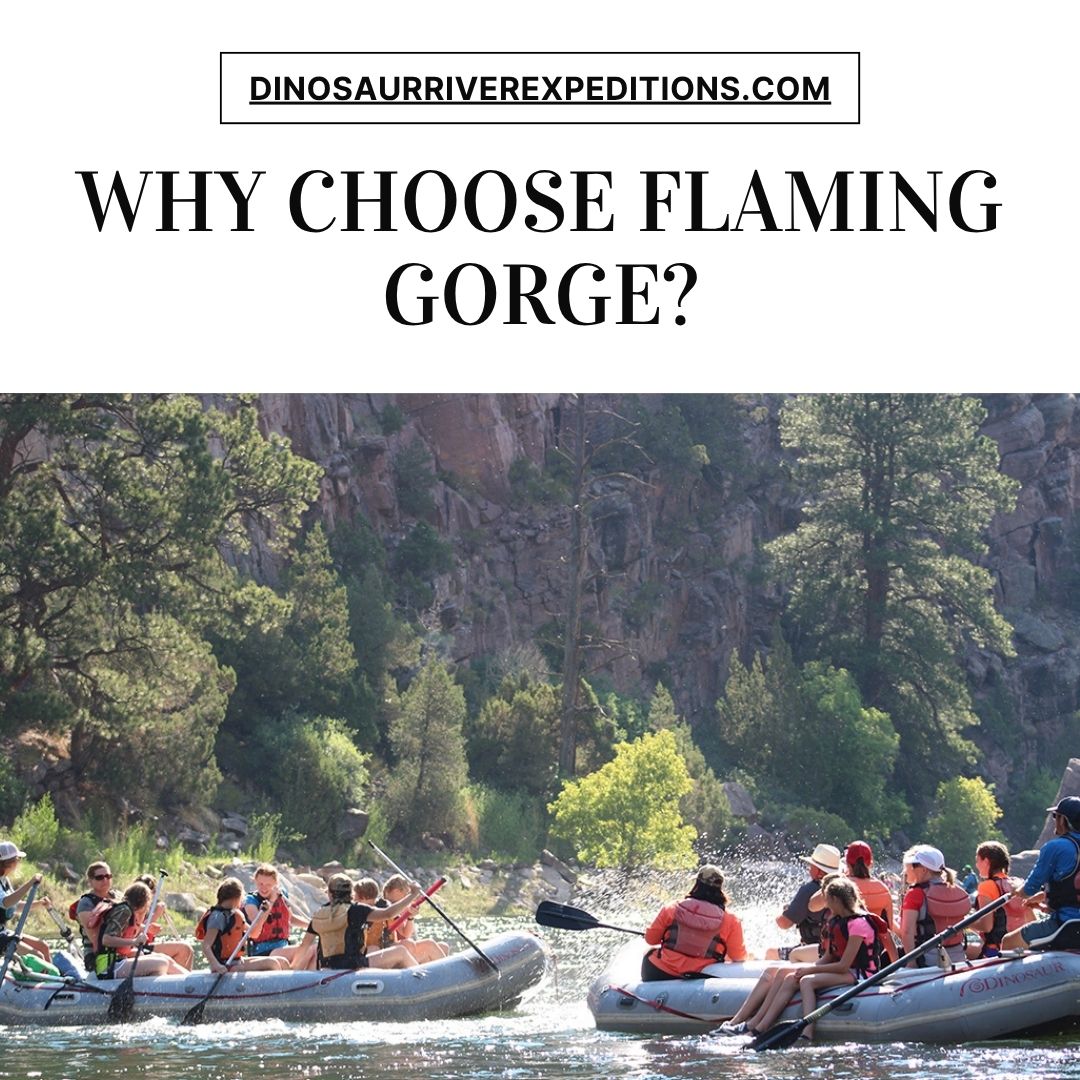 Why Choose Flaming Gorge for Your White Water Rafting Utah 1 Day Adventure?
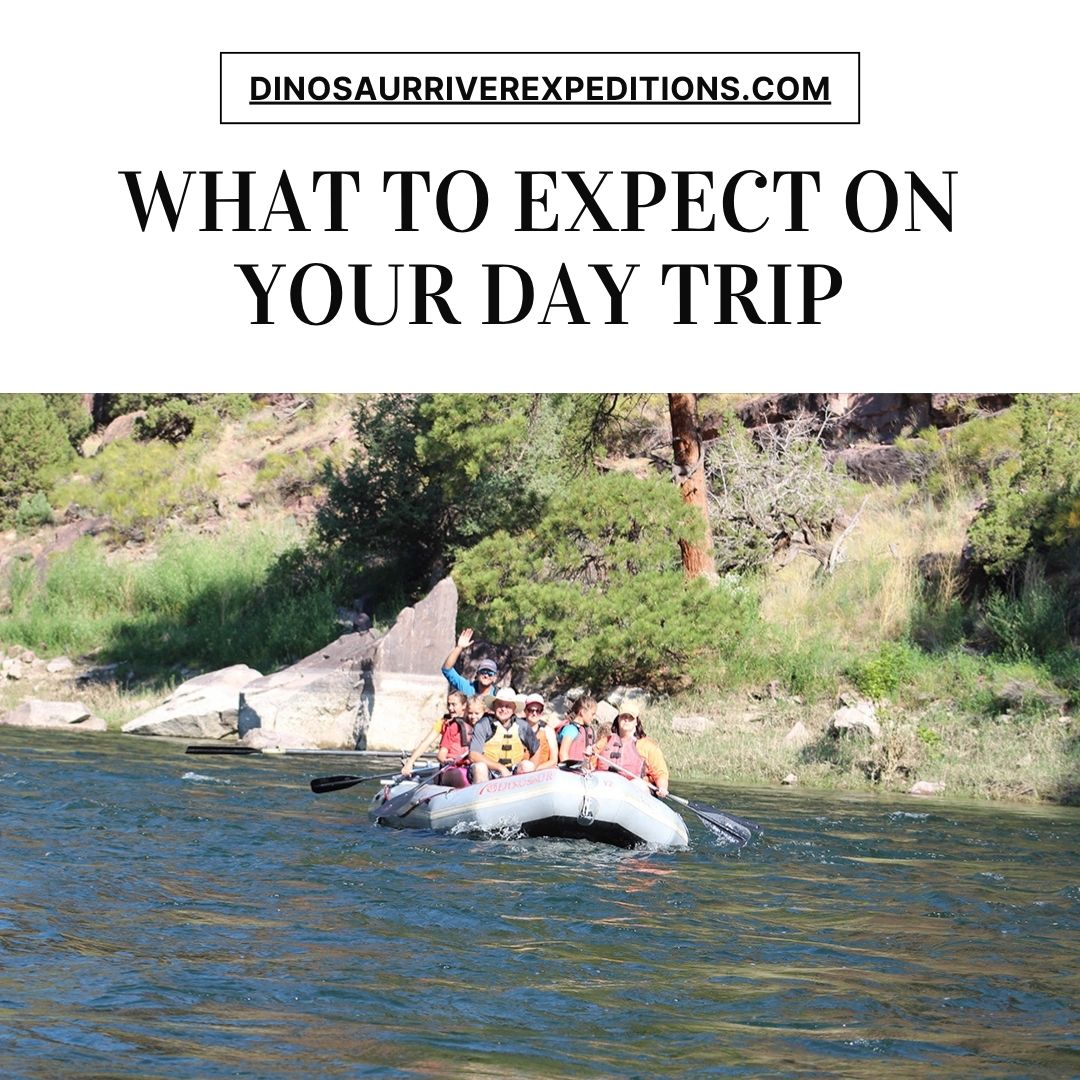 What to Expect on Your Flaming Gorge Day Trip
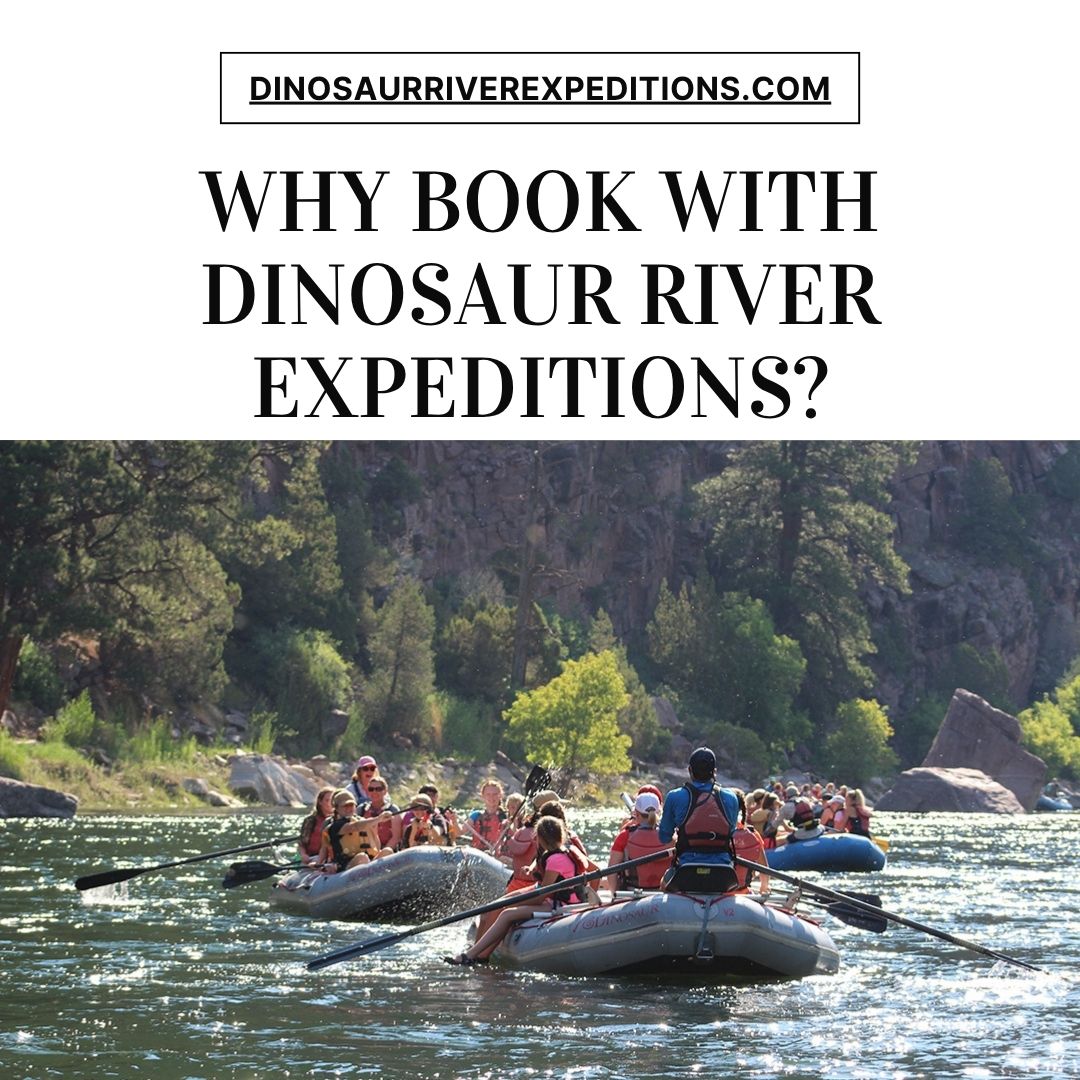 Why Book with Dinosaur River Expeditions?
 There’s something profoundly transformative about spending multiple days on the river. Multi-day rafting trips in Utah allow you to fully disconnect from modern life and immerse yourself in the rhythm of canyon country. These aren’t just rafting trips, they’re complete wilderness experiences that combine whitewater excitement with hiking, wildlife viewing, archaeological exploration, and camping beneath some of the darkest skies in North America.
 1. Gates of Lodore (Green River through Dinosaur National Monument)
 Understanding the costs of multi-day rafting trips in Utah helps you budget appropriately and recognize what’s included in your investment. Prices vary based on trip length, river difficulty, season, group size, and outfitter services.
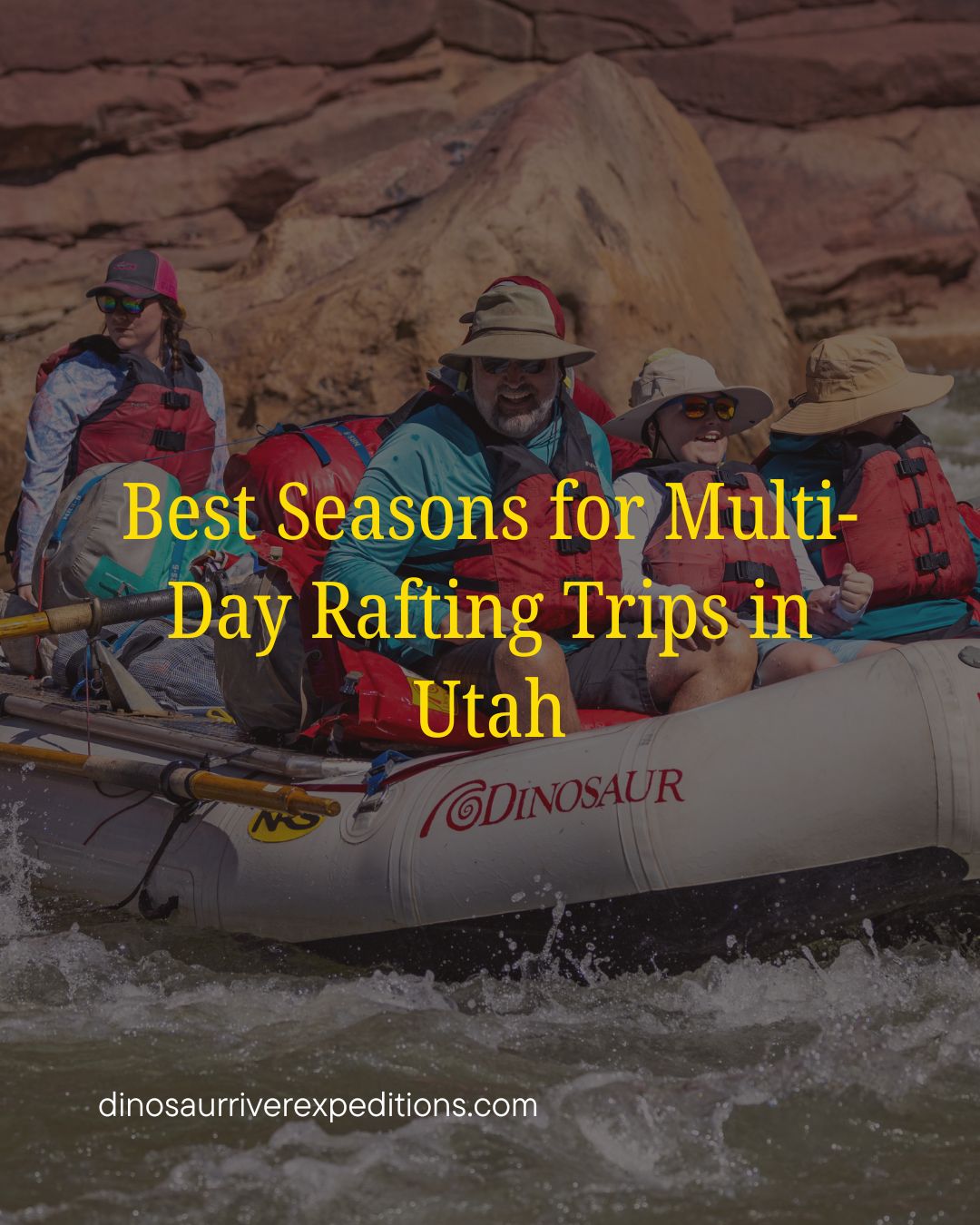 Spring (May–June)
 If you’re new to multi-day rafting trips in Utah, choosing the right first experience is crucial for building confidence and falling in love with river running. Here’s what beginners should know:
 What Makes Utah Float Trips Special?
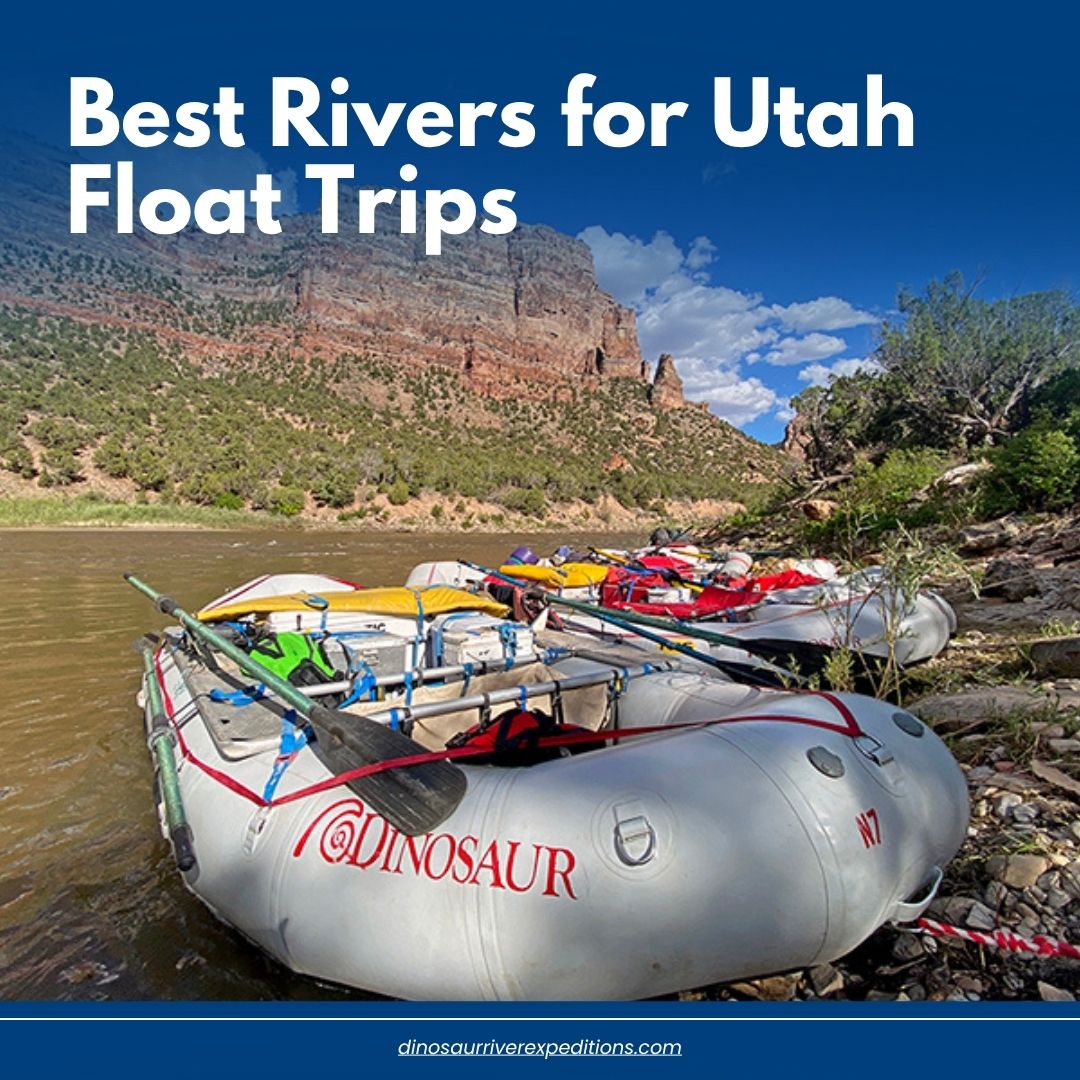 The Green River offers some of Utah’s most iconic float trip experiences:
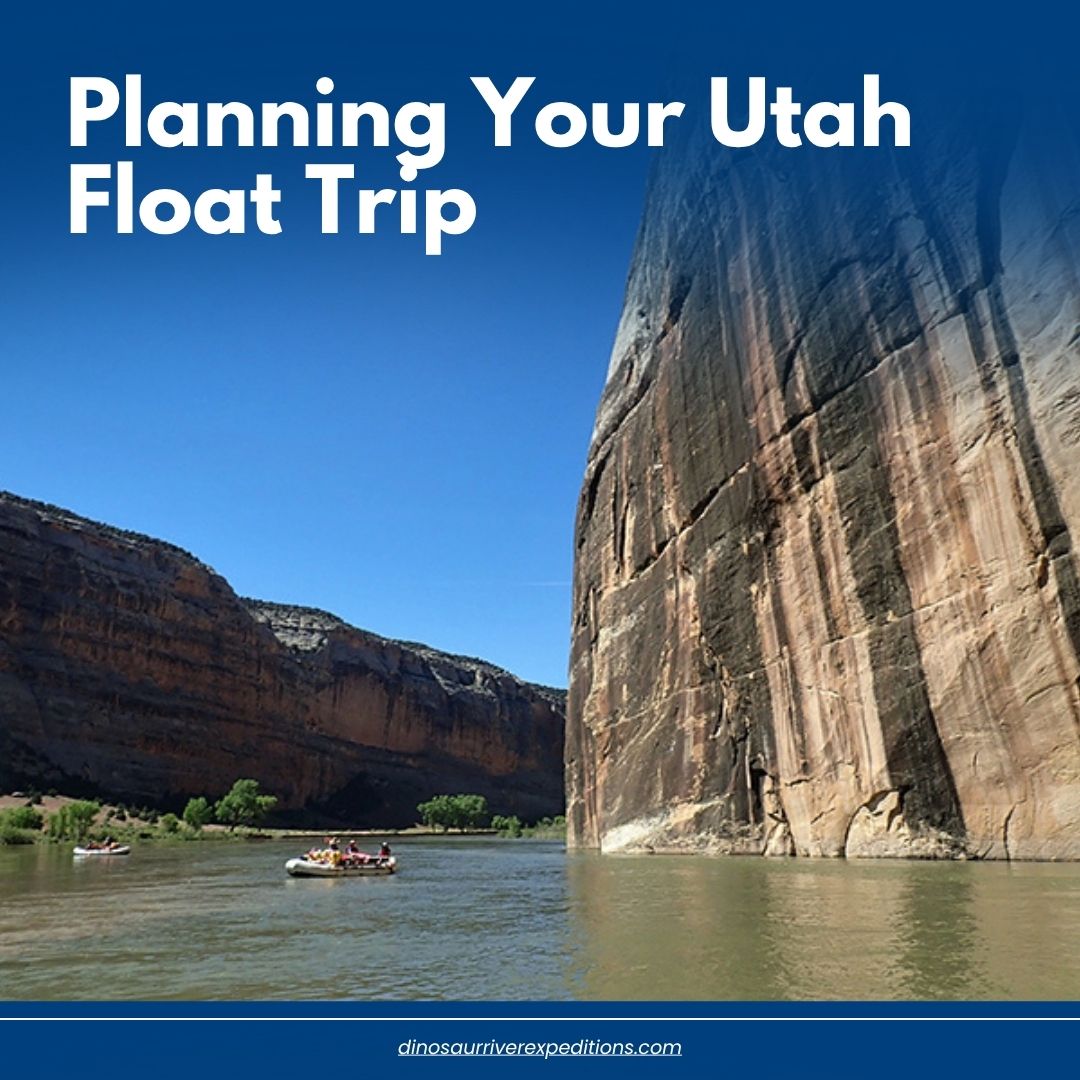 Spring (April-May): Higher water flows from snowmelt mean brisker currents. Water is colder but the desert is green and alive.
 Why the Colorado River Is Perfect for First-Time Rafters
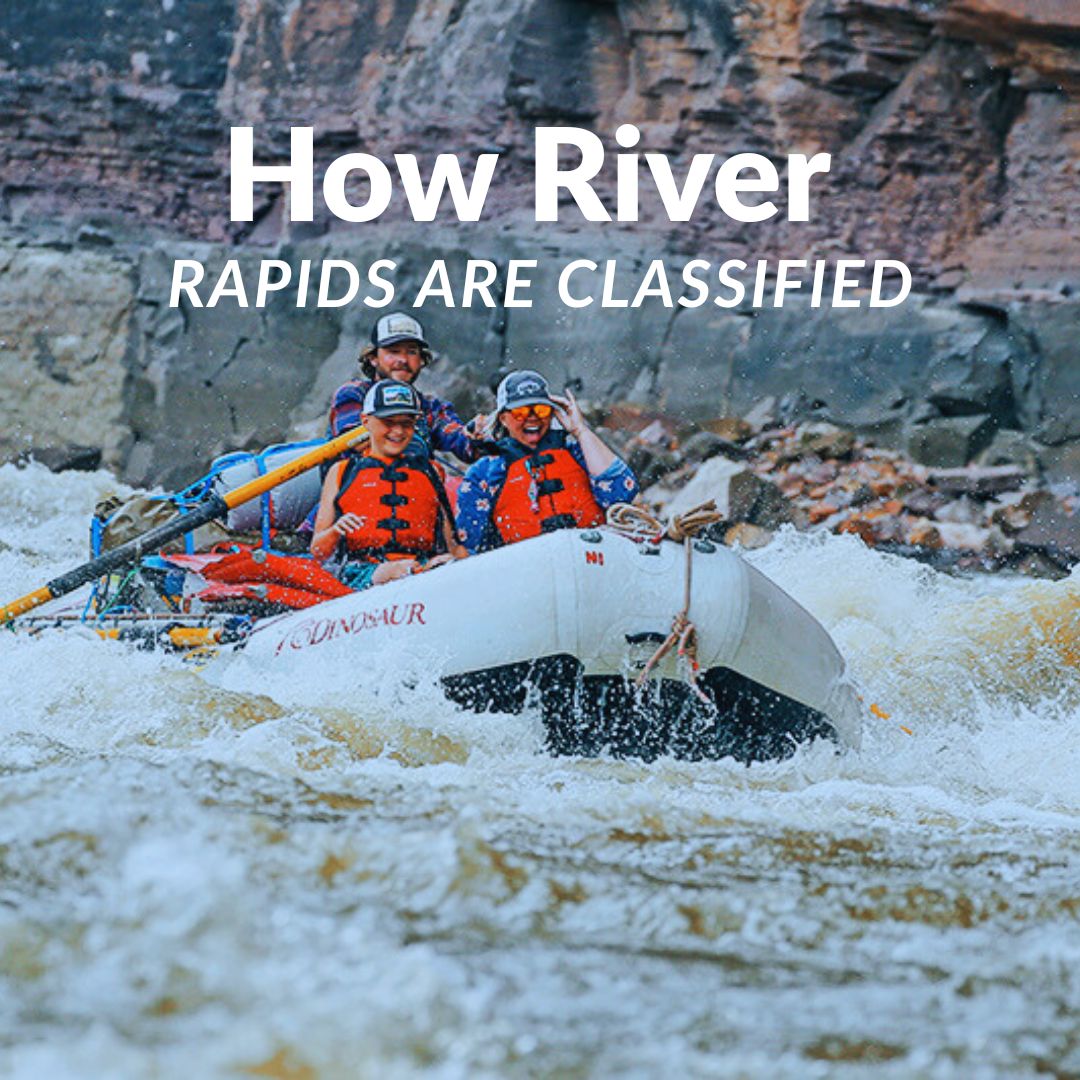 The International Scale of River Difficulty Explained
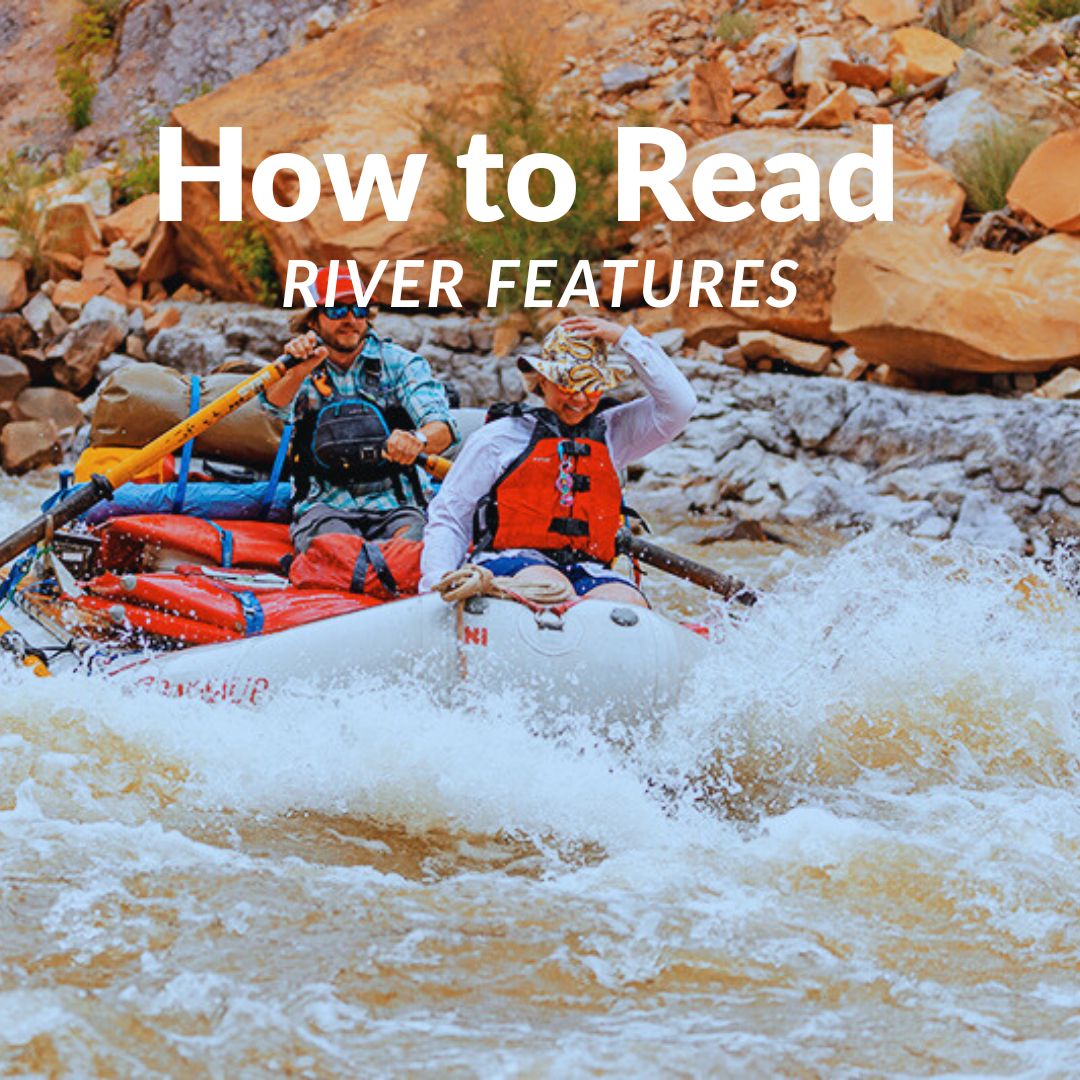 Understanding River Hydrology Basics
 Why Colorado is a Premier Rafting Destination
 Half-Day, Full-Day, and Multi-Day Adventures
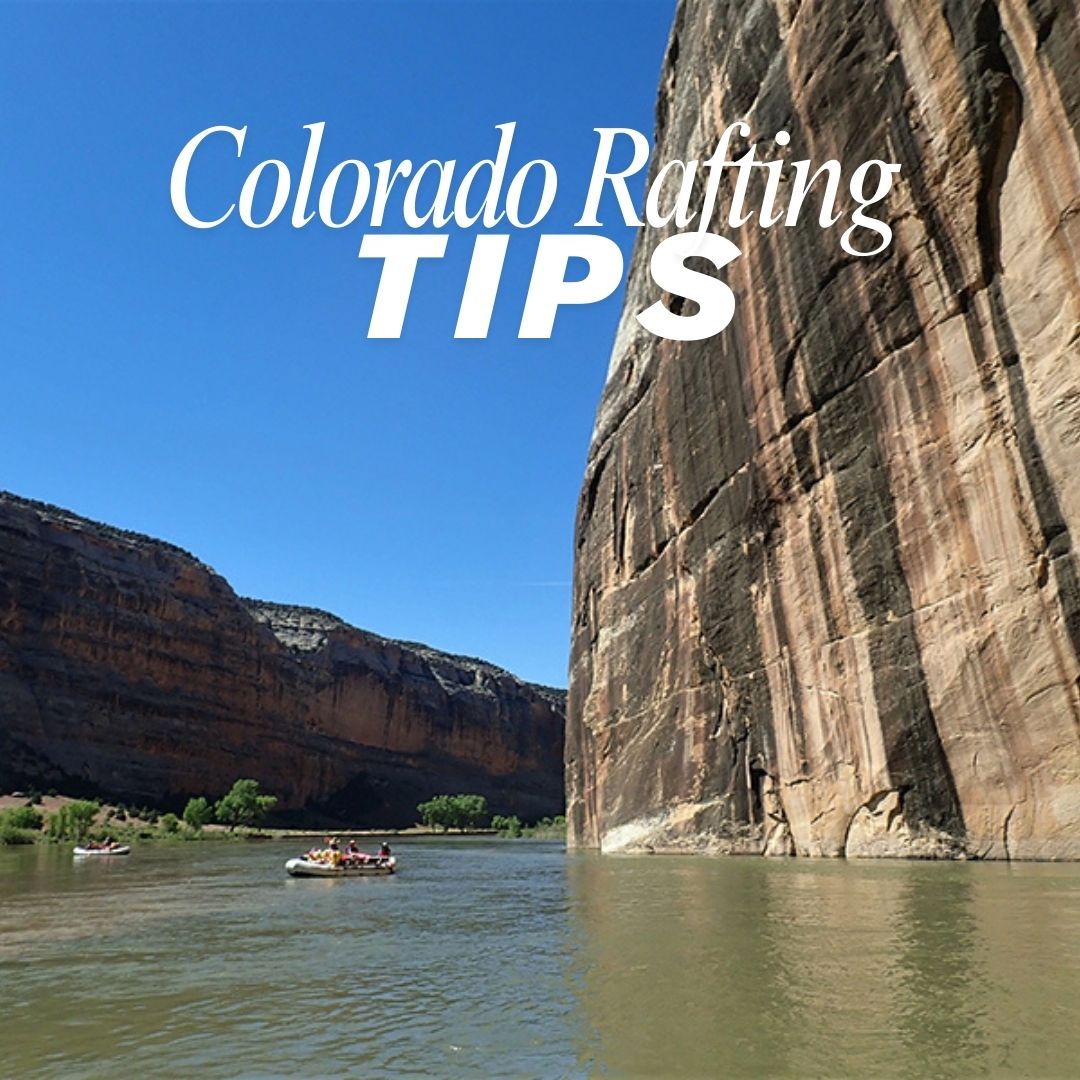 Overview of the Yampa River in Dinosaur National Monument
 Midday Meal and Canyon Culture
 I’ve spent many seasons guiding thrilling whitewater rafting expeditions on the vibrant rivers of Colorado. From the iconic Green River to the breathtaking Yampa and the robust Colorado River, each offers adventure seekers more than just rapids; they serve up an authentic slice of nature’s majestic harmony. Yet, while these destinations brim with beauty and thrill, I witness a silent struggle that demands our attention— the ecological impact of increasing rafting activities.
 Best Practices and Low-Impact Rafting Guidelines
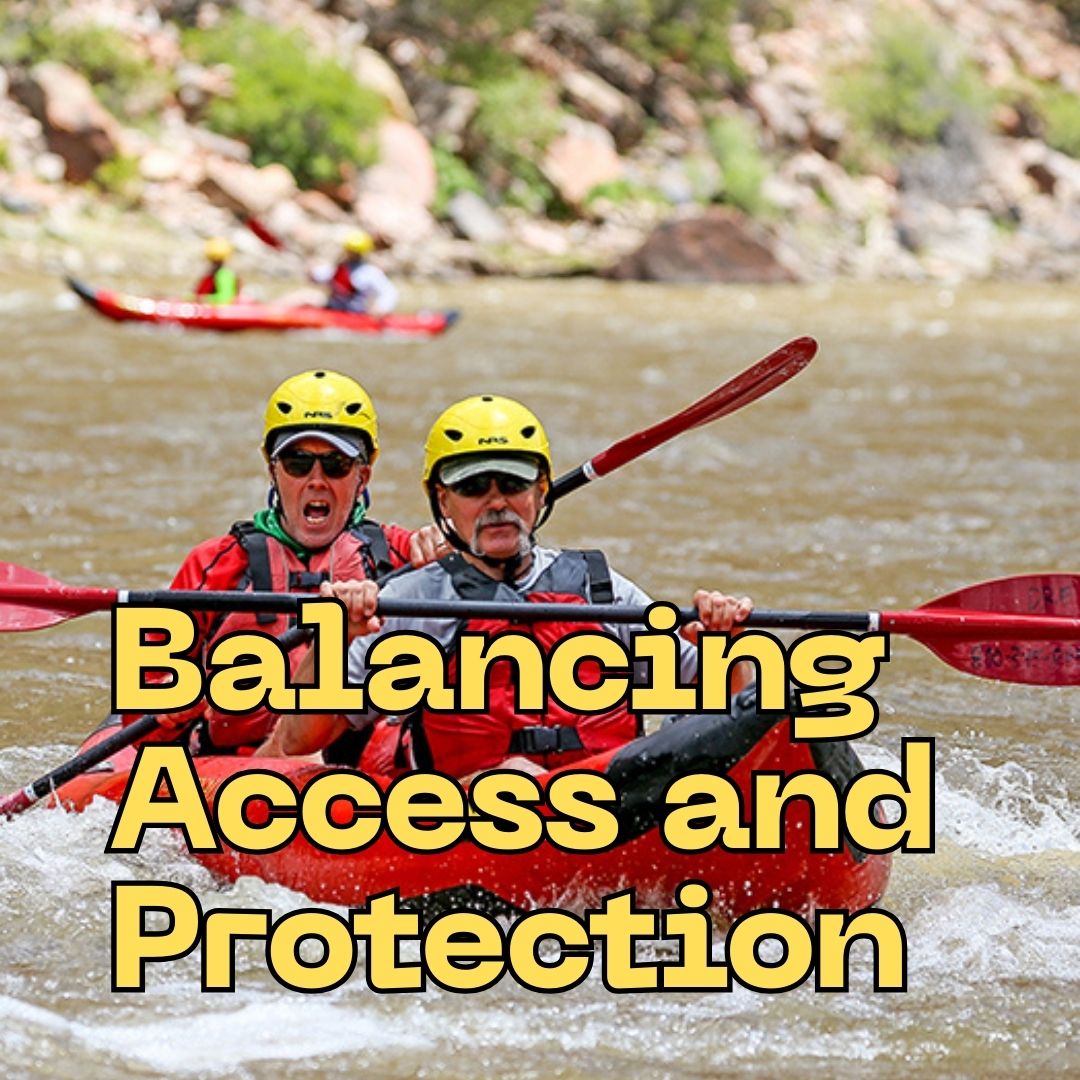 Nestled amidst Dinosaur National Monument’s storied landscapes are lessons in balance. Its historical richness and inherent biodiversity, encompassing species like the Colorado pikeminnow, coexist with recreation through strategic management by entities like
  The Colorado River – Scenic Floats and Overnight Adventures
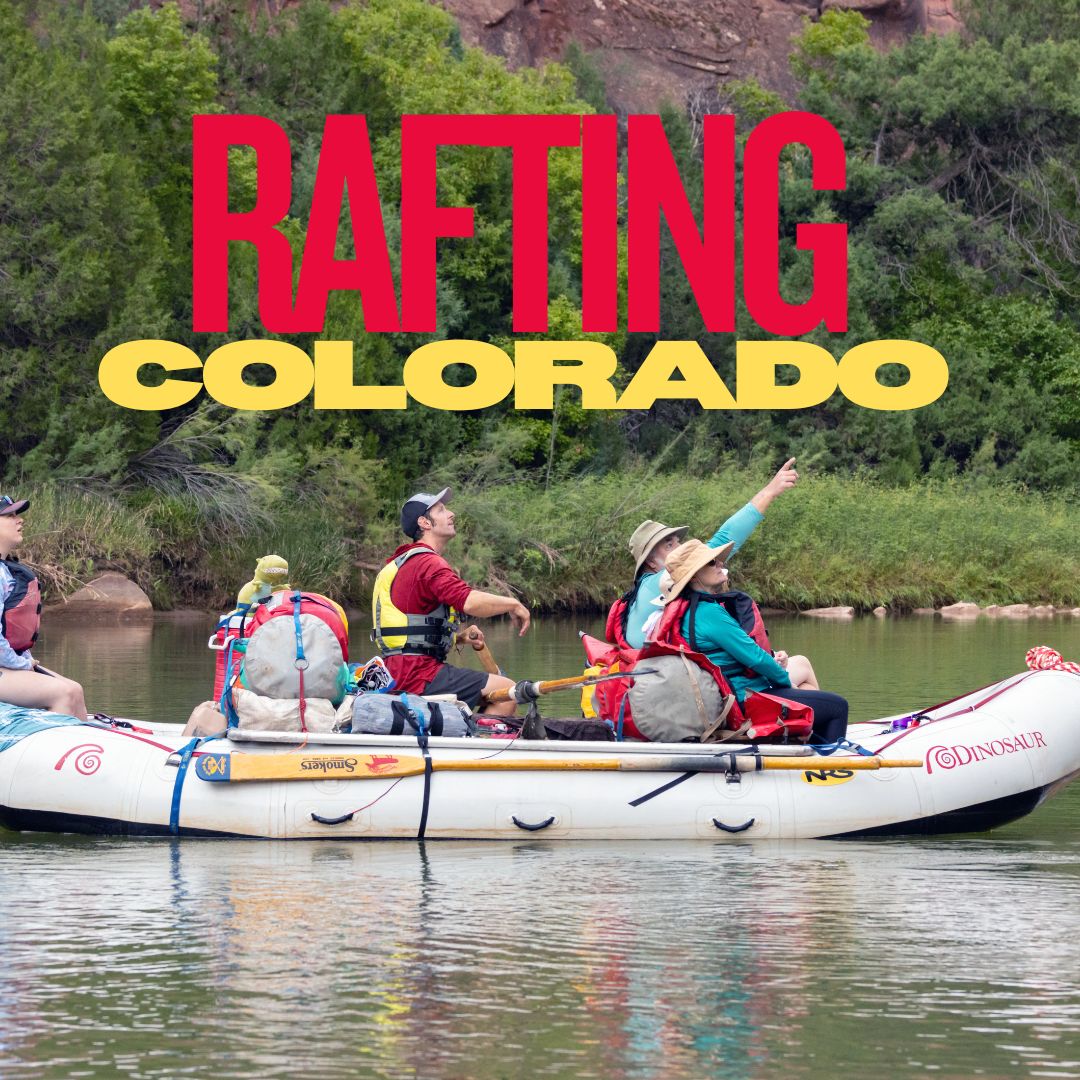 Guide Certification and Safety Standards
 Choose the Adventure That’s Right for You in Colorado
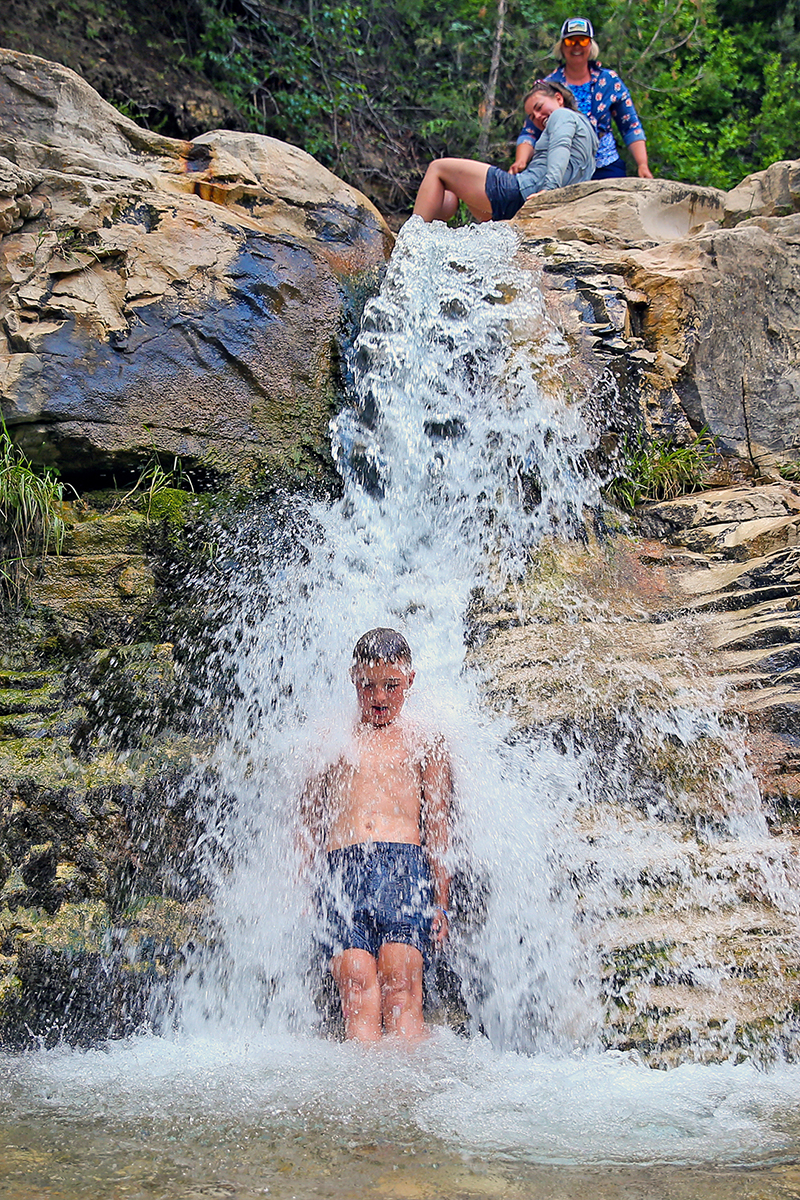 Why Summer Rafting Is So Popular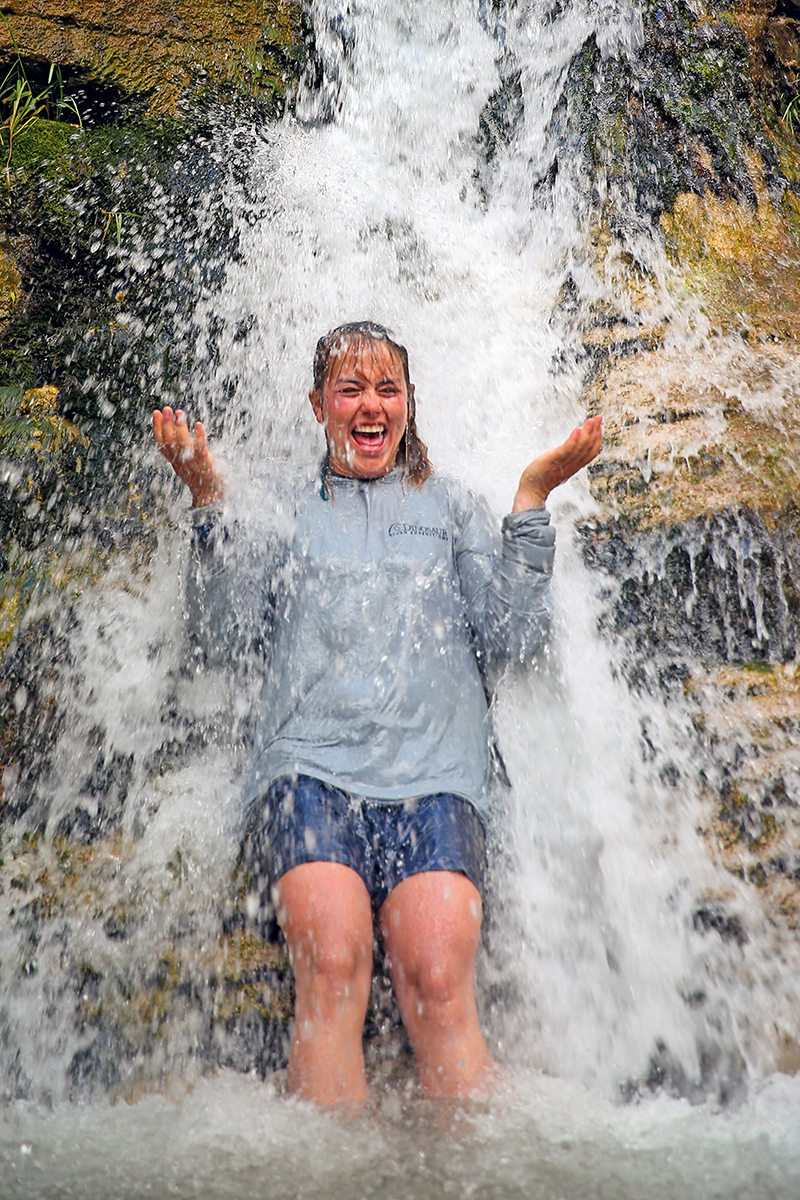
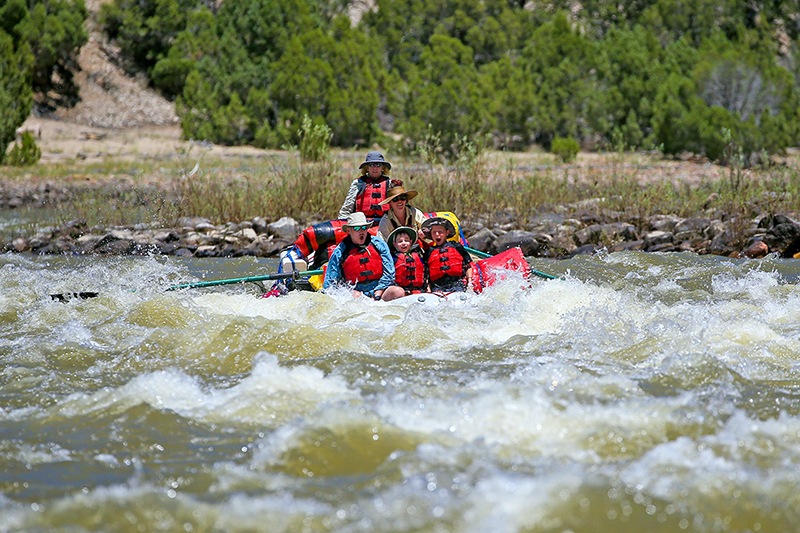 Heat-related illnesses develop fast. Know what to look for:
 Overview of Colorado’s Whitewater Season (May–September)
 Warm, Mellow Waters and Peak Accessibility
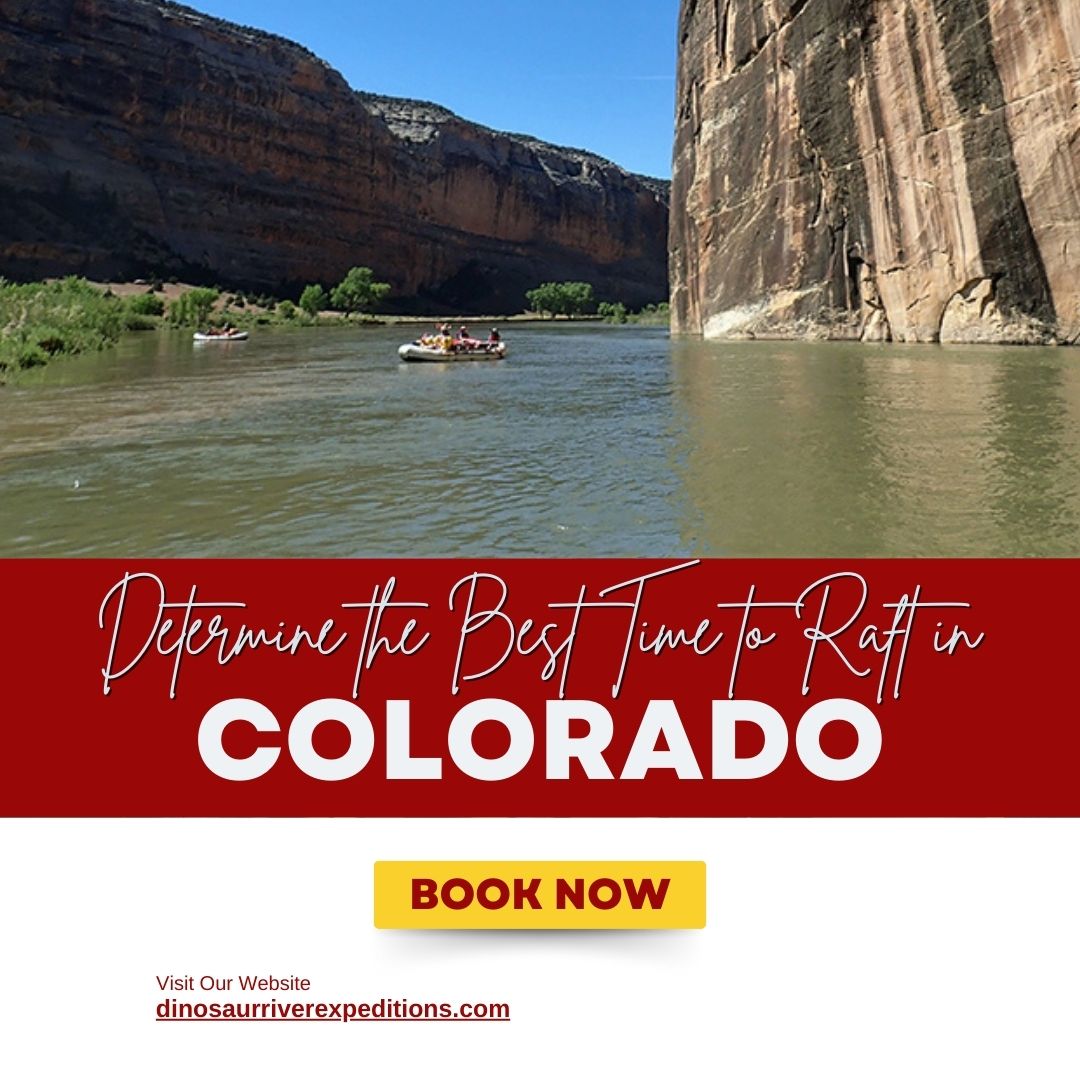 Snowpack Forecast and Spring Conditions