Traveling alone carries a unique thrill—complete freedom to follow your interests, move at your own pace, and embrace spontaneity without negotiation. But solo travel also presents challenges: safety concerns, loneliness, difficulty with group activities, and the awkwardness of being “the only one alone.”
Solo travel Utah rafting solves these challenges while preserving solo travel’s best aspects. River trips offer built-in social structure without forced interaction, guaranteed safety with professional guides, and adventure that rewards independent spirits while creating natural community. For solo travelers seeking genuine connection alongside personal growth, Utah’s rivers deliver experiences that solo museum visits and hotel stays simply can’t match.
Why River Rafting Works Perfectly for Solo Travelers
Built-In Social Structure
Traditional solo travel creates constant social negotiation. Do you eat dinner alone? Try joining conversations with strangers? Navigate group tours where everyone else came with someone? The social aspects of solo travel often feel awkward despite good intentions.
River trips eliminate this awkwardness entirely. Everyone’s on the same rafts. You share meals family-style. Evening camps create natural gathering spaces. The shared adventure provides instant common ground for conversation.
Even better, the group structure doesn’t force constant interaction. Solo travelers who need quiet time can claim a solo tent location slightly apart from others, sit quietly during calm river sections, or simply enjoy personal reflection time. The beauty of river trips is that solitude and community both exist naturally—you choose which you want in any given moment.
Safety Without Compromise
Solo travelers, especially women, often compromise on adventure due to safety concerns. Remote locations, challenging activities, and wilderness experiences feel risky when traveling alone.
Professional river trips solve this completely. Expert guides handle all technical aspects and emergency situations. Group structure provides social safety. Established campsites and proven itineraries eliminate navigation concerns. You get genuine wilderness adventure without solo safety risks.
For solo women travelers particularly, river trips offer something rare: challenging adventure in remote locations with complete security. Guides are professionals trained in wilderness first aid and emergency response. Fellow guests provide additional security through group presence. The structured nature of trips means you’re never truly alone, but you’re also never monitored or restricted.
Authentic Connections
Solo travelers seeking meaningful connection often struggle with surface-level tourist interactions. Brief conversations with hostel roommates or tour participants rarely develop into genuine friendships.
Multi-day river trips create different dynamics. Spending three to five days together—sharing challenges, meals, camps, and stunning scenery—builds real connections. Solo travelers regularly report forming lasting friendships on river trips that continue long after returning home.
The wilderness setting accelerates bonding. Shared adventure creates trust. Evening campfire conversations develop depth impossible in brief hostel interactions. And the absence of phones means people actually talk—about lives, dreams, experiences, and perspectives.
Personal Growth Through Challenge
Many solo travelers seek personal growth alongside adventure. River trips deliver both through manageable challenge in supported environment.
Running rapids tests courage. Multi-day wilderness camping builds confidence. Navigation of group dynamics develops social skills. Physical challenges prove capability. All this happens while professional guides ensure safety and success.
Solo travelers consistently report that river trips—especially longer, more challenging ones—become transformative experiences. They discover strengths they didn’t know they had, push through discomfort to growth, and return home fundamentally changed by the experience.
Choosing Your Solo River Adventure
One-Day Flaming Gorge: Testing the Waters
For solo travelers new to river rafting or unsure about multi-day wilderness commitment, the one-day Flaming Gorge trip offers perfect introduction.
Seven miles of scenic river with Class II rapids provide excitement without overwhelming first-timers. The single-day format means manageable time and financial commitment. And the trip returns to Vernal by mid-afternoon, allowing solo travelers to maintain other travel plans.
The social aspect works well for introverts. You meet people but aren’t required to spend multiple days together. You experience river adventure, gauge your interest, and decide if longer trips appeal—all in one day.
Three-Day Flaming Gorge: The Sweet Spot
Most solo travelers find the three-day Flaming Gorge trip ideal for solo travel Utah rafting. It’s long enough for genuine wilderness immersion and meaningful connections but not so long that social dynamics become stressful or costs become prohibitive.
The Class II rapids balance excitement with accessibility. The pace allows personal reflection time alongside group interaction. And three days provides enough shared experience that genuine friendships develop.
Solo travelers particularly appreciate this trip’s flexibility. You can engage socially as much or little as desired. Morning coffee alone watching sunrise. Afternoon paddling with new friends. Evening campfire participation or quiet tent time—it all works.
Four-Day Gates of Lodore: Stepping Up the Challenge
Solo travelers comfortable with camping and seeking more adventure find Gates of Lodore perfect. The 44-mile journey through Dinosaur National Monument features Class III-IV rapids that demand attention and build confidence.
The increased challenge creates strong group bonds. Shared navigation of serious whitewater builds camaraderie faster than gentler trips. Solo travelers often report forming particularly close friendships on Gates of Lodore trips because the challenge requires mutual support and encouragement.
Four days also allows deeper personal processing. The extended wilderness time creates space for reflection impossible in shorter trips. Many solo travelers describe Gates of Lodore as transformative—they arrive seeking adventure and leave having gained profound personal insights.
Five-Day Yampa River: Ultimate Solo Adventure
The Yampa River represents the pinnacle experience for adventurous solo travelers. Seventy-two miles through true wilderness, limited seasonal availability, and complete disconnection from modern life make this trip special.
Solo travelers on the Yampa report finding community unlike any other trip. Five days together, running challenging rapids, visiting ancient petroglyphs, camping under spectacular stars—these shared experiences create bonds that feel almost familial.
The Yampa also offers profound solitude within group context. During calm river sections, you can drift peacefully while others chat. At camp, you can explore alone while knowing community awaits. The balance of connection and solitude feels perfect for solo travelers seeking both.
What Solo Travelers Should Know
Booking and Pricing
River trip pricing is per person regardless of solo or group booking. Solo travelers pay the same rates as couples or families, with no single supplements—a rarity in adventure travel.
This makes solo travel Utah rafting economically feasible. You’re not penalized financially for traveling alone. The all-inclusive nature of trips (meals, camping equipment rentals, guides, transportation) means solo travelers know exact costs upfront without surprise expenses.
Book early for best date selection, especially if traveling during peak summer season. Solo travelers have flexibility couples and families lack—you can often snag last-minute openings or fill odd spaces in group bookings.
Joining Scheduled Departures
Solo travelers typically join scheduled departure dates with other guests. Group sizes vary from 8 to 24 people depending on trip and date.
This scheduled departure system works beautifully for solo travelers. You’re guaranteed companionship without needing to organize groups yourself. Fellow guests are also adventurers who chose wilderness trips—shared values create natural compatibility.
Group composition varies. Some trips include mostly families, others attract mixed solo travelers and couples, still others draw friend groups. The office staff can sometimes preview group composition for specific dates if you have preferences, though this isn’t guaranteed.
Tent and Sleeping Arrangements
Solo travelers need individual tents. If you don’t own camping gear, Dinosaur River Expeditions offers rental options:
Sleeping kit rental ($45): Includes sleeping bag rated for 20 degrees, river pad, and pillow
Tent rental ($50): Four-person capacity tent
River pad only rental ($25): If you’re bringing your own sleeping bag
You choose your tent location at each camp. Solo travelers can camp near the group for social proximity or select slightly isolated spots for privacy—both work fine and nobody judges either choice.
Solo Women Travelers
Women traveling alone frequently ask about safety and comfort on river trips. The answer is overwhelmingly positive—river trips provide one of the safest solo travel experiences available.
Professional guides maintain safe, respectful environments. Inappropriate behavior isn’t tolerated. Fellow guests are typically respectful adventurers who chose wilderness experiences. The group structure provides security while preserving independence.
Privacy concerns are addressed through proper campsite setup. Guides establish bathroom facilities in private locations. Tents provide personal space. And the culture of river trips respects everyone’s need for privacy and safety.
Women solo travelers report feeling safer on river trips than in hostels, hotels, or traditional tours. The wilderness setting ironically feels more secure than urban environments because the group is small, vetted (everyone booked through reputable outfitter), and guided by professionals.
Social Dynamics and Interaction
Solo travelers worry about social awkwardness—being the “only one alone” in groups of couples and families. River trips minimize this concern through activity structure.
Rafts mix people naturally. You’re not sitting alone at restaurant tables or walking behind couple conversations. You’re paddling alongside others, sharing boats, experiencing adventure together. The activity itself creates equality that static social situations can’t match.
Meal times on river trips work differently than restaurant dining. Food is served family-style. Everyone gathers around the spread. Conversation flows naturally across the group rather than fragmenting into separate tables. Solo travelers integrate seamlessly rather than eating alone.
Evening camps provide options. Join campfire gatherings or retreat to your tent—both are normal, and your choice varies night to night based on mood and energy.
Making the Most of Your Solo River Adventure
Arrive with Open Mind
Solo travel Utah rafting rewards openness. You’ll meet people from different backgrounds, ages, and life situations. Approaching everyone with curiosity and friendliness creates opportunities for unexpected connections.
Share your story when asked, but also ask questions and listen genuinely. River trips create rare space for deep conversation—people open up around campfires in ways they wouldn’t over coffee in cities.
Balance Social Time and Solitude
Don’t feel obligated to be “on” constantly. The beauty of river trips is that both socializing and solitude feel natural. Participate when energized, retreat when needing quiet. Nobody tracks your social participation or judges your need for alone time.
Many solo travelers report finding perfect rhythm: social during rapids and meals, contemplative during calm river sections and morning coffees, engaged during evening gatherings, peaceful in tents. This natural flow prevents both loneliness and social exhaustion.
Embrace the Challenge
Solo travel already demonstrates courage. River trips offer opportunities to build on that courage through physical and mental challenges.
Try the inflatable kayak if offered. Volunteer to help with camp tasks. Participate in hikes to archaeological sites. Push slightly beyond comfort zones knowing guides ensure safety. These small challenges build confidence that extends far beyond the trip.
Stay Connected (After the Trip)
Exchange contact information with people you connect with. Solo travelers who form friendships on river trips often maintain those connections, sometimes traveling together again or simply staying in touch across distances.
The shared intensity of river adventure creates bonds that endure. People who raft together often become lifelong friends, united by memories of rapids run, stars witnessed, and conversations shared in wilderness.
Common Solo Traveler Concerns Addressed
“Will I be the only solo person?” Solo travelers are common on river trips. Most departures include mix of solo travelers, couples, and families. Even if you’re the only solo person on your specific trip, the group nature of the experience means you won’t feel isolated.
“I’m an introvert—will this be overwhelming?” River trips work beautifully for introverts. Activity structure creates natural social interaction without forcing constant engagement. You can recharge in solitude during calm river sections or in your tent, then join group activities when energized.
“What if I don’t click with the group?” Groups are small enough that you’ll likely find compatible people. And even if group chemistry isn’t perfect, the trip is short enough (3-5 days) to manage. Plus, the river itself—scenery, adventure, challenge—provides fulfillment independent of social dynamics.
“Is it safe for solo travelers in wilderness?” River trips are among the safest solo travel experiences available. Professional guides handle all safety aspects. Established itineraries eliminate navigation risks. Group structure provides security. Emergency communication equipment ensures help if needed.
“Will I feel awkward as the single person?” The activity-focused nature of river trips prevents the awkwardness common in other solo travel situations. You’re not eating alone at restaurants or joining couple activities—everyone’s doing the same adventure together, and solo status becomes irrelevant.
Visit Us and Start Your Solo Adventure
Ready to experience Utah rivers as a solo traveler? Visit our Google Business profile to see how other adventurers have discovered the magic of solo river travel.
See what solo travelers and groups are saying:
Great day of rafting with gorgeous views. Jared and Jess worked hard to ensure that everyone had fun.
Julie S
Best part of our vacation! Did a daily trip. Guides were engaging, knowledgeable, and fun. Lunch exceeded expectations. Scenery was of course spectacular.
Rosie Yang
Very organized. Safe. Good equipment. Knowledgeable guides. Timely. Good food. Sandwiches taste good after an hour on the River. Safe for kids. Maybe 6 or 7. Ask them. Shuttle... read more included. Beautiful canyons Flaming Gorge. Wear water shoes. NOT sandals. Sun screen a must. Tip guided $5 or $10 per person. They are worth it.
ATT GGG
Jen was a great guide. Extremely knowledgeable about the plants and animals of the area and an expert guide.
Brian B
Our experience on the 5 day Yampa river trip was great. The guides ensured that our experiences on the water, in camp, and on hikes were the best. The scenery... read more was better than expected, it exceeded expectations each day of the trip. The food was delicious and plentiful, with a varied menu each day that was exceptional for camping food. Our thanks to Kass (owner) and guides Peyton, Rain, Lauren, Luke and Marcus for going the extra mile to provide a memorable trip.
Dave Stangler
If you are looking to reconnect with nature all I can say is wow. Stunning scenery. Exciting rapids. Incredible time spent on a true adventure. Worth every single penny. Special... read more thanks to our incredible guides (Ben, Jacoby, Austin, Davis, Peyton, and Donovan) who were professional, courteous, fun loving, and true river rats. Appreciate the education about the areas history. Thanks to you Austin, I have new respect for what you do after getting a turn at the oars. Last, but not least, Yeehaw, but not on my front porch. 😜
Micah Breden
Find Our Vernal, Utah Location
Frequently Asked Questions About Solo Travel Utah Rafting
Do solo travelers pay extra for river rafting trips?
No, solo travel Utah rafting involves no single supplements or extra fees. Trip pricing is per person regardless of whether you’re traveling alone, with a partner, or in a group. This makes river trips unusually economical for solo travelers compared to many adventure activities that charge singles supplements. The all-inclusive pricing (meals, safety equipment, guide services included) means you know exact costs upfront. Gear rentals like sleeping kits ($45) and tents ($50) are optional extras available to everyone. Solo travelers pay the same rates as anyone else and receive the same high-quality experience, making river rafting one of the most solo-traveler-friendly adventures available.
Will I be stuck with couples and families as a solo traveler?
Solo travelers commonly join river trips, and group composition varies by departure date. Many trips include mix of solo travelers, couples, families, and friend groups. Even when you’re the only solo person on a specific departure, the activity-focused nature of river trips prevents awkwardness common in other travel situations. You’re not watching couples pair off—everyone’s rafting together, sharing meals family-style, and experiencing adventure as a unified group. The shared challenges and spectacular scenery create natural conversation topics and camaraderie that transcend relationship status. Many solo travelers report that after the first few hours on the river, solo versus coupled distinction becomes irrelevant as everyone bonds over the shared adventure.
Is it safe for women to travel solo on Utah river rafting trips?
Yes, solo travel Utah rafting provides exceptional safety for women traveling alone. Professional guides maintain respectful, secure environments and are trained in wilderness first aid and emergency response. Inappropriate behavior isn’t tolerated. Fellow guests are vetted (everyone booked through reputable outfitter) and typically respectful adventurers. Group structure provides social security while preserving independence. Campsites include private bathroom facilities in discrete locations. Tents provide personal space. Women solo travelers consistently report feeling safer on river trips than in hostels, hotels, or urban travel situations. The wilderness setting ironically feels more secure than cities because groups are small, guides are vigilant, and the river trip culture emphasizes mutual respect and support.
What if I’m introverted—will constant group interaction be exhausting?
River trips work exceptionally well for introverted solo travelers because they naturally balance social time with solitude opportunities. During calm river sections, you can drift quietly in peaceful contemplation. You can enjoy solo morning coffee watching sunrise before others wake. Your tent provides private retreat space each evening. Participation in campfire gatherings is optional—some nights you’ll feel social, others you’ll want quiet time, and both choices are completely normal and accepted. The activity structure creates natural social interaction during rapids and meals without forcing constant engagement. Many introverted solo travelers report that river trips provide the perfect rhythm: enough social connection to prevent loneliness, enough solitude to recharge, and enough flexibility to adjust based on daily energy levels.
How do I meet other solo travelers before the trip starts?
Solo travelers typically meet fellow guests for the first time at the pre-trip meeting in Vernal the evening before departure, or on departure morning itself. Unlike some group travel companies that facilitate pre-trip connections, Dinosaur River Expeditions doesn’t currently offer formal meet-up systems before trips. However, this works fine—the river experience creates bonds quickly once trips begin. If you’re particularly concerned about group dynamics, you can call the office and ask about group composition for your specific departure date, though they can’t always predict final makeup until closer to departure. Most solo travelers find that initial uncertainty resolves within hours of launching, as the shared adventure creates instant camaraderie regardless of whether people knew each other beforehand.
4 day family guided rafting trip through the Gates of Lodore in Dinosaur National Monument near Vernal, Utah.
Choosing when to experience Utah’s rivers dramatically affects your adventure. Spring runoff creates powerful high-water thrills. Summer delivers warm weather and family-friendly conditions. Fall offers solitude and spectacular colors. Each season brings distinct advantages, and understanding these differences helps you choose the best time to raft Utah based on your priorities.
Beyond seasonal considerations, booking timing matters enormously. Peak dates fill months in advance while shoulder season offers last-minute flexibility. Water levels fluctuate based on snowpack and weather patterns. Wildlife viewing peaks at specific times. This complete seasonal guide helps you understand when to book, when to go, and what to expect during different periods.
Utah river rafting season runs approximately May through September, though exact dates vary by river:
Flaming Gorge (Green River): Late May through Labor Day weekend (early September). The dam-controlled releases create reliable flows throughout summer.
Gates of Lodore (Green River): Late May through September. Natural flows from upstream snowmelt supplemented by Flaming Gorge Dam releases.
Yampa River: Late May through mid-June typically, occasionally extending into early July in high-snow years. The Yampa is snowmelt-dependent and free-flowing, making it highly seasonal.
These windows reflect when rivers offer optimal rafting conditions—sufficient water, acceptable temperatures, and manageable weather patterns.
What Drives Seasonal Differences
Rocky Mountain snowpack determines river character throughout the season. Heavy winter snowfall creates extended high water. Light snow years mean shorter seasons and lower flows.
Spring snowmelt typically peaks in late May through mid-June. As temperatures rise, mountain snow melts rapidly, swelling rivers to their highest annual flows. This creates powerful rapids and fast currents.
By mid-July, snowmelt diminishes. Rivers settle into summer base flows—still plenty of water for excellent rafting, but calmer than spring conditions. These flows continue through August.
September brings fall conditions: lower water, cooler temperatures, and changing foliage. The season winds down as temperatures drop and flows diminish toward winter levels.
Month-by-Month Breakdown
May: Season Launches
Water Conditions: Rivers begin running as snowmelt accelerates. Early May often has insufficient water, but late May typically marks season opening. Flows are building toward peak levels.
Weather: Highly variable. Daytime temperatures range from 60s to 80s°F. Nights can drop to 40s or even 30s. Rain is possible. Late spring storms occasionally bring cold snaps.
Best For: Adventurers comfortable with cooler weather and variable conditions. Great for people with schedule flexibility who want to avoid summer crowds.
June: Prime Season Begins
Water Conditions: Peak flows typically occur in June, especially early-to-mid month. This is high water season with powerful rapids and fast currents. The Yampa River runs almost exclusively in June.
Weather: Warming significantly. Daytime temperatures 70s to 90s°F. Nights in 50s to 60s. Generally stable weather though afternoon thunderstorms possible.
Advantages:
Yampa River trips available (limited to June in most years)
Higher water means more powerful rapids (exhilarating but intense)
Water remains cold from snowmelt
Premium dates fill 6-12 months ahead
Best For: Adventurers seeking maximum whitewater excitement. Yampa River enthusiasts—this is your window. Families with kids out of school.
July: Peak Family Season
Photos from a four-day Gates of Lodore rafting trip with Dinosaur River Expeditions on the Green River through Dinosaur National Monument in Colorado and Utah.
Water Conditions: Flows moderating from June peaks. Still excellent rafting water but calmer than spring runoff. Rapids remain exciting without being overwhelming.
Weather: Warmest month. Daytime temperatures often 85-100°F. Nights comfortable in 60s-70s. Occasional afternoon thunderstorms provide dramatic skies and brief cooling.
Advantages:
Warmest water temperatures—swimming is pleasant
Warm nights make camping comfortable
Stable weather patterns
Ideal conditions for first-time rafters and families
Long days allow extended river exploration
Considerations:
Busiest month—highest demand
Desert heat during mid-day can be intense
Books far in advance (8-12 months for popular dates)
No Yampa River trips (season ended)
Best For: Families with children. First-time rafters. Anyone preferring warm weather and gentler water. People who want maximum swimming opportunities.
August: Sweet Spot Season
Photos from a four-day Gates of Lodore rafting trip with Dinosaur River Expeditions on the Green River through Dinosaur National Monument in Colorado and Utah.
Water Conditions: Summer base flows—lower than spring but still excellent for rafting. Rapids are milder, currents more manageable. Perfect for nervous first-timers.
Weather: Remains hot with slight moderation from July peaks. Daytime temperatures 80-95°F. Nights cooling slightly to 55-65°F. Afternoon thunderstorms more common.
Advantages:
Excellent balance of warm weather and manageable water
Slightly less crowded than June-July
Warm water ideal for swimming and playing
Wildlife still very active
Easier booking than peak months
Considerations:
Lower water means slower trip pace
Rapids less intense than spring (pro or con depending on preference)
Can still be quite hot mid-day
Later August shows season winding down
Best For: First-time rafters seeking gentler introduction. Families with young children. Anyone who wants prime conditions without peak season crowds.
September: Shoulder Season Beauty
Water Conditions: Lower flows continue diminishing. Still raftable but noticeably calmer than earlier months. Trip pace slower with more time in calm sections.
Weather: Cooling significantly. Daytime temperatures 65-80°F. Nights can drop to 40s. Early fall weather brings crisp mornings and comfortable afternoons.
Advantages:
Spectacular fall colors beginning (cottonwoods turning yellow-gold)
Significantly fewer people—real solitude
Cooler temperatures for comfortable hiking
Easier booking—often last-minute availability
Wildlife preparing for winter—interesting behaviors
Considerations:
Pack for cold weather—especially nights
Water is cooler—less appealing for swimming
Shorter days mean less river time
Season ends around Labor Day for most operators
Lower rapids intensity (gentler experience)
Best For: Photographers seeking fall colors. People who value solitude over peak conditions. Budget-conscious travelers (sometimes late-season discounts). Experienced rafters comfortable with variable weather.
River-Specific Seasonal Considerations
Yampa River: The Limited Window
The Yampa’s free-flowing nature creates the most restricted season of Utah’s rafting rivers. Most years, the Yampa runs only from late May through mid-June—a mere 3-4 weeks.
High-snow years might extend the season into early July. Low-snow years can shorten it to just 2-3 weeks in early June. This variability makes Yampa booking complex.
When to Book: 12-18 months in advance for the best time to raft Utah’s Yampa River. Serious demand meets limited supply. If you want specific dates, book immediately when the season schedule opens.
Weather Gambling: Early Yampa trips (late May) risk cold, unsettled weather. Mid-June trips usually offer better weather but might catch falling water levels. There’s no perfect guarantee—you’re gambling on mountain snowmelt timing.
The Reward: Despite booking challenges, the Yampa delivers unmatched experiences. As the last major undammed tributary of the Colorado River system, it represents authentic wilderness that most rivers can’t match.
Gates of Lodore: Season-Long Consistency
The Green River through Gates of Lodore benefits from Flaming Gorge Dam upstream. While primarily fed by natural flows, dam releases provide supplemental water ensuring season-long raftability.
Early season (late May-June) brings higher natural flows and more exciting rapids. Mid-season (July) offers warmer water and comfortable weather. Late season (August-early September) provides gentler conditions perfect for families.
When to Book: 6-12 months ahead for summer peak dates. Spring and fall trips often book 3-6 months out. Gates of Lodore’s consistency means you can choose timing based on preferences rather than worrying about whether sufficient water exists.
Flaming Gorge: Dam-Controlled Reliability
The Green River below Flaming Gorge Dam offers the most reliable conditions. Dam releases maintain consistent flows regardless of natural fluctuations, creating season-long raftability.
Water temperature stays notably cooler than other rivers due to dam releases from deep reservoir. Even in August, the water remains refreshingly cold—great for hot days, but swimming sessions stay brief.
When to Book: One-day trips: 1-3 months ahead usually sufficient except peak summer weekends. Three-day trips: 4-8 months ahead for summer dates. The reliability means less urgency than Yampa booking, but popular dates still fill.
Booking Strategy by Priority
If You Want Maximum Rapids
Book June dates, especially early-to-mid month when flows peak. The Yampa River in early June delivers the most intense whitewater. Gates of Lodore in June offers excellent big water. Flaming Gorge has more consistent flows but June provides peak excitement there too.
Timeline: Book 12-18 months ahead for Yampa, 8-12 months for Gates of Lodore, 6-9 months for Flaming Gorge.
If You Want Warm Weather
July provides warmest air and water temperatures. August offers similar warmth with slightly less intensity. These months deliver the best time to raft Utah for swimming, lounging at camps, and comfortable nights.
Timeline: Book 8-12 months ahead for July, 4-8 months for August.
If You Want Fewer Crowds
Late May, late August, and early September offer significantly more solitude. You’ll encounter fewer groups on the river and at camps. The wilderness experience feels more genuine.
Timeline: Book 3-6 months ahead, sometimes less. Shoulder season offers booking flexibility peak season lacks.
If You Have Budget Constraints
Shoulder season (late May, late August, September) sometimes features discounted rates or promotional pricing. Call and ask about deals on specific dates. The value proposition improves as season ends.
Timeline: Book 2-4 months ahead, monitor for last-minute deals.
If You Want Yampa River Experience
You have no flexibility—book whenever Yampa season schedule opens (typically 12-18 months ahead). The limited window means accepting whatever weather and water conditions June brings. The reward justifies the uncertainty.
Timeline: 12-18 months minimum. Sooner if possible for best date selection.
Weather Patterns and What to Expect
Temperature Ranges
Desert canyon environments create dramatic temperature swings between day and night:
May: Days 60-80°F, nights 35-50°F June: Days 70-90°F, nights 50-65°F July: Days 85-100°F, nights 60-75°F August: Days 80-95°F, nights 55-70°F September: Days 65-80°F, nights 40-55°F
These ranges vary based on specific weather patterns, canyon orientation, and elevation. Always pack layers regardless of season.
Precipitation
Utah’s canyon country is desert—precipitation is relatively rare but not impossible.
Late afternoon thunderstorms are most common July-August. These typically bring brief, intense rain followed by clearing. They create dramatic light, rainbows, and temporary waterfalls down canyon walls.
Early season (May) can bring longer rain systems from lingering spring weather patterns. These are less common but more persistent when they occur.
Fall (September) usually offers stable, clear weather with minimal precipitation risk.
Sun Exposure
Regardless of season, sun exposure is intense. Canyon walls reflect sunlight. Water reflects additional UV radiation. You’re outdoors all day with minimal shade.
Sunscreen, hats, sun shirts, and sunglasses are essential equipment every month. The best time to raft Utah from a sun perspective doesn’t exist—you need protection year-round.
Wildlife Viewing Seasonal Guide
Spring (May-June)
Bighorn sheep lambing season—watch for ewes with young lambs navigating impossible cliffs. River otters are highly active. Migratory birds arrive and establish nesting territories. Wildflowers bloom, attracting pollinators.
Summer (July-August)
Young wildlife becoming independent—bighorn lambs grow larger and more adventurous, bird fledglings learn to fly. Raptors hunt actively. Deer visit riverbanks during cooler morning and evening hours.
Fall (September)
Migration patterns shift—some bird species begin moving south. Wildlife prepares for winter—bighorns descend from high country, deer fatten on last vegetation. Cooler temperatures make midday wildlife viewing more productive.
Visit Us and Plan Your Perfectly Timed Adventure
Ready to choose the best time to raft Utah for your priorities? Visit our Google Business profile for current information and guest experiences across all seasons.
See what guests say about their trips:
Our large family was disappointed when the day of our rafting trip arrived cold and rainy. We hadn’t prepared ver well for the weather, but the DRE crew hooked us... read more up with warm and waterproof gear. Jim provided safe transportation and local color, while Jess guided us confidently down the river and helped our kids feel safe and have fun. Our picnic lunch on a quiet beach was memorable. When we returned to the DRE base, they had donuts for us and said they felt bad about the weather. It wasn’t necessary, but it showed they cared about our experience. Thanks for everything!
Ryan Grange
Enjoyed a spectacular 5 day rafting trip on the Tampa and Green Rivers with Dinosaur River Expeditions. The guides were knowledgeable and very competent. Food delicious and plentiful. The campsites... read more were shady and lovely. Rapids were exciting. Highly recommend this outfitter!
Bonny Barr
Expert-level guides on a rich, river experience. Summer to remember
Chris Allison
The Gates of Ladore & the Yampa river are two absolutely gorgeous multi-day trips, only made more awesome by going w/Dinosaur River Expeditions. Did the Gates of Ladore... read more last year. Returned this year to do the Yampa. Don’t raft w/anyone else!
cabertani
I highly recommend booking a rafting trip through this company! I brought a group of middle school students to raft the Gates of Lodore section of the Green River with... read more Dinosaur River Expeditions. They created an incredible experience for the students, from fun days on the river to hilarious games at camp and incredibly good food. I had students crying the day we left because they had so much fun and didn’t want to leave. Dinosaur River Expeditions is also the only local guiding company in Vernal. They are amazing people and very experienced!
Ally Siegel
I highly recommend this company! We have gone on two rafting trips with them and both trips had excellent guides and great food. They could not have been better trips,... read more the scenery was stunning!
John Hershberger
Find Our Vernal, Utah Location
Frequently Asked Questions About Best Time to Raft Utah
What is the best month overall for Utah river rafting?
June and July represent the best time to raft Utah for most people, though “best” depends on priorities. June offers peak water flows creating maximum whitewater excitement, plus Yampa River availability, though weather can be variable and water remains cold. July provides warmest conditions ideal for families and first-timers, with comfortable swimming temperatures and stable weather, though rapids are gentler than spring. August offers excellent balance of warm weather and manageable water with fewer crowds than peak season. For maximum adventure, choose June. For comfortable family trips, choose July. For value and solitude, choose August or late May.
How far in advance should I book Utah river rafting trips?
Booking timeline depends on river and season. Yampa River trips require 12-18 months advance booking minimum due to limited June-only season and high demand. Gates of Lodore trips during peak summer (June-July) should be booked 8-12 months ahead, while shoulder season dates (May, August-September) can be booked 4-6 months out. Flaming Gorge multi-day trips need 4-8 months for summer dates, and one-day trips typically book 1-3 months ahead except busy weekends. Generally, the more specific your date requirements and the more popular the month, the earlier you should book. Call Dinosaur River Expeditions to discuss current availability for your preferred dates.
Can you raft Utah rivers in September?
Yes, September offers excellent rafting on the Green River through both Flaming Gorge and Gates of Lodore, though the season typically ends around Labor Day weekend (early September). September brings advantages: spectacular fall colors as cottonwoods turn golden, significantly fewer crowds creating genuine solitude, cooler comfortable temperatures for hiking, and often easier last-minute booking. However, September requires preparation for colder weather—nights drop to 40s°F, water temperature is cooler making swimming less appealing, and days are noticeably shorter than summer. The Yampa River doesn’t run in September as it’s snowmelt-dependent and flows diminish by late June. September is the best time to raft Utah for photographers, solitude-seekers, and experienced rafters comfortable with variable fall conditions.
What happens if water levels are too low when I booked my trip?
Water level concerns primarily affect the Yampa River since it’s free-flowing and snowmelt-dependent. If unusually low snowpack creates insufficient Yampa flows, Dinosaur River Expeditions contacts affected guests and offers alternatives: reschedule to different dates when flows are adequate, transfer to Gates of Lodore or Flaming Gorge trips instead, or receive full refunds. The Green River through Gates of Lodore and Flaming Gorge maintains reliable flows throughout the season thanks to upstream dam management, making low-water cancellations extremely rare. When you book, particularly for early or late season, ask about current snowpack and flow predictions. Dinosaur River Expeditions monitors conditions closely and communicates proactively if concerns arise, ensuring you’re never surprised by cancellations.
Is June or July better for families with children?
July is typically better for families with children as the best time to raft Utah, though June works for adventurous families. July advantages include warmest water temperatures making swimming enjoyable for kids, comfortable warm nights so children sleep well, gentler rapids that don’t overwhelm nervous young rafters, and stable weather patterns creating predictable conditions. June offers more exciting whitewater that teenagers particularly enjoy, but water remains cold from snowmelt (less fun for younger kids), nights can be chilly requiring better sleeping gear, and weather is less predictable. For families with children under 10 or first-time young rafters, July provides the most comfortable introduction. For families with teenagers seeking adventure, June’s higher water delivers more thrills. Consider your children’s ages, outdoor experience, and cold tolerance when choosing.
Multi-Generational Magic: Why River Rafting is the Perfect Family Adventure
Picture this: your 8-year-old son splashes through a rapid while your 60-year-old mother relaxes in the same raft, both grinning from ear to ear. Your teenage daughter puts down her phone for four days and actually talks to her cousins. Three generations share meals on a river beach, creating memories that will last decades.
This isn’t a fantasy. It’s what happens on family rafting trips Utah offers through Dinosaur River Expeditions. River adventures possess a unique ability to bring together family members of vastly different ages, abilities, and interests—and give everyone an experience they’ll treasure.
Most family vacations require compromise. The amusement park exhausts grandparents. The museum bores teenagers. The beach resort breaks the budget while keeping everyone segregated by activity preference.
Family rafting trips, Utah style, solve these problems through shared experience. Everyone travels together on the same rafts. You eat the same meals. You camp at the same sites. Yet the experience accommodates varying ability levels, interests, and energy levels.
Natural Pace Variation
River trips naturally alternate between excitement and relaxation. Rapids provide thrills for adventure-seekers. Calm sections allow grandparents to simply drift and enjoy the scenery. Camp time offers downtime for rest while active kids explore beaches and swim.
This rhythm works for multi-generational groups because everyone experiences the same day, but individuals can engage at their own intensity level. Grandma doesn’t need to keep up with teenagers—the river carries everyone at the same speed.
Screen-Free Connection
No cell service. No WiFi. No television. For many families, this represents the first genuine unplugged time together in years.
Without digital distractions, conversation happens naturally. Teenagers actually engage with younger cousins. Adults talk to elderly parents without constant phone interruptions. Games, storytelling, and real interaction replace scrolling and texting.
One parent recently noted: “Our family finally had actual conversations. My kids talked to their grandparents for hours—something that rarely happens at home where everyone retreats to their devices.”
Shared Challenge Creates Bonds
Successfully navigating rapids together, setting up camp as a team, and supporting each other through minor discomforts builds family bonds in ways that passive vacations can’t match.
When grandpa helps his grandson set up a tent, or a teenager coaches her younger cousin through nervousness before a rapid, these moments create lasting connections. Families leave family rafting trips in Utah with shared stories and inside jokes that strengthen relationships for years.
Age Ranges: Who Can Actually Do This?
Young Children (Ages 5-12)
One-day rafting trips on the Green River accept children as young as five years old. The Class II rapids provide excitement without being overwhelming for small kids. Professional guides are experienced at making young children comfortable and safe.
For multi-day family rafting trips Utah offers, minimum ages typically start at six years old, though this varies based on water levels and specific trips. The three-day Flaming Gorge trip works particularly well for families with elementary-age children—it provides full river experience without being too long or intense.
Young kids love the adventure, the camping, the swimming in side pools, and the constant attention from guides who excel at engaging children with natural history and river ecology.
Teenagers (Ages 13-19)
Teenagers often surprise parents by fully engaging with river trips. The adventure appeals to their desire for excitement. The wilderness setting feels authentic, not manufactured. And the physical challenge satisfies their need to test themselves.
Many families report that river trips mark a turning point in their relationship with teenage children. Away from peer pressure and social media, teens relax and reconnect with family in ways that feel impossible at home.
The Gates of Lodore and Yampa River trips work especially well for families with teenagers—the whitewater is exciting enough to earn teen respect, while the camping and group dynamics provide genuine adventure.
Adults (Ages 20-64)
This age range typically handles any of the trips easily. The physical demands are moderate—guides do the rowing, and you mainly need to be comfortable getting in and out of rafts and walking short distances on sand.
Adult children often organize family rafting trips Utah adventures as gifts for parents or to celebrate family milestones. These become treasured experiences that adult siblings remember and reference for years.
Seniors (Ages 65+)
Many seniors discover river rafting later in life and wonder why they waited so long. The trips require less physical exertion than most people expect, and the scenic beauty and natural history appeal strongly to older adults.
Guides are attentive to the needs of senior guests, adjusting pace and providing assistance as needed.
The three-day Flaming Gorge trip and four-day Gates of Lodore trip both work well for active seniors. If you have mobility concerns, discuss them honestly with the office staff when booking—they can recommend the best trip for your situation and provide accommodations.
Choosing the Right Trip for Your Family
One-Day Flaming Gorge: Testing the Waters
Perfect for families unsure about committing to multi-day camping, the one-day trip provides a complete river experience in seven hours. You’ll run exciting Class II rapids, enjoy a riverside lunch, and return to Vernal by mid-afternoon.
This works especially well for:
Families with very young children (age 5-7)
Groups including elderly members who prefer not to camp
First-time rafters testing whether they want a longer adventure
Families with limited vacation time
Three-Day Flaming Gorge: The Sweet Spot
Most multi-generational groups find the three-day Flaming Gorge trip ideal. It offers complete river immersion with camping while maintaining moderate intensity.
The Class II rapids excite without overwhelming nervous family members. The pace is leisurely with time for fishing, swimming, and exploration. Camps are comfortable with spectacular settings.
One grandmother wrote: “We took our son, his wife, and three boys ages 9-14 on the three-day trip. Everyone had a fantastic time. Even fussy eaters found food they could enjoy, and all slept comfortably.”
Four-Day Gates of Lodore: Classic Adventure
For families seeking more excitement, Gates of Lodore delivers classic western whitewater. The Class III-IV rapids provide genuine thrills while remaining manageable for families with teenagers and active grandparents.
This family rafting trips Utah option works well when:
The Yampa represents the ultimate family adventure—72 miles through spectacular wilderness with archaeological sites, excellent whitewater, and complete disconnection from modern life.
Families who choose the Yampa typically include teenagers and young adults. The five days create deep bonding through extended shared experience. The 700-year-old petroglyphs and cultural sites add educational value that enriches the adventure.
What Makes Family River Trips Work
Professional Guides Who Understand Families
Dinosaur River Expeditions guides are experts at managing multi-generational dynamics. They know when to encourage nervous kids, how to engage teenagers, and when to offer assistance to seniors without making anyone feel incompetent.
Reviews consistently praise guides’ ability to make everyone comfortable: “The guides were professional and worked hard to make sure the trip is fun” for all ages. They adapt their approach to each family member’s needs while maintaining group cohesion.
Flexible Participation
You don’t need to do everything. Some family members may choose to paddle inflatable kayaks through rapids while others relax in guide-rowed rafts. Hikes to archaeological sites are optional—those who prefer can remain at camp.
This flexibility means family members with different energy levels and interests can all enjoy the trip without anyone feeling left out or forced into activities they don’t want.
Built-In Entertainment
Guides provide evening entertainment that works for all ages: storytelling, educational presentations about geology and wildlife, impromptu skits, and group games. These activities create shared laughter and memories while requiring no preparation from tired families.
Meal Times That Actually Work
Unlike restaurants where families split into separate conversations, river meals happen together at camp. Everyone sits around the same spread, sharing food family-style and naturally falling into conversation.
The quality of meals matters too. Even picky eaters find options they enjoy. Guides accommodate dietary restrictions with advance notice. Fresh vegetables and varied menus mean no one complains about “camping food.”
Practical Considerations for Multi-Generational Groups
Physical Requirements
Be realistic about family members’ abilities. The trips require:
Getting in and out of rafts (with assistance available)
Walking on sand to campsites (typically 50-100 yards)
If family members have mobility limitations, discuss them with the office staff. Many accommodations are possible, but honest communication helps ensure everyone has a good experience.
Gear for Different Ages
Children may need special considerations:
Smaller life jackets (provided by outfitter)
Extra sun protection (kids burn easily)
Familiar comfort items for sleeping
Snacks for picky eaters between meals
Seniors might want:
Extra padding for sleeping (can rent upgraded pads)
Camp chairs for comfortable seating
Any regular medications with backup supplies
Additional sun protection and cooling neck wraps
Booking Strategies
Family rafting trips Utah adventures fill quickly, especially during peak summer weeks. Book early—many families reserve a year in advance, especially for specific date windows that work for everyone’s schedules.
Consider group size carefully. The trips require minimum numbers to launch (typically 8+ for multi-day trips). Larger family groups may have more scheduling flexibility, while smaller families might need to join scheduled departures with other guests.
Cost Considerations
Family rafting trips represent significant investment but deliver extraordinary value. Consider:
Youth pricing (ages 5-15) provides discounts
Senior pricing (65+) offers reduced rates
All meals and most equipment are included
The memories and bonding justify the expense
Many families fund trips through family contributions or choose river adventures for milestone celebrations—reunions, major birthdays, or anniversary celebrations.
Common Family Concerns Addressed
“My teenager won’t want to spend time with family.” River trips have a unique way of breaking down teenage resistance. The adventure appeals to them, the environment feels genuine, and without digital distractions, teens often surprise parents by fully engaging.
“Grandparents can’t handle the physical demands.” Active seniors do remarkably well on river trips. The pace is moderate, guides provide assistance, and many seniors report these as their most memorable adventures.
“Our family members have different interests.” That’s exactly what makes family rafting trips Utah style work. The river provides shared framework while individuals engage based on personal interests—fishing, photography, geology, wildlife, or simply relaxation.
“What about family drama?” Something about wilderness and river rhythm minimizes typical family conflicts. People relax. Petty annoyances fade. The shared adventure creates common ground that reduces tension.
Creating Lasting Family Traditions
Many families discover that their first river trip becomes an ongoing tradition. They return every few years, watching children grow and adding new family members as the tradition continues.
These returning families often request the same guides, camp at favorite beaches, and create family rituals around river traditions. The trips become touchstones in family history—events that everyone remembers and references.
One family wrote: “We took our first trip ten years ago when our kids were young. Now they’re adults bringing their own children. The river has become central to our family story.”
Visit Us and Start Planning
Ready to create your own multi-generational family adventure? Visit our Google Business profile to see how other families have experienced the magic of river rafting.
See what families are saying about their adventures:
Enjoyed a spectacular 5 day rafting trip on the Tampa and Green Rivers with Dinosaur River Expeditions. The guides were knowledgeable and very competent. Food delicious and plentiful. The campsites... read more were shady and lovely. Rapids were exciting. Highly recommend this outfitter!
Bonny Barr
We just went on the 4 day float, Through the Gates of Lodor. There was 7 of us from NC. The trip was awesome, the guides were professional, fun and... read more hardworking. We highly recommend this company. Thank you Austin, Peyton, Jacoby, Ben, Donavan, Davis! Yeehaw!
Melissa Breden
5 day trip on the Yampa was fantastic! The guides were a blast to spend our trip with. We had high flows, big water and hot weather, and they rowed... read more with confidence and perfect lines for THE BEST splashes! Couldn’t have asked for a more enjoyable experience!
Laurel Cope
I took my family (two kids in high school) on a 4 day, 3 night trip through Gates of Lodore to Split Mountain (July 2024) and I cannot say enough... read more about Dinosaur River Exp. The guides were experts on and off the river and took the time/attention to make sure we had the experience of a lifetime! Great scenery, great food and great company, they spoiled us in every way. There is definitely no better way to see Dinosaur National Monument and DRE is the way to go!
Joshua Kesler
I had an absolute blast on the 4 day Yampa trip over Memorial weekend. The views in that canyon are just stunning! All the DRE river guides were ridiculously fun... read more to be on the river with and very attentive ensuring everything was taken care. Jackson was particularly rock-star-esque. I rode in his paddle boat every day of trip. He knew exactly what lines to take, which holes to hit, and (most importantly) which one's to avoid. It made for a freakin awesome ride, that was still safe. The Yampa was the most beautiful rafting trip I've been on. I'm definitely coming back for Gates of Lodore.
Jeffrey Montgomery
Had an awesome day on the river with some great guides!!! Jacobi is very knowledgeable, entertaining, and safety conscious. Donovan showed us how to stay dry and Jackson showed... read more us how to get wet.
Shane Spor
Find Our Vernal, Utah Location
Frequently Asked Questions About Family Rafting Trips
What’s the minimum age for children on family rafting trips Utah offers?
The one-day Flaming Gorge trip accepts children as young as five years old with Class II rapids perfect for first-timers. Multi-day trips typically require children to be six years old or older, though age requirements may vary based on water levels and specific rivers. The three-day Flaming Gorge trip works particularly well for families with elementary-age children, while the Gates of Lodore and Yampa trips are better suited for children 8-10 and older. Always call to discuss your specific family composition—our staff can recommend the best trip based on your children’s ages and experience levels.
How do guides handle families with very different ability levels?
Our professional guides excel at managing multi-generational dynamics by offering flexible participation options. More adventurous family members can paddle inflatable kayaks or take lead positions in paddle rafts, while others relax in guide-rowed rafts. Hikes and side activities are optional, allowing those who prefer to rest at camp while active members explore. Guides adjust pace, provide assistance when needed, and ensure everyone feels included without being pushed beyond their comfort zone. This flexibility means grandmother, teenage grandson, and everyone in between can all enjoy the same trip at their own intensity level.
Will my teenager enjoy a family rafting trip or will they be bored?
Teenagers consistently surprise parents by fully engaging with river trips. The combination of genuine adventure (these aren’t manufactured theme park experiences), physical challenge, and complete disconnection from social media creates an environment where teens naturally participate. Many families report that river trips represent turning points in their relationship with teenage children—away from peer pressure and digital distractions, teens reconnect with family in authentic ways. The whitewater excitement, wilderness setting, and competent guides all earn teen respect in ways that traditional family vacations often can’t match.
What happens if a family member gets nervous about rapids during the trip?
Our guides are experts at managing anxiety and building confidence throughout family rafting trips Utah style. They start with easier rapids to build skills and comfort before tackling larger ones. Nervous guests can ride in the guide’s raft where they feel most secure, or guides can position them in calmer spots within paddle rafts. Before significant rapids, guides scout from shore and explain exactly what to expect, which reduces fear of the unknown. Most importantly, guides recognize when someone is genuinely uncomfortable versus simply nervous, and they adjust accordingly—no one is forced into situations where they feel unsafe. Many guests who start trips nervous finish as the biggest enthusiasts.
Can we book a private trip for just our extended family?
Yes, private trips are available for families who prefer to travel only with their own group. Private trips typically require meeting minimum group sizes (usually 10-12 people depending on the trip) and may involve additional costs compared to joining scheduled departures. However, many extended families find private trips worth the investment because they offer complete flexibility with pace, activities, and group dynamics. Private trips work especially well for family reunions, milestone celebrations, or when you have members with special needs that benefit from dedicated guide attention. Contact our office to discuss private trip options, minimum group requirements, and pricing for your specific family size and preferred dates.
Anyone can put you in a raft and send you down a river. A truly great river guide does something entirely different: they transform a recreational activity into an experience you’ll talk about for years.
What separates exceptional river guides from adequate ones? And why does it matter so much to your experience? Let’s explore what makes a guide great and why Dinosaur River Expeditions’ approach to guiding sets them apart.
The Foundation: Safety and Competence
Great guiding starts with technical excellence. Anyone can row a raft in calm water. Reading a river—understanding hydraulics, identifying hazards, navigating complex rapids with precision—requires years of experience and constant attention.
Professional river guides must:
Know every inch of their rivers. Which side of the rapid runs clean? Where’s the hidden rock at this water level? Which eddy makes the best lunch stop? This knowledge comes from rowing the same sections dozens or hundreds of times, in different conditions, across multiple seasons.
Maintain wilderness first aid certification. Medical help might be days away on multi-day trips. Guides need training to handle everything from minor cuts to serious injuries, staying calm under pressure while making critical decisions.
Master multiple craft types. Paddle rafts, oar rafts, and inflatable kayaks all handle differently. Great guides excel with all of them and match the right craft to each guest’s skill level and comfort.
Read people as well as rivers. Is that guest nervous about the upcoming rapid? Does this child need extra encouragement? Which participants want challenge and which prefer security? The best guides adjust their approach continuously.
One recent reviewer noted: “Jared and Jess worked hard to ensure that everyone had fun.” That phrase—”worked hard”—captures something important. Making a trip look effortless requires tremendous skill and constant attention.
Beyond Rowing: Guides as Educators
Once safety and technical competence are established, the real magic begins. Exceptional guides are teachers who bring the landscape to life.
Geological Storytelling
Those red canyon walls towering above you? They’re 300-million-year-old sandstone, deposited when Utah was an ancient sea. The guides point out cross-bedding patterns that reveal ancient dune formations. They explain how the river carved through solid rock, removing material grain by grain over millions of years.
This isn’t dry lecturing. It’s storytelling that makes you see the landscape differently. Suddenly you’re not just rafting—you’re traveling through deep time, reading Earth’s history in the rocks.
Natural History Expertise
A bighorn sheep appears on an impossible cliff face. Your guide knows its habits, migration patterns, and why it chooses to live in such precarious terrain. That bird circling overhead isn’t just a hawk—it’s a prairie falcon, and here’s what makes it special.
Guests consistently mention guides’ knowledge of local ecology. One reviewer specifically praised their guide’s understanding of “the geology, biology, and history of the region” and how their “obvious love of rivers and exploration were infectious.”
Cultural and Historical Context
The petroglyphs etched into that canyon wall are 700 years old. Who created them? What do the symbols mean? How did ancient peoples survive in this harsh landscape? Great guides connect you to the human history flowing through these canyons.
On the Gates of Lodore trip, guides share stories of John Wesley Powell’s 1869 expedition—the first documented journey through these rapids. They point out the exact spots where Powell’s crew nearly lost their wooden boats, making you appreciate your modern raft even more.
The Local Difference
Dinosaur River Expeditions is locally owned and operated in Vernal, Utah. This isn’t a corporate outfitter with rotating staff from across the country. These guides live in the region, know its rhythms, and genuinely care about the rivers they run.
That local connection manifests in unexpected ways. Guides know current mining operations in the area and how they affect the landscape. They understand regional history in granular detail—not just the famous outlaws who hid in Browns Park, but the homesteaders, ranchers, and explorers who shaped this country.
One guest noted about their guide Donovan: “As a local Vernal-ite, he had massive amounts of information to share about the area.” That deep local knowledge transforms good guiding into exceptional guiding.
Camp Life: Where Guides Truly Shine
On multi-day trips, the river is only part of the experience. Camp is where guides demonstrate their full skill set.
Culinary Excellence
Don’t expect freeze-dried camping food. Dinosaur River Expeditions’ guides prepare remarkable meals that guests consistently rave about in reviews:
“The food was varied, well-cooked, ample, and delicious. There were fresh vegetables throughout the trip and what seemed to me like a lavish cooked breakfast every day.”
Dutch oven peach cobbler. Homemade lasagna. Fresh vegetables on day four of a wilderness trip. Hearty breakfasts that fuel full days on the water. This level of camp cuisine requires serious culinary skill and careful planning.
Entertainment and Connection
After dinner, around the campfire, guides become entertainers and storytellers. Impromptu skits. River trip tales from seasons past. Educational presentations about the stars overhead or the geology around you. Sometimes just quiet conversation that helps strangers become friends.
One reviewer captured this perfectly: “Your adventure guides specialize in camp entertainment. They may surprise you with an impromptu skit, a fun rafting-trip game, or great stories of river trips from the past.”
This isn’t mandatory fun. It’s genuine enthusiasm from people who love what they do and want to share that love with guests.
Problem-Solving and Care
Equipment breaks. Weather changes. Someone’s seasick. A child gets homesick. Great guides handle these situations smoothly, often before guests even realize there was a problem.
Multiple reviews mention guides “working hard” to ensure everyone enjoyed themselves. That phrase reveals the invisible labor of guiding—the constant attention to detail, the anticipation of needs, the adjustment of plans to match conditions.
The Guide-Guest Relationship
Look at the language guests use in reviews. They mention guides by name. They describe them as friends. They promise to request specific guides on future trips.
Great day of rafting with gorgeous views. Jared and Jess worked hard to ensure that everyone had fun.
Julie S
I adored the people-friendly attitude. We had so much fun on the river. The lunch was delicious. The guides competent and funny. The transport driver was kind and efficient. I... read more loved seeing trout in the river, interacting with the other rafts and with fishermen on the river, and smelling the Ponderosa pine trees at our lunch stop!
Anne Moscrip
We had a blast touring the area with Jackson! Great history of the area and general conversations to boot. Very professional on the water but knew exactly when to let... read more loose and see what his crew could do. Loved the extra technical challenges! #poormittens #sorryaboutflappy
Andy Wagner
Jen was a great guide. Extremely knowledgeable about the plants and animals of the area and an expert guide.
Brian B
5 day trip on the Yampa was fantastic! The guides were a blast to spend our trip with. We had high flows, big water and hot weather, and they rowed... read more with confidence and perfect lines for THE BEST splashes! Couldn’t have asked for a more enjoyable experience!
Laurel Cope
We did the one day trip with the lunch on the Flaming Gorge/ on the Green River. Our guide was Joe. HE IS AMAZING. To be honest every employee and... read more team member was. I can't remember the name of the guy who the in the passenger seat up front with us but he might as well been a historian of the area WHO KNEW EVERYTHING. I loved this trip. Very simple for the time of the year if you are considering just so it. 😊
Joy Egan
This level of connection doesn’t happen accidentally. It emerges when guides approach their work as relationship-building, not just service provision.
Great guides remember details. They learn your name and use it. They ask about your interests and incorporate them into the trip. They celebrate your victories (even small ones, like successfully navigating a rapid) and support you through challenges.
Experience Levels Matter
Guide experience varies dramatically across the industry. Some outfitters hire seasonal workers with minimal training. Dinosaur River Expeditions builds their staff differently.
Their guides return season after season. They know these specific rivers intimately. They’ve rowed Gates of Lodore at high water and low water, in spring runoff and late summer flows. They’ve guided the Yampa through drought years and flood years.
This accumulated knowledge means they can adapt to any conditions. They know which campsites work best when the river’s running high. They understand how rapids change character at different water levels. They can adjust itineraries on the fly to match guest abilities and preferences.
Choosing an Outfitter: The Guide
The Bottom Line
You can raft Utah’s rivers with many companies. The basic experience—floating down beautiful canyons, navigating exciting rapids—will be similar regardless of who you choose.
But the quality of your guides determines whether you simply complete a rafting trip or have an unforgettable adventure. Great guides transform logistics into magic. They turn rapids into teachable moments. They create safe spaces for challenge and growth. They help strangers become community.
The evidence appears in reviews where guests remember their guides’ names years later. It shows in repeat bookings from people who specifically request certain guides. It emerges in the stories people tell when they get home—not just about what they saw, but about the people who showed it to them.
Great guides give you memories that last a lifetime.
If you’re searching for an unforgettable white water rafting Utah 1-day experience, look no further than the spectacular Flaming Gorge section of the Green River. As Utah’s premier locally owned rafting outfitter based in Vernal, Dinosaur River Expeditions specializes in delivering thrilling one-day adventures that showcase the raw beauty of northeastern Utah’s canyon country.
Our Flaming Gorge day trip combines exciting rapids, stunning red rock scenery, and wildlife encounters into a perfect single-day adventure that works for both first-time rafters and experienced river runners. Whether you’re vacationing in the area or seeking a weekend escape, this white water rafting Utah 1-day journey delivers memories that last a lifetime.
Why Choose Flaming Gorge for Your White Water Rafting Utah 1 Day Adventure?
The Flaming Gorge section of the Green River stands out as one of Utah’s most accessible and rewarding rafting experiences. Located just minutes from Vernal, this stretch offers the perfect balance of thrilling Class II-III rapids and peaceful float sections where you can soak in the breathtaking canyon landscapes.
Top Reasons to Raft Flaming Gorge:
Family-Friendly Rapids: Perfect Class II-III whitewater suitable for ages 5 and up
Stunning Scenery: Towering red rock cliffs and unique geological formations
Wildlife Viewing: Spot bald eagles, osprey, bighorn sheep, and river otters
Convenient Location: Easy access from Vernal with minimal drive time
All-Inclusive Experience: Transportation, gear, professional guides, and gourmet lunch provided
Your white water rafting Utah 1 day adventure begins bright and early at our Vernal office. After check-in and gear distribution, we shuttle you to the put-in point where your journey down the Green River begins. Here’s what a typical day looks like:
Your Day-by-Day Itinerary:
Morning Launch (8:30 AM): Meet at our office for safety briefing and gear fitting, then shuttle to the river
First Rapids Section (9:00 AM – 12:00 PM): Navigate exciting Class II-III rapids while learning paddling techniques from expert guides
Riverside Lunch (12:00 PM – 1:00 PM): Enjoy a delicious gourmet meal prepared by our guides at a scenic riverside camp
Afternoon Adventure (1:00 PM – 4:00 PM): Continue downstream with more rapids and opportunities for swimming
Take-Out and Return (4:00 PM – 5:00 PM): Shuttle back to Vernal with time to explore local attractions
Want to dive deeper into Green River experiences? Check out our comprehensive guide to Green River rafting day trips for everything you need to know about rafting in the region.
Flaming Gorge vs. Other Utah Day Trips
While we offer several excellent one-day rafting options, the Flaming Gorge trip stands out for specific reasons. Here’s how it compares:
If you can’t decide between day trips or want to experience more of Utah’s rivers, consider our multi-day rafting trips for an extended wilderness adventure.
What’s Included in Your White Water Rafting Utah 1 Day Package
At Dinosaur River Expeditions, we believe in providing a complete, hassle-free experience. When you book our Flaming Gorge day trip, everything you need is included:
Category
What We Provide
Safety Equipment
Life jackets, helmets, safety briefing, first-aid equipped guides
River Gear
Professional rafts, paddles, dry bags, waterproof containers
Food & Beverages
Gourmet riverside lunch, snacks, water, lemonade
Transportation
Shuttle to/from river, all logistics handled
Expert Guides
Licensed, experienced local guides with wilderness training
Essential Items to Bring on Your Trip
While we provide all the rafting essentials, you’ll want to bring a few personal items for maximum comfort. For our complete packing guide, visit 5 items to bring on a one-day rafting trip. Here are the must-haves:
Packing Essentials:
Quick-Dry Clothing: Synthetic or wool layers, swimsuit, lightweight long-sleeve shirt for sun protection
Footwear: Secure water shoes or sport sandals with heel straps (no flip-flops)
Sun Protection: Reef-safe sunscreen (SPF 50+), wide-brimmed hat, polarized sunglasses with retention strap
Personal Items: Reusable water bottle, waterproof phone case, small towel, change of clothes for after
Optional Items: Waterproof camera, binoculars for wildlife, small dry bag for valuables
When to Book Your White Water Rafting Utah 1 Day Adventure
The Flaming Gorge section offers excellent rafting conditions from late May through early September, with each season providing unique experiences. Here’s what to expect throughout the season:
Season
Water Levels
Best For
Booking Tips
Late May – Mid June
High (spring runoff)
Thrill-seekers, big waves
Book early, popular time
Late June – July
Medium-High
Families, balanced experience
Peak season, reserve ahead
August – Early Sept
Medium-Low
Photography, wildlife viewing
More availability, great weather
Why Book with Dinosaur River Expeditions?
As Vernal’s only locally owned rafting outfitter, we bring unmatched expertise and passion to every trip. Our guides aren’t just skilled river runners—they’re storytellers, naturalists, and safety experts who call this region home.
The Dinosaur River Expeditions Difference:
Local Expertise: Decades of combined experience navigating Utah and Colorado rivers
Safety First: All guides are Wilderness First Responder certified with extensive rescue training
Small Groups: We maintain low guide-to-guest ratios for personalized attention
Quality Equipment: Professional-grade rafts and gear maintained to highest standards
Environmental Stewardship: Leave No Trace principles on every trip
Ready to Book Your White Water Rafting Utah 1 Day Adventure?
Booking your Flaming Gorge rafting trip is easy. Simply visit our Flaming Gorge day trip page to check availability and reserve your spot. We recommend booking at least 2-4 weeks in advance during peak season (June-July) to ensure availability.
Booking Tips for Best Experience:
Arrive in Vernal the day before your trip to acclimate to the altitude
Stay hydrated in the days leading up to your adventure
Check weather forecasts but remember—we raft rain or shine
Consider booking mid-week for smaller crowds and more wildlife sightings
Ask about custom group trips for parties of 10 or more
Experience Utah’s Best One-Day Rafting Adventure
White water rafting Utah 1 day trips don’t get better than the Flaming Gorge section of the Green River. With perfect Class II-III rapids for families and beginners, stunning red rock scenery, abundant wildlife, and the expertise of Dinosaur River Expeditions’ local guides, you’re guaranteed an unforgettable adventure.
Whether you’re a Utah local looking for a weekend escape or a visitor seeking to experience the best of northeastern Utah’s natural beauty, our Flaming Gorge day trip delivers the perfect combination of excitement, scenery, and professional service. From the moment you arrive at our Vernal office to the shuttle back after your adventure, every detail is handled so you can focus on making memories.
Q: What is the minimum age for the Flaming Gorge trip?
A: Children as young as 5 years old can participate in our Flaming Gorge day trip when accompanied by an adult. The Class II-III rapids are perfect for introducing kids to white water rafting in a safe, controlled environment.
Q: Do I need rafting experience?
A: Not at all! Our Flaming Gorge trip is designed for first-time rafters. Our expert guides provide thorough safety briefings and paddling instruction, and they’ll be with you every step of the way on the river.
Q: What happens if it rains?
A: We raft rain or shine! You’re going to get wet anyway, so a little rain just adds to the adventure. We only cancel trips for extreme weather conditions that could affect safety, such as lightning storms.
Q: Can I bring my camera?
A: Yes! We recommend bringing a waterproof camera or phone case. We provide dry bags for storing valuables when you’re not using them. Our guides can also help capture photos of your group navigating the rapids.
Q: Is lunch included?
A: Absolutely! We include a delicious gourmet riverside lunch prepared fresh by our guides. We accommodate most dietary restrictions with advance notice—just let us know when you book.
Multi-Day Rafting Trips in Utah: Complete 2025 Guide
Multi-day rafting trips in Utah deliver unmatched whitewater adventures through some of America’s most remote and stunning canyon country. From the emerald waters of the Yampa River to the thundering rapids of Cataract Canyon, Utah’s multi-day river expeditions range from 3 to 7 days and cater to everyone from families seeking moderate adventure to adrenaline junkies chasing Class IV+ whitewater.
Unlike day trips, multi-day rafting trips in Utah immerse you completely in wilderness, no cell service, no crowds, just red rock amphitheaters, ancient petroglyphs, and star-filled nights above the river. Whether you’re navigating the Gates of Lodore in Dinosaur National Monument or drifting through the towering walls of Desolation Canyon, these expeditions offer something that shorter trips simply cannot: complete disconnection and total immersion in nature.
This comprehensive guide covers everything you need to plan your Utah multi-day rafting adventure, including the best routes, costs, optimal seasons, outfitter recommendations, and essential planning tips.
There’s something profoundly transformative about spending multiple days on the river. Multi-day rafting trips in Utah allow you to fully disconnect from modern life and immerse yourself in the rhythm of canyon country. These aren’t just rafting trips, they’re complete wilderness experiences that combine whitewater excitement with hiking, wildlife viewing, archaeological exploration, and camping beneath some of the darkest skies in North America.
Day trips offer thrills, but multi-day expeditions offer perspective. You’ll wake to the sound of rushing water, spend your days navigating rapids and exploring side canyons, and fall asleep under millions of stars. The bonds formed around riverside campfires and the shared experience of navigating challenging rapids create memories that last a lifetime.
What to Expect on a Multi-Day Trip
Most multi-day rafting trips in Utah span 3 to 7 days and cover 40 to 100+ miles of river. Each day follows a natural rhythm: morning coffee by the river, several hours of paddling through alternating rapids and calm stretches, lunch on a sandy beach, afternoon exploration of side canyons or archaeological sites, and evening camp setup with gourmet meals prepared by your guides.
You’ll journey through high desert terrain, navigate between towering red rock walls, and experience constantly changing scenery. Depending on your route, you might encounter Class II-V rapids, swim in natural pools, spot bighorn sheep on cliffsides, examine 1,000-year-old petroglyphs, and sleep on sandy beaches with nothing but a sleeping bag between you and the stars.
Multi-Day vs. Day Trips: Key Differences
Feature
Day Trip
Multi-Day Trip
Duration
4-8 hours
3-7 days
Rapids Experienced
5-15 rapids
30-100+ rapids
Distance Covered
10-20 miles
40-120 miles
Accommodations
None (return same day)
River camping with provided gear
Meals Included
Typically lunch only
All meals from dinner Day 1 to lunch final day
Side Activities
Limited to none
Hiking, archaeology, swimming, wildlife viewing
Typical Cost
$150-$300
$1,200-$3,500
Best For
Time-limited visitors, families with young children
1. Gates of Lodore (Green River through Dinosaur National Monument)
Duration: 3-5 days | Distance: 44 miles | Rapids: Class II-III | Best For: First-time multi-day rafters, families with teens, couples
The Gates of Lodore section of the Green River offers the perfect introduction to multi-day rafting trips in Utah. This expedition begins at the dramatic Gates of Lodore, where the river cuts through towering red cliffs that rise over 2,000 feet, and flows through the heart of Dinosaur National Monument’s stunning canyon country.
Key Rapids: Disaster Falls (Class III), Triplet Falls (Class III), Hell’s Half Mile (Class II-III), and Winnie’s Rapid (Class II). These rapids provide excitement without being overwhelming, making this an ideal first multi-day adventure.
Highlights:
Dramatic red and buff-colored canyon walls that change color with the light
Rich history including the Powell Expedition route from 1869
Excellent camping beaches with plenty of shade
Petroglyphs and pictographs dating back over 1,000 years
Abundant wildlife including river otters, bald eagles, and peregrine falcons
Side hikes to hidden grottos and waterfalls
Sample Itinerary (4-Day Trip):
Day 1: Launch at Gates of Lodore, run Disaster Falls and Triplet Falls, camp at Pot Creek
Day 2: Navigate Hell’s Half Mile, explore side canyons, camp at Big Island
Day 3: Run Winnie’s Rapid, hike to Jones Hole Creek, camp at Rainbow Park
Day 4: Gentle morning float, arrive at Split Mountain takeout by afternoon
Typical Cost: $1,200-$1,800 per person depending on length and outfitter
Best Time: May through September. Peak season is June-August with warmer temperatures perfect for swimming.
2. Yampa River (Colorado into Dinosaur National Monument, Utah)
Duration: 5 days | Distance: 72 miles | Rapids: Class II-III (IV at high water) | Best For: Wildlife enthusiasts, photographers, spring adventurers
The Yampa River holds the distinction of being the last major free-flowing tributary of the Colorado River system, making it one of the most ecologically significant waterways for multi-day rafting trips in Utah and Colorado. This extraordinary river runs for only 6-8 weeks each year, typically from late May through early July, when snowmelt creates optimal water levels.
Key Rapids: Warm Springs Rapid (Class III-IV), Big Joe (Class III), Little Joe (Class II-III), and Teepee Rapid (Class III). At peak flows in June, Warm Springs can reach Class IV intensity.
Highlights:
Spectacularly vibrant spring wildflowers blanketing the canyon walls
Exceptional wildlife viewing including bighorn sheep, black bears, river otters, and over 100 bird species
The confluence with the Green River at Echo Park, one of the most scenic spots in the West
Towering sandstone formations including Steamboat Rock
Pristine wilderness with minimal human impact
Spring-fed side creeks perfect for swimming
Abundant Fremont culture archaeological sites
Sample Itinerary (5-Day Trip):
Day 1: Put-in at Deerlodge Park, Colorado; warm-up rapids; camp at Tepee Rapid
Day 2: Run Big and Little Joe, wildlife spotting, camp at Box Elder
Day 3: Navigate Warm Springs Rapid, afternoon hike, camp at Anderson Hole
Day 4: Float to Echo Park, explore Steamboat Rock, camp at stunning Echo Park
Day 5: Join Green River, float to Split Mountain takeout
Typical Cost: $1,600-$2,200 per person
Best Time: Late May through mid-July only (snowmelt dependent). Peak wildlife viewing is mid-June. Book early, permits are extremely limited.
3. Desolation Canyon (Green River)
Duration: 5-7 days | Distance: 84 miles | Best For: Solitude seekers, archaeology enthusiasts, longer expeditions
Desolation Canyon offers one of the most remote multi-day rafting experiences in Utah. Named by John Wesley Powell in 1869, this vast wilderness section of the Green River features the deepest canyon on the Green River system, with walls rising over 5,000 feet. The 84-mile journey provides unparalleled solitude and a true wilderness experience.
Key Rapids: Wire Fence (Class II-III), Three Fords (Class II-III), Coal Creek (Class II-III), and Steer Ridge (Class II-III). Rapids are moderate but consistent, with over 60 named rapids throughout the section.
Highlights:
Extraordinary solitude, you may not see another party for days
Over 40 major archaeological sites including Fremont culture petroglyphs and pictographs
Towering Tavaputs Plateau walls creating one of North America’s deepest canyons
Exceptional geology showcasing 280 million years of Earth’s history
World-class side canyon hiking including Cottonwood Canyon and Rock Creek
Abundant wildlife including golden eagles, mountain lions (rarely seen), and wild horses
Multiple hot springs for relaxation
Sample Itinerary (6-Day Trip):
Day 1: Launch at Sand Wash, orientation float, camp at Rock Creek Ranch
Day 2: Run morning rapids, explore Fremont petroglyphs, camp at Jack Creek
Day 3: Navigate Wire Fence and Three Fords, afternoon hike, camp at Joe Hutch
Day 4: Layover day for extended hiking in side canyons
Day 5: Continue downstream, explore Coal Creek Canyon, camp at Firewater
Day 6: Final rapids section, arrive at Swasey’s Beach takeout
Typical Cost: $1,500-$2,300 per person depending on length
Best Time: May through September. June and September offer the best balance of water levels and moderate temperatures.
4. Cataract Canyon (Colorado River through Canyonlands National Park)
Duration: 4-6 days | Distance: 96-112 miles | Rapids: Class III-V | Best For: Thrill-seekers, experienced rafters, big water enthusiasts
For adrenaline junkies seeking the ultimate whitewater experience among multi-day rafting trips in Utah, Cataract Canyon delivers. This section of the Colorado River through Canyonlands National Park features some of the biggest and most powerful rapids in North America, with over 26 major rapids concentrated in a 14-mile stretch known as “The Big Drops.”
Key Rapids: Mile Long (Class III-IV), The Big Drops 1-3 (Class IV-V), Little Niagara (Class III-IV), Satan’s Gut (Class IV-V), and numerous others. At peak flows (April-June), these rapids create waves up to 20 feet high.
Highlights:
The most intense whitewater available on multi-day trips in the Southwest
Stunning views of Canyonlands National Park’s Maze District
Transition from narrow canyons to Lake Powell’s lower reach
Optional helicopter exit from the river
Sample Itinerary (5-Day Trip):
Day 1: Launch at Potash (below Moab), calm water through Meander Canyon
Day 2: Confluence of Green/Colorado Rivers, enter Cataract Canyon, warm-up rapids
Day 3: THE BIG DAY, run The Big Drops and major rapids section
Day 4: Continue through remaining rapids, begin calm water section
Day 5: Flat water paddle across Lake Powell, helicopter or jet boat exit
Typical Cost: $2,000-$3,500 per person. Higher costs reflect helicopter exit option and specialized equipment needs.
Best Time: April through June for maximum whitewater (Class IV-V). July through September offers lower water levels (Class III-IV) with easier navigation but still exciting rapids.
Important Note: Previous rafting experience and good physical condition required. Many outfitters require participants to be 12+ years old.
5. Westwater Canyon (Colorado River, Utah)
Duration: 3 days | Distance: 40 miles | Rapids: Class III-IV | Best For: Weekend trips, intermediate rafters, geology enthusiasts
Westwater Canyon packs intense rapids and stunning geology into a manageable 3-day format, making it perfect for those seeking a shorter but still thrilling multi-day rafting trip in Utah. This section of the Colorado River features some of the oldest exposed rock in the Southwest, 1.7 billion-year-old black Precambrian metamorphic rock.
Key Rapids: Funnel Falls (Class III-IV), Skull (Class IV), Sock-it-to-Me (Class III+), and Staircase (Class III). The narrow canyon concentrates water flow, creating powerful hydraulics.
Highlights:
Dramatic black Precambrian schist and gneiss canyon walls
Exciting technical rapids in narrow canyon sections
Perfect for three-day weekends
Less crowded than more famous sections
Excellent sandy beaches for camping
Spectacular geology spanning nearly 2 billion years
Typical Cost: $1,100-$1,500 per person
Best Time: May through September. Best water levels typically in May-June.
How Much Do Multi-Day Rafting Trips in Utah Cost?
Understanding the costs of multi-day rafting trips in Utah helps you budget appropriately and recognize what’s included in your investment. Prices vary based on trip length, river difficulty, season, group size, and outfitter services.
General Price Ranges
3-Day Trips: $1,100-$1,800 per person
4-5 Day Trips: $1,500-$2,200 per person
6-7 Day Trips: $1,800-$2,800 per person
Premium/Cataract Canyon: $2,000-$3,500 per person
What’s Typically Included
Most multi-day rafting trips in Utah offer all-inclusive packages that cover:
Transportation: Shuttle from meeting point to launch site and from takeout back to your vehicle
All Rafting Equipment: Rafts, paddles, oars, life jackets, helmets (when needed)
All Meals: From dinner on Day 1 through lunch on final day (typically freshly prepared, gourmet-style meals)
Professional Guides: Certified guides with wilderness first aid training
Permits: All required permits and land use fees
Group Gear: First aid kits, repair equipment, satellite communication devices
What You’ll Need to Bring (Additional Costs)
Sleeping Bag: Rent ($30-$50) or bring your own
Beverages: Alcohol, specialty drinks, or extra beverages beyond water/coffee/lemonade ($30-$100 depending on preferences)
Personal Items: Sunscreen, toiletries, medications, personal clothing
Gratuities: 10-20% of trip cost for guides (typically $150-$400 per person)
Travel to/from Meeting Point: Getting to Vernal, Moab, or Green River, UT
Factors Affecting Price
Trip Length: Longer trips cost more but offer better value per day. A 6-day trip costs only about 30-40% more than a 3-day trip despite doubling the experience.
Season: Peak season (June-July) typically costs 10-20% more than shoulder seasons (May, August-September).
Group Size: Some outfitters offer group discounts for parties of 6 or more.
Private vs. Scheduled: Private charters cost 25-50% more but give you flexibility on dates and exclusive use.
Exit Method: Trips with helicopter or jet boat exits (like Cataract Canyon) cost significantly more due to transportation logistics.
Is It Worth the Cost?
When compared to other adventure vacations, multi-day rafting trips in Utah offer exceptional value. Consider that your cost includes:
All meals (typically 3 gourmet meals per day)
All accommodations (camping equipment)
All activities and entertainment
Professional guide services
Access to remote wilderness areas
All equipment and transportation
This typically works out to $250-$400 per day for a complete vacation package with zero additional daily expenses once you’re on the river.
Best Seasons for Multi-Day Rafting Trips in Utah
Spring (May–June)
Water Conditions: High water levels from snowmelt create faster current and bigger rapids. This is prime whitewater season for thrill-seekers.
Weather: Daytime temperatures range from 70-85°F, nights can drop to 40-50°F. Pack layers and be prepared for occasional rain showers.
Scenery: Desert wildflowers bloom in May, creating stunning displays of color. Vegetation is lush and green.
Best For: Yampa River (only available May-July), big water on Cataract Canyon, photographers seeking vibrant landscapes.
Considerations: Water temperatures are cold (45-55°F), so dress appropriately. Trips may be more challenging due to higher water.
Summer (June–August)
Water Conditions: Water levels gradually decrease through summer. Rapids become more technical with exposed rocks requiring precise navigation.
Weather: Hot! Daytime temperatures reach 90-105°F, cooling to 60-70°F at night. Perfect weather for swimming and water activities.
Scenery: Brilliant blue skies, golden sunlight, dramatic shadows in canyons.
Best For: Families with children, first-time multi-day rafters, those who want warm water swimming, Desolation Canyon, Gates of Lodore.
Considerations: Peak season means more people on the river and higher prices. Intense heat requires careful sun protection and hydration.
Fall (September–Early October)
Water Conditions: Lower, calmer water. Rapids are gentler, making this ideal for photographers who want to capture more while floating.
Weather: Comfortable daytime temperatures (70-85°F) and cool nights (40-55°F). Crystal clear skies and exceptional visibility.
Scenery: Cottonwoods turn golden, creating stunning color contrasts against red rock walls. Incredible light quality for photography.
Best For: Photographers, those seeking solitude and peace, families preferring calmer water.
Considerations: Shorter days (darkness by 7-8pm). Some outfitters end their season by late September. Water is colder. Yampa River is not available.
Season Recommendation by Trip Type
Trip
Best Season
Why
Gates of Lodore
June-August
Warm weather, family-friendly water levels
Yampa River
Late May-June
Only runs during snowmelt, peak wildlife viewing
Desolation Canyon
June or September
June for water, September for solitude and colors
Cataract Canyon
April-June
Maximum big water thrills (Class IV-V rapids)
Westwater Canyon
May-June
Optimal water levels for technical rapids
Multi-Day Rafting Utah: What’s the Best Trip for Beginners?
If you’re new to multi-day rafting trips in Utah, choosing the right first experience is crucial for building confidence and falling in love with river running. Here’s what beginners should know:
Best Beginner Trips (Ranked)
1. Gates of Lodore (4-Day Version) – BEST OVERALL FOR BEGINNERS
Why: Perfect balance of excitement and manageability. Class II-III rapids provide thrills without being overwhelming. Excellent camping, beautiful scenery, and a trip length that’s substantial but not daunting.
Duration: 4 days allows full immersion without being too long
Recommended Age: 8+ years old
2. Desolation Canyon (5-Day Version)
Why: More remote and longer, but rapids are moderate and well-spaced. Better for beginners who want maximum wilderness immersion and don’t mind a longer commitment.
Duration: 5 days
Recommended Age: 10+ years old
3. Gates of Lodore (3-Day Version)
Why: Shortest option while still providing authentic multi-day experience. Good for testing whether you enjoy multi-day trips before committing to longer expeditions.
Duration: 3 days (perfect for long weekends)
Recommended Age: 7+ years old
Trips NOT Recommended for First-Timers
Cataract Canyon: Too intense for beginners. Class IV-V rapids require previous experience and strong swimming ability.
Yampa River at Peak Flow: While moderate most years, high water can push this into Class IV territory.
Rapids Class II-III: Exciting but forgiving, with plenty of pool and drop patterns
Manageable Length: 3-5 days is ideal for first-timers
Good Camping: Sandy beaches with pleasant campsites
Multiple Activities: Side hikes, swimming holes, and archaeology keep non-rafting time interesting
Reputable Outfitter: Patient guides who excel at teaching and encouraging newcomers
First-Timer Tips
Book with a Quality Outfitter: Experienced guides make all the difference for beginners
Go in Summer: June-August offers warmest water and weather, most forgiving conditions
Choose Paddle Rafts: Being actively involved helps with anxiety versus passive float
Ask Questions: Good guides love teaching, ask about everything!
Trust the Process: Thousands of beginners successfully complete these trips annually
Pack Appropriately: Following the packing list exactly reduces stress
Set Realistic Expectations: Some discomfort is normal, embrace the adventure!
Choosing the Right Outfitter for Your Multi-Day Trip
The quality of your outfitter significantly impacts your multi-day rafting experience in Utah. While numerous companies operate on these rivers, choosing the right one involves understanding what separates excellent operators from merely adequate ones.
What to Look For in an Outfitter
1. Permits & Certifications
National Park Service and BLM-permitted for specific river sections
Guides certified in Wilderness First Responder (WFR) or higher
Swift water rescue training
Proper insurance and safety records
2. Experience & Local Knowledge
Years operating on specific rivers (10+ years is excellent)
Local ownership and ties to the community
Deep knowledge of geology, history, ecology, and cultural sites
Established relationships with land management agencies
3. Equipment Quality
Well-maintained, modern rafts (self-bailing design)
Professional kitchen setups for fresh meal preparation
4. Group Size & Guide Ratio
Smaller groups (12-24 guests) provide better experience than large groups (30+)
Adequate guide-to-guest ratio (1:6 or better)
Opportunity for personalized attention and instruction
5. Food Quality
Fresh, chef-prepared meals (not pre-packaged)
Accommodation of dietary restrictions
Variety in menu offerings
Fresh produce and quality ingredients
Questions to Ask Before Booking
What’s your guide-to-guest ratio?
What certifications do your guides hold?
What type of rafts do you use? (paddle, oar, motor, or hybrid?)
What’s included in the trip cost vs. what’s extra?
What’s your cancellation and weather policy?
Can you accommodate dietary restrictions?
What’s the typical group size?
Do you offer different trip paces (leisurely vs. adventure-focused)?
What’s your safety record and emergency protocols?
Are sleeping bags and other personal gear rentals available?
Choosing Between Paddle and Oar Rafts
Paddle Rafts:
You actively paddle under guide direction
More engaging and physically involved
Greater sense of teamwork and accomplishment
Best for those who want to be active participants
Oar Rafts:
Guide rows while passengers ride
More relaxing, passive experience
Better for photography and wildlife viewing
Easier for those with physical limitations
Many outfitters offer hybrid trips with both options available, allowing you to switch between paddle and oar rafts based on rapid difficulty and personal preference.
What Makes Multi-Day Trips in Utah Unique
Geological Wonders
Utah’s multi-day rafting trips showcase some of the most spectacular geology in North America. You’ll float through time, quite literally, as canyon walls expose rock layers spanning nearly 2 billion years. From the ancient Precambrian metamorphic rock of Westwater Canyon to the vibrant Permian and Triassic formations of Dinosaur National Monument, each river section tells a different geological story.
The rivers have carved through multiple rock layers, creating dramatic formations:
Towering red cliffs of Wingate and Entrada sandstone
Striking white-capped summits of Weber sandstone
Bizarre hoodoos and balanced rocks
Slot canyons and amphitheaters
Ancient fossil beds (Dinosaur National Monument has over 1,500 dinosaur bones exposed)
Rich Cultural and Natural History
These rivers served as highways for ancient peoples and exploration-era adventurers alike. On most multi-day rafting trips in Utah, you’ll encounter:
Archaeological Sites:
Fremont culture petroglyphs and pictographs (700-1300 CE)
Denis Julien inscriptions from the 1830s (famous fur trapper)
Early settler cabins and ranching operations
Mining claims and historic transportation routes
World-Class Wildlife Viewing
Utah’s remote river canyons provide critical habitat for diverse wildlife. Unlike safari-style viewing, river-based wildlife encounters feel spontaneous and intimate. Common sightings include:
Large Mammals:
Desert bighorn sheep (often seen on Desolation Canyon’s cliffs)
Mule deer
River otters (playful and curious)
Beavers (especially on the Yampa)
Black bears (rare but possible on the Yampa)
Raptors and Birds:
Peregrine falcons nesting on cliff faces
Golden and bald eagles
Great blue herons
Canyon wrens with their distinctive descending call
Over 100 species documented on the Yampa River corridor
Reptiles:
Midget faded rattlesnakes (small, non-aggressive)
Collared lizards
Various snake species
Dark Sky Experiences
Utah’s remote river canyons offer some of the darkest skies in the continental United States. With zero light pollution and canyon walls blocking ambient glow, the night sky reveals itself in full glory:
Milky Way visible as a bright band across the sky
Thousands of stars visible to the naked eye
Meteors frequently streaking overhead
Planets clearly visible
Perfect for astrophotography
Many guests cite the night skies as one of the most memorable aspects of their multi-day rafting trip in Utah, an experience impossible to replicate near civilization.
Complete Digital Detox
These trips offer something increasingly rare: complete disconnection from digital life. No cell service, no WiFi, no emails, no notifications. For 3-7 days, you’re truly off the grid. This enforced unplugging allows for:
Genuine presence and mindfulness
Deeper conversations around the campfire
Reconnection with nature’s rhythms
Stress reduction and mental clarity
Strengthened relationships with travel companions
While guides carry satellite communication devices for emergencies, guests experience a rare and valuable disconnect from modern technology.
Planning Your Trip: Permits, Packing & Preparation
Permits & Regulations
Most multi-day rafting trips in Utah require permits from either the National Park Service or Bureau of Land Management. The good news: commercial outfitters handle all permit logistics. However, understanding the system helps you plan:
Commercial vs. Private Permits:
Commercial Trips: Your outfitter secures permits as part of their allocation. You simply book with them.
Private Trips: If organizing your own trip, permits can be extremely competitive. Some rivers (like the Yampa) have lottery systems with success rates as low as 5-10%.
Permit-Required Rivers:
Gates of Lodore (limited permits)
Yampa River (highly competitive lottery)
Desolation Canyon (moderate competition)
Cataract Canyon (permit required)
Regulations to Know:
Group size limits (typically 12-25 people maximum)
Designated camping areas only on some rivers
Pack-in, pack-out waste policies
Fire restrictions (many areas require fire pans)
Leave No Trace principles strictly enforced
Comprehensive Packing List
Proper packing makes your multi-day rafting trip in Utah comfortable and enjoyable. Outfitters provide a detailed list, but here’s a comprehensive guide:
Clothing (Quick-Dry Materials Essential):
Synthetic or merino wool shirts (3-4, no cotton except for camp)
Quick-dry shorts (2-3 pairs)
Convertible pants (1-2 pairs)
Swimsuit or board shorts
Long-sleeve sun shirt (UPF 50+)
Lightweight fleece or synthetic jacket
Warm puffy jacket for evenings (spring/fall especially)
Rain jacket (waterproof, not just water-resistant)
Warm base layer pants for cold mornings
Underwear and socks (synthetic, 4-5 pairs)
Camp clothes (can be cotton for evenings)
Bandana or buff (multiple uses)
Footwear:
River sandals with heel strap (Chacos, Tevas, Keens) – PRIMARY FOOTWEAR
Old sneakers or water shoes for rafting
Lightweight hiking shoes for side hikes
Camp shoes or flip-flops for evening comfort
Neoprene socks (optional for spring trips with cold water)
Sun Protection (Critical in Desert!):
Sunscreen SPF 50+ (reef-safe), 2-3 tubes
Lip balm with SPF (multiple tubes)
Wide-brimmed hat with chin strap
Sunglasses with retention strap (bring backup pair)
Lightweight sun gloves (optional but helpful)
Personal Items:
Headlamp or flashlight with extra batteries
Water bottle (1-2 liters capacity, insulated recommended)
Test your camping/sleeping gear on overnight trips
Mental Preparation:
Understand that some discomfort is normal (sleeping on ground, rustic bathroom facilities)
Embrace uncertainty and going with the flow
Prepare for no cell service or connectivity
Set realistic expectations about weather and conditions
Special Considerations
Dietary Restrictions: Inform your outfitter at least 2-3 weeks before departure about allergies or dietary needs. Most can accommodate vegetarian, vegan, gluten-free, and common allergies, but they need advance notice.
Medications: Bring enough for the entire trip plus 2 extra days. Keep in waterproof container. Inform guides of any serious medical conditions.
Photography: Bring waterproof case or dry bag for cameras. Point-and-shoot waterproof cameras work well. Consider a GoPro for action shots in rapids.
Physical Requirements & Safety
Physical Fitness Requirements
Multi-day rafting trips in Utah are accessible to most people with reasonable health, but requirements vary by river:
Minimum Requirements (All Trips):
Ability to swim or at least be comfortable in water
Capable of hiking 1-2 miles on uneven terrain
Able to climb in and out of rafts (with assistance available)
Comfortable sitting for extended periods
No serious heart or respiratory conditions (consult doctor if unsure)
Trip-Specific Requirements:
Gates of Lodore & Desolation (Moderate):
Minimum age: 7-8 years old (outfitter dependent)
No previous rafting experience required
Moderate fitness level sufficient
Weight restrictions: typically 80-300 lbs
Yampa River (Moderate):
Minimum age: 8-10 years old
Comfortable with moderate rapids
Good for active seniors in good health
Cataract Canyon (Advanced):
Minimum age: 12-14 years old (many outfitters require 12+)
Strong swimming ability required
Previous rafting experience recommended but not always required
Good physical condition (able to hold on during violent rapids)
Mental preparedness for intense whitewater
Westwater (Intermediate-Advanced):
Minimum age: 10-12 years old
Some rafting experience helpful
Comfortable with technical rapids
Common Health Concerns
Sun Exposure: The desert sun is intense. Sunburn is the #1 preventable problem on river trips. Apply SPF 50+ every 2 hours, wear protective clothing, and use a wide-brimmed hat.
Dehydration: Drink water constantly, guides will remind you. Symptoms include headache, fatigue, dizziness. Most people need 3-4 liters per day in summer.
Blisters: From wet feet and sandals. Bring moleskin or tape for prevention. Break in footwear before the trip.
Altitude: Some launches are at 5,000-6,000+ feet elevation. Those from sea level may experience minor altitude effects (headache, fatigue) for the first day.
Coast Guard-approved life jackets for all participants (worn in rapids)
Helmets provided for Class III+ rapids
First aid kits on every raft
Satellite communication devices for emergencies
Throw bags and rescue equipment
Comprehensive repair kits
Guide Training:
Wilderness First Responder (WFR) certification or higher
Swift water rescue training
Thousands of miles of river experience
Regular training and certification updates
Safety Briefings: Before launching and before significant rapids, guides provide thorough safety briefings covering:
How to swim rapids safely if you fall out
Hand signals for communication
What to do in various emergency scenarios
Proper life jacket fit and use
Emergency Evacuation: While rare, emergencies can be handled through:
Satellite phone communication with emergency services
Helicopter evacuation (several hours in remote areas)
Hiking out to roads (some locations have trail access)
Stabilization and care by WFR-certified guides until help arrives
Most Common “Emergencies” (Non-Life-Threatening):
Severe sunburn
Dehydration
Minor cuts and bruises
Upset stomach
Blisters
Serious medical emergencies are extremely rare on commercial trips due to screening, preparation, and guide expertise.
What Happens If You Fall Out?
Swimming a rapid is a common occurrence, especially on bigger water trips. Here’s what you should know:
Stay Calm: Your life jacket will keep you afloat
Float on Your Back: Feet downstream, toes up to avoid rocks
Don’t Try to Stand: In moving water, this can cause foot entrapment
Swim to Safety: When in calm water, swim aggressively toward shore or raft
Follow Guide Instructions: They’ll throw rescue ropes or maneuver to pick you up
Swimming rapids is actually considered part of the adventure by many participants, it’s a memorable experience and usually safe when following proper protocols.
How to Book Your Multi-Day Rafting Trip
When to Book
Optimal Booking Timeline:
6-12 Months in Advance: Ideal for peak season (June-July) trips, especially Yampa River
3-6 Months in Advance: Good availability for most trips and dates
1-3 Months in Advance: Limited date selection, but deals sometimes available
Last Minute (under 1 month): Possible for shoulder seasons, but very limited for peak dates
High-Demand Trips Requiring Early Booking:
Yampa River (book 8-12 months ahead)
Cataract Canyon in May-June
Any trip during July 4th week
Private charters (book 6-12 months ahead)
Booking Process
Step 1: Research & Choose
Decide on river section based on difficulty and duration preferences
Select your preferred dates and season
Choose between paddle and oar rafts
Determine if you want a private or scheduled trip
Step 2: Contact Outfitters
Call or email 2-3 outfitters for availability and quotes
Ask questions about group size, equipment, food, experience level
Request references or read reviews
Compare offerings and pricing
Step 3: Make Reservation
Most outfitters require 25-50% deposit to hold reservation
Review cancellation policy carefully
Confirm all trip details in writing
Purchase trip insurance if desired (recommended)
Step 4: Pre-Trip Planning (4-6 weeks before)
Receive detailed packing list from outfitter
Submit passenger information and liability waivers
Provide dietary restrictions and medical information
Arrange travel to meeting location
Final payment typically due 30-60 days before departure
Step 5: Final Preparation (1-2 weeks before)
Confirm meeting time and location
Check weather forecast (for packing purposes)
Rent any needed equipment (sleeping bags, etc.)
Book hotel for night before departure if needed
Trip Day Logistics
Day Before Departure:
Arrive in departure town (Vernal, Green River, or Moab)
Evening orientation meeting (sometimes optional but recommended)
Last chance to purchase forgotten items
Pack everything according to provided list
Departure Morning:
Meet at designated location (typically 7-8 AM)
Load gear into dry bags provided by outfitter
Board shuttle to launch site (1-3 hours typically)
Safety briefing at river
Launch mid-morning
Return Day:
Takeout typically by early-mid afternoon
Shuttle back to departure town (1-3 hours)
Retrieve personal vehicles and drive home (or stay another night)
Cancellation & Refund Policies
Policies vary by outfitter, but typical terms include:
60+ days before: Full refund minus deposit (or deposit applied to future trip)
30-60 days before: 50% refund or credit toward future trip
Under 30 days: No refund unless spot can be filled
No-shows: No refund
Trip Insurance: Consider purchasing trip insurance that covers:
Trip cancellation for medical reasons
Emergency evacuation coverage
Weather-related cancellations
Travel delays
Booking with Dinosaur River Expeditions
As Vernal’s only locally owned rafting outfitter, Dinosaur River Expeditions offers a personalized booking experience:
Booking Methods:
Online: Visit their reservation page for instant booking and date availability
Phone: Call to speak with staff who can answer questions and customize your experience
Email: For complex questions or group bookings
What Sets Them Apart:
Family-owned operation with deep local knowledge
Guides are often multi-generational locals who grew up on these rivers
Smaller group sizes ensure personalized attention
All-inclusive packages with high-quality gear and gourmet meals
Bringing Cotton Clothing: “Cotton kills” in outdoor settings. When wet, cotton loses all insulating properties and takes forever to dry, leading to hypothermia risk. Stick to synthetic or merino wool materials.
Over-Packing: Space in dry bags is limited. Stick to the essentials and avoid “just in case” items. You won’t need multiple outfit changes, embrace re-wearing clothes.
Inadequate Sun Protection: The desert sun is intense, and reflection off water doubles exposure. Bring more sunscreen than you think you need.
Not Breaking In Footwear: New sandals or water shoes will cause blisters. Wear your river shoes for several days before the trip.
Skipping Pre-Trip Physical Preparation: While not essential, being in reasonable shape makes the experience more enjoyable. A few weeks of hiking or core exercises helps significantly.
Booking Too Late: Prime dates and rivers (especially Yampa) fill up many months in advance. Book early for best selection.
Choosing Wrong Difficulty Level: Be honest about your comfort level. Starting with Gates of Lodore is smarter than diving into Cataract Canyon and being terrified.
Not Communicating Dietary Needs: Inform your outfitter at least 2-3 weeks before departure about allergies or restrictions. Last-minute requests may not be accommodatable.
Expecting Luxury: These are wilderness camping trips. Bathrooms are basic (groover systems), you’ll get dirty, and accommodations are rustic. Embrace it!
Being Rigid About Plans: Weather, water levels, and river conditions change. Trust your guides to modify itineraries for safety and optimal experience.
Conclusion: Your Utah Multi-Day Rafting Adventure Awaits
Multi-day rafting trips in Utah offer something increasingly rare in our modern world: complete immersion in wild places, genuine adventure, and the opportunity to disconnect from digital distractions and reconnect with nature and companions. Whether you’re navigating the thundering rapids of Cataract Canyon, drifting through the remote wilderness of Desolation Canyon, or exploring the historical significance of Gates of Lodore, Utah’s rivers deliver experiences that stay with you for a lifetime.
The combination of spectacular scenery, exciting whitewater, rich cultural history, abundant wildlife, and star-filled night skies creates a complete adventure unlike any other vacation. From families seeking bonding experiences to solo adventurers pursuing personal challenges, multi-day rafting trips in Utah accommodate diverse interests and abilities.
With experienced outfitters like Dinosaur River Expeditions providing expert guidance, all-inclusive services, and deep local knowledge, even first-time rafters can confidently embark on these incredible journeys. The investment in a multi-day rafting trip isn’t just about the rafting, it’s about stepping outside your comfort zone, experiencing nature’s power and beauty, creating lasting memories, and returning home with a renewed perspective.
The rivers of Utah are calling. Whether you have three days or seven, whether you’re seeking moderate adventure or maximum adrenaline, there’s a perfect multi-day rafting trip waiting for you in Utah’s magnificent canyon country.
Ready to experience the adventure of a lifetime? Book your multi-day rafting trip in Utah today and discover why these expeditions transform ordinary vacations into extraordinary journeys.
What should I pack for a multi-day rafting trip in Utah?
Pack quick-dry synthetic or merino wool clothing, river sandals with heel straps, sunscreen (SPF 50+), a wide-brimmed hat, sunglasses with retention strap, headlamp, warm layers for evenings, and a water bottle. Avoid cotton clothing for active wear. Your outfitter will provide dry bags, camping gear, and all rafting equipment. Bring any personal medications, toiletries, and optional items like cameras in waterproof cases.
When is the best time to go on a multi-day rafting trip in Utah?
The best time depends on your priorities. Spring (May-June) offers high water levels with bigger rapids and blooming wildflowers, ideal for thrill-seekers and the only time to run the Yampa River. Summer (June-August) provides warm weather perfect for families and swimming, with more manageable water levels. Fall (September) delivers cooler temperatures, golden cottonwoods, exceptional solitude, and beautiful photography light. Peak season is June-July.
How much do multi-day rafting trips in Utah cost?
Prices typically range from $1,100-$3,500 per person depending on trip length and river. Three-day trips cost $1,100-$1,800; 4-5 day trips run $1,500-$2,200; 6-7 day trips cost $1,800-$2,800; and premium trips like Cataract Canyon range from $2,000-$3,500. All-inclusive packages cover transportation, equipment, camping gear, meals, professional guides, and permits. Budget additional funds for gratuities (10-20%), beverages, and sleeping bag rental if needed.
What types of wildlife can I expect to see during these trips?
Utah’s multi-day rafting trips offer excellent wildlife viewing opportunities. Commonly sighted animals include desert bighorn sheep on canyon cliffs, playful river otters, mule deer, beavers, peregrine falcons, bald and golden eagles, great blue herons, and canyon wrens. The Yampa River is particularly renowned for wildlife diversity with over 100 bird species documented. On rare occasions, rafters may spot black bears (primarily on the Yampa) or catch distant glimpses of mountain lions. Early morning and evening hours offer the best viewing opportunities.
Do I need previous rafting experience?
No previous rafting experience is required for most multi-day trips in Utah. Gates of Lodore, Desolation Canyon, and Yampa River are all excellent for first-timers when traveling with a professional outfitter. Guides provide comprehensive instruction and handle technical navigation. However, Cataract Canyon’s Class IV-V rapids are recommended for those with some previous rafting experience or who are comfortable with intense whitewater. Your comfort level in water and with adventure activities is more important than specific rafting experience.
What is the minimum age for multi-day rafting trips?
Minimum age varies by river and outfitter. Gates of Lodore typically allows children 7-8 years and older. Yampa River and Desolation Canyon generally require participants to be 8-10 years old. Cataract Canyon, due to its intense rapids, usually requires minimum ages of 12-14 years. Westwater Canyon minimums range from 10-12 years. Always confirm with your specific outfitter as policies vary. Families with younger children should choose Gates of Lodore or Desolation Canyon in summer months for the most appropriate experience.
Why should I choose Dinosaur River Expeditions for my trip?
Dinosaur River Expeditions is the only locally owned rafting outfitter in Vernal, Utah, offering unparalleled local expertise and personalized service. As a family-run operation with deep community ties, their guides possess exceptional knowledge of the region’s geology, ecology, history, and archaeology. They offer all-inclusive trip packages with high-quality equipment, gourmet meals prepared with fresh ingredients, comfortable camping setups, and smaller group sizes ensuring individual attention. Their commitment to both adventure and safety, combined with multi-generational local knowledge, creates an authentic and memorable Utah rafting experience.
What are the sleeping arrangements on multi-day trips?
You’ll sleep in tents on sandy beaches along the riverbank. Most outfitters provide two-person tents and sleeping pads (foam or inflatable). You’ll need to bring or rent a sleeping bag rated appropriately for the season, a 20-30°F bag for spring/fall trips, or a 40°F bag for summer trips. Camps are set up each evening at designated sites with beautiful views. Bathroom facilities consist of portable toilet systems (called “groovers”) set up privately away from camp with spectacular views. While rustic, most guests find the camping experience comfortable and part of the adventure’s appeal.
Can dietary restrictions be accommodated?
Yes, most outfitters can accommodate common dietary restrictions including vegetarian, vegan, gluten-free, dairy-free, and food allergies. However, you must inform your outfitter at least 2-3 weeks before your departure date to allow proper meal planning and ingredient sourcing. Due to the remote nature of these trips and limited resupply options, last-minute dietary requests may be impossible to fulfill. Be specific about your needs and severity of allergies when booking. Meals on multi-day trips are typically fresh, high-quality, and often described as surprisingly gourmet given the wilderness setting.
Is cell phone service available on the river?
No, cell phone service is essentially non-existent on all multi-day rafting trips in Utah once you leave the launch area. These rivers flow through extremely remote wilderness where you’ll be many miles from any cell tower. Guides carry satellite communication devices for emergencies only. This complete disconnection from digital life is considered one of the trip’s greatest benefits, allowing for true presence, relaxation, and connection with nature and fellow travelers. Embrace the opportunity to unplug, you can use your phone as a camera only and share photos after returning to civilization.
What happens if weather is bad?
Multi-day rafting trips run in virtually all weather conditions except for extreme situations (lightning in immediate area, flash flood warnings, etc.). Rain and wind are part of the wilderness experience, and proper gear keeps you comfortable. Guides monitor weather closely and make real-time decisions about modifying plans if necessary for safety. Summer thunderstorms are brief and often spectacular. Outfitters rarely cancel trips due to weather, but if they do initiate cancellation, full refunds or reschedule options are typically offered. This is why many participants purchase trip insurance for added peace of mind.
How do I book a multi-day rafting trip with Dinosaur River Expeditions?
Booking is simple and can be done online through their reservation page at DinosaurRiverExpeditions.com or by calling their office directly to speak with knowledgeable staff who can answer questions and help you choose the perfect trip. For group bookings or custom requests, email inquiries are welcomed. Once you book, you’ll receive confirmation with detailed pre-trip information, packing lists, and logistics. A deposit (typically 25-50%) secures your reservation, with final payment due 30-60 days before departure. Book early, especially for peak season dates (June-July) and the popular Yampa River trip.
Looking for the fast answer? Here are the top float trip destinations in Utah:
Green River – Flaming Gorge: Calm waters, stunning red rock walls, perfect for photography and families. Flaming Gorge rafting trips
Green River Daily (Near Vernal): Easy access, gentle currents, ideal for day trips and first-timers. Daily rafting options
Green River – Gates of Lodore (Dinosaur National Monument): Multi-day wilderness experience through dramatic canyons with incredible geology and wildlife. Gates of Lodore expeditions
Yampa River: One of the last free-flowing rivers in the Colorado system, offering pristine wilderness through Dinosaur National Monument. Yampa River trips
Labyrinth Canyon: Remote flatwater section perfect for extended self-supported trips, spectacular stargazing, and true solitude.
San Juan River (Bluff to Mexican Hat): Gentle currents with rich Native American cultural sites including cliff dwellings and ancient rock art.
Provo River: Quick mountain getaway with cool alpine waters and pine-lined banks, great for summer day trips.
Want more details? Keep reading for in-depth descriptions, planning tips, and why many float trip seekers choose guided scenic rafting trips instead.
Utah’s rivers wind through some of the most dramatic landscapes in the American West. Unlike adrenaline-pumping whitewater rafting, float trips emphasize tranquility and immersion in nature. The pace is slow and gentle, giving you time to truly absorb your surroundings—towering canyon walls, ancient rock art, and abundant wildlife.
The Benefits of Peaceful River Travel
Low Physical Demands: Float trips require minimal paddling and are accessible to almost anyone, regardless of fitness level or river experience.
Family-Friendly: With calm waters and a relaxed pace, these trips work beautifully for young children, seniors, and mixed-ability groups.
Nature Immersion: The slower pace means more time to spot eagles, bighorn sheep, and other wildlife. You’ll have opportunities to explore side canyons, swim in quiet eddies, and camp on pristine beaches.
Cultural Discovery: Many of Utah’s rivers pass ancient archaeological sites, including cliff dwellings and petroglyphs that tell the story of the region’s first inhabitants.
Best Rivers for Utah Float Trips
Green River: From Flaming Gorge to Dinosaur National Monument
The Green River offers some of Utah’s most iconic float trip experiences:
Flaming Gorge Section: Known for its calm waters and dramatic red rock walls, this stretch is a photographer’s paradise. The clear, cold water released from the dam creates perfect conditions for peaceful floating. If you’re interested in experiencing this stunning section with expert guides, check out Flaming Gorge rafting trips.
Green River Daily (Near Vernal): This accessible section is ideal for day trips and families seeking a gentle introduction to river adventures. The combination of easy access and beautiful scenery makes it extremely popular during summer months. Daily rafting trips are perfect for those wanting to experience the river without an overnight commitment.
Dinosaur National Monument: Floating through Dinosaur National Monument feels like traveling through a time capsule. The geological history is breathtaking, with layers of rock telling millions of years of Earth’s story. This area is rich with wildlife sightings—watch for deer along the banks, herons fishing in the shallows, and bald eagles soaring overhead. The Gates of Lodore section offers one of the most spectacular multi-day experiences in the region.
Labyrinth Canyon: Remote and Otherworldly
For those seeking true solitude, Labyrinth Canyon on the Green River delivers an almost surreal experience. The flatwater section winds through towering canyon walls that seem to stretch endlessly. This is prime territory for extended self-supported trips where you might not see another soul for days. The night skies here are among the darkest in the continental United States, offering spectacular stargazing opportunities.
San Juan River: Where Culture Meets Serenity
The San Juan River provides one of Utah’s most culturally rich float experiences. The gentle current carries you from Bluff to Mexican Hat past countless archaeological treasures. Ancestral Puebloan cliff dwellings cling to canyon walls, and rock art panels document centuries of human history. The San Juan’s deep connection to Native American heritage makes every bend in the river feel significant.
Provo River: Mountain Float Alternative
For those seeking a shorter mountain experience, the Provo River offers cool waters and pine-lined banks. These day trips are perfect for beginners and locals looking for a quick nature escape during Utah’s hot summers. While more modest in scale than the desert river canyons, the Provo delivers refreshing alpine beauty.
Yampa River: Wild and Scenic
The Yampa River, one of the last free-flowing rivers in the Colorado River system, offers an exceptional wilderness experience. Flowing through the heart of Dinosaur National Monument, the Yampa delivers dramatic scenery, exciting rapids (for those seeking a bit more adventure), and incredible solitude. Yampa River trips are highly sought after and typically run during the spring runoff season when flows are optimal.
Planning Your Utah Float Trip
Best Time for Float Trips
Spring (April-May): Higher water flows from snowmelt mean brisker currents. Water is colder but the desert is green and alive.
Summer (June-August): Peak season offers warm weather, steady water flows, and the most consistent conditions. This is the most popular time for family trips.
Fall (September-October): Lower water levels and cooler temperatures create incredibly peaceful conditions. Fewer people on the river and stunning autumn colors along the banks.
Guided vs Self-Guided Float Trips
Self-Guided Considerations: Floating independently requires permits (especially for popular sections), proper equipment, river navigation skills, and self-sufficiency. You’ll need to arrange shuttle vehicles, pack all your own gear and food, and handle any emergencies that arise.
Guided Advantages: Professional outfitters handle all logistics—permits, gear, food, and transportation. Guides share local knowledge about geology, wildlife, and history. Perhaps most importantly, they ensure safety and help you maximize your time on the river rather than worrying about details.
What to Pack for a Float Trip
Essential Gear: Sun protection (hat, sunscreen, long sleeves), water shoes or sandals with straps, quick-dry clothing, waterproof bags for electronics and valuables.
Overnight Trips: Sleeping bag and pad, headlamp, toiletries, extra layers for cool evenings.
Pro Tips: Pack in dry bags to keep everything organized and dry. Bring non-glass containers for any beverages. Even if you’re on a guided trip, personal items like medications and prescription glasses should be in waterproof storage you can access easily.
Why Many Float Trip Seekers Choose River Rafting Instead
Here’s something interesting: many people searching for “Utah float trips” ultimately discover that scenic river rafting trips offer everything they’re looking for—and sometimes more.
The Scenic Rafting Alternative
Modern scenic river rafting trips have evolved far beyond the stereotypical whitewater thrill ride. Many Utah rafting trips focus on the same elements that attract float trip enthusiasts:
Peaceful Pace: Not all rafting involves intense rapids. Scenic rafting trips spend most of their time drifting through calm waters, with only occasional mild rapids that add gentle excitement without overwhelming beginners or families.
Stability and Comfort: Rafts are larger and more stable than most float craft, making them ideal for families with small children or anyone anxious about water. You can move around more freely, and guides handle all the navigation.
Enhanced Experience: With experienced guides, you learn more about the area’s geology, ecology, and history. Professional river guides are often passionate storytellers who bring the landscape to life.
All-Inclusive Convenience: Reputable rafting outfitters handle everything—permits, gear, gourmet meals, and even transportation. You simply show up and enjoy the experience.
The Best of Both Worlds
Think of scenic river rafting as “float trips with benefits.” You get all the tranquility and natural beauty you’re seeking, plus:
Professional guides who know the river intimately
Top-quality equipment and safety protocols
Delicious riverside meals (far better than most people cook while camping)
The option for a little adventure when you encounter gentle rapids
No stress about logistics, navigation, or “what if” scenarios
Experience Utah’s Rivers with Dinosaur River Expeditions
For those in the Vernal area exploring Utah float trip options, Dinosaur River Expeditions offers a compelling alternative worth considering. As Vernal’s locally owned outfitter, they specialize in scenic river rafting trips through the same stunning waterways that draw float trip enthusiasts.
What Makes Them Different
Local Expertise: Decades of experience on the Green River through Dinosaur National Monument and surrounding areas mean unmatched knowledge of the best campsites, wildlife viewing spots, and hidden side canyons.
Small Group Focus: They prioritize personalized experiences over mass tourism. Small group sizes mean more attention from guides and a more intimate connection with the river.
Flexible Options: From half-day trips perfect for families with young children to multi-day expeditions deep into Dinosaur National Monument, they customize itineraries to match your interests and schedule.
All-Inclusive Comfort: Trips include all equipment, transportation, and gourmet meals prepared riverside by guides who double as expert cooks. Expect spacious camps, quality gear, and thoughtful touches that elevate the experience.
Trip Options to Consider
Day Trips: Perfect for those wanting a taste of river life without committing to overnight camping. Great for families with young kids or anyone testing the waters before a longer adventure. Check out their daily river rafting options for flexible, family-friendly experiences.
Multi-Day Adventures: Immersive 2-5 day trips through Dinosaur National Monument that combine the peacefulness of floating with layover days for hiking, exploring, and simply soaking in the canyon environment. Their Gates of Lodore expeditions and Yampa River journeys are especially popular for those seeking deeper wilderness immersion.
Custom Itineraries: They work with groups to create trips that balance relaxation, education, and exploration based on your specific interests—whether that’s wildlife photography, geology, archaeology, or simply unwinding. Learn more about custom trip options tailored to your group’s needs.
Who These Trips Are Perfect For
Families seeking safe, memorable outdoor experiences together
First-time river adventurers nervous about going it alone
Groups wanting the float trip experience without logistical headaches
Anyone who values local knowledge and personalized service
People interested in learning about the area’s natural and cultural history
What to Expect on a Multi-Day River Trip
Whether you choose a self-guided float or a guided rafting trip, multi-day adventures on Utah’s rivers share common rhythms and rewards.
Daily Life on the River
Morning: Wake to birdsong and the smell of coffee brewing. After breakfast, guides (or your group) pack up camp and load boats. You’re typically on the water by mid-morning.
Midday: Most of your time is spent drifting peacefully downstream, with stops to explore side canyons, cool off with swims, or simply rest on sandy beaches.
Afternoon: Camp is set up by late afternoon, leaving time to relax, explore the immediate area, or play games. This is prime time for photography as the light softens and canyon walls glow.
Evening: Dinner is served as the sun sets, followed by stargazing, story-telling around the campfire, and the kind of deep conversations that only seem to happen in wild places.
Layover Days
Many multi-day trips include layover days where you stay at the same camp and spend time exploring. These are opportunities for:
Hiking to viewpoints or archaeological sites
Swimming and playing in the river
Fishing (with appropriate licenses)
Photography expeditions
Simply resting and absorbing the solitude
Wildlife and Natural Wonders
Utah’s river corridors are ecological oases in the desert. You might encounter:
Birds: Great blue herons, bald eagles, peregrine falcons, red-tailed hawks, and countless songbirds and hummingbirds.
Mammals: Desert bighorn sheep, mule deer, beavers, river otters, and occasionally black bears (in certain areas).
Reptiles: Collared lizards, whiptails, and occasionally midland smooth softshell turtles sunning on logs.
Flora: Cottonwood galleries, tamarisk groves, colorful desert blooms in spring, and canyon wildflowers that somehow thrive in rock crevices.
The Hidden Benefits of River Time
Beyond the obvious beauty and adventure, river trips offer something harder to quantify but deeply valuable.
Digital Detox and Mental Reset
Most river sections in Utah’s canyon country have no cell service. While this might initially cause anxiety, most people find it liberating. Without the constant pull of notifications and news, your mind settles into a different rhythm. Days feel longer in the best way. Conversations go deeper. You notice details—the pattern of water flowing around rocks, the exact color of canyon walls at sunset, the surprising softness of river-worn stones.
Connection and Community
Whether you’re traveling with family, friends, or joining a group of strangers, river trips create bonds. There’s something about sharing meals cooked over fire, navigating (gentle) challenges together, and experiencing beauty side-by-side that breaks down normal social barriers. Kids interact with adults differently. Families rediscover each other. New friendships form surprisingly quickly.
Perspective Shift
Floating through ancient geological formations, past artifacts left by people who lived here a thousand years ago, under the same stars that guided them—it recalibrates your sense of time and place. Modern concerns don’t disappear, but they often shrink to a more manageable size. You return home with renewed energy and a shifted perspective on what matters.
Frequently Asked Questions About Utah Float Trips
Are float trips and rafting trips suitable for young children? Yes, both can accommodate children, though specific age minimums vary by outfitter and trip difficulty. Many guided trips welcome kids as young as 4-5 for mellow sections. The stability of rafts and presence of professional guides often makes rafting the safer choice for very young children.
Do I need swimming experience? You don’t need to be a strong swimmer, but you should be comfortable in water and wearing a life jacket. Guided trips require life jackets for everyone, which keep you safely afloat.
How physically demanding are these trips? True float trips and scenic rafting trips are low-impact. You’ll sit in boats most of the day, with occasional walks on sandy beaches. The most challenging parts are usually loading/unloading gear and dealing with summer heat. Overall, these trips are suitable for most fitness levels.
What about bathrooms? On multi-day trips, portable toilet systems are set up at each camp. Modern river toilet systems are surprisingly comfortable and private. River etiquette and Leave No Trace principles mean everything is packed out, leaving no impact on these pristine environments.
Can I bring alcohol? Most trips allow alcohol in non-glass containers (cans or plastic bottles). Enjoy responsibly—dehydration and sun exposure affect how alcohol impacts you.
What about dietary restrictions? Reputable outfitters accommodate most dietary needs with advance notice—vegetarian, vegan, gluten-free, allergies, etc. Communication during booking ensures everyone eats well.
Is it safe? When properly prepared with appropriate gear and knowledge, river travel is very safe. Guided trips add another layer of safety through professional training, emergency equipment, and communications systems. The rivers recommended for float trips in Utah have gentle conditions suitable for beginners.
Start Planning Your Utah River Adventure
Utah float trips reveal a side of the state that few people experience—places where time moves differently, where silence is golden, and where the natural world takes center stage. Whether you ultimately choose a self-guided float trip or a guided scenic rafting adventure, you’re embarking on something special.
The rivers of Utah have been carrying travelers for thousands of years, and they’ll continue long after we’re gone. There’s something humbling and profound about being part of that ancient tradition, even for just a few days.
Ready to Explore?
If you’re considering a guided experience in the Vernal area, Dinosaur River Expeditions offers personalized scenic rafting trips that capture everything that draws people to float trips—tranquility, natural beauty, and meaningful connection with Utah’s remarkable landscapes.
Their experienced local guides bring decades of knowledge about the Green River, Dinosaur National Monument, and surrounding waters. Small group sizes ensure individual attention, and all-inclusive trips mean you can focus entirely on the experience rather than logistics.
Questions?: Their team can help you choose the right itinerary for your group, answer questions about what to expect, and customize trips to match your interests.
Whether this is your first river adventure or your fiftieth, Utah’s scenic waterways have something new to offer. The canyon walls hold stories, the wildlife adds daily surprises, and the simple act of floating downstream can reset your whole outlook.
Let the river lead the way.
Additional Resources
Best Time to Visit: Late spring through early fall (May-September) offers the most consistent weather, though each season has unique appeal.
Permit Information: Popular river sections require permits, often obtained through lottery systems months in advance. Guided trips include permits.
What to Bring: Sun protection, water shoes, quick-dry clothing, waterproof bags, camera, and sense of adventure.
Nearby Attractions: Combine your river trip with visits to Dinosaur National Monument’s fossil quarry, Vernal’s Utah Field House of Natural History, or the Flaming Gorge Recreation Area.
Colorado Rafting Tips: Navigating the Rapids with Ease
Colorado is a paradise for whitewater enthusiasts. With rivers that cut through stunning landscapes, it’s a must-visit for rafters. Whether you’re a beginner or an experienced paddler, preparing for a rafting trip here is key. Let’s dive into some essential tips to get you ready for an adventure on the Yampa River and its thrilling rapids.
Colorado’s rivers offer a range of experiences. You can find everything from gentle Class I runs to challenging Class IV rapids. This variety makes it a go-to spot for rafters of all levels.
Scenic Canyons and Natural Beauty
While tackling the rapids, you’ll be surrounded by Colorado’s stunning scenery. Towering canyon walls, lush greenery, and vast skies create a picture-perfect background for your adventure.
The Last Free-Flowing River: Yampa’s Unique Role
The Yampa River is a standout. It’s one of the last major free-flowing rivers in the Colorado River System. This uniqueness adds a wild and untamed element to your rafting experience.
Choosing the Right Rafting Trip for You
Half-Day, Full-Day, and Multi-Day Adventures
Colorado offers several types of rafting trips. You can choose from half-day excursions to multi-day adventures, depending on your schedule and interests.
Matching Trip Difficulty with Skill Level
Beginners might start with Class I-II rapids. For those more experienced, Class III-IV rapids promise excitement and challenge. It’s crucial to pick a trip that matches your skill level for safety and enjoyment.
When to Go: Understanding the Rafting Season
Peak Flows and Spring Snowmelt (May–June)
In the spring, the snowmelt causes rivers to swell with fast-moving water, which is ideal for thrill-seekers.
Moderate Late-Summer Flows (July–August)
Late summer brings lower water levels, ideal for more relaxed trips while still offering some rapid fun.
Off-season Floats (September)
As the season winds down, you can enjoy quieter flows and the beauty of the changing season.
Why Local Knowledge Matters
Local guides bring invaluable expertise. They know the river’s temperament and can provide safety insights that enhance your trip.
Rafting the Yampa River: What You Need to Know
Overview of the Yampa River in Dinosaur National Monument
Rafting the Yampa is a journey through rich history and incredible landscapes. Its location in Dinosaur National Monument adds to its appeal, providing both adventure and a connection to the past.
Key Rapids to Watch (and Respect!)
Here are some of the rapids you’ll encounter:
Big Joe
Teepee Rapid
Warm Springs Rapid (Class IV) – This one is notorious for its challenge, with hydraulics that can flip boats.
Seasonal Water Level Impact on the Rapids
Water levels significantly influence rapid difficulty. High waters in spring mean more intense rapids, while late summer offers a bit more calm.
What Makes Yampa Rafting Special
Beyond the thrill, Yampa’s free-flowing nature and the untouched wilderness make it truly special. It’s a reminder of nature’s raw beauty.
Expert Packing and Gear Guide for Colorado Rafting Trips
Gear Provided by Outfitters
Your outfitter typically provides the basics:
Rafts, Helmets, PFDs, and Dry Bags
Camp Kitchen Setup and Toilets
What to Pack Yourself
When it comes to packing for your trip:
Proper Clothing by Season: Layer up for warmth and bring rain gear.
Footwear Tips: Choose secure sandals or water shoes—no flip-flops!
Day Bag Essentials: Sunscreen, a camera, and a rain jacket are must-haves.
Personal Gear Weight Limitations: Check with your outfitter for specifics.
Beverage & Food Logistics on Multi-Day Rafting Trips
Plan your food carefully. Most outfitters offer meals, but personal snacks can be a good idea. Bring non-glass beverages for safety.
River Safety Tips for Colorado Whitewater Rafting
Reading the River: Understanding Hydraulics and River Features
Knowing how to read river hydraulics is vital. This skill helps you anticipate and navigate obstacles better.
Class III vs. Class IV: How to Prepare Mentally and Physically
Expect more from Class IV rapids—you need physical readiness and mental focus. Building your strength can enhance performance on challenging rapids.
Guide Wisdom: Listening, Communication, and Paddle Commands
Stay attentive to your guide’s commands. Clear communication can ensure a smooth and safe ride.
Personal Safety Equipment: What Not to Forget
Your helmet and PFD are non-negotiable. Secure them properly before hitting the water.
Kids and Beginners: Staying Safe on Entry-Level Rapids
Beginner-friendly rapids are best for kids. Safety is the top priority, so choose appropriate classes.
What to Expect on a Multi-Day Yampa River Trip with Dinosaur River Expeditions
Day in the Life on the River
Every day on the river is a blend of excitement and relaxation, from early morning paddles to afternoon explorations.
Campsite Setup and Comfort
Setting up camp is straightforward, with guides available to help at every step. Enjoy evenings by the fire, sharing stories.
Food, Stories, and Fireside Memories
Your trip isn’t just about the rafting. It’s about the meals, the shared experiences, and the connections you make.
Wilderness Exploration Opportunities
Take time to explore the surroundings—it’s as much a part of the adventure as the rapids.
Environmental Stewardship and Leave No Trace Principles
Respecting the River Ecosystem
Part of the adventure is respecting the river. Follow guidelines to keep the area pristine for others.
Pack It In, Pack It Out
Everything you bring in, you take out. This mantra keeps the natural beauty intact.
Fire Pan Usage and Waste Disposal Systems
These tools ensure that campsites remain clean and that the natural environment remains untouched.
Pro Tips from Veteran Guides
How to Tackle Bigger Water During Runoff Season
Staying Calm in Class IV Conditions
How to Spot the Best Camp Spots Early
Keeping Gear Organized While on the Water
Favorite Guide-Proven Snacks & Hydration Tips
These pointers can enhance both your comfort and enjoyment on the trip.
Advanced Techniques for Experienced Rafters
Boat Positioning and Aggressive Maneuvering
Learn and practice positioning techniques to handle challenging waters with confidence.
Paddle Commands on Technical Rapids
Mastering these commands enables smooth teamwork on challenging sections.
Self-Rescue vs Group-Rescue Protocols
Understand when and how to use these protocols for maximum safety.
Teamwork in Adverse Conditions
Effective communication and teamwork can navigate the biggest challenges rafting presents.
Planning & Booking Your Colorado Rafting Trip
When to Book Popular Rivers Like the Yampa
Booking early is advisable. Slots fill quickly, especially during peak seasons.
What to Ask Your Rafting Outfitter Before Booking
Experience levels catered to
Safety measures in place
Gear requirements
Local Resources in Vernal, Utah, and Beyond
Make the most of local insights for a complete rafting experience.
Travel Tips Before and After Your Trip
Plan travel arrangements carefully to enhance your trip experience.
Final Thoughts on Whitewater Rafting in Colorado
Summarizing Key Takeaways
Engage with the river responsibly. It’s all about safety, preparation, and respect.
Encouraging Adventure with Safety and Respect
Respect the river, respect your guides, and enjoy an unforgettable experience.
Why the Yampa River Should Be on Every Rafter’s Bucket List
The Yampa River is a must-experience, offering thrills and beauty that are unmatched.
Embark on a rafting journey that blends nature’s beauty with thrilling rapids, and you’ll walk away with memories to last a lifetime.
Ready to experience the thrill of Colorado’s whitewater rafting on the stunning Yampa River with Dinosaur River Expeditions? Don’t wait to secure your spot for an unforgettable adventure. Whether you’re seeking the powerful rush of spring rapids or a more leisurely late-summer float, booking your trip in advance ensures you don’t miss out on the quintessential Colorado rafting experience. With expert guides, top-notch equipment, and a passion for river exploration, Dinosaur River Expeditions offers trips tailored to all levels of rafters. Click here to make your reservation and start preparing for the adventure of a lifetime!
FAQs – Colorado Rafting Tips
What is the best time of year to go rafting in Colorado?
The rafting season typically runs from May through September. Spring months (May-June) offer higher, more thrilling water levels due to snowmelt, while July and August provide moderate flows and warmer weather. September offers a quieter experience, marked by the beauty of changing seasons.
What kind of rapids can beginners expect on the Yampa River?
Beginners can enjoy Class I-II rapids, which are gentler and more suitable for first-time rafters. The Yampa River, especially in late summer, offers a varied experience with manageable and enjoyable rapids.
What safety measures are in place for rafting trips?
Professional outfitting companies, such as Dinosaur River Expeditions, provide safety briefings, personal flotation devices (PFDs), helmets, and experienced guides to ensure safety on the water. Following the guide commands and wearing the right gear are essential for safety.
Essential items include layered clothing suitable for the season, sturdy water shoes or sandals, a rain jacket, sunscreen, a hat, and a personal dry bag for storing small essentials. Outfitters usually provide rafts, safety equipment, and dry bags.
Why is the Yampa River a unique rafting experience in Colorado?
The Yampa River is renowned for being one of the last major free-flowing rivers in the Colorado River System. Its natural flow offers an untouched wilderness experience, making it a unique and adventurous choice for rafters looking to connect with nature.
Exploring Dinosaur National Monument: More than Just Rafting
Dinosaur National Monument, straddling the Utah-Colorado border, offers more than just thrilling whitewater rafting. Known for adventures on the Green and Yampa Rivers, this monument’s allure extends beyond rapids. It’s a site with significant geological, cultural, and historical layers. Visitors can uncover stories of prehistoric life, ancient cultures, and conservation efforts, all treasured within this 210,000-acre reserve.
Paleontological Legacy: The Bones That Built a Monument
When paleontologist Earl Douglass discovered the fossil remains of an Apatosaurus in 1909, he set in motion the transformation of this region. Funded by the Carnegie Museum of Natural History, Douglass’s excavation lasted thirteen years and unearthed tons of prehistoric bones. In recognition of these findings, President Woodrow Wilson designated 80 acres as Dinosaur National Monument in 1915. Today, the Quarry Exhibit Hall allows visitors to see more than 1,500 dinosaur fossils embedded in the Jurassic-era Morrison Formation.
Prehistoric Peoples: Rock Art & Frontier Survival
Long before dinosaurs captured the imagination, the Fremont people thrived here. They left a legacy of petroglyphs—etched stories on rock that depict daily life, animals, and spiritual symbols. Sites like Swelter Shelter and Castle Park offer glimpses into this ancient culture. Beyond the Fremont, the Ute and Shoshone tribes maintained connections to these lands, adding layers to the unfolding human narrative in the region.
Geological Grandeur: A Billion Years of Earth History
The Green and Yampa Rivers carved the striking canyons and cliffs that form the monument’s fabric. These rivers expose over 23 unique stratigraphic layers, each telling a fragment of the Earth’s geological story. Hiking the Fossil Discovery Trail or the Sound of Silence Trail immerses you in a landscape of fossil beds and awe-inspiring rock formations.
Conservancy Battle That Saved A Canyon
The Echo Park Dam proposal of the 1950s threatened to submerge parts of Dinosaur National Monument. Conservationists led by David Brower and the Sierra Club fought the plan, marking a significant victory in U.S. environmental history. Ultimately, this effort helped preserve the natural beauty visitors enjoy today.
Experiencing More with Dinosaur River Expeditions
Extend Your Stay: What to Do Before or After Rafting
Arriving early in Vernal provides the best start for your expedition. The all-inclusive service offers relaxation and ease, focusing on fun and discovery.
Conclusion – There’s So Much to Explore in Dinosaur National Monument
Dinosaur National Monument is a place of timeless wonder, stretching beyond the thrill of rafting. Whether you’re captivated by ancient bones, rock art, stunning canyons, or conservation history, explore each facet for a complete experience. Book your expedition with Dinosaur River Expeditions and prepare to dive deep into a destination filled with ancient stories and natural wonders.
Book Your Rafting Trip
Don’t miss the opportunity to experience the untamed beauty and historical significance of Dinosaur National Monument from the unique vantage point of its rivers. Book your river rafting adventure with Dinosaur River Expeditions and delve into a journey filled with thrilling rapids, breathtaking landscapes, and enriching stories shared by knowledgeable guides. Whether you seek adrenaline-pumping excitement or a serene connection with nature, Dinosaur River Expeditions promises an unmatched exploration of this extraordinary region. Reserve your spot today by visiting Dinosaur River Expeditions.
FAQs – Exploring Dinosaur National Monument: More than Just Rafting
What significant paleontological discoveries were made at Dinosaur National Monument?
The significant discovery of dinosaur fossils, including those of an Apatosaurus, was made by paleontologist Earl Douglass in 1909, leading to the establishment of the monument.
Who were the original inhabitants of the Dinosaur National Monument region and what did they leave behind?
The Fremont people originally inhabited the area, leaving behind petroglyphs that depict their daily lives, animals, and spiritual symbols.
What geological features can visitors experience at Dinosaur National Monument?
Visitors can experience striking canyons, cliffs, and over 23 unique stratigraphic layers that illustrate over a billion years of Earth’s geological history.
What was the significance of the Echo Park Dam proposal and its outcome?
The Echo Park Dam proposal threatened to flood parts of the monument, but was successfully opposed by conservationists, marking a significant victory for environmental preservation.
What activities and experiences are available for visitors at Dinosaur National Monument besides rafting?
Besides rafting, visitors can explore the Quarry Exhibit Hall, hike trails with petroglyphs, and enjoy stargazing under an expansive dark sky.
Experience the best of both worlds with our Guided Rafting and Fishing Combos, where thrilling whitewater rafting meets the serenity of world-class fishing. Dinosaur River Expeditions invites you to embark on this perfect dual adventure set against the stunning landscapes of Utah and Colorado.
Combining the excitement of rafting with the peace and skill of fishing, our guided combos are crafted for enthusiasts eager to enjoy the full spectrum of river adventures. Here’s why you’ll love our unique offerings:
A Balanced Adventure
Exhilarating Rapids: Feel the rush as you navigate the exciting class II-III rapids of the Green River, guided by our experienced rafter guides who ensure your safety and enjoyment.
Fishing Excellence: Revel in some of the finest trout fishing opportunities available, where calm waters are teeming with fish ready to bite. Our knowledgeable fishing guides offer expert tips to optimize your catch.
Comprehensive and Enjoyable
All-Inclusive Outing: We provide everything you need for a successful day of rafting, including gourmet riverside meals, ensuring a seamless experience. Make sure to bring your Utah fishing license and fishing equipment. Our guides know the best places to drop a line!
Expert Guidance: Benefit from the local expertise of our team, who are adept in both local fishing and rafting, ensuring a well-rounded and insightful adventure into the region’s natural wonders.
Book Your Combo Adventure Today
Ready to switch seamlessly from paddling to casting? Please reserve your spot on our Guided Rafting and Fishing Combos with Dinosaur River Expeditions. Perfect for anyone seeking the excitement of rafting and the tranquility of fishing in one comprehensive package.
Contact Us
For more information or to book your Luxury Camping Rafting Expedition, reach out at 1.800.345.7238 or BOOK HERE.
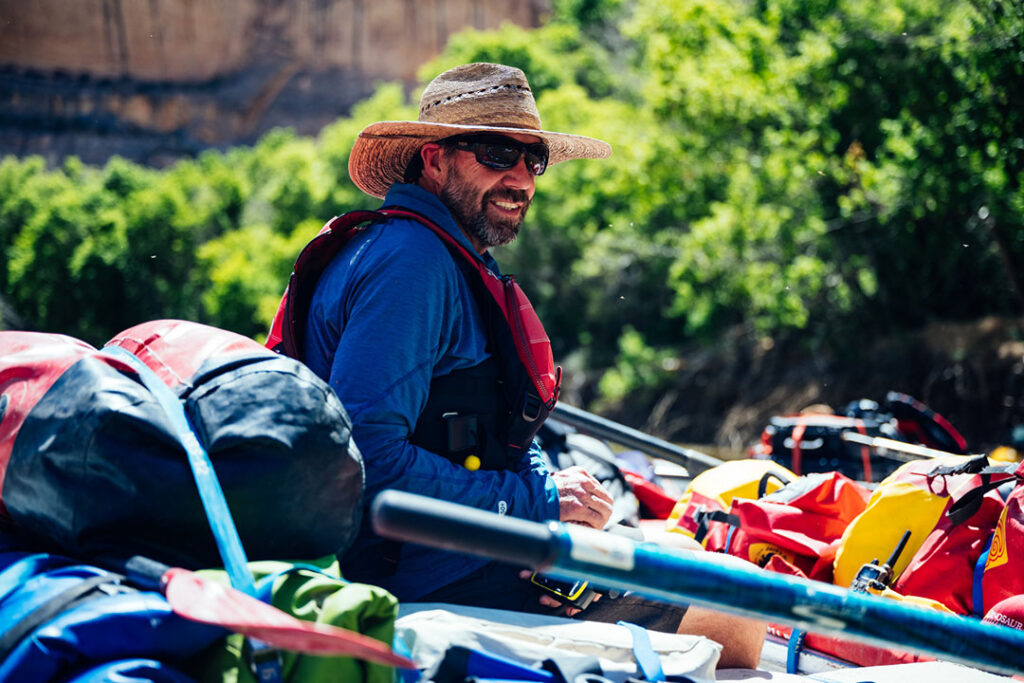
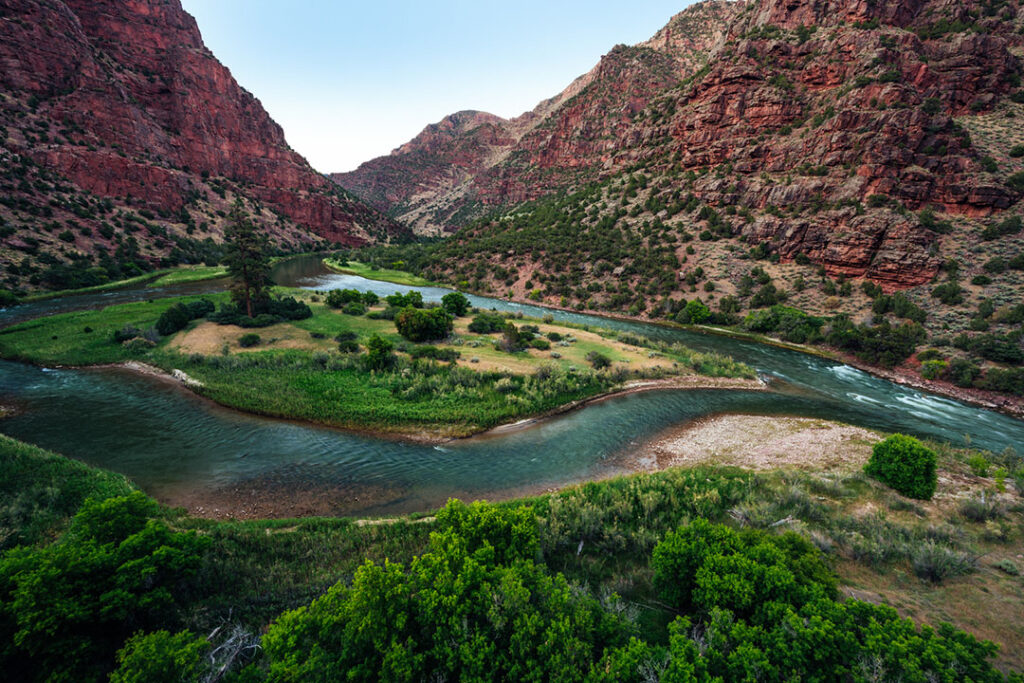
 For solo travelers new to river rafting or unsure about multi-day wilderness commitment, the one-day Flaming Gorge trip offers perfect introduction.
 River trip pricing is per person regardless of solo or group booking. Solo travelers pay the same rates as couples or families, with no single supplements—a rarity in adventure travel.
 Julie S


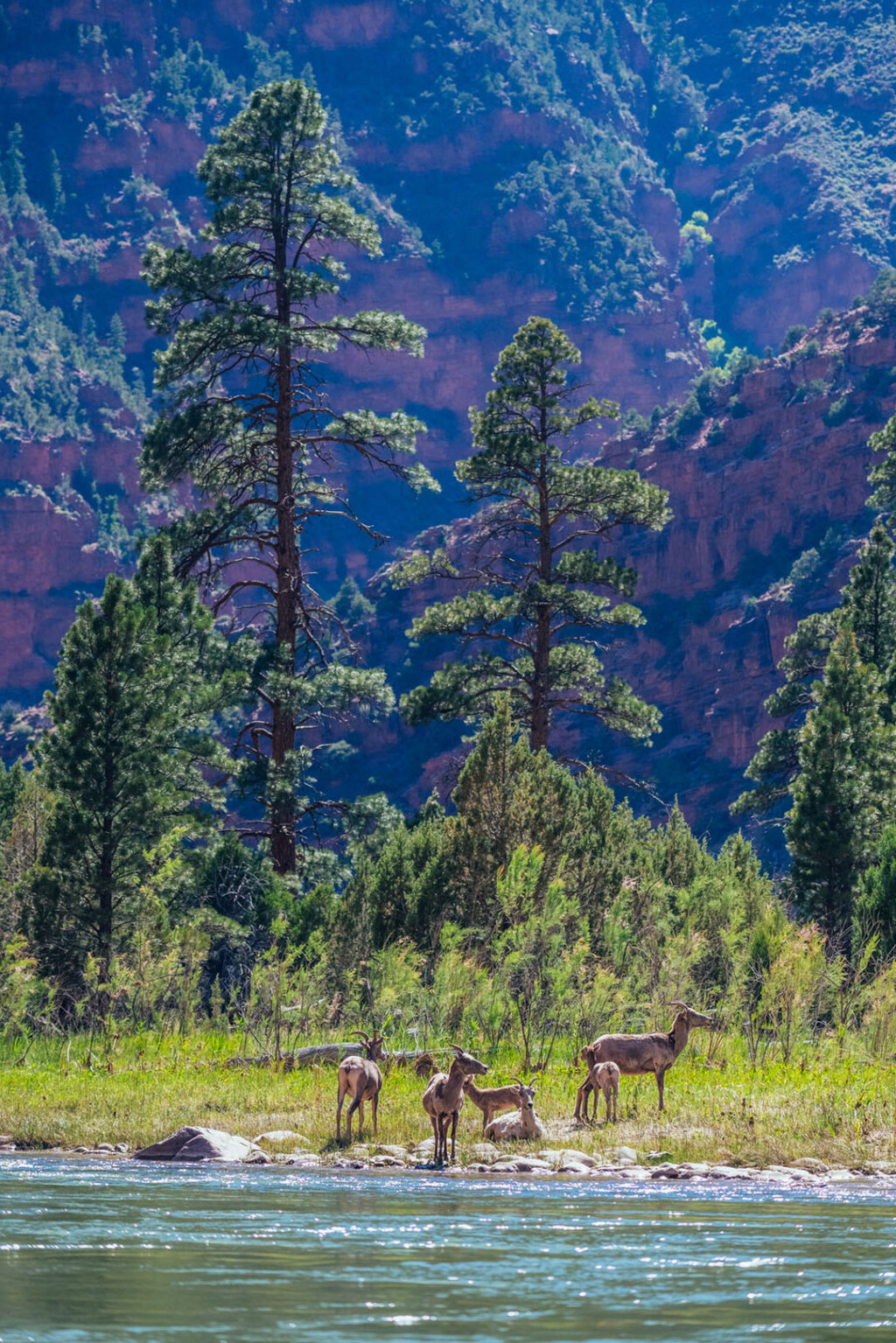
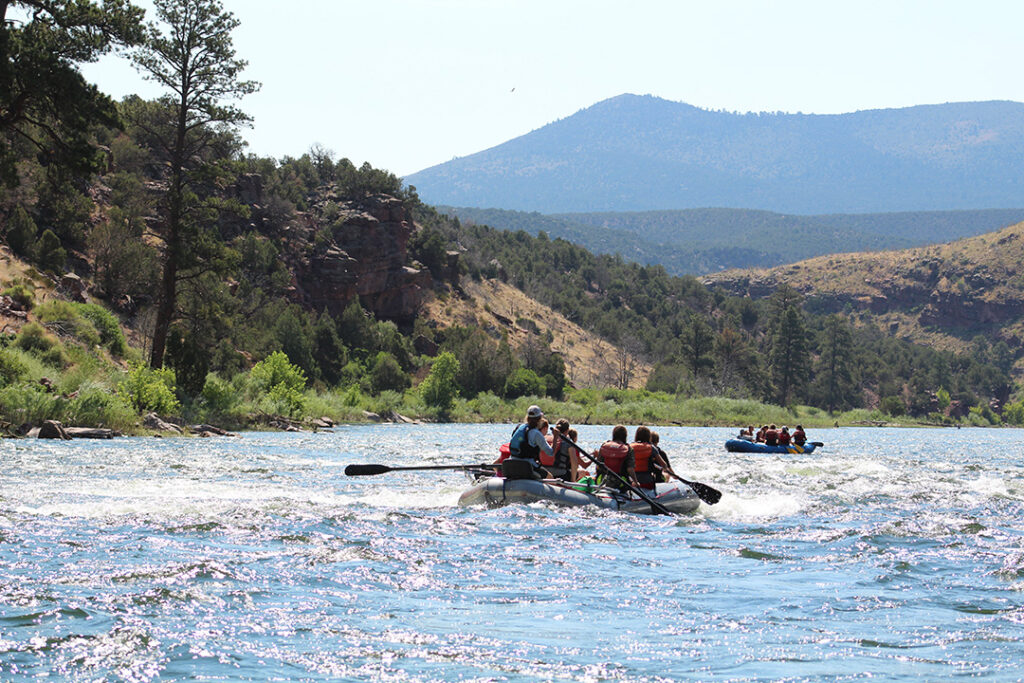 Water Conditions: Rivers begin running as snowmelt accelerates. Early May often has insufficient water, but late May typically marks season opening. Flows are building toward peak levels.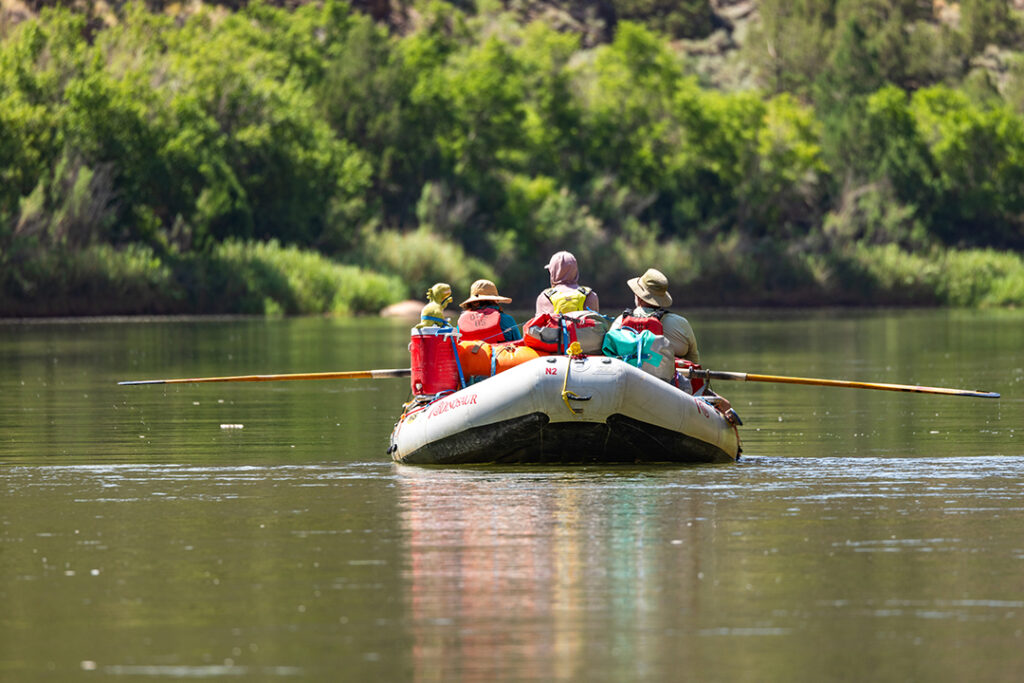
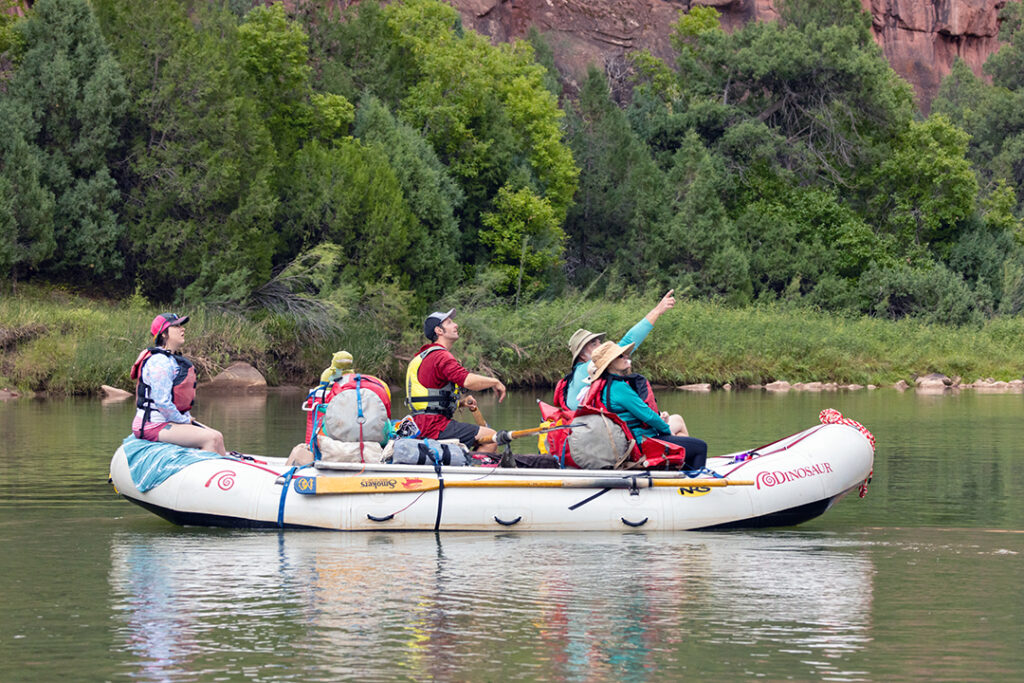


 Picture this: your 8-year-old son splashes through a rapid while your 60-year-old mother relaxes in the same raft, both grinning from ear to ear. Your teenage daughter puts down her phone for four days and actually talks to her cousins. Three generations share meals on a river beach, creating memories that will last decades.
 Perfect for families unsure about committing to multi-day camping, the one-day trip provides a complete river experience in seven hours. You’ll run exciting Class II rapids, enjoy a riverside lunch, and return to Vernal by mid-afternoon.


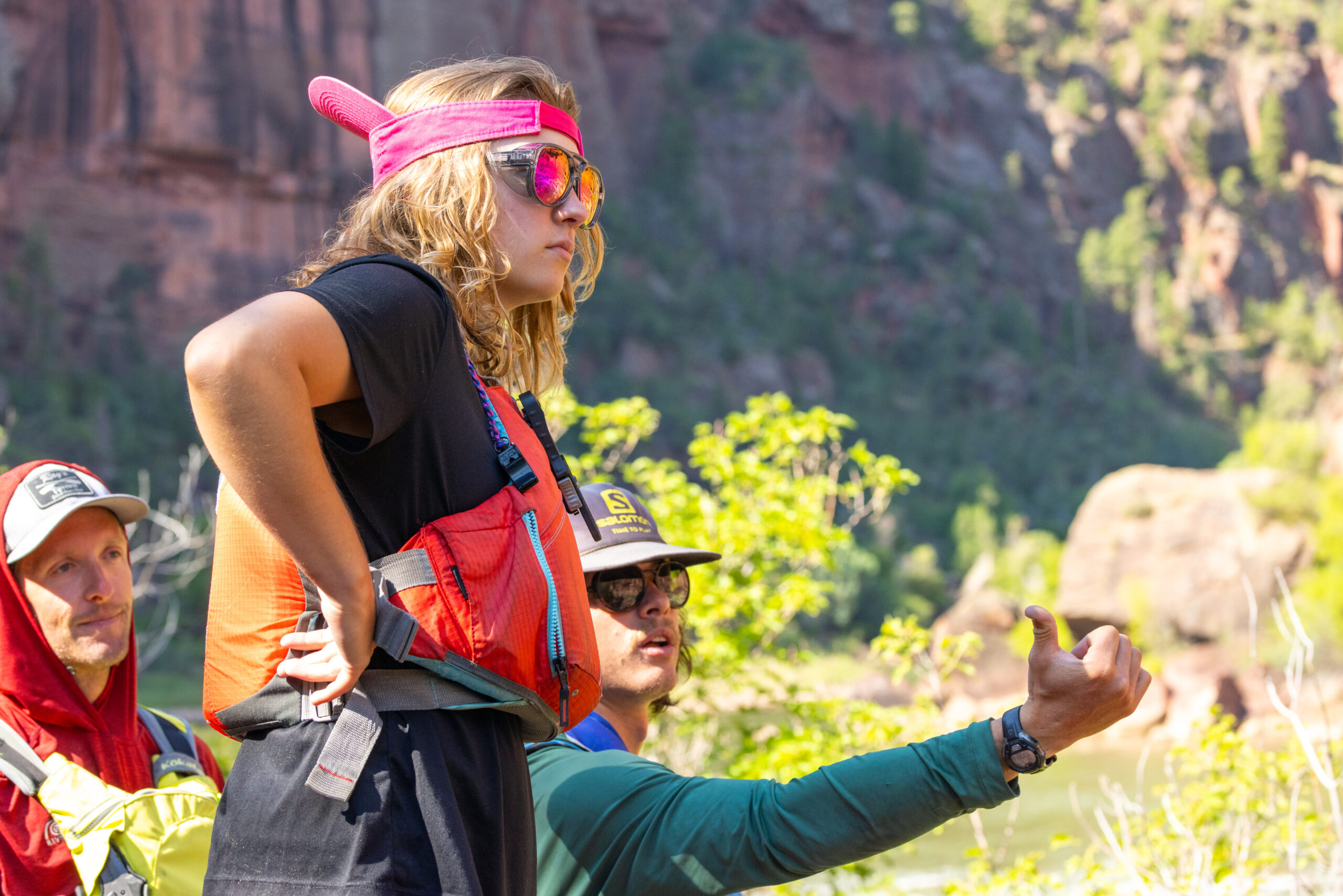
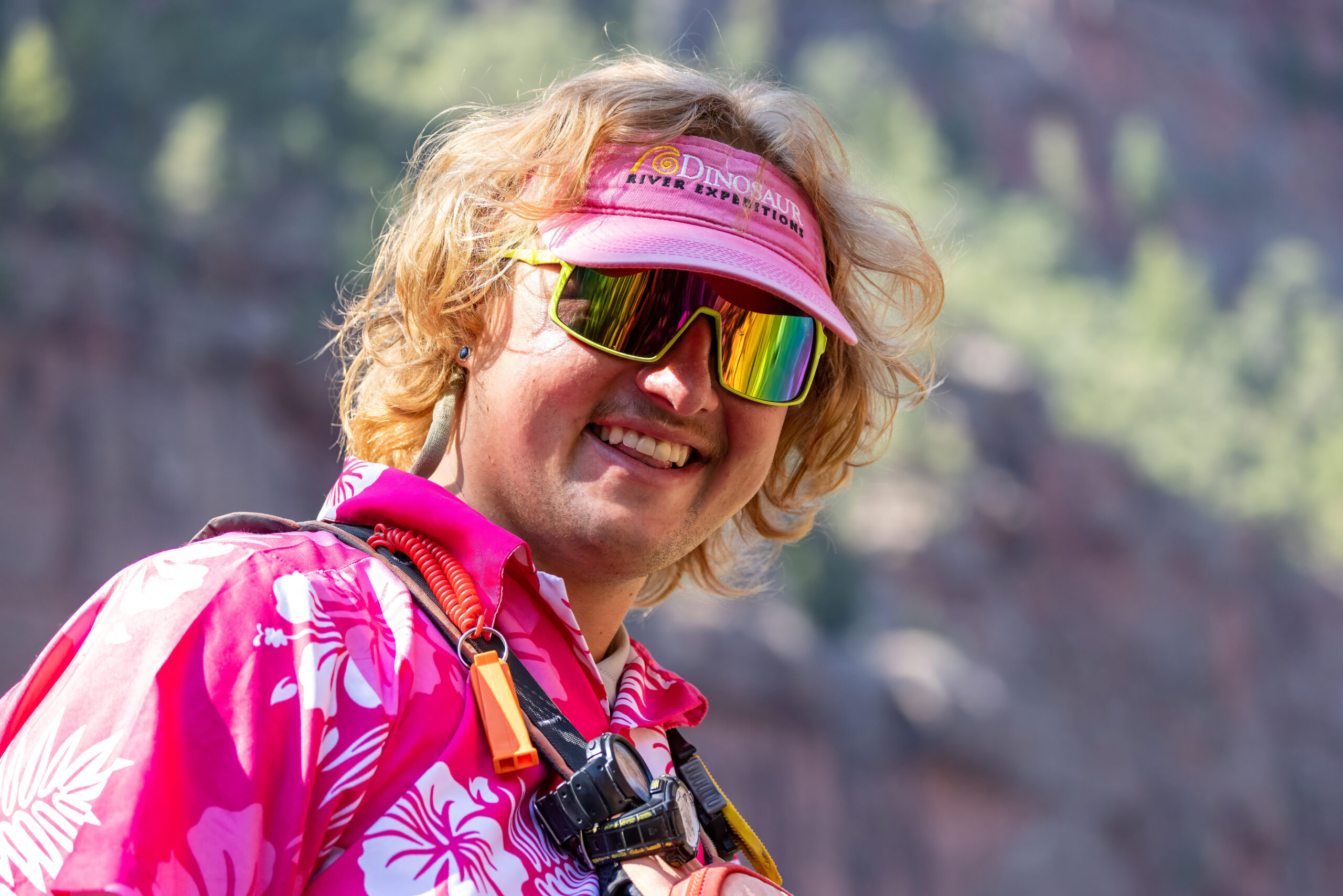
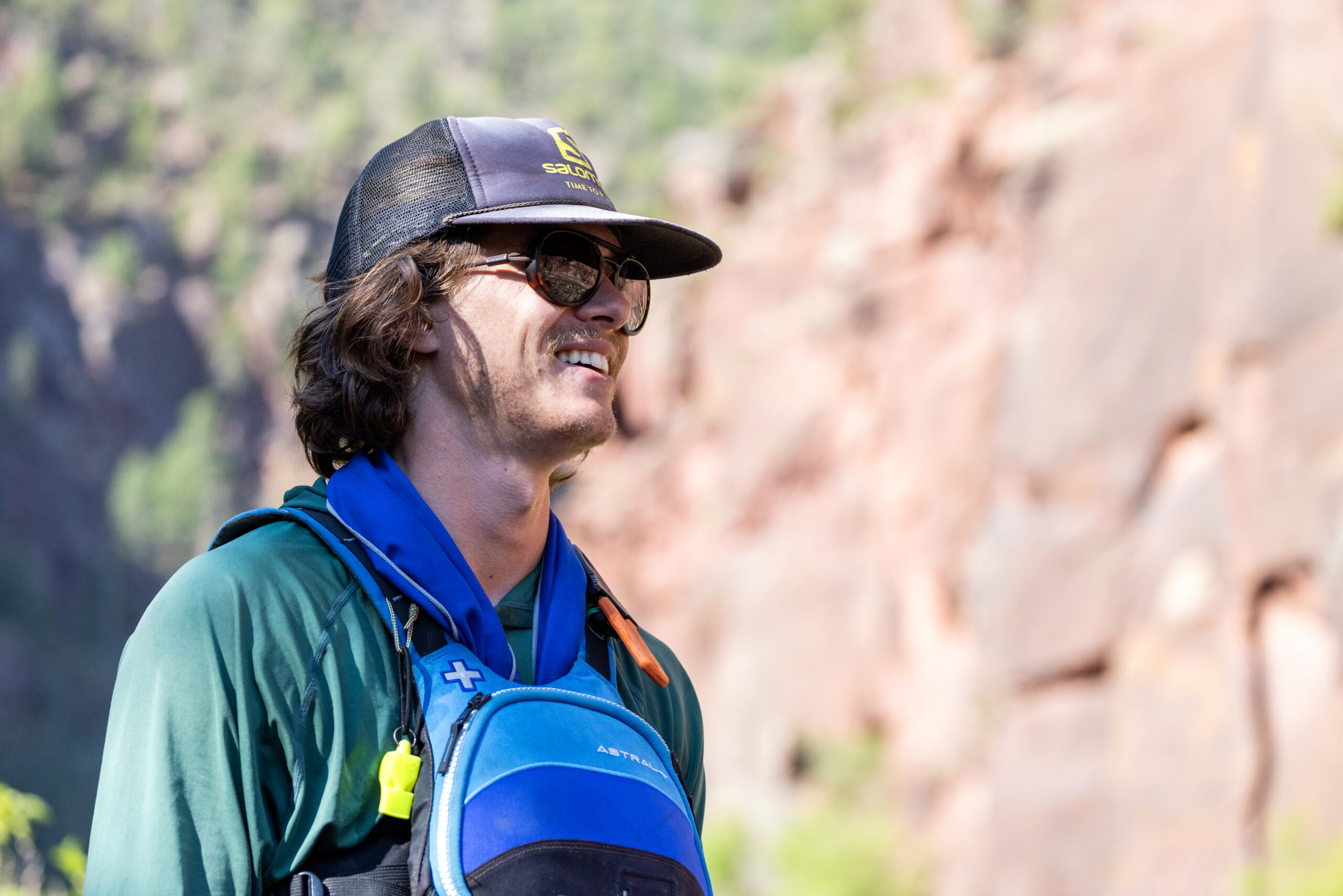


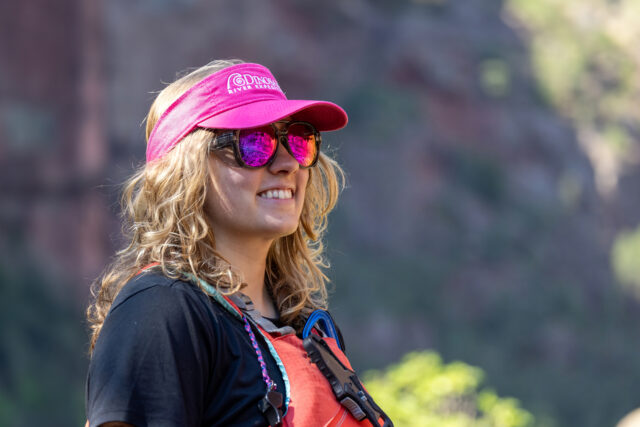
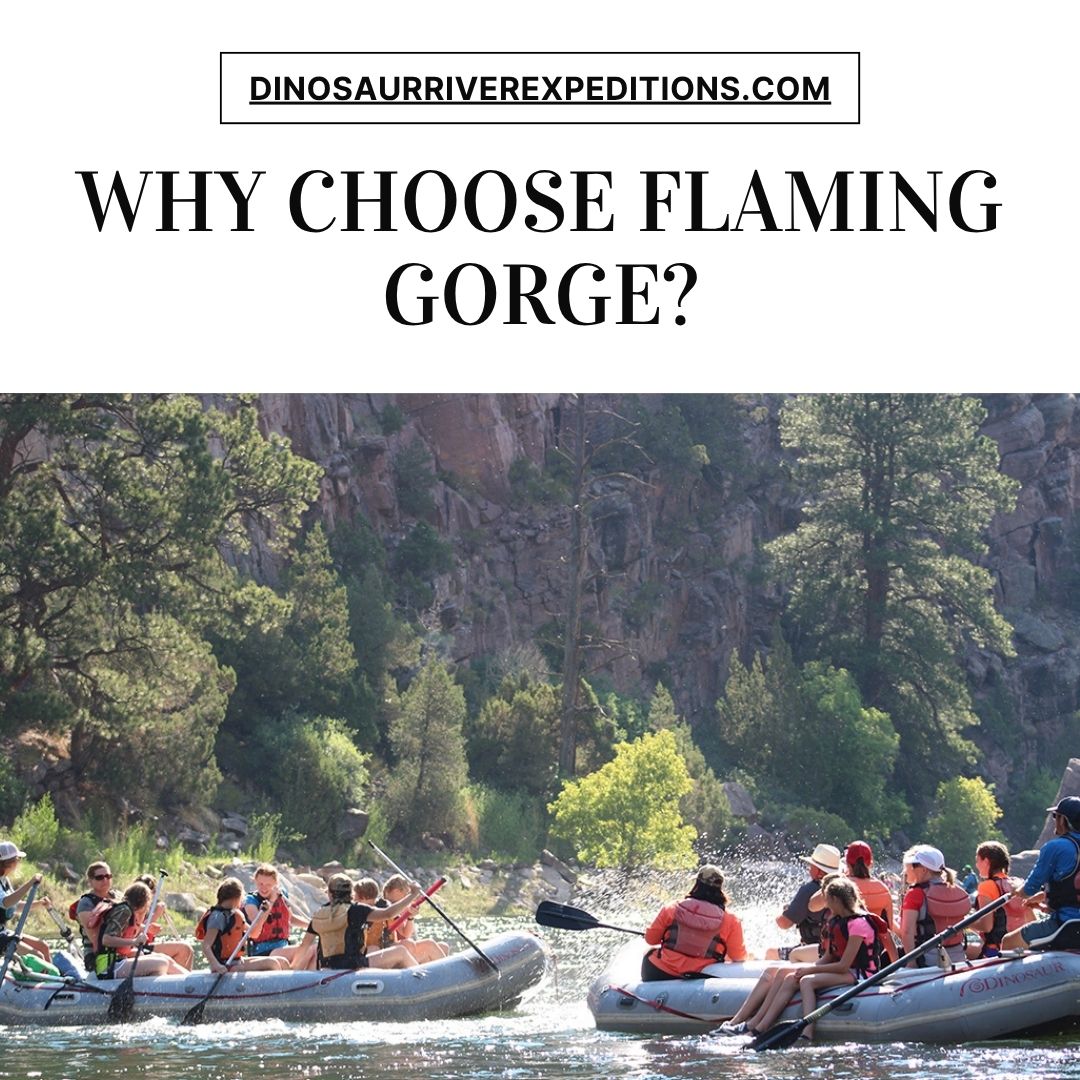 Why Choose Flaming Gorge for Your White Water Rafting Utah 1 Day Adventure?
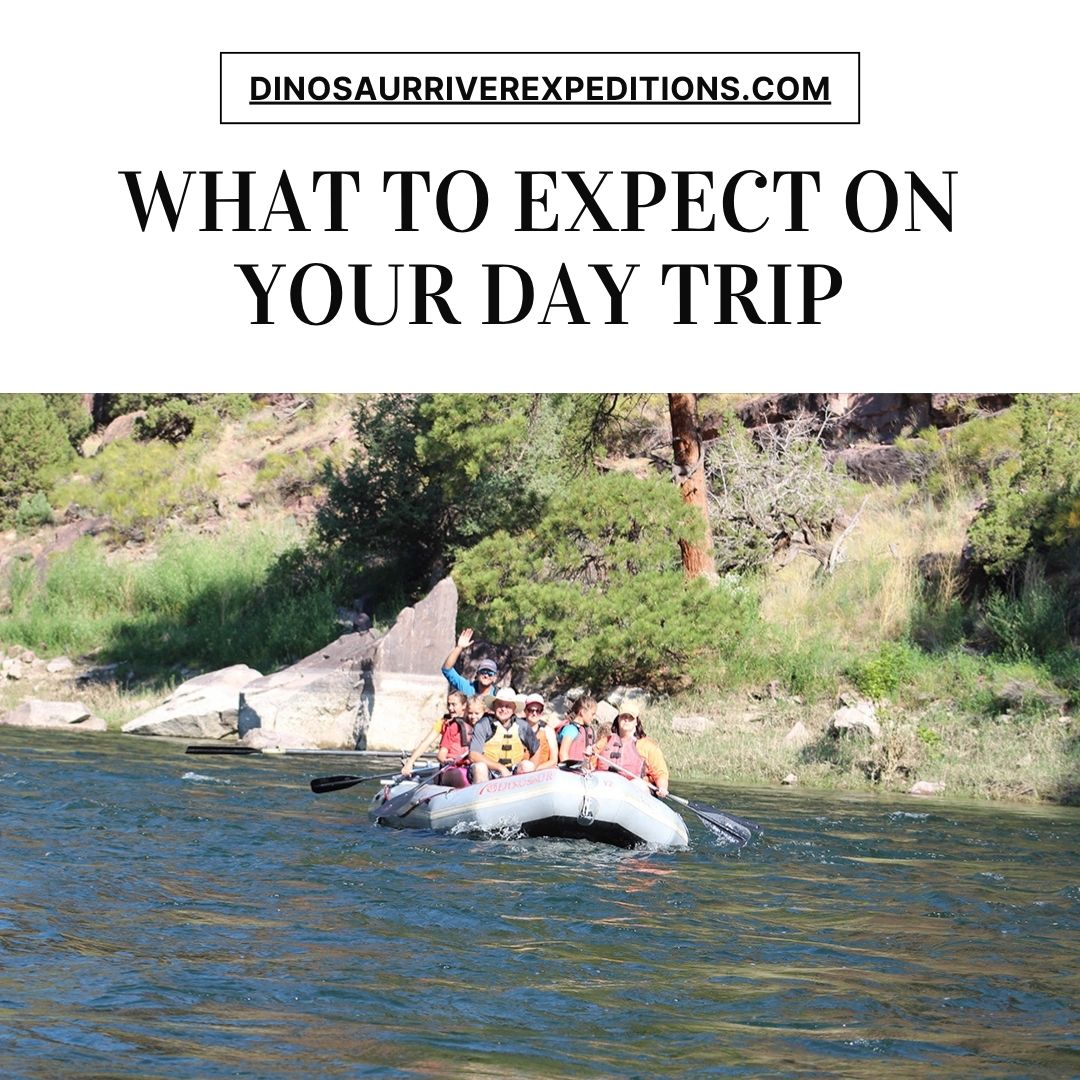 What to Expect on Your Flaming Gorge Day Trip
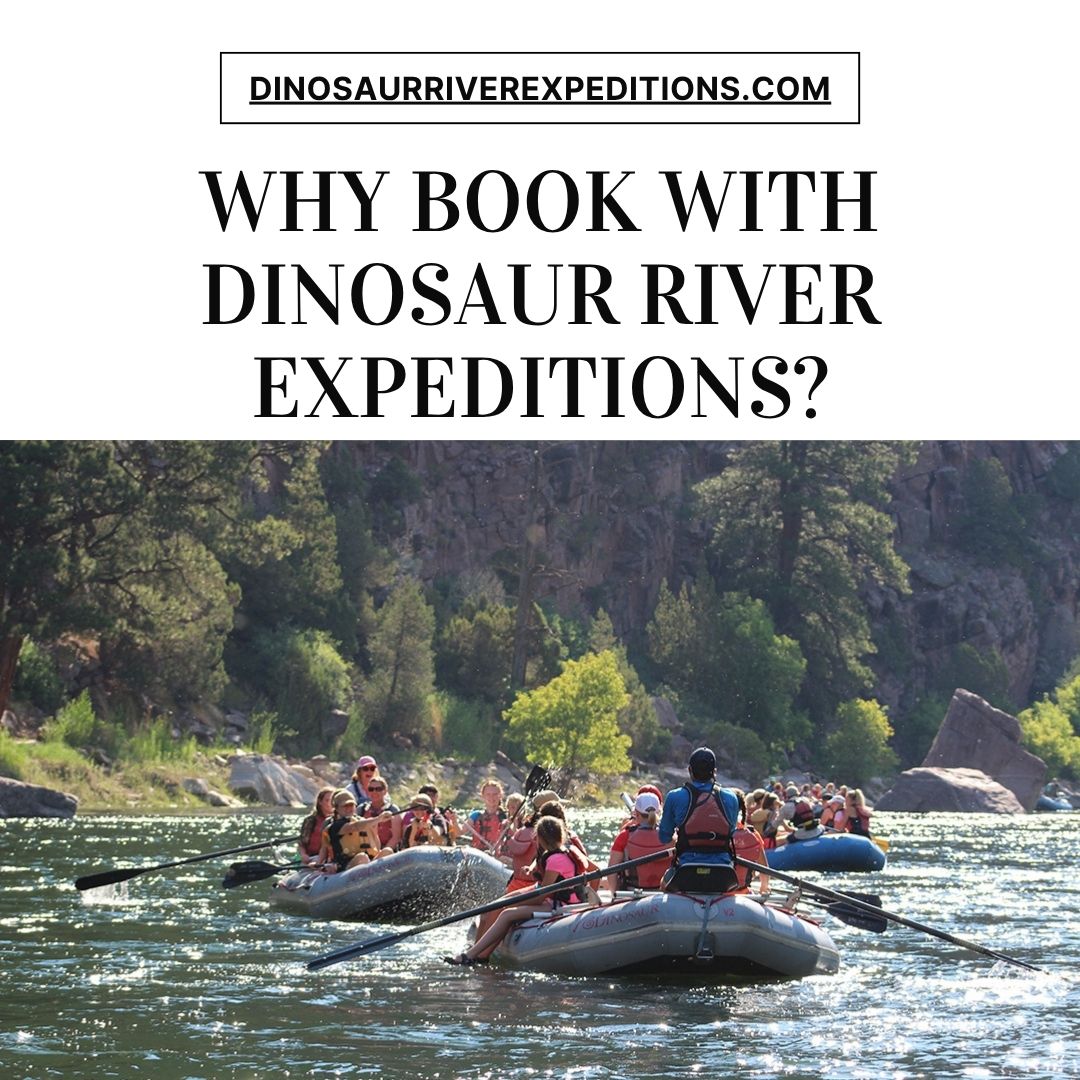 Why Book with Dinosaur River Expeditions?
 There’s something profoundly transformative about spending multiple days on the river. Multi-day rafting trips in Utah allow you to fully disconnect from modern life and immerse yourself in the rhythm of canyon country. These aren’t just rafting trips, they’re complete wilderness experiences that combine whitewater excitement with hiking, wildlife viewing, archaeological exploration, and camping beneath some of the darkest skies in North America.
 1. Gates of Lodore (Green River through Dinosaur National Monument)
 Understanding the costs of multi-day rafting trips in Utah helps you budget appropriately and recognize what’s included in your investment. Prices vary based on trip length, river difficulty, season, group size, and outfitter services.
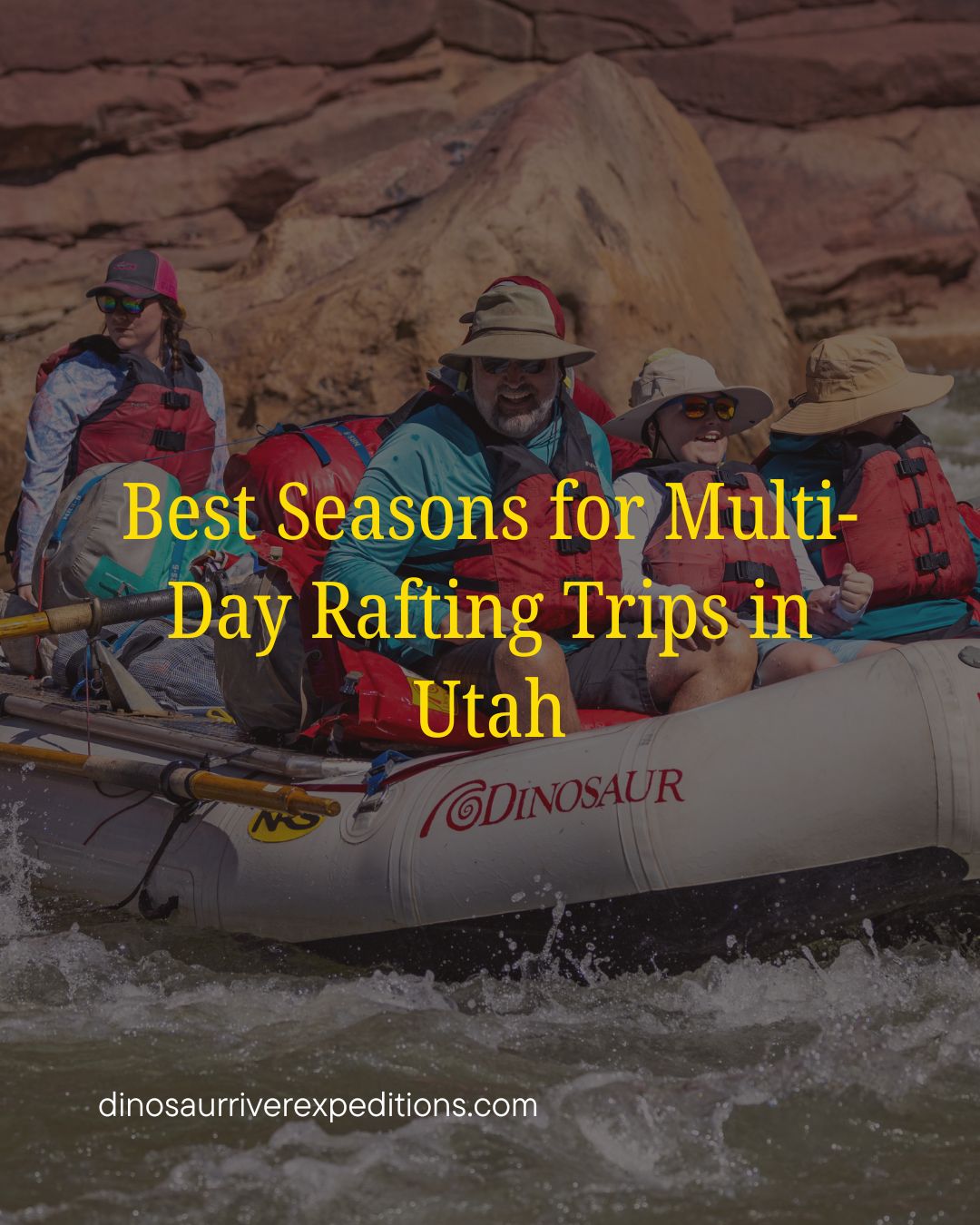 Spring (May–June)
 If you’re new to multi-day rafting trips in Utah, choosing the right first experience is crucial for building confidence and falling in love with river running. Here’s what beginners should know:
 What Makes Utah Float Trips Special?
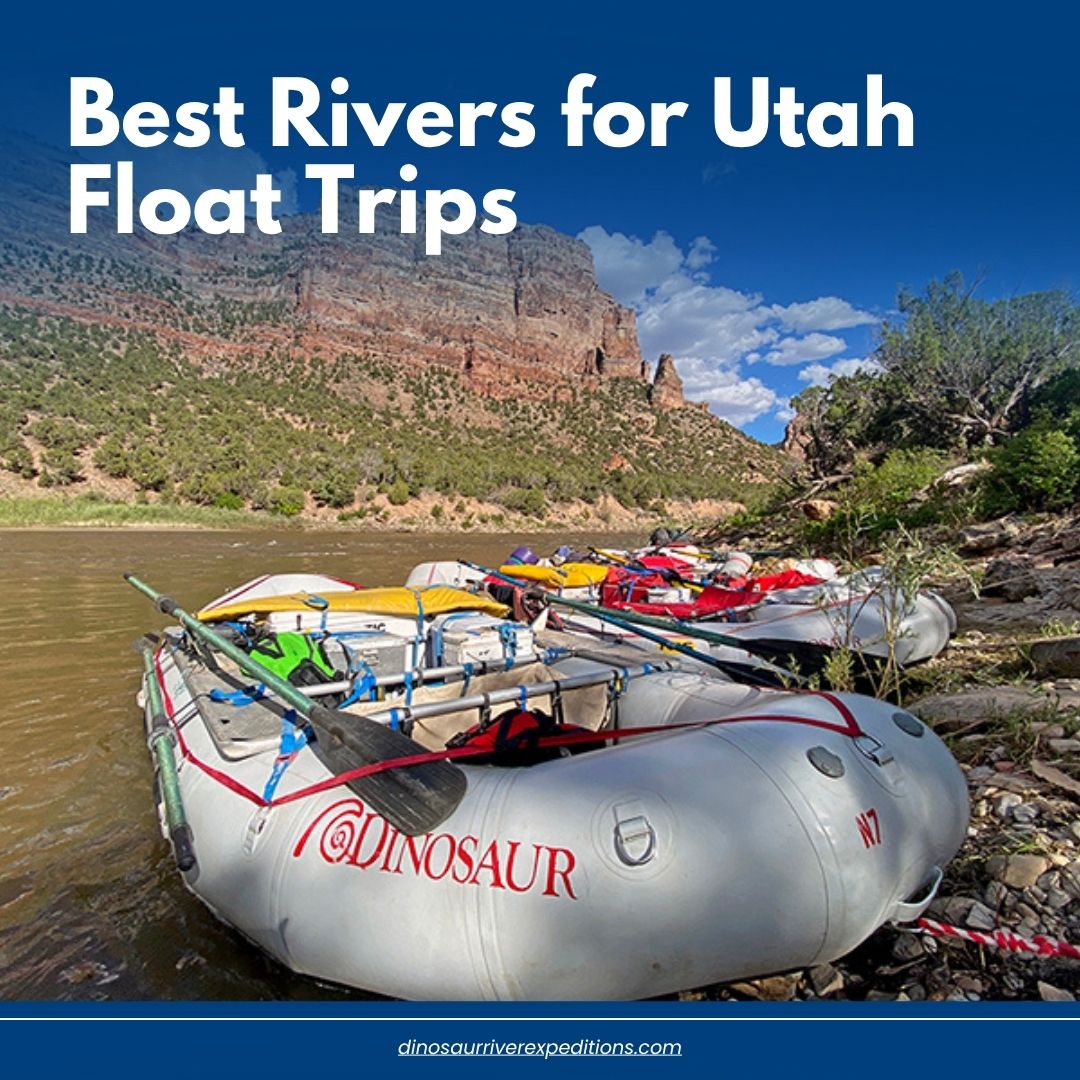 The Green River offers some of Utah’s most iconic float trip experiences:
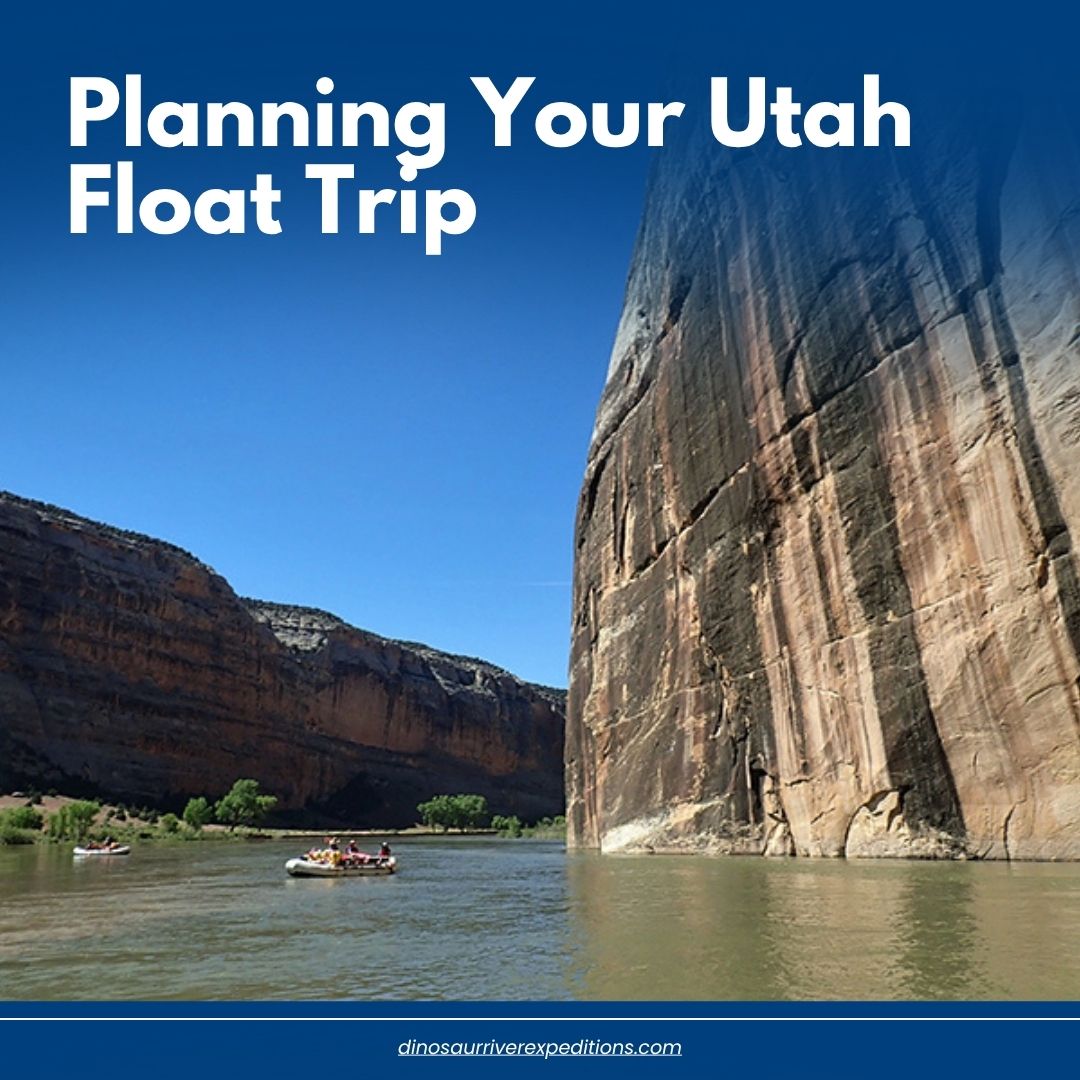 Spring (April-May): Higher water flows from snowmelt mean brisker currents. Water is colder but the desert is green and alive.
 Why Colorado is a Premier Rafting Destination
 Half-Day, Full-Day, and Multi-Day Adventures
 Overview of the Yampa River in Dinosaur National Monument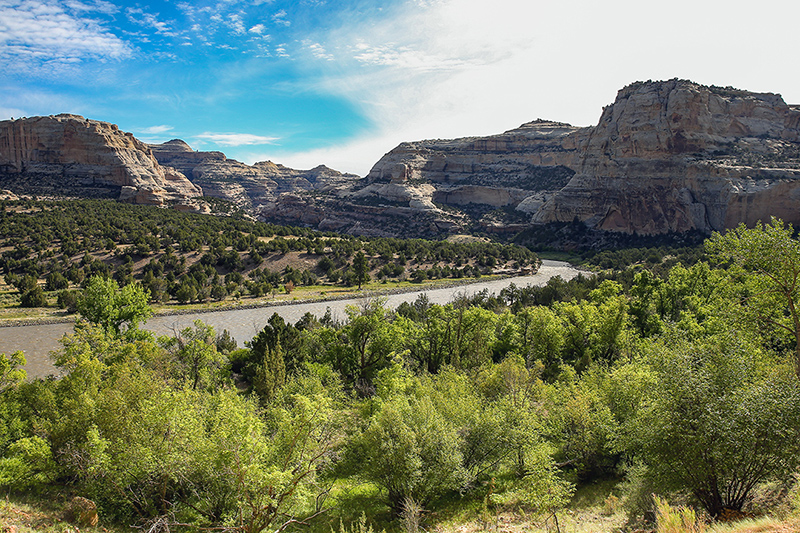

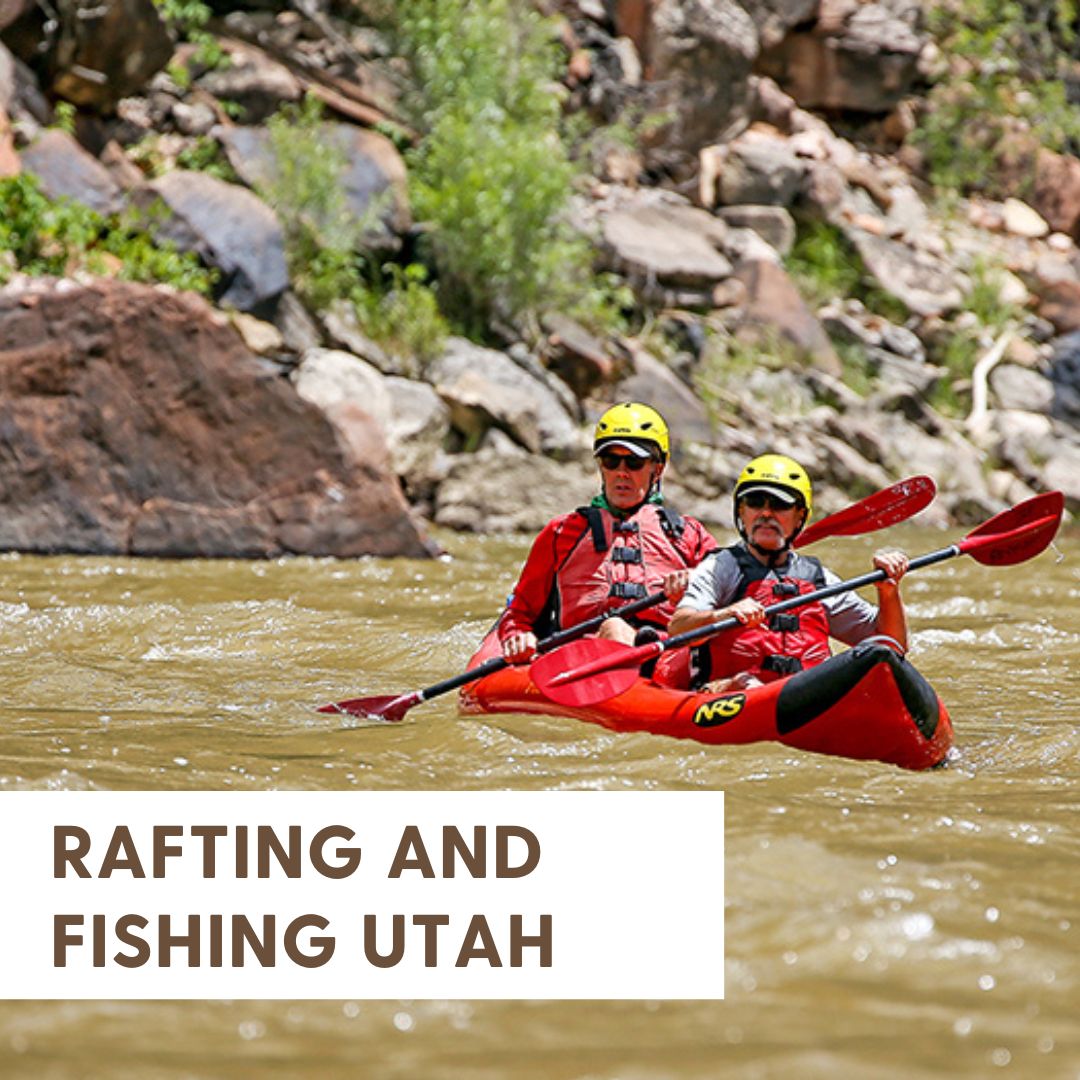 Comprehensive and Enjoyable